
The 725 metres new long flyover from Sea Link to Bandra Kurla Complex (BKC) work is all set to be open to the public before June end, confirmed S.V.R Srinivas, newly appointed Commissioner of the Mumbai Metropolitan Region Development Authority (MMRDA) on Monday, when contacted by the Free Press Journal.
He said, "All minor pending works including the street lighting work on the said flyover will be finished and before end of June we should be able to commission the flyover." Of three flyovers proposed to decongest the Kalanagar Junction at BKC. The upcoming Sea Link--BKC flyover (second arm) is the main one to disperse the BKC traffic significantly, asserted the MMRDA Chief.

M/s. RPS Infraprojects Pvt. Ltd. sub contractor of M/s. Simplex Infrastructures Ltd. appointed in January 2020 is carrying out the Kalanagar flyovers construction work.
In fact, the second arm flyover work was expected to be completed by May end. However, the pandemic induced lockdown and surge in Covid-19 cases amid second wave leading to the diversion of industrial oxygen — which was essential for construction — to medical use, the said Kalanagar flyover work was greatly affected. Besides, manpower shortage was another major hurdle. In April with the availability of only 50 labourers on construction site the civil work was carried out. While 115 labourers were available before lockdown period.
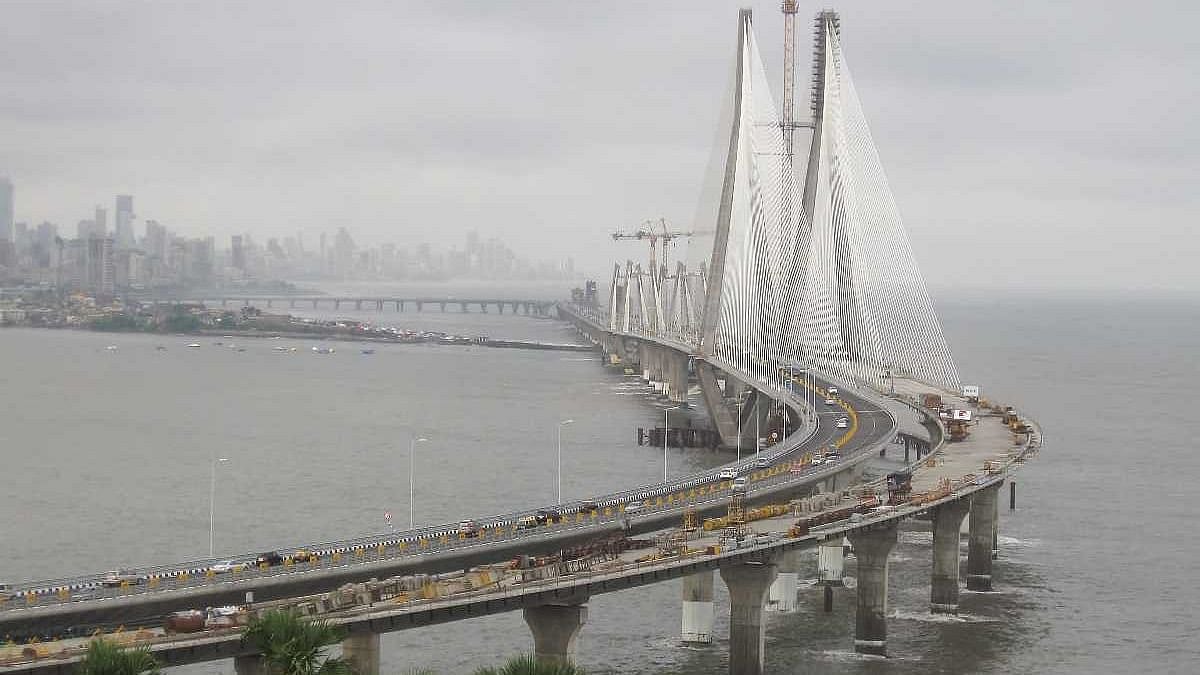
Meanwhile the BKC to Sea Link (first arm) flyover had already been commissioned in February 2021. The first flyover with two lanes allows commuters travelling from BKC junction towards the Bandra-Worli sea link helps skip both the BKC and Kalanagar Junction. While the under construction third flyover comprising 349 metres from Sion Dharavi link road (free left) towards Sea link will be ready by November end, according to the MMRDA.
The MMRDA's Kalanagar junction decongestion plan having three flyovers is getting ready at cost of Rs 103.73 crores. Since the scope of work of third flyover --Sion Dharavi link road (free left) to Sea link has been reduced due to the metro line integration plan. Therefore the total project cost reduced by Rs 59.35 crore, as per MMRDA.
