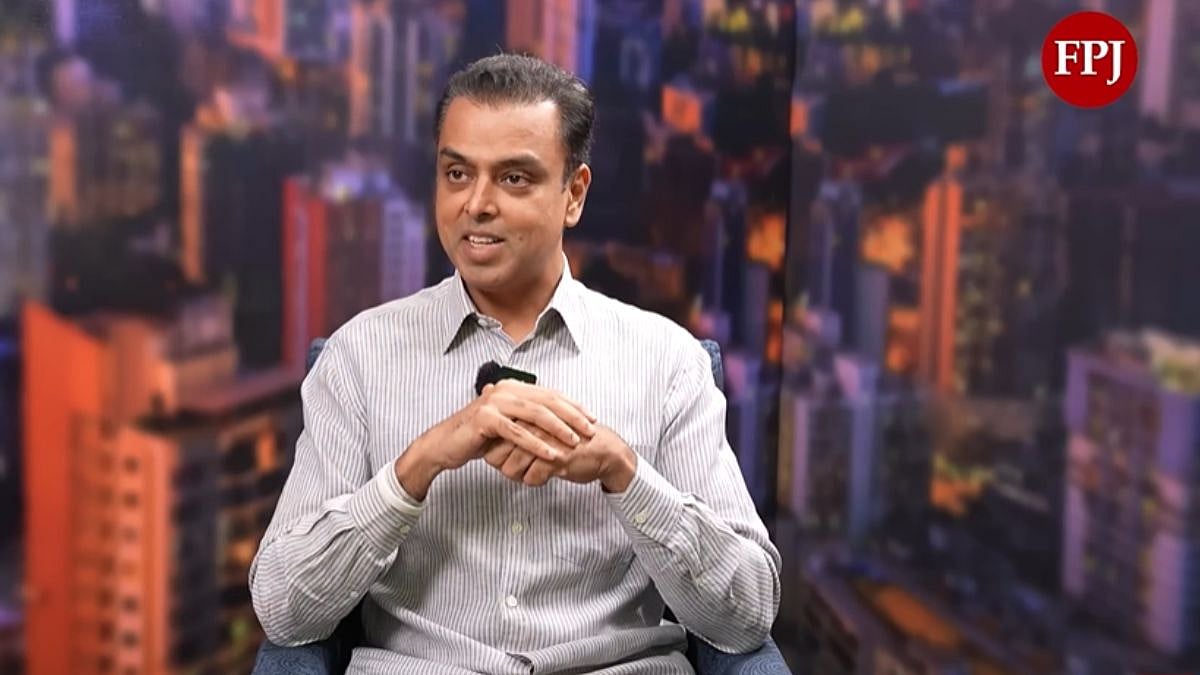
Milind Deora of Shiv Sena (Shinde faction) alleged that Opposition leaders deliberately stalled the move. He described the development as “unfortunate” and claimed there was a concerted effort to delay the implementation of women’s reservation until 2029. Deora added that women voters across the country would respond decisively to the situation.
Prime Minister issues apology, targets Opposition
In a rare televised address, Narendra Modi addressed the nation a day after the bill’s defeat, striking an emotional and political tone. He apologised to the women of India, acknowledging the setback while asserting continued public support.
Modi said that although the government may not have secured the required majority in Parliament, it retained overwhelming backing from women across the country. His remarks sought to frame the issue as one of political resistance rather than lack of public mandate.
Congress criticised over policy stance
The Prime Minister also launched a direct attack on Indian National Congress, labelling it anti reform and anti women. He accused the party of opposing several major initiatives, including the Uniform Civil Code, Citizenship Amendment Act, and financial reforms such as Goods and Services Tax and unified digital payment systems.
Modi further alleged that past governments delayed key measures like OBC reservation and One Rank One Pension for decades, and resisted efforts to act against illegal immigration and reform institutional frameworks.
Debate likely to intensify
With strong statements emerging from both sides, the issue of women’s reservation is expected to remain at the centre of political discourse. As parties prepare for future electoral battles, the debate reflects deeper divisions over governance priorities, reform agendas, and the role of Parliament in shaping long term policy.

