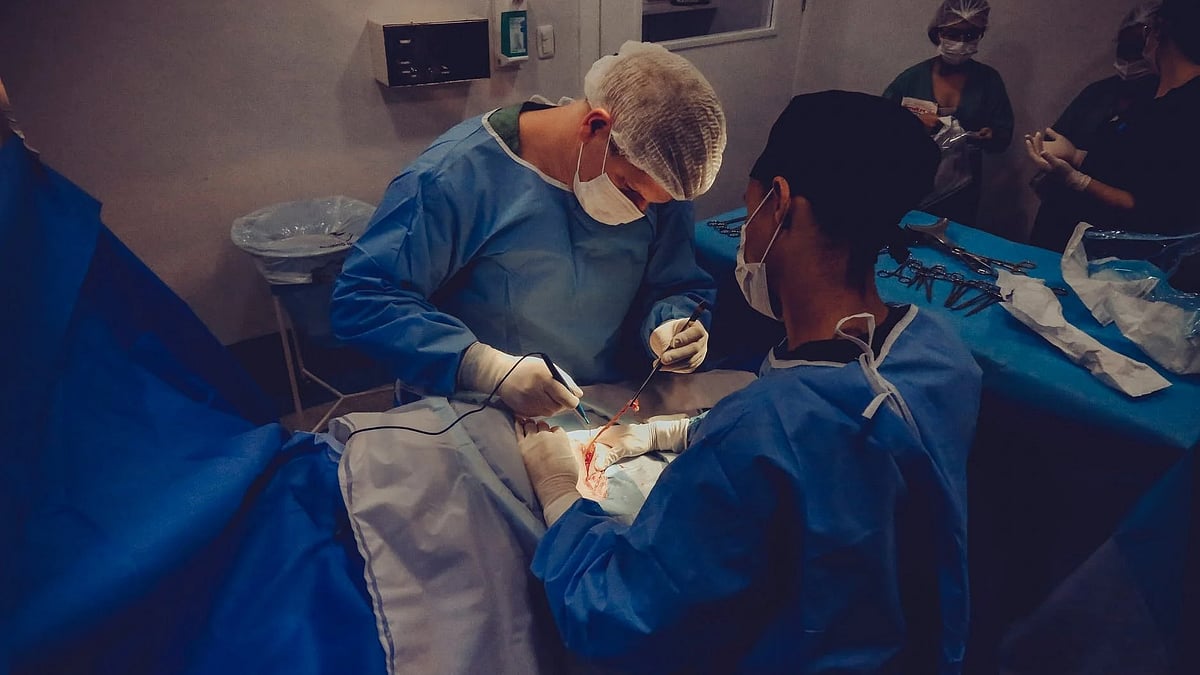
Mumbai, October 3, 2026: Cesarean deliveries are on the rise in government and civic-run hospitals across Maharashtra, with the proportion of lower-segment cesarean sections (LSCS) increasing from 49.6% in 2022 to 56.05% in 2025, according to data from the state public health department.
According to available data, the LSCS rate rose to 52.62% in 2023, peaked at 56.64% in 2024, and then marginally declined to 56.05% in 2025.
Normal Deliveries Decline
In contrast, full-term normal deliveries fell from 50.34% in 2022 to 47.38% in 2023 and 43.36% in 2024, before recovering slightly to 43.95% in 2025.
Doctors from government hospitals said the trend needs to be viewed in the context of the large number of high-risk pregnancies handled by tertiary and referral centres.
Government hospitals receive referrals from primary health centres, community health centres and private nursing homes involving severe preeclampsia, eclampsia, fetal growth restriction, oligohydramnios, placenta previa and other pregnancy complications.
Repeat Caesareans Add To Numbers
Previous cesarean deliveries are another important contributor. Women with a history of LSCS are often referred to larger hospitals where continuous monitoring and emergency facilities are available.
“VBAC is not attempted in every case, and repeat caesareans add significantly to the surgical delivery numbers,” said a senior doctor from JJ Hospital, Mumbai.
Doctors also cite advanced maternal age, IVF and twin pregnancies, obesity, gestational diabetes and pregnancy-induced hypertension as factors that can complicate labour and increase the likelihood of surgical delivery. Maternal anxiety over labour pain, preference for planned deliveries and concerns about complications may also influence decisions.
Assisted Deliveries Decline
The declining use of assisted vaginal deliveries, including forceps and vacuum extraction, is another concern. Doctors said reduced exposure to these procedures, along with medico-legal concerns, could result in some difficult labours ending in cesarean sections.
The management of labour induction may also influence rates. Doctors said declaring an induction unsuccessful too early, without allowing adequate time for cervical ripening and labour progression, could increase cesarean deliveries in selected cases.
Also Watch:
More Data Needed
However, the statewide figures alone do not establish the reasons for the increase or whether individual caesareans were medically necessary. Experts said hospital-wise data on indications for surgery, referral patterns, repeat LSCS, induction outcomes and maternal and neonatal outcomes would be needed for a clearer assessment of the trend.
To get details on exclusive and budget-friendly property deals in Mumbai & surrounding regions, do visit: https://budgetproperties.in/

