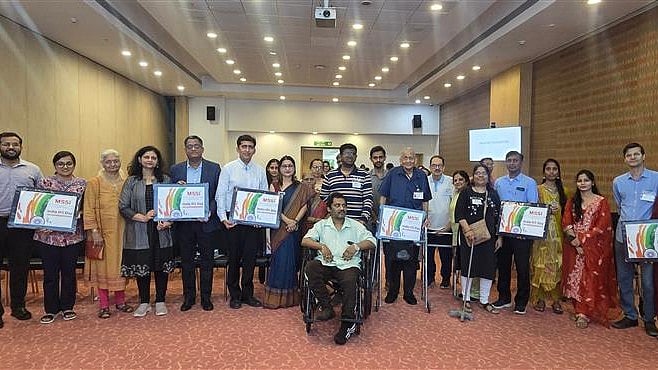
Mumbai: With over 2.8 million people living with Multiple Sclerosis (MS) worldwide and an estimated more than 200,000 affected in India, delayed diagnosis and fragmented care systems continue to fuel preventable disability across the country. Against this backdrop, the Multiple Sclerosis Society of India (MSSI), Mumbai Chapter, in collaboration with Kokilaben Dhirubhai Ambani Hospital (KDAH), convened leading neurologists, rehabilitation specialists, and allied experts for a medical seminar titled “Conquering MS Disabilities” in Mumbai.
Although MS has been recognized globally for over a century, it remains significantly under-diagnosed in India, with delayed detection frequently leading to irreversible disability and poorer long-term outcomes. Globally, women account for nearly 69% of MS cases—more than twice the number of men—and at least 30,000 individuals under the age of 18 are living with the condition. Early diagnosis continues to be a major hurdle, with 83% of countries reporting barriers to timely detection.
In India, the exact prevalence remains uncertain due to limited nationwide data and under-reporting, but cases have been rising steadily, particularly among young adults aged 20–40 years, with women disproportionately affected.
Discussions at the seminar focused on improving early symptom recognition, strengthening referral pathways, and ensuring timely access to appropriate therapies to alter disease progression. Experts emphasized that MS management requires a multidisciplinary approach extending beyond neurology to include neuro-rehabilitation, pain management, and urology. Integrated care pathways, they noted, are critical to preserving mobility, independence, and overall quality of life. Advances in High Efficacy Therapies and Disease-Modifying Therapies are reshaping the treatment landscape, reinforcing the need for proactive and personalized care.

Also Watch:
Dr. Mohit Bhatt, Director of Neuroscience at Kokilaben Dhirubhai Ambani Hospital, highlighted that MS presents uniquely in each individual and requires sustained cross-specialty collaboration and timely access to the right therapies. He stressed that with proactive and holistic management, many individuals can continue to lead active and productive lives while reducing long-term disability.
Sandeep Chitnis, Hon. National Secretary, MSSI, underscored that the challenges in India are not only medical but systemic, citing delayed recognition, limited awareness, and fragmented care pathways as key barriers. He added that initiatives such as this seminar aim to promote earlier referrals, strengthen awareness, and advocate for patient-centric, integrated care models.
To get details on exclusive and budget-friendly property deals in Mumbai & surrounding regions, do visit: https://budgetproperties.in/

