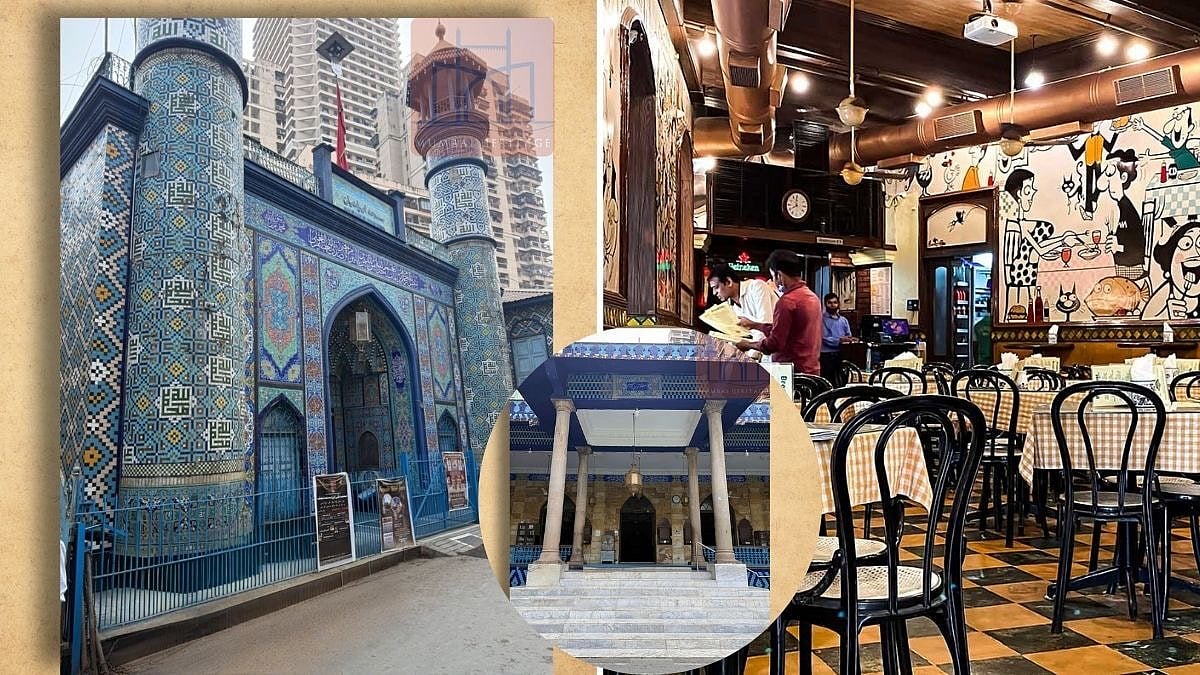
In Mumbai, history rarely sits still. It lingers in old buildings, in fading signboards, in recipes passed down without measurement. As tensions simmer between Iran and Israel, the city’s long and layered Persian connection has resurfaced in subtle, deeply human ways.
The most visible reminders are the Irani cafés. Once the social backbone of old Bombay, these establishments were founded by Zoroastrian and Muslim migrants from Iran who arrived in the late nineteenth and early twentieth centuries seeking opportunity and stability. Though their numbers have dwindled dramatically, the surviving cafés continue to hold a distinct place in Mumbai’s cultural imagination. Marble-topped tables, bentwood chairs and glass jars of biscuits stand as quiet witnesses to generations of conversation.
In recent weeks, these cafés have become more than nostalgic landmarks. They are spaces where global headlines meet inherited memory. News alerts flicker across smartphones while cups of strong, sweet Irani chai are poured as they always have been. The familiar comfort of bun maska and kheema pav contrasts sharply with images of unrest abroad. For many patrons with Persian ancestry, however distant, the conflict feels personal, stirring questions about heritage, belonging and continuity.
Mumbai’s architectural landscape reflects similar ties. In Dongri, the Modgal Masjid stands adorned with Persian tiles and intricate calligraphy. Built in the nineteenth century with support from Iranian merchants, it remains a striking reminder of maritime trade routes that once connected Bombay to ports such as Bushehr and Bandar Abbas. Today, its tiled façade seems to carry added weight, symbolising a shared past that transcends present politics.
The city’s Zoroastrian community embodies an even older connection. Parsis trace their spiritual origins to ancient Persia, having arrived on India’s western shores over a millennium ago. While generations have grown up entirely Indian in language and lifestyle, rituals, prayers and certain linguistic traces continue to echo their Iranian roots. In fire temples across Mumbai, the sacred flame burns steadily, offering a sense of permanence amid international uncertainty.
Beyond religion and architecture, the influence of Iran has long been woven into Mumbai’s everyday life. Persian words seeped into courtly language centuries ago, shaping literary traditions that later influenced Urdu and Hindi. Culinary exchanges left their mark in everything from fragrant rice dishes to sweetmeats studded with pistachios and saffron. Trade across the Arabian Sea once carried textiles, spices and dry fruits in both directions, binding the two regions economically as well as culturally.
The current tensions between Iran and Israel do not alter daily life in immediate, dramatic ways. Mumbai continues to move at its relentless pace. Local trains are packed, markets bustle, and offices hum. Yet beneath this momentum lies a quieter awareness. For communities shaped, however distantly, by Iranian migration and memory, the headlines feel closer than geography suggests.
In a city built on arrivals and adaptations, identity is rarely singular. It is layered, hybrid and resilient. As the world watches events unfold in West Asia, Mumbai’s Persian heartbeats endure in tiled mosques, in firelit sanctuaries and in cafés where tea is poured slowly, as if time itself can be steadied.

