Mumbai: Centuries-old traditions were on display as devotees gathered on Friday at St Jerome’s Church in Kashimira village, first consecrated in 1595 and one of the oldest churches in the Mumbai region, celebrated its annual festival.
Traditional Encampments and Cuisine Preserve Heritage Practices
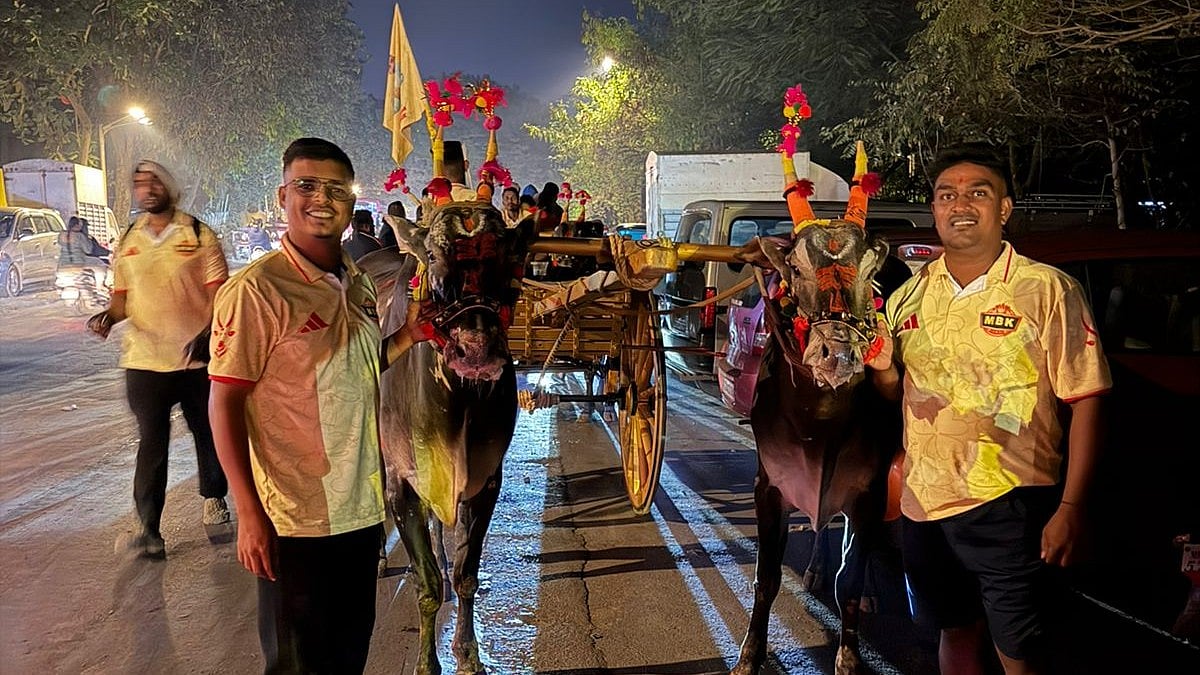
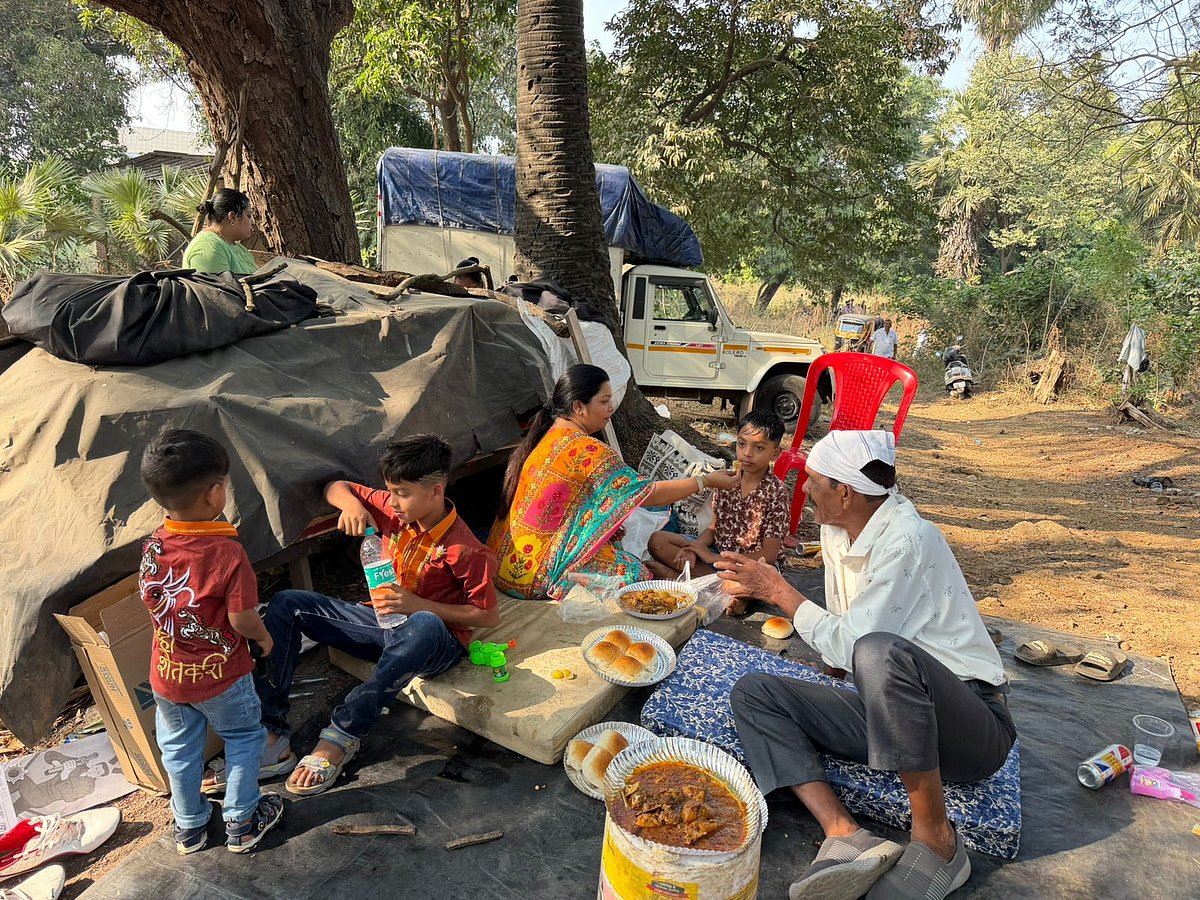
Families travelled in bullock carts from villages as far away as Manori, located across the Marve Creek off Malad, on Thursday evening to camp overnight in grounds near the church. Like their ancestors hundreds of years ago, they set up encampments, with makeshift kitchens that prepared traditional East Indian dishes such as chicken moilee, accompanied by traditional alcoholic drink called khimad (from the Iberian Queimada). Local villages sold delicacies such as sukeli or banana and traditional East Indian musical instruments, including ghumats, a percussion drum made of an earthen vessels and a leather membrane.
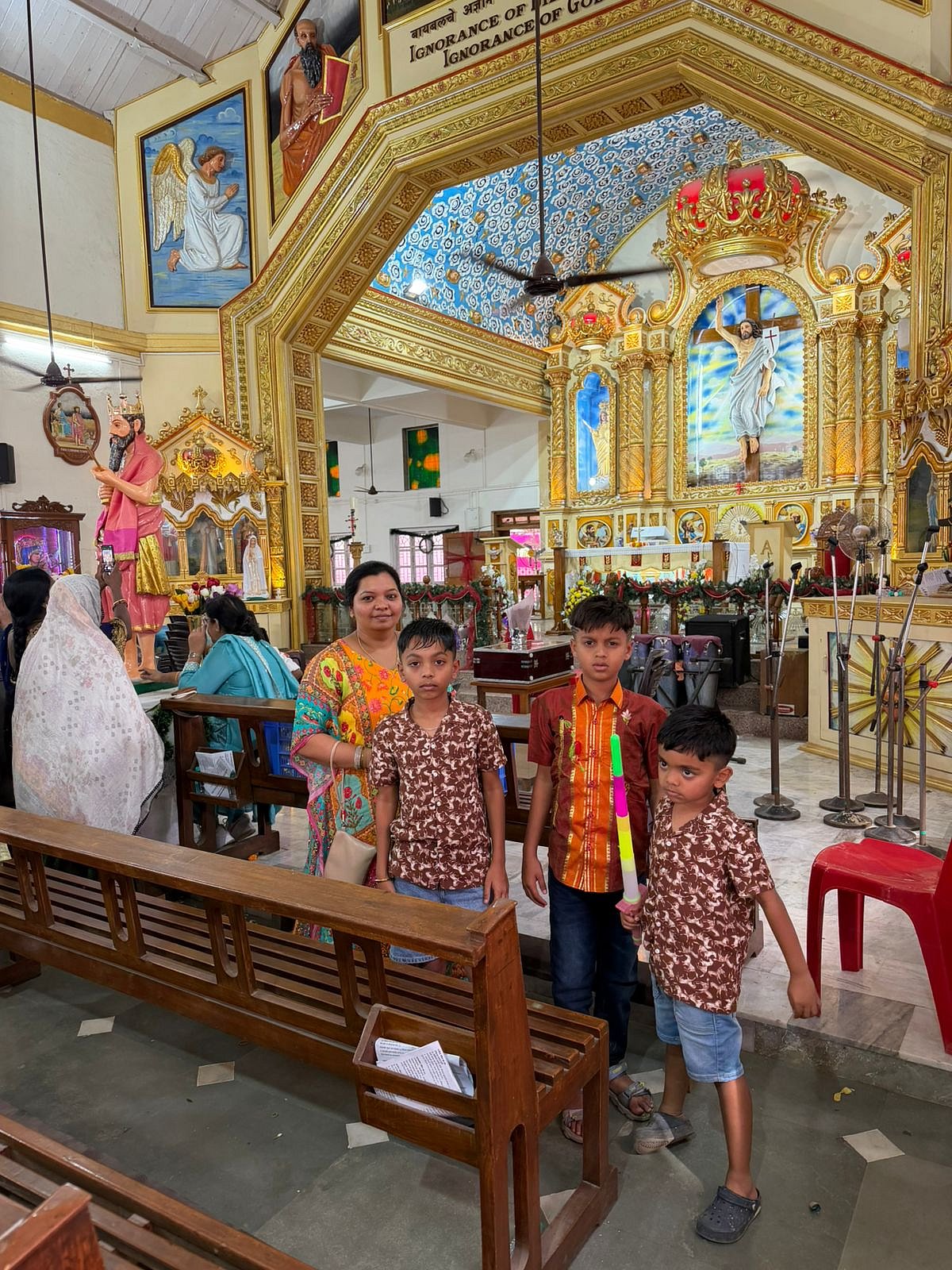
The festival, called 'Kashi-Mira Cha Sann'
marks the anniversary of the third structure built at the site which was blessed and opened for public worship on December 26, 1926. Though the feast day or birthday of the church's patron saint, St Jerome, is in October, the residents of the twin villages of Kashi and Mira, the village after which the suburb of Mira Road is named, continue to be celebrate the church building's inauguration as the annual festival. The festival is held on the day after Christmas.
The church stands on a hill between the gaothans, Kashi, spelt as Cassi in the Portuguese period and Mira or Mirem. Portuguese Franciscan priests selected this site between the two villages and built their first church edifice in 1595. According to local history, a beautiful wooden structure was built by local carpenters and this building stood for 23 years till it was destroyed in a cyclone in October 1618.
The second church structure was built 1628 besides the ruins of the old church. By 1630, the parish comprised the residents of Kashi, Mira, Sanbojapal, Chene, Bandonli, Baroli and Tantoli. This church was destroyed in 1739 during the Maratha attack on the Portuguese in the Vasai region.
St Jerome’s Statue and Symbolic Cross Endure Through Centuries
The statue of St Jerome was saved from destruction and placed on the main altar of the third church structure that was built 187 years later in the year 1926. In front of the old ruined church is a cross about 386 years old and in 1926 a new cross was erected in front of the new church, said Bosco Patel, coordinator for Mobai Gaothan Panchayat, the community group that is trying to preserve their unique traditions, dating back to m the 16th and 17th centuries.

When Portuguese missionaries converted locals castes to Roman Catholicism
"Irrespective of caste, creed and religion, people of all faith seek blessings at this church which has historic relevance. Several years ago a severe epidemic of plague griped the region, people from all religion sought refuge in the church seeking divine intervention and were saved," said Patel, explaining the significance of the festival.
On the feast day, a fair is held and is attended by thousands from all over Salsette, the old name for the island that is now Mumbai's western and central suburbs (except Chembur which was on another island; Vasai (Bassein) and Thane districts.
Mario Gracias, a resident of Kharodi, Malad, visited the fair with his in-laws who are from Manori. Gracias said that in the past, farmers and toddy tappers from Dharavi Beth, the local name of the island that includes the sea coast from Manori to Uttan, travelled in carts to the fair. "We are preserving that tradition. It is a time for prayers and also an ocassion to enjoy food and dance. They had to travel in bullock carts (reklas) and horse carriages (tongas) a day earlier to reach the church in time for the prayers," said Gracias who travelled in a cart owned by a relative, Zicco Morris Kinny from Manori.
To get details on exclusive and budget-friendly property deals in Mumbai & surrounding regions, do visit: https://budgetproperties.in/

