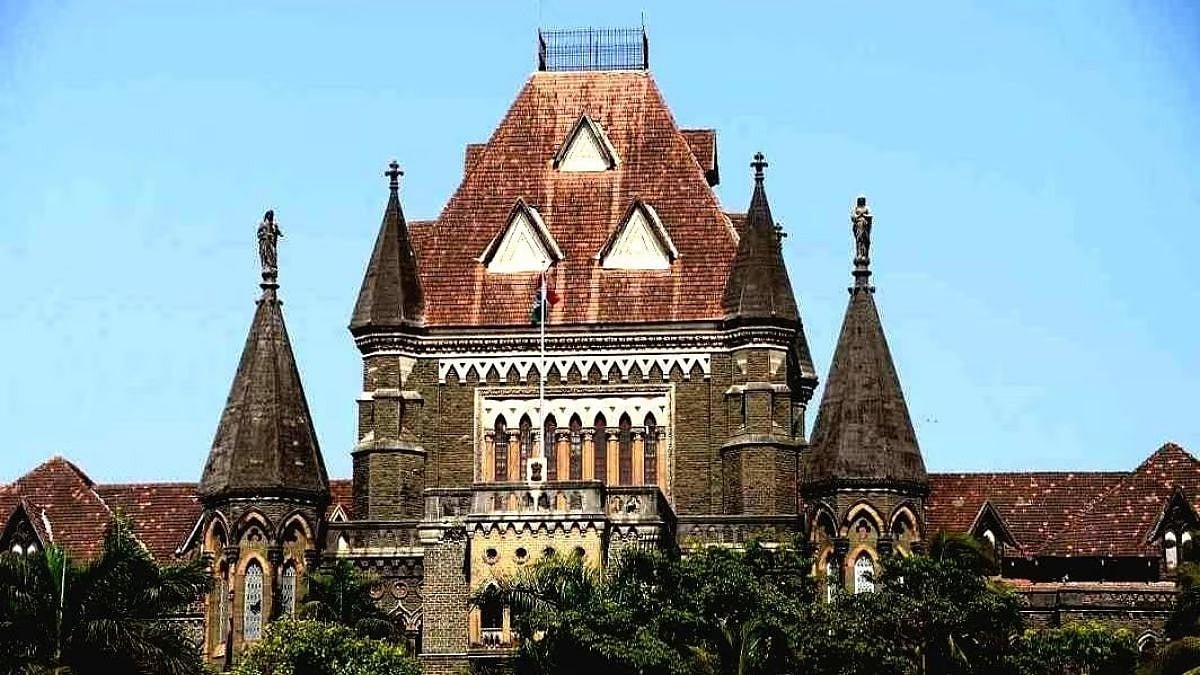
Mumbai: The Bombay High Court has held that creditors are not required to obtain a court decree before filing claims with the Official Assignee after a person is declared insolvent.
Justice Jitendra Jain said the Official Assignee cannot refuse to consider a claim simply because it is not supported by a decree or final order of a court. The judge said the Presidency-Towns Insolvency Act, 1909, does not make a decree a pre-condition for filing a claim.
The ruling came while deciding a legal question that arose in two insolvency matters involving members of the Jaising family. The Official Assignee had taken the view that claims could be accepted only if they had already been decided by a court or another competent authority.
After examining the provisions of the Insolvency Act, the High Court held that the law refers to “creditors” and “debts” and not only decree holders. It also noted that a creditor can initiate insolvency proceedings without first obtaining a decree.
“The insistence upon a decree or a final order by the Official Assignee at the time of making a claim... is erroneous,” the court said in an order passed on July 2.
The High Court clarified that this does not mean every claim has to be accepted. The Official Assignee must examine the documents and evidence submitted by the creditor and decide whether the claim should be admitted or rejected.
“The Official Assignee has to independently examine and verify whether such a debt is payable at all and, if so, to what extent,” Justice Jain observed.

The court also dealt with cases where a creditor's recovery proceedings are already pending before another court or tribunal. It said the creditor should still lodge the claim with the Official Assignee and inform it about the pending proceedings. The Official Assignee can then consider the claim after the competent court decides the dispute.
However, the High Court made it clear that the Official Assignee cannot take over or decide cases pending before other courts or tribunals. Those proceedings must continue before the appropriate forum.
The court said the purpose of insolvency proceedings is to ensure that all creditors get an opportunity to recover their dues and not only those who already hold court decrees.
To get details on exclusive and budget-friendly property deals in Mumbai & surrounding regions, do visit: https://budgetproperties.in/

