
Mumbai, Feb 21: The Bombay High Court has directed the Maharashtra government to expeditiously hand over possession of land earmarked for burial grounds to the municipal corporations of Thane and Mira-Bhayander, observing that the long-pending shortage of burial space for Christian and Muslim communities remains unresolved despite repeated assurances by authorities.
Order passed while disposing of PILs
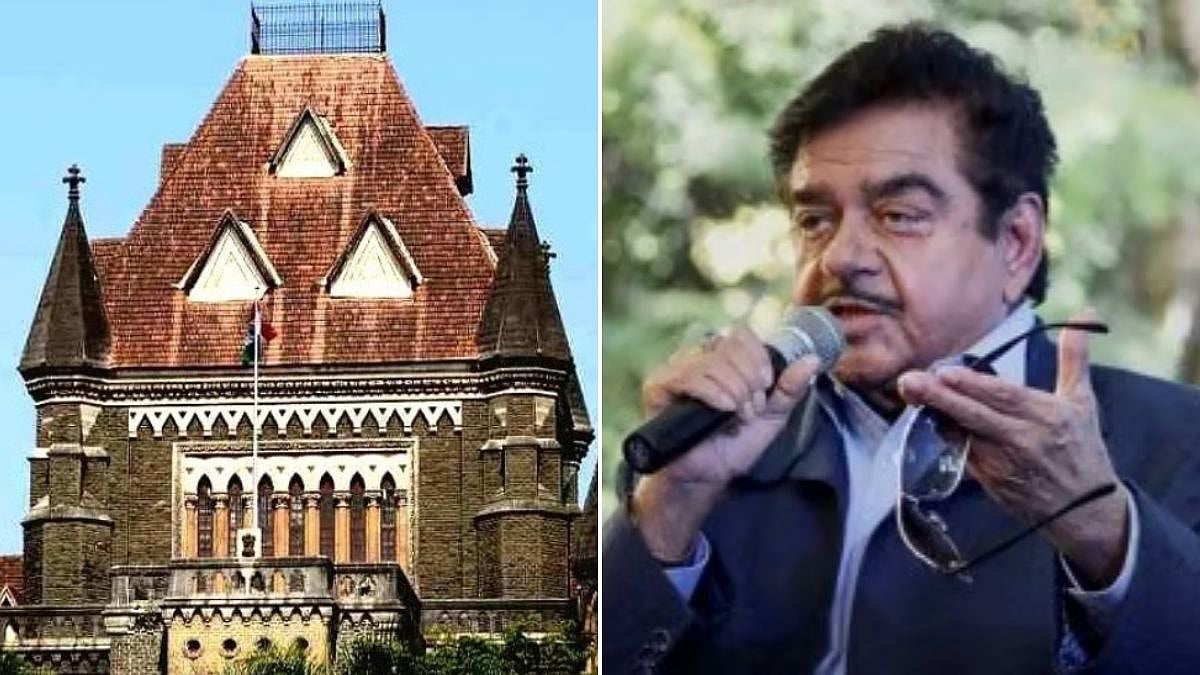
A bench of Chief Justice Shree Chandrashekhar and Justice Suman Shyam passed the order while disposing of two public interest litigations highlighting the acute lack of burial facilities for Christian, Muslim and Bohra Muslim communities in the Thane region.
The court directed that possession of land already reserved in the Development Plan be handed over to the concerned municipal corporations “as expeditiously as possible”, and mandated that construction of burial grounds be completed within two years from the date of possession.
Court notes grievance remains unresolved
“The grievance of the Muslim Community, Bohra Muslim Community and Christian Community, insofar as lack of adequate burial ground is concerned, is far from being redressed,” the bench noted.
Allegations over Bhayanderpada plot
One of the PILs, filed by Thane resident Melwyn Fernandes and others, alleged that a 37,000 sq m plot at Bhayanderpada reserved for a Sayukta Smashanbhumi and Smruti Udyan had effectively remained unavailable for public use as it was allegedly in possession of a private developer.
However, the Thane Municipal Corporation (TMC) denied the allegations, stating that development permission granted to another project was on a separate plot divided by a 12-metre road and had “no concern” with the land reserved for burial purposes.
Plea for ‘Daphanbhumi’ development
A second PIL by a trust — Masjid Madarsa Anjuman Raza-E-Mustafa — sought directions for development of land reserved as ‘Daphanbhumi’ in Mira-Bhayander for burial of members of Muslim, Bohra Muslim and Christian communities.
After examining pleadings, the court observed that the disputes regarding possession and availability of land involved contested facts beyond writ jurisdiction. However, it added that the existence of reservations in the Development Plan demonstrated that the State itself acknowledged the need for additional burial grounds.
Responsibility of state and civic bodies
“Once land has been earmarked and reservation included in the Development Plan, it would be the joint responsibility of the State Government as well as the Municipal Corporation to allocate land and complete the work in a time-bound manner,” the bench said.
The court further directed that if designated plots are unavailable due to encroachments or statutory clearances such as CRZ permissions, suitable alternative land must be identified within three months as a stop-gap arrangement following due process of law.
Also Watch:
“We also provide that if the designated plots are not readily available for any bonafide reason such as encroachment, want of statutory or CRZ clearance, then in that event, as a stop-gap arrangement, suitable alternative land be earmarked in the vicinity, by the Corporation, for burial grounds, by following the due process of law,” the bench said while disposing of the PILs.
To get details on exclusive and budget-friendly property deals in Mumbai & surrounding regions, do visit: https://budgetproperties.in/

