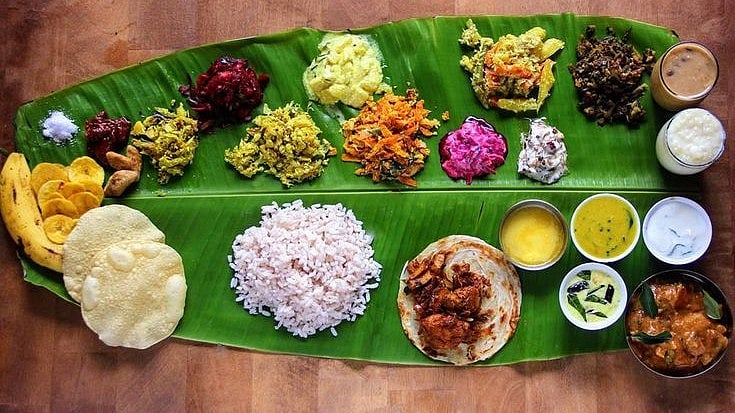
Vishu is one of the most important festivals which is prominently celebrated in the Indian state of Kerala. The festival marks the traditional New Year for Malayalis. It follows the solar calendar, when the Sun enters the zodiac sign of Aries, known as Mesha Sankranti. The festival symbolises new beginnings, prosperity, and hope for the year ahead. In the Malayalam calendar, New Year starts on the first day of Chingam. However, people in the Malabar area consider Vishu as the astrological New Year.
About Vishu
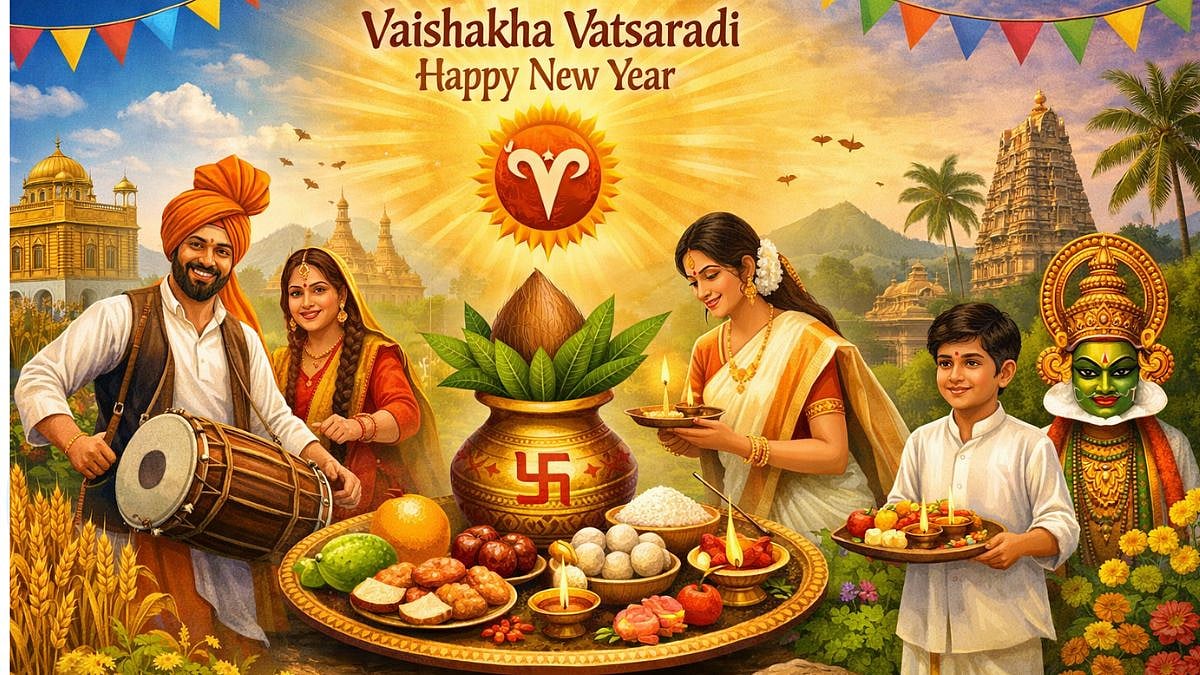
Vishu is the Malayalam New Year which is mostly celebrated in Kerala and neighbouring areas of Tamil Nadu and Karnataka. The most significant ritual of Vishu is the preparation of the Vishukkani, which literally means first sight, where families arrange a traditional display of auspicious items like rice, fruits, vegetables, coins, mirror, and the sacred text, placed before an idol of Lord Krishna. It is believed that seeing the Vishukkani first thing in the morning brings good fortune throughout the year.
Vishu 2026: Date and significance
According to Drik Panchang, Vishu will be celebrated on Wednesday, April 15, 2026.
Sankranti Moment on Vishu Kani - 09:39 AM, April 14
Why Vishu is celebrated in Kerala?
Vishu is celebrated in Kerala. It marks the first day of the Malayalam month of Medam. Vishu is deeply rooted in Kerala’s agrarian culture, as it coincides with the harvest season and reflects gratitude for abundance. The festival commemorates Lord Krishna's victory over the demon Narakasura. It also commemorates the return of Surya Dev (Sun God) after the defeat of Ravana.
Tradition
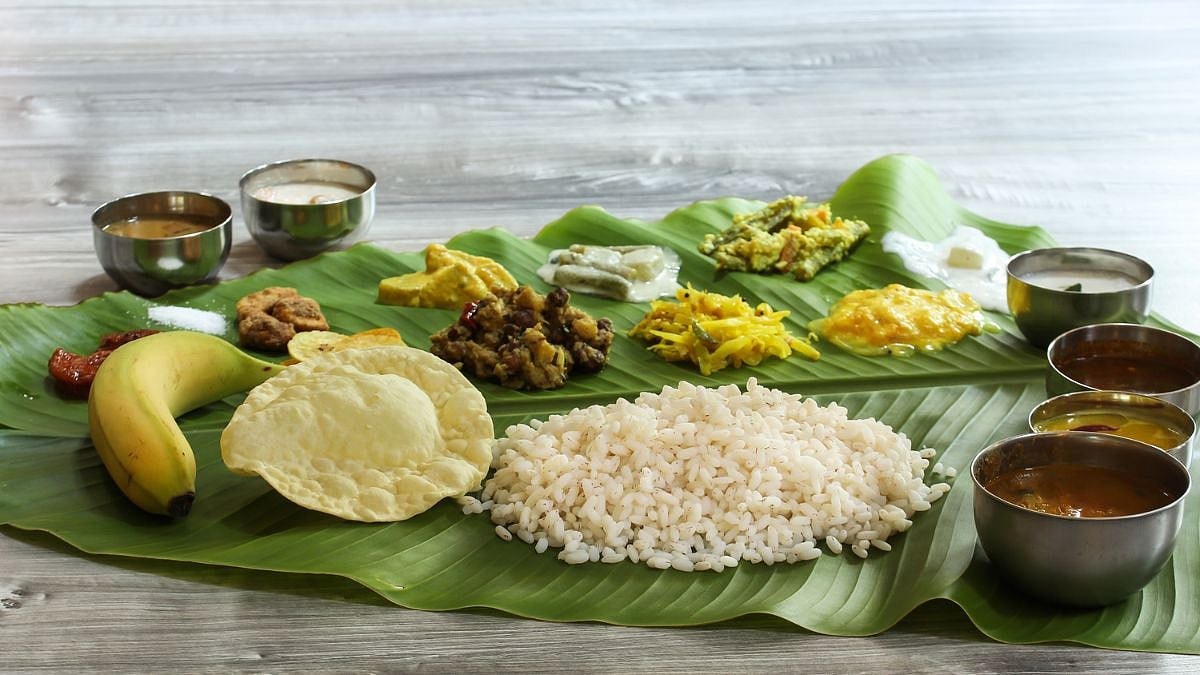
One of the important key traditions of Vishu is Vishu Kaineettam, where elders give money to younger family members as a token of blessings and prosperity. The day also includes lighting oil lamps, wearing new clothes, and enjoying a grand feast called Sadya, which features a variety of traditional dishes.
Fireworks are also a popular part of the celebration. On this day, families come together to celebrate the festival. Overall, the festival represents positivity, renewal, and the importance of starting the year with optimism and devotion.

