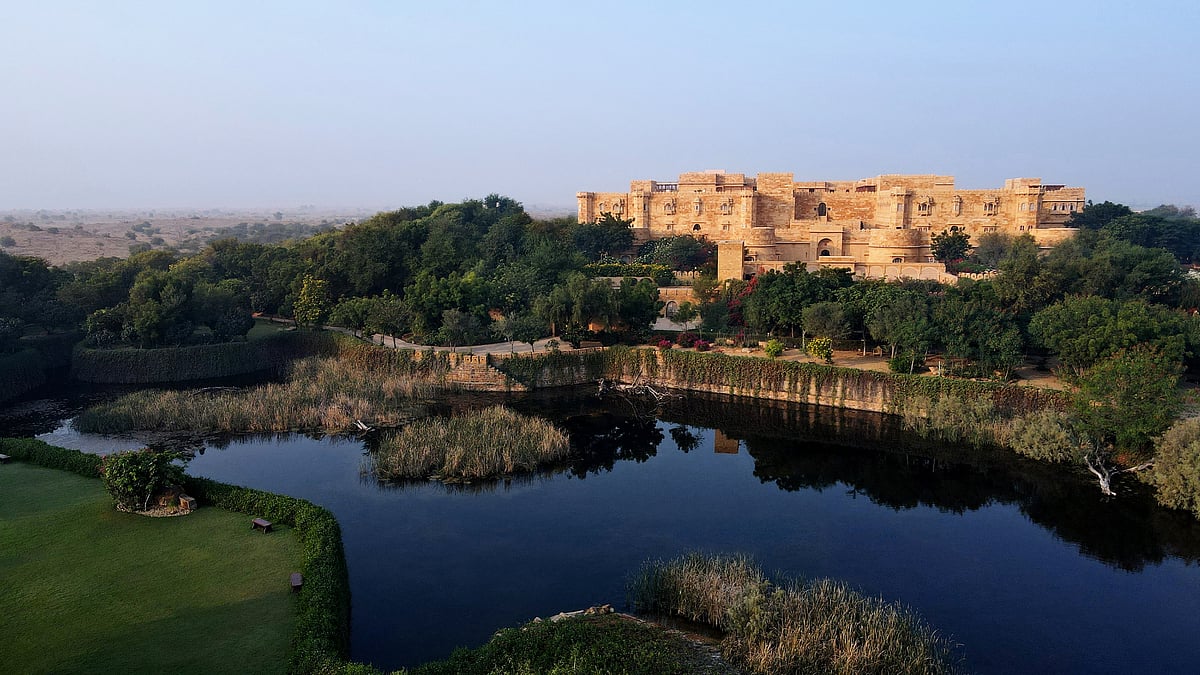
Lately, the notion of a luxury hotel stay has shifted—from being measured by grand lobbies to being defined by what is felt and remembered. Today, the focus is less on grandeur and more on experiences that linger long after departure. In a world where luxury travel is increasingly defined by scale and opulence, a quieter, more meaningful movement is taking shape. One that has less to do with marble and more to do with memory. In this new landscape, independent hotels—once seen as niche—are emerging as the true custodians of modern luxury, offering something large brands are still struggling to master: individuality with soul. Mark Wong, Senior Vice President, Small Luxury Hotels of the World, explains why independent hotels are shaping the next chapter of global luxury travel. For Wong, this shift is neither sudden nor unexpected; it has been quietly unfolding for decades, long before ‘experiences’ became the industry’s most overused buzzword.
After decades of travelling the world to scout boutique hotels—from country mansions, remote private islands, city-centric sanctuaries, and stylish ski resorts—and curate one of the most influential independent hotel portfolios globally, what still excites him most about discovering a new property isn’t architecture or location. It’s people. Luxury, in his view, has never been a transactional endeavour.
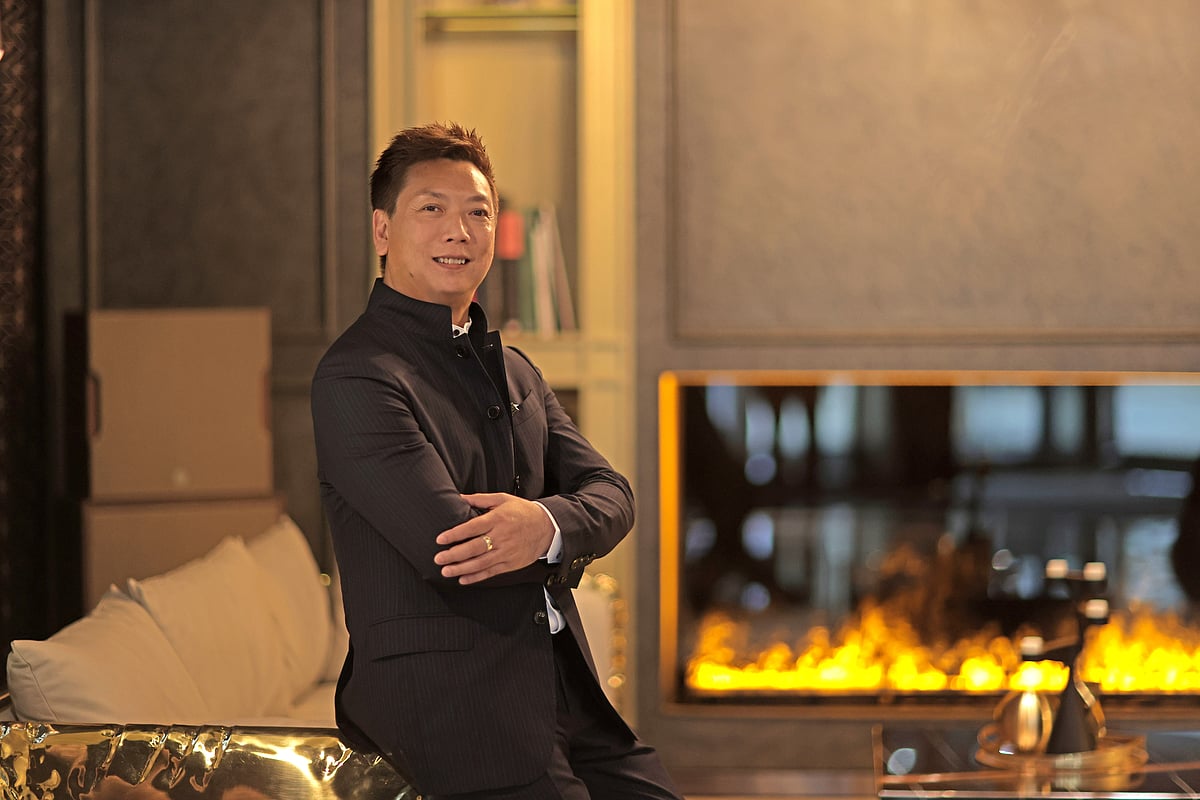
Mark Wong, Senior Vice President Asia Pacific, Small Luxury Hotels of the World |
“It’s always a new adventure when I go to a new destination or a new hotel. What excites me most is the people that I meet,” he says. He speaks warmly of owners who open not just their hotels, but their homes. Of being welcomed as family rather than as a corporate visitor. “That human element is something you don’t get through a business transaction. Every time I visit a new hotel or a prospective one, it’s like making a new friend.”
Which is why he draws a clear line between travel and business travel. “People say, ‘Oh, you go on all these trips like a business trip.’ I say, no—it’s almost like visiting family and friends.”
Small, by design
On paper, the numbers suggest scale: around 650 hotels across 90 countries. Yet he is quick to point out that, in spirit and structure, they remain a small hotel group. Behind every exceptional hotel they pick, there is a discreet team of 100 mystery inspectors—true travel insiders, trained personally to recognise excellence. “We operate as a very independent organisation,” he says. “We champion each hotel’s individuality and look at each one as a single hotel.” That mindset, he adds, translates directly to the guest experience. Every stay is personalised. Every guest is treated as an individual. “That’s a mentality that big hotels are not able to replicate,” he notes. Being small allows flexibility—an ability to adapt services and hospitality to the guest rather than the other way around. “When guests leave, we want them to feel they’ve experienced that destination and that hotel—and that they take those memories home with them.”
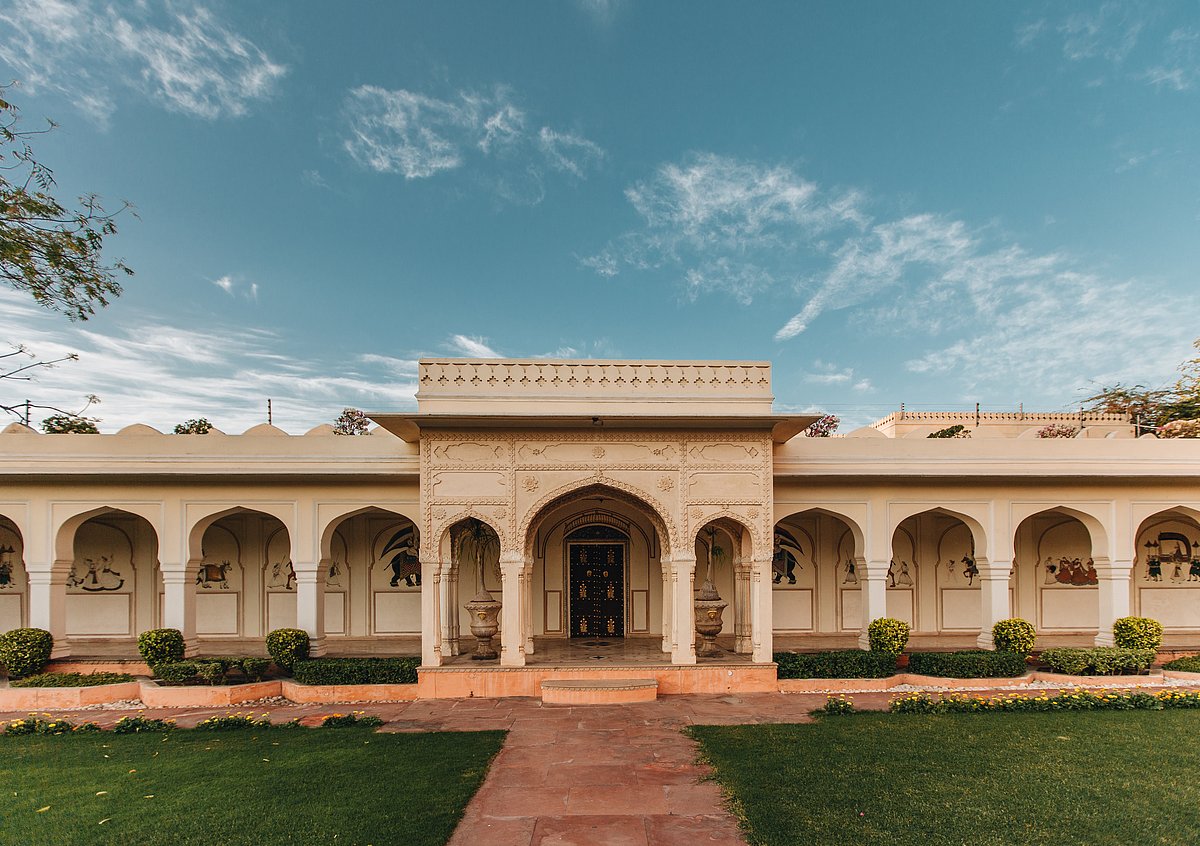
The Raj Palace, Jaipur |
Experiences without a script
Long before ‘experiences became a trend, this philosophy was already embedded in SLH’s DNA. “We’ve been talking about this since we conceived 35 years ago,” he says. “Now people talk about it as something new.” The difference lies in scale and intent. Experiences at our hotels are not packaged or prescriptive. Guests aren’t told what they must do.”
Well-being is one of the most personalised examples within SLH collection. Through the Wellbeing Collection—launched last August with 15 hotels—journeys are tailored to the individual. From Forestis in the Dolomites to the Bhutan Spirit Sanctuary and Keemala in Phuket, hotels claim to support physical, mental, and emotional health, going beyond the traditional spa hotel. “Every person’s health is different,” he explains. “So, we customise the diet, the therapy, the whole journey.” These programmes focus on longevity and preventive wellness rather than indulgence alone. Adventure hotels follow the same principle. From mountain climbing to water resorts, programmes are adapted to individual preferences. “Our guests are very discerning; they know what they want. Bhutan is a case in point. Entire journeys—from arrival to departure at the property—are curated to suit the guest’s preference for an intense or relaxed experience. High impact, low impact, or doing nothing. The choice is there.”
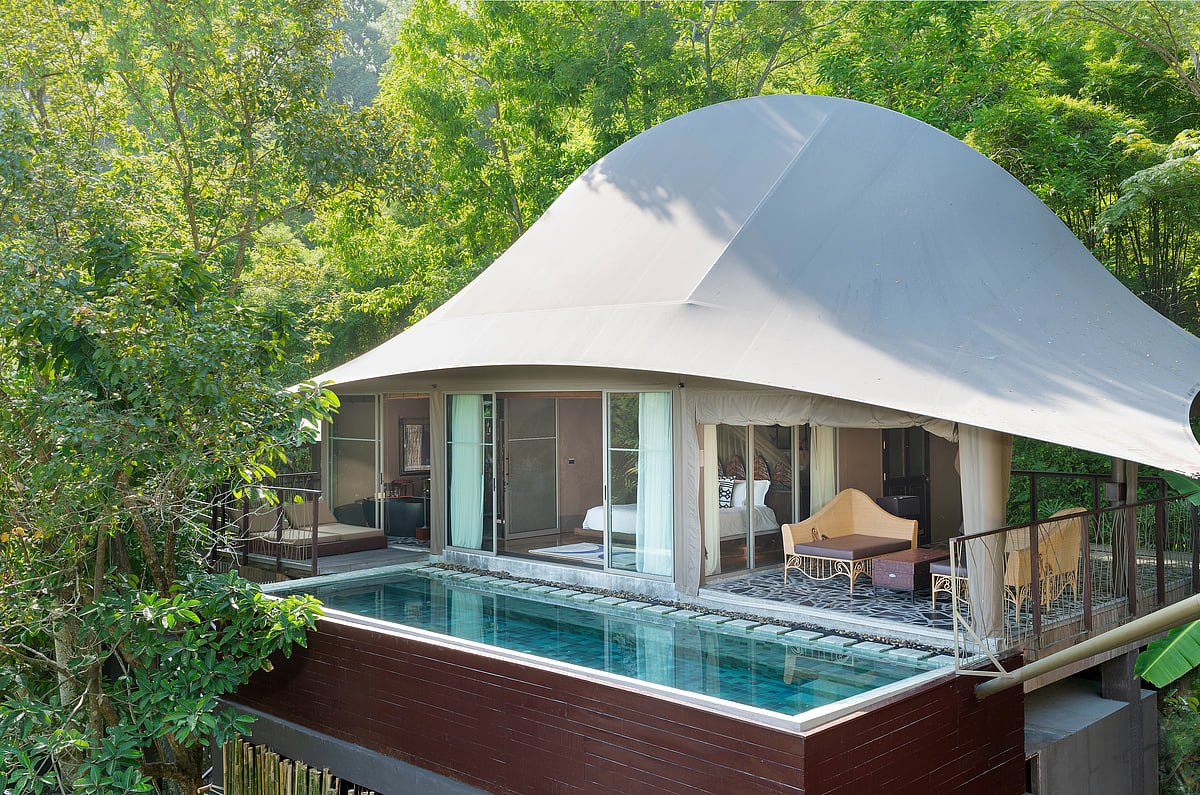
Keemala, Phuket |
Time, the new luxury
The evolution of luxury travel, he believes, has moved decisively away from material opulence. “Now people are looking at the luxury of time.” Time well spent, choices well made, and experiences that feel meaningful. Luxury, he adds, is intangible. A weekend or a week is a precious investment, and maximising that time is essential. “If guests leave with memories that last, that’s mission accomplished.”
Strict standards
Independence, however, does not mean a lack of standards for the group. They are highly selective about who they include in their portfolio. “We’re not about volume,” he says. Hotels must be characterful, but they must also operate at the highest level of luxury and quality. Guests book with confidence knowing that these hotels have been vetted. Quality is monitored through an annual mystery inspection programme. “We are quite strict,” he says. “And yes, we do terminate contracts if hotels fall behind.”
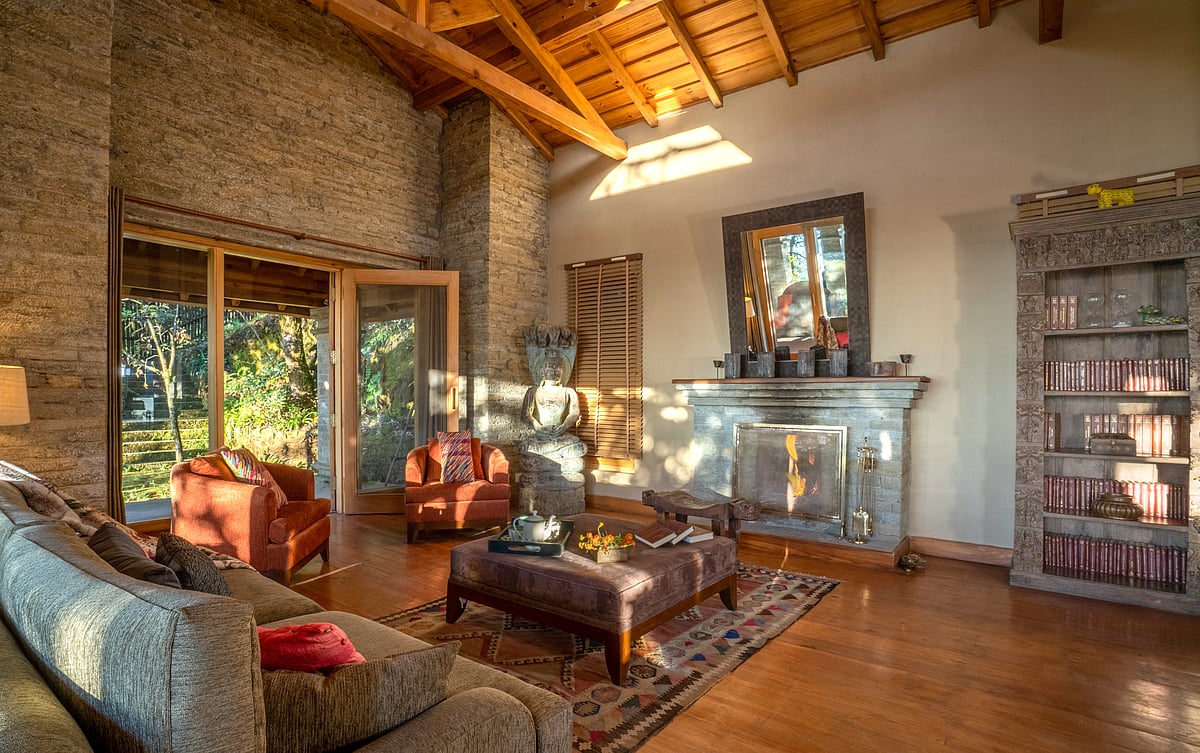
Mary Budden Estate, Binsar |
India: a new chapter
India is a new frontier for SLH as they re-enter the market. Mary Budden Estate in Binsar, The Raj Palace, Brij Lakshman Sagar, Narendra Bhawan Bikaner, Suryagarh Jaisalmer, and Amaya in Solan are already a part of SLH. For years, Indian travellers have engaged with the brand through its properties in France and Italy—regions where the portfolio is strong. “Hopefully, when they see our new hotels in India, they’ll recognise the brand and realise they can experience that level of hospitality without travelling far. India is a new frontier for us; we want to showcase destinations that domestic travellers don’t always explore.” For independent Indian hotel owners, affiliation also offers a badge of credibility—an assurance of quality and service.
Community-led luxury
A growing number of travellers, he notes, are younger, more adventurous, and more experiential. They’re seeking engagement rather than passive stays. This is where their Considerate Collection comes in—properties focused on sustainability, culture, and community. Experiences here are not commercially driven. They are rooted in genuine relationships. From Barracuda Hotel & Villas in Brazil, which offers a close enough flavour of Bahian life or Brij Lakshman Sagar that combines slow living and wild luxury in the romantic Rajasthani hills, to Casa de Uco, a beautifully designed retreat, dedicated to the art of wine culture, staying glocal has been at the heart of the experience. Whether it’s entering a village home or having a one-on-one conversation with a monk in a monastery, these moments are made possible by trust. “They come from the heart, not from commerce,” he says.
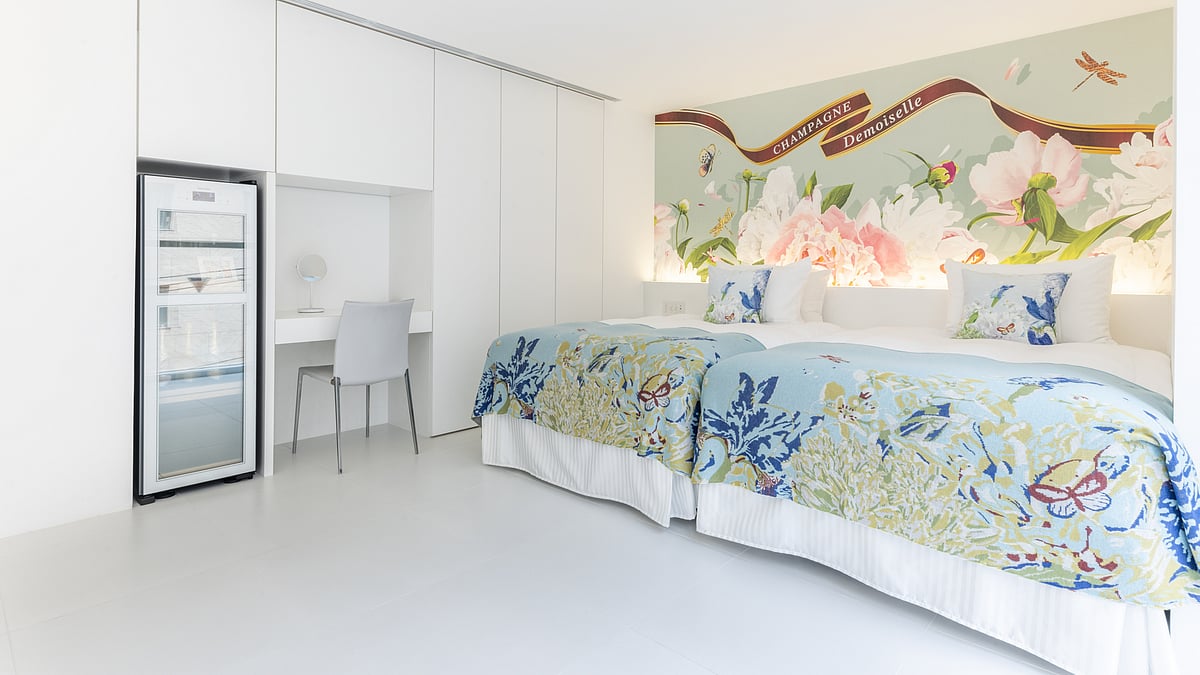
Cuvée J2 Hôtel Osaka by Onko Chishin, Osaka |
Redefining boutique
Boutique hotels, he believes, are still misunderstood. “People think boutique just means small. That it lacks facilities or luxury.” For us, true luxury lies in immersion.” Every hotel within the SLH portfolio reinforces this philosophy: individuality is championed, and each property is treated as a singular, independent hotel. Smaller hotels, he explains, are inherently more adaptable—better equipped to respond to special needs, whether dietary preferences or physical, cognitive, or visual disabilities—areas where large hotel chains often struggle to deliver the same level of sensitivity. Inclusion is an increasing priority for independent hotels, extending to the creation of safer and more welcoming spaces for LGBTQ+ travellers. “It’s about human attention,” he says. “Being seen, and being understood.”
The power of the unexpected
Asked to name properties that truly embody this philosophy, he points to experiences that defy expectations. One is the champagne-themed Cuvée J2 Hôtel Osaka, where champagne is thoughtfully paired with sushi and the kitchen is led by a female sushi chef. “It’s not gimmicky,” he says. “It’s well thought out.” Another is a wellness sanctuary in the Dolomites, Italy—part retreat, part refuge—anchored in mindfulness and an intimate connection with nature. Then there’s a vineyard in China, where the atmosphere feels unmistakably French, even though you’re deep in the Chinese countryside. “It’s these unexpected moments that redefine luxury today. Not excess, but surprise. Not scale, but soul.”
In a world growing louder by the day, this vision remains quietly radical: that the future of luxury lies in independence, integrity, and deeply human connections.
