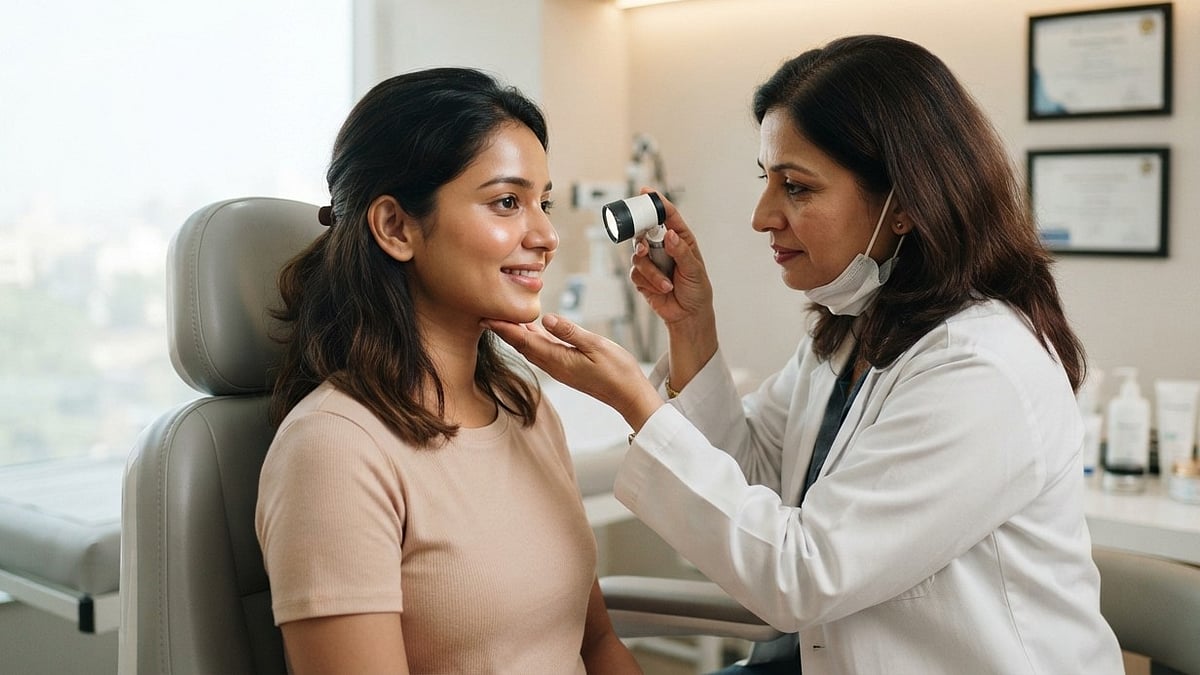
Aesthetic medicine is a branch of dermatology that focuses not only on the general health of the skin but also on its appearance. It uses non-surgical and minimally invasive techniques to address skin problems, such as pigmentation, acne scars, wrinkles, uneven texture, and premature ageing, usually occurring in the face, neck, hands, or body.
For quite some time, aesthetic medicine has been all about making surface corrections to any visible skin problems or enhancing facial features, and while this technique has proved to be quite effective, the trend is now taking a different turn. Instead of addressing superficial imperfections visible on the outer layer, regenerative treatments are now getting more attention as they enhance the skin’s ability to self-repair, which ultimately contributes to better skin health in the future.
Wrinkle correction to regenerative medicine
While ageing becomes visible on the surface, it is a biological process that occurs at the cellular level, which is why effective care needs to go beyond the outer skin and address the signs from within. Traditional treatments can address these outward signs of ageing, but regenerative skincare procedures like Harmony Bio-Boost target the root cause. Rather than covering fine lines or correcting sagging skin, these newer approaches nourish the skin’s own repair systems using the power of biostimulation that not only encourages collagen production but also helps the skin stay firm.
The focus of regenerative medicine is less on quick correction and more on creating conditions where the dermis (the outer layer) can renew itself more effectively. These approaches do not try to replace the skin’s natural processes; instead, they work with them.
Building skin quality
The stronger focus on regeneration has also led to more personalised treatment planning. Skin does not age in the same way for everyone, so one fixed approach is no longer enough. Practitioners are combining therapies to address texture, volume, tone, and resilience in a more balanced way. This often involves customising different treatments rather than depending on one approach to do everything. Holistic skin health is also becoming part of the bigger picture. Ultimately, in the search for natural aesthetic outcomes, people no longer emphasise how the skin appears from the outside, but how well it is supported from within.
Why are patients looking ahead?
Today’s patients are more informed than ever before. Easy access to information has created a better understanding of how skin changes over time and what contributes to those changes. As a result, consultations are getting more focused on dermis health, ageing patterns, and long-term maintenance rather than a single cosmetic concern. This shift reflects a growing understanding that healthy skin is built over time and that lasting results come from supporting the structural integrity rather than focusing only on how it looks.
Aesthetic outcomes
Ultimately, the future of aesthetic medicine is not about simply trying to achieve perfection at the surface level anymore. The whole idea is to help the skin perform its function, which finally enables the tissue to rejuvenate naturally. As treatments become smarter and less invasive, the goal is shifting from quick, temporary fixes to prevention and deep, long-term health. In the years ahead, real success won't just be measured by what we see in the mirror, but by how healthy, strong, and resilient the skin remains from the inside out.
(Dr. Veenu Jindal, Founder at RasaDerm MBBS, MD – Dermatology, Venereology & Leprosy, SCE Dermatology (RCP,UK) Dermatologist, Dermatosurgeon, Trichologist)

