A few summers ago, while meandering through the vibrant chaos of Manila’s Quiapo district, I stumbled upon a dessert that looked like a tropical festival had been crammed into a tall glass. It was called halo-halo—a rainbow mishmash of crushed ice, sweetened red beans, nata de coco, strips of jackfruit, cubes of leche flan, ube halaya (taro puree), and even sweet corn, all crowned with a drizzle of evaporated milk. The name? It literally means “mix-mix.”
Mix it I did. And somewhere between the ube melting into the crushed ice and the toothsome surprise of chewy coconut jelly, I realised I had just found my gateway to one of the most charming naming conventions in Filipino food—exact reduplication.
When flavours multiply
What followed was a delicious deep dive into a list of dishes that sounded playful, and more importantly, tasted spectacular.
Take kare-kare, for instance. This hearty stew arrived at my table in Pampanga in a bubbling clay pot, thick with a creamy peanut sauce that clung to generous hunks of oxtail, bringal, string beans, and banana blossom. It came with a side of bagoong—a fiercely salty fermented shrimp paste that somehow brought it all together. The double “kare” sounded whimsical, but the flavour was deeply comforting and earthy. No heat, no fireworks—just a gentle richness that felt like a warm hug.
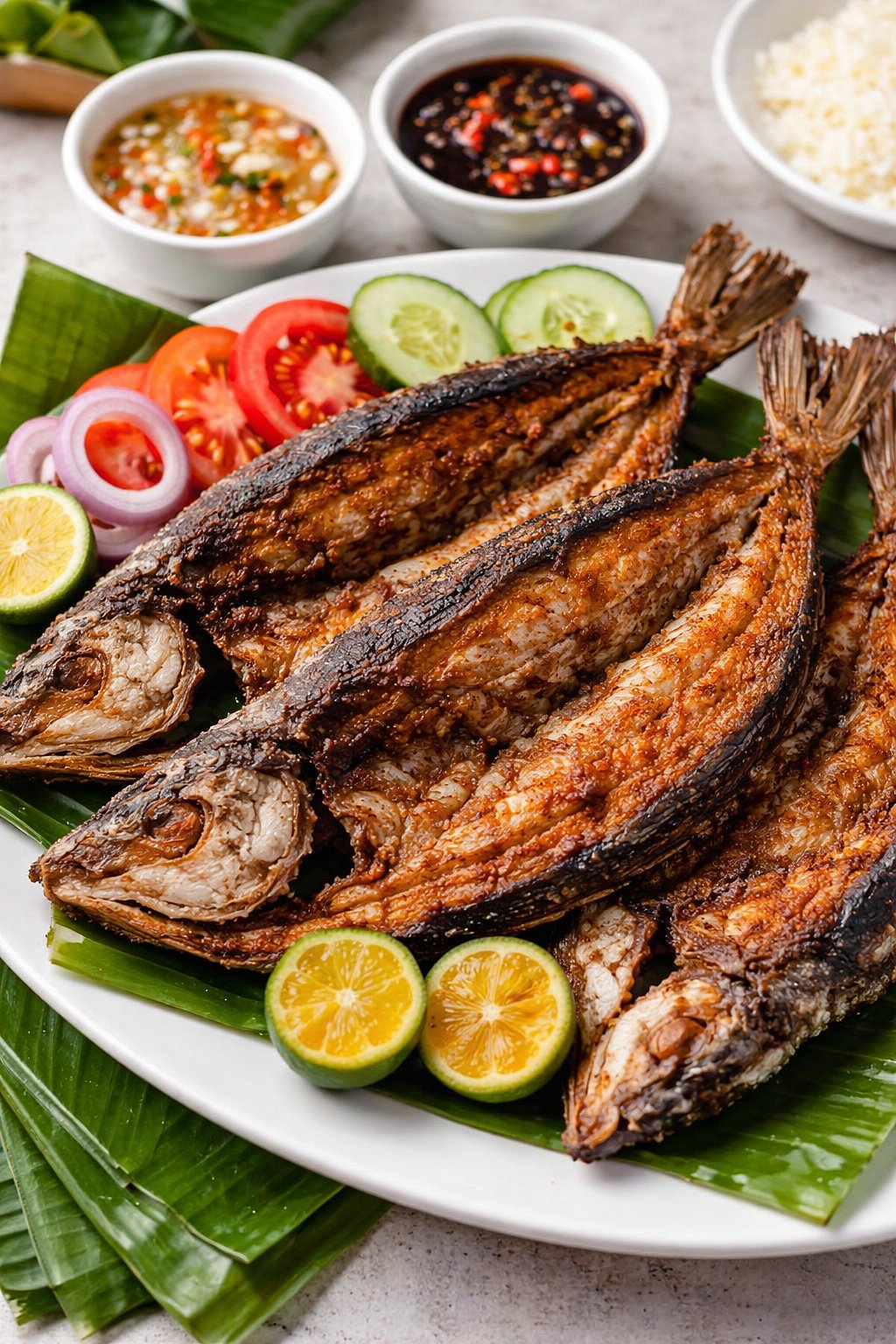
Bangus Bangus |
Then there was sapin-sapin, which I first tried in a small eatery in Iloilo. A sticky rice cake dessert, it came sliced into neat wedges like a technicolour pie—each layer a different flavour: purple for ube, yellow for jackfruit, white for coconut. The name translates to “layer-layer,” and that’s exactly what you get—each bite a subtle, chewy play of texture and sweetness. Often topped with a sprinkle of toasted coconut, it’s a dessert that’s both understated and addictive.
Playful twists
While roaming the crowded lanes of Cebu’s night markets, I came face-to-face with kwek-kwek—a street snack that had me hooked at first crunch. These were quail eggs dunked in a seasoned orange batter, deep-fried until golden, and served skewered on sticks. A side of spicy vinegar dip cut through the richness beautifully. You’ll find them almost everywhere—from market stalls to roadside carts, and they’re eaten with casual fervour by everyone from school kids to salary men. It's one of those snacks that makes you grin even before the first bite.
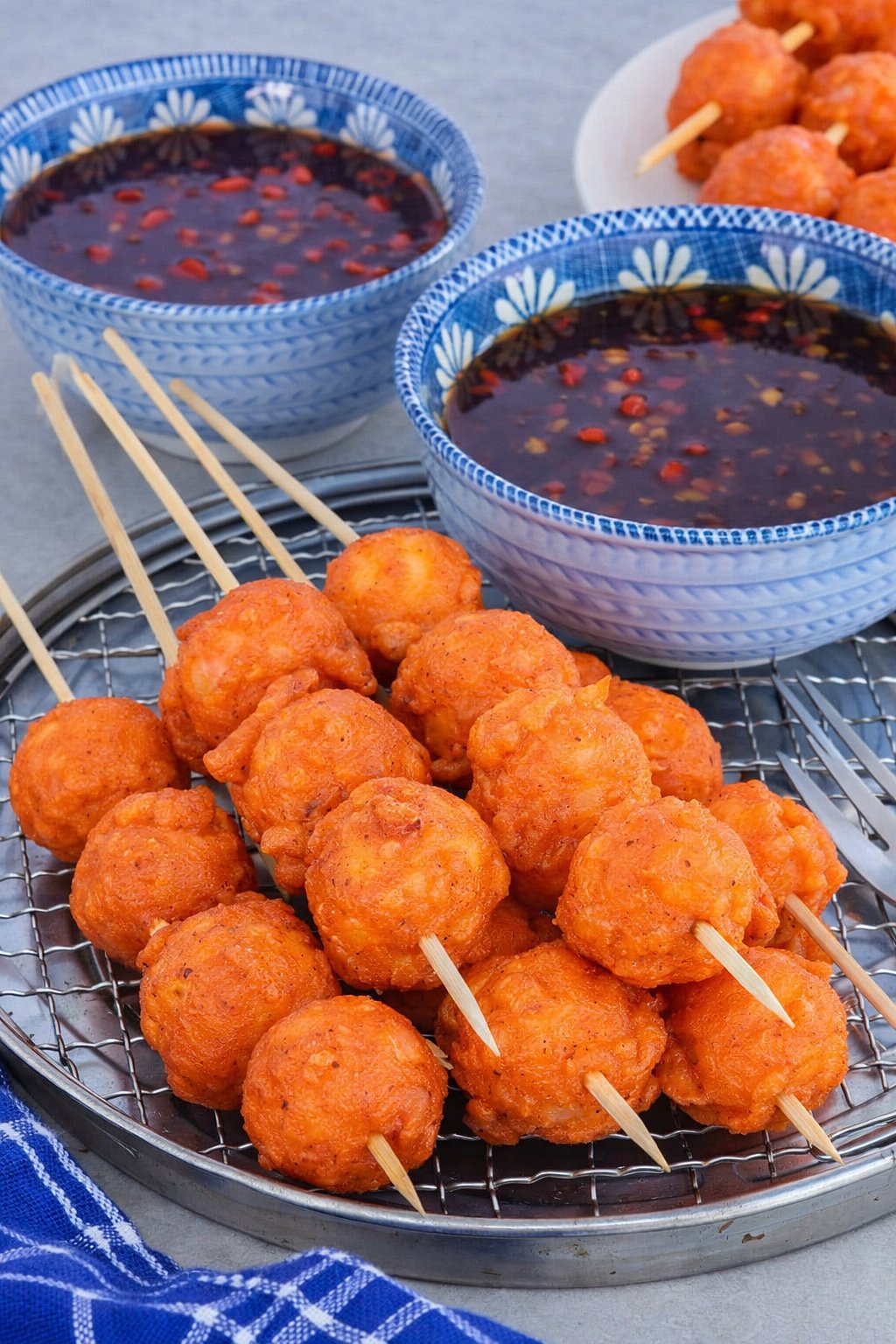
Kwek Kwek |
On another day, I sampled pichi-pichi at a local fiesta in Quezon. These bite-sized translucent jelly cakes, made from grated cassava and sugar, were steamed and rolled in grated coconut. Soft, sweet, and slightly bouncy to the touch, they seemed to disappear off the tray as quickly as they were served. There’s a joy in the simplicity of the dish, a coconut-y nostalgia that reminds many Filipinos of childhood.
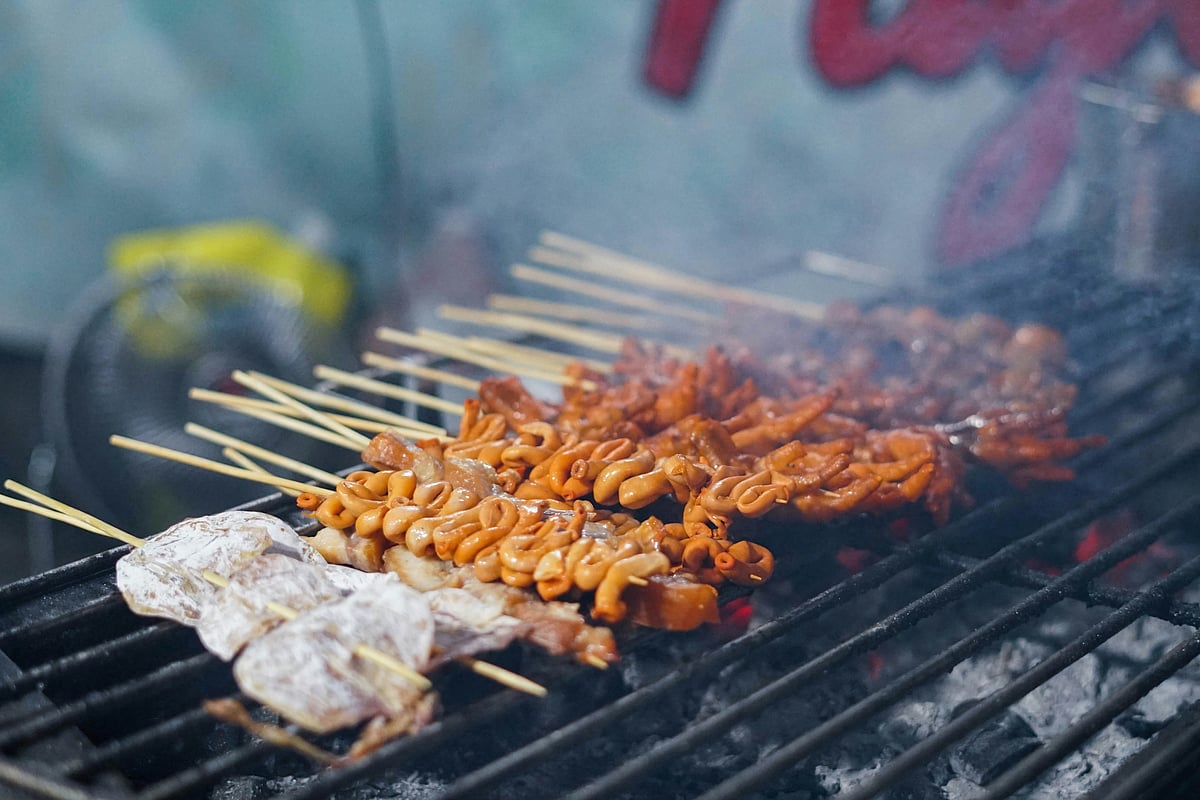
Skewers | Picl: Unsplash
One of the most memorable sweets I tried was palitaw-palitaw, a chewy rice cake that floats to the top of boiling water when ready—hence the name, which roughly means “to float-float.” These were dusted in sugar, grated coconut, and toasted sesame seeds. Warm, pillow-y, and delicately sweet, they were like edible clouds.
Treats galore
Even breakfasts had their share of reduplication. Tapsilog-silog combos abounded—each a mix of cured meats, garlic rice, and fried eggs, with variations like longsilog (with longganisa sausages) or toctosilog (with tocino). But the version I loved most came with bangus-bangus—deep-fried milkfish, crisp on the edges and tender inside, paired with sinamak (a spiced vinegar dipping sauce) and hot rice. A breakfast that demanded a midday nap soon after.
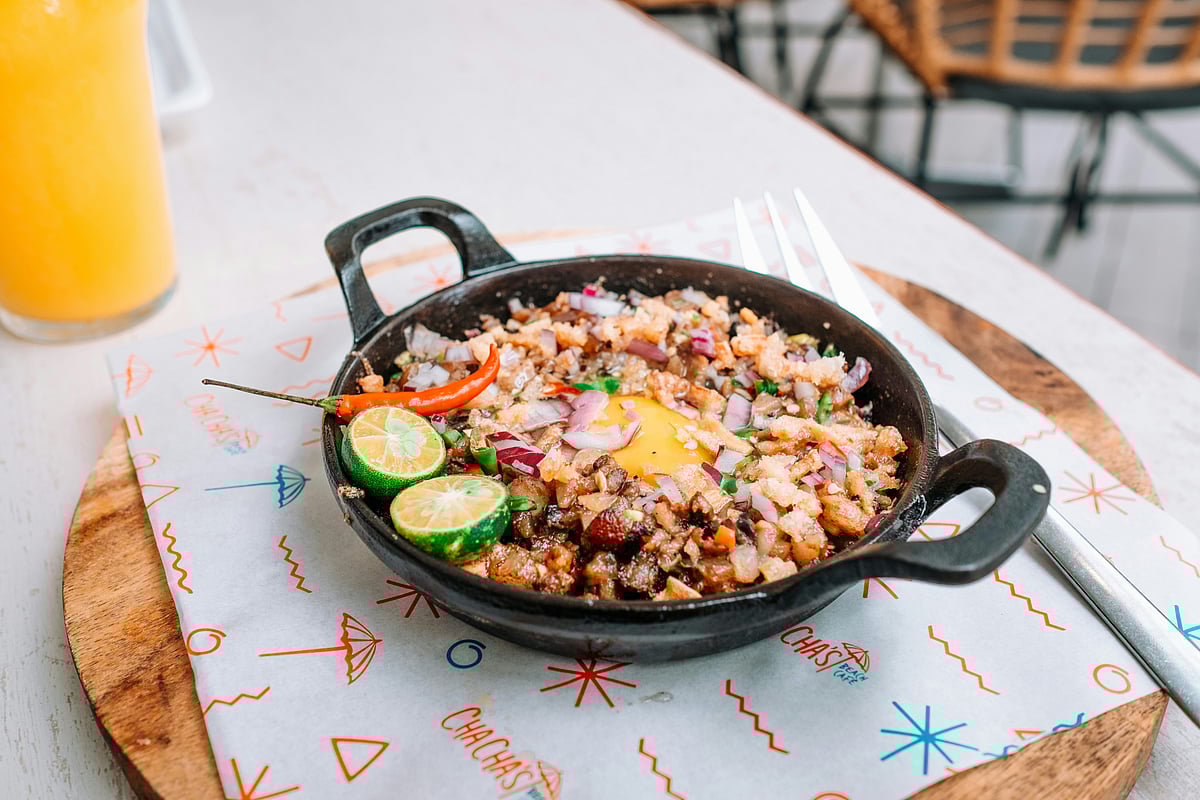
Sisig | Pic: Unsplash
And how could I forget puto-puto—tiny, steamed rice cakes that are a staple in many provinces. Usually eaten as a merienda (afternoon snack) or served alongside dinuguan (a rich pork blood stew), they’re fluffy, lightly sweet, and sometimes crowned with cheese or salted egg.
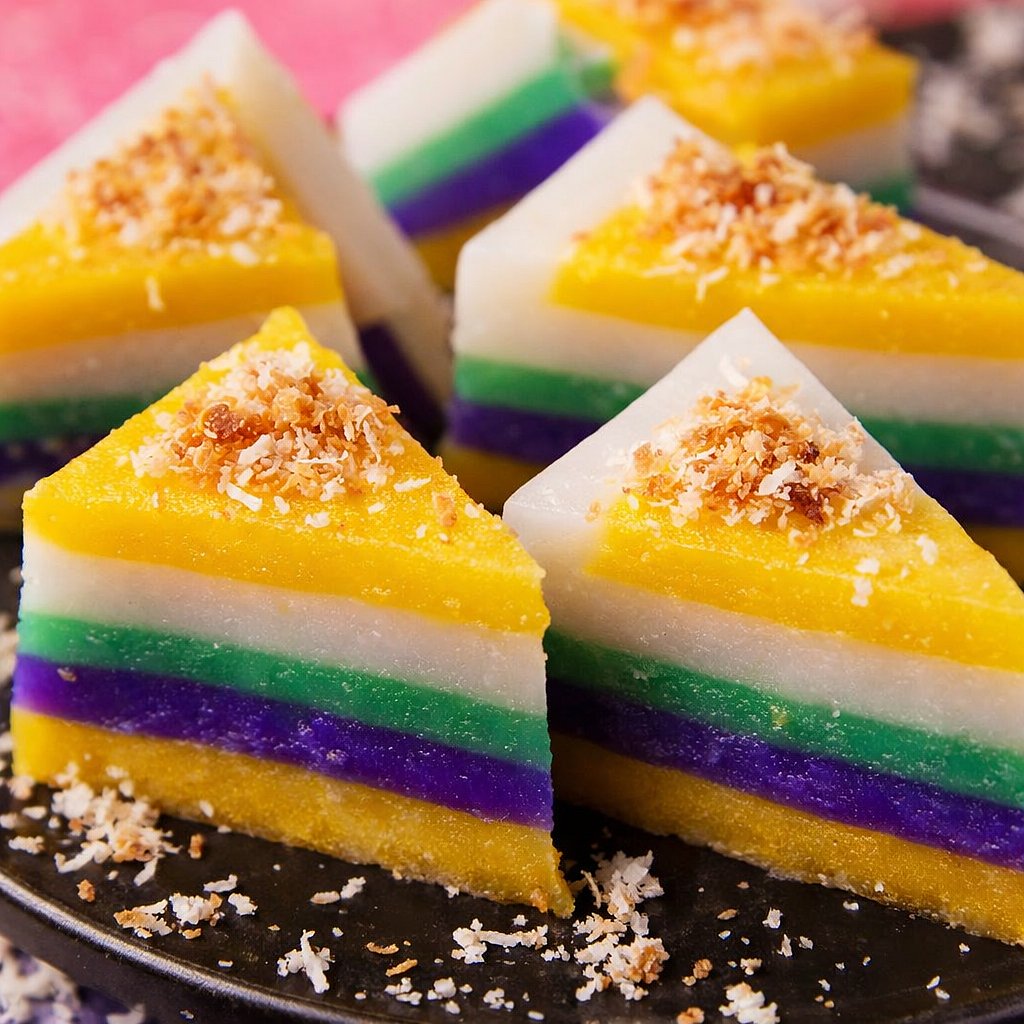
unsplash |
It’s fascinating how these reduplicated names manage to capture the spirit of the dish—whether it’s the motion (halo-halo’s mixing), the structure (sapin-sapin’s layering), or the playful texture (pichi-pichi’s bounce). But it wasn’t the names that won me over in the end—it was the food itself. Each dish offered its own sense of occasion and comfort, from the riotous joy of shaved ice melting under a tropical sun to the golden crispness of street-fried eggs devoured at dusk.
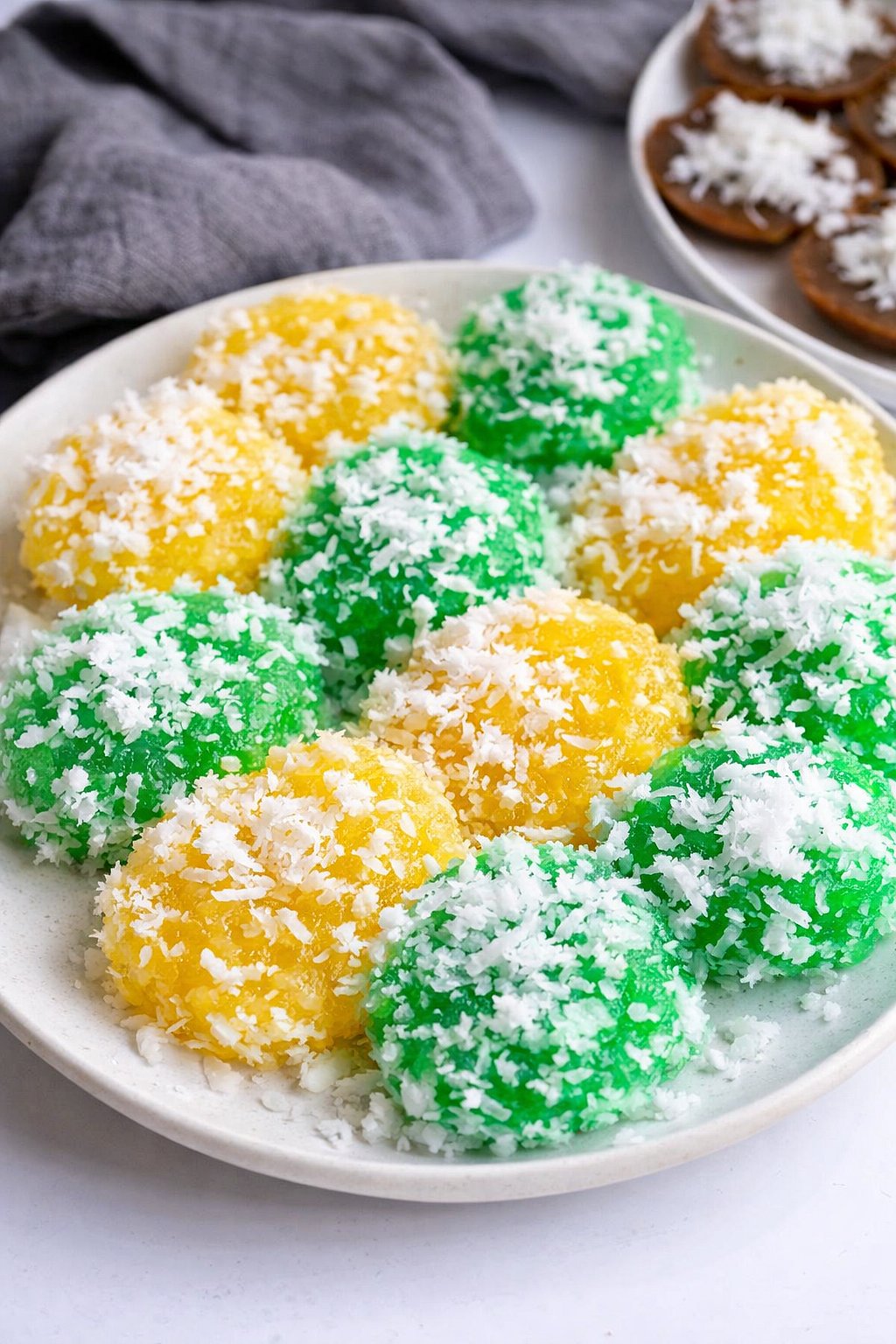
Pichi Pichi |
Back home, whenever I try to recreate these dishes, it’s not just the taste I try to summon, but that feeling of fun, colour, and whimsy that Filipino food does so well. The exact reduplication names might sound playful, but make no mistake—they signal serious flavour and soul.
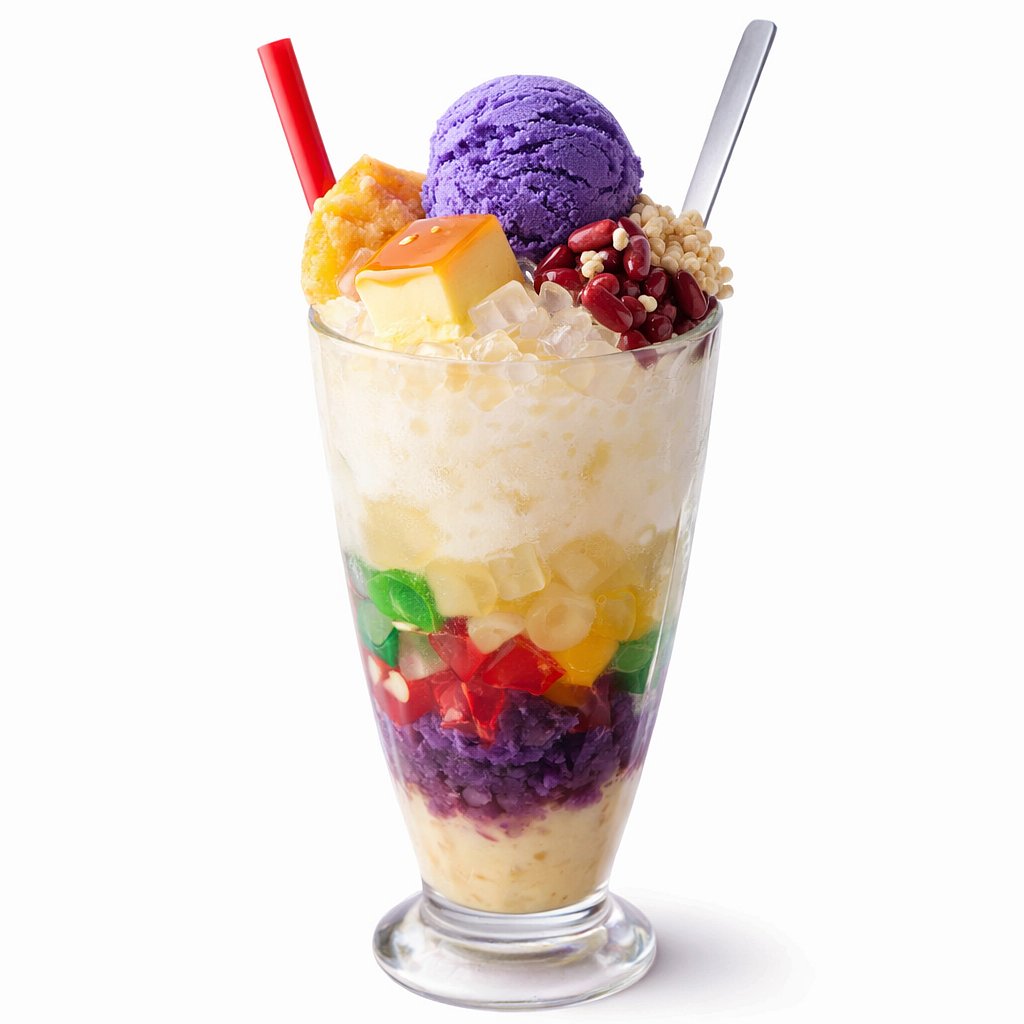
Halo Halo |
So yes, I went to the Philippines expecting to write about lechon and adobo, but I returned with a notebook full of sweet-sounding names—and a belly full of halo-halo, kwek-kwek, and sapin-sapin. And honestly? I'd do it all again. Twice!
(The writer is a food and travel columnist and editor)

