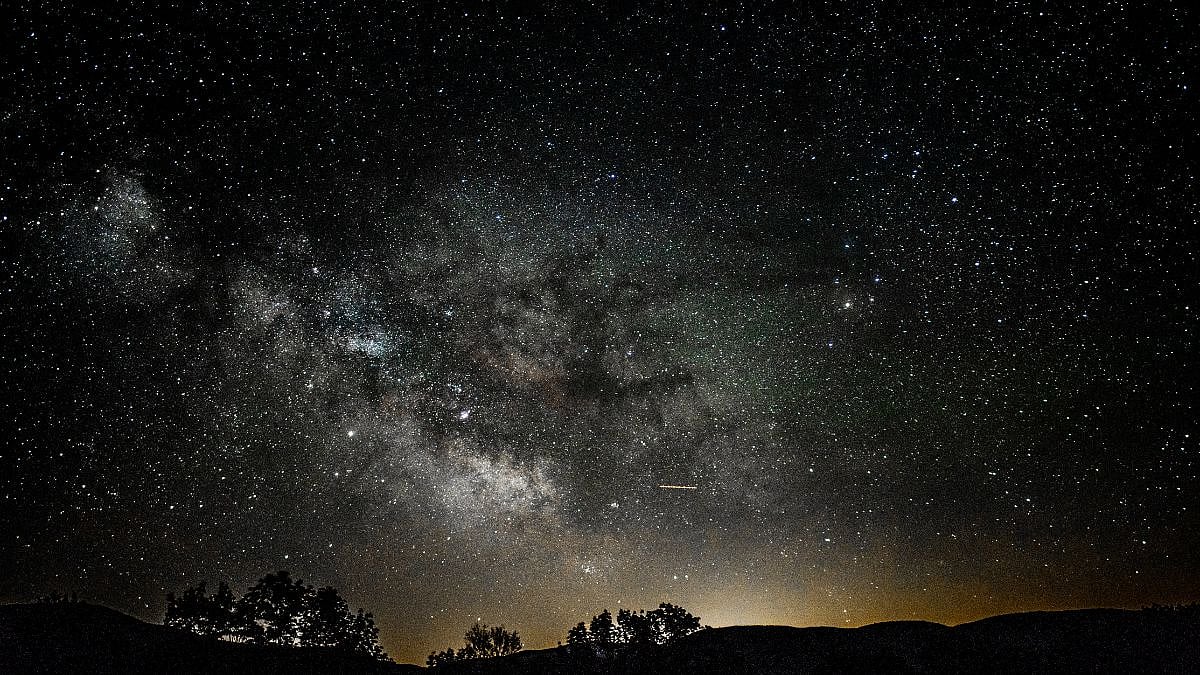
Who doesn't love gazing at stars, their movements, our solar system, galaxy, the Milky Way and the first place that comes to our mind naturally is Ladakh. It is one of the most beautiful places in India. The untouched beauty of India acts as a natural site for sky gazers due to no pollution and good AQI. But, sky gazers don't have to go to Ladakh only because a Dark Sky Park is now also available in Tamil Nadu. It has become Tamil Nadu's first Dark Sky Park. Does it seem interesting to you? Then keep on reading to know more.
About Tamil Nadu's first Dark Sky Park
Tamil Nadu's government has opened the state’s first Dark Sky Park at the Ariyur Shola Reserve Forest in Kolli Hills, Namakkal district. This initiative was inaugurated by Forests Minister RS Rajakannappan. The Dark Sky Park project was announced in the Legislative Assembly on June 25, 2024, and was established at a cost of Rs 1 crore after assessing ecological suitability and sky visibility at the Ariyur Shola Reserve Forest.
Where is Kolli Hills?
Kolli Hills in Tamil Nadu has recently been recognised as the state’s first Dark Sky Park, a designation aimed at protecting areas with minimal light pollution for better night-sky observation. The dark park is established in Ariyur Shola Forest and is located in the Namakkal district of the Eastern Ghats. Kolli Hills sits at an altitude of about 1,000–1,300 metres and is known for its scenic landscapes, forests and winding ghat roads. The Dark Sky Park initiative encourages responsible tourism and promotes astronomy, allowing visitors and researchers to enjoy clear views of stars, planets and the Milky Way. Authorities hope the recognition will boost eco-tourism while preserving the region’s natural night environment.
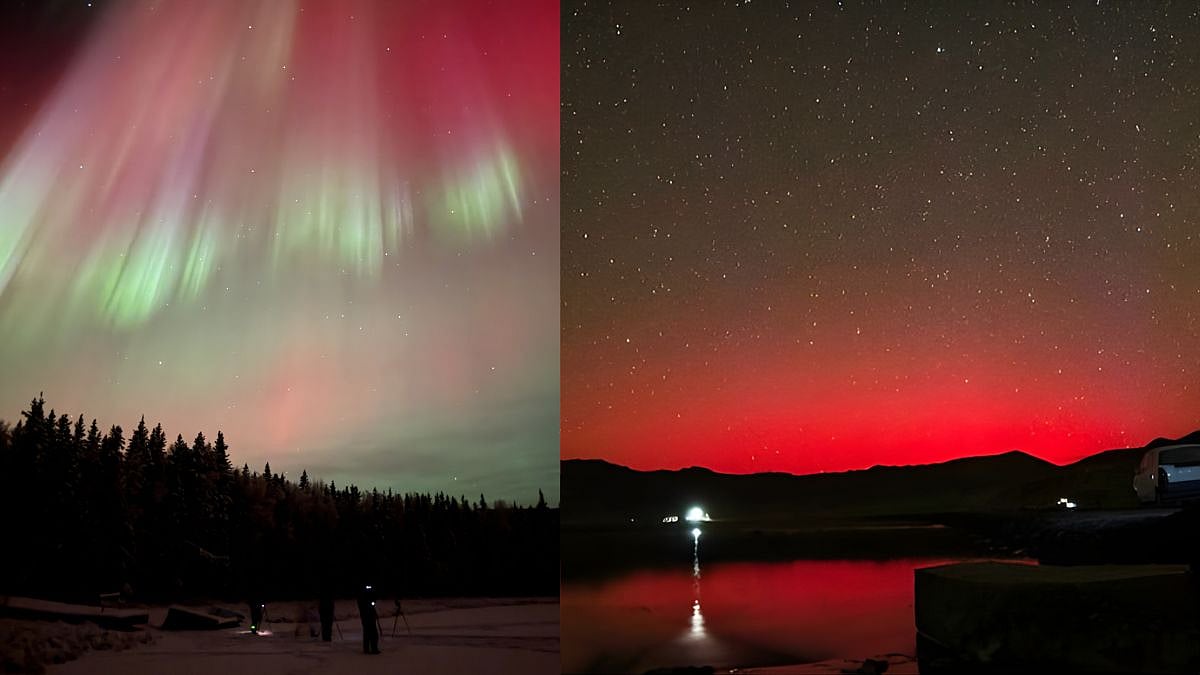
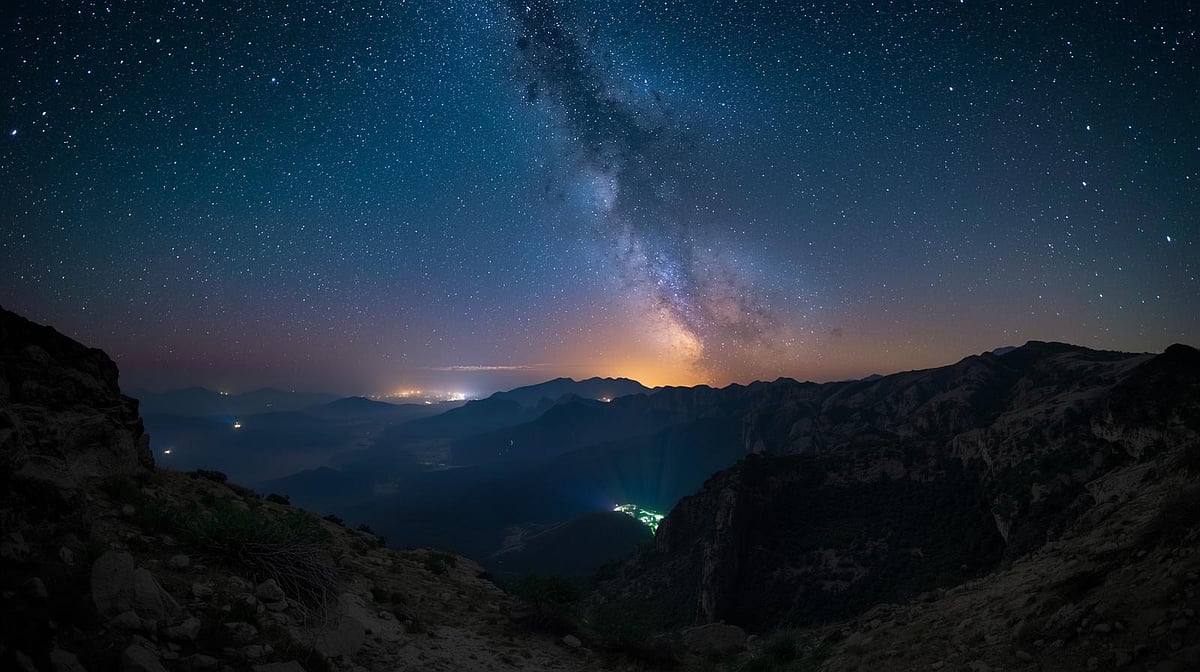
Sky Dark Park | AI generated
The park is equipped with three telescopes
According to the Forest Department, the Dark Sky Park is equipped with three advanced telescopes for structured sky-watching sessions and solar panels to power onsite operations sustainably. The stargazing sessions will be organised regularly and it will not only function in daytime but at night as well to promote scientific literacy and awareness of astronomy among the public and students.

