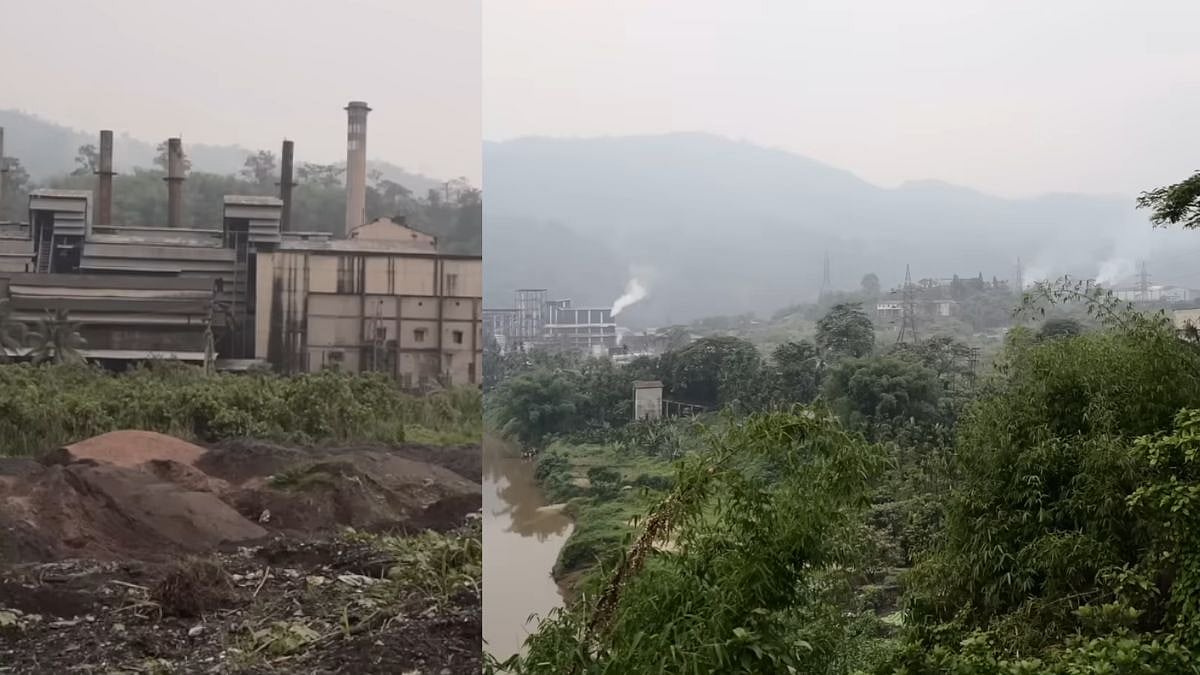
Delhi is the common name being the most polluted city in India and one of the most polluted cities in the world. But have you ever thought of the northeast part of India being involved and contributing to increasing levels of pollution? Shocking, right! Byrnihat, a small town located in Meghalaya, has recently drawn national attention due to its alarming air pollution levels. Situated around 20 km from Guwahati, Byrnihat serves as an important industrial hub with numerous factories producing cement, steel, ferroalloys, beverages and other products. However, rapid industrialisation has also led to severe environmental concerns.
Where exactly is Byrnihat?
Byrnihat is an industrial town located directly on the border between the Indian states of Meghalaya and Assam. It sits within the Ri-Bhoi district of Meghalaya (Umling block) and the Kamrup Metropolitan district of Assam. Byrnihat is a critically important but highly controversial border town in Northeast India. While it serves as an economic lifeline for the region, it has recently gained global notoriety due to its severe environmental challenges. The small city transformed from a quiet agricultural checkpoint into a major manufacturing hub in the late 1990s.
Why is Byrnihat polluted?
The primary reason behind Byrnihat’s worsening air quality is the concentration of industries in and around the town. Emissions from factories release particulate matter (PM2.5 and PM10), sulphur dioxide, nitrogen oxides and other pollutants into the atmosphere. Many environmental experts have pointed to inadequate pollution control measures and weak enforcement of emission norms as contributing factors.
The burning of waste and biomass in nearby areas also adds to the pollution burden. During winter, calm weather conditions and lower wind speeds trap pollutants close to the ground, causing air quality to deteriorate further.
Role of ethanol plants
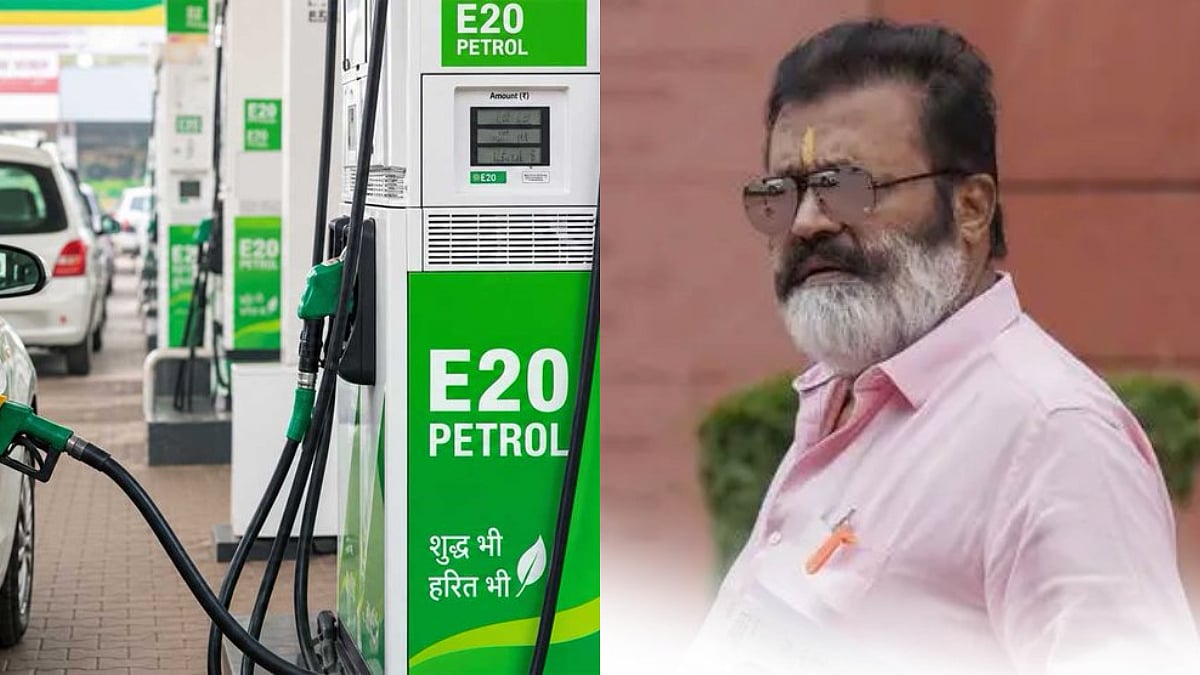
Ethanol is responsible for creating pollution in the city but Ethanol plants are not only reason behind the pollution, instead several over manufacturing industries including, cement, iron, steel, and ferro-alloy units operate in the region are also responsible for creating major air pollution.
The production of Ethanol and processing includes air emissions, high-intensity water usage, and toxic wastewater discharge, even though burning ethanol-blended petrol (like E20) slightly lowers tailpipe carbon monoxide and carbon dioxide emissions during vehicle use. The manufacturing plants release hazardous air pollutants such as acetaldehyde, formaldehyde, and acrolein which is heavily responsible for air pollution.
Residents of Byrnihat have expressed concerns over increasing cases of respiratory illnesses, eye irritation and breathing difficulties.

