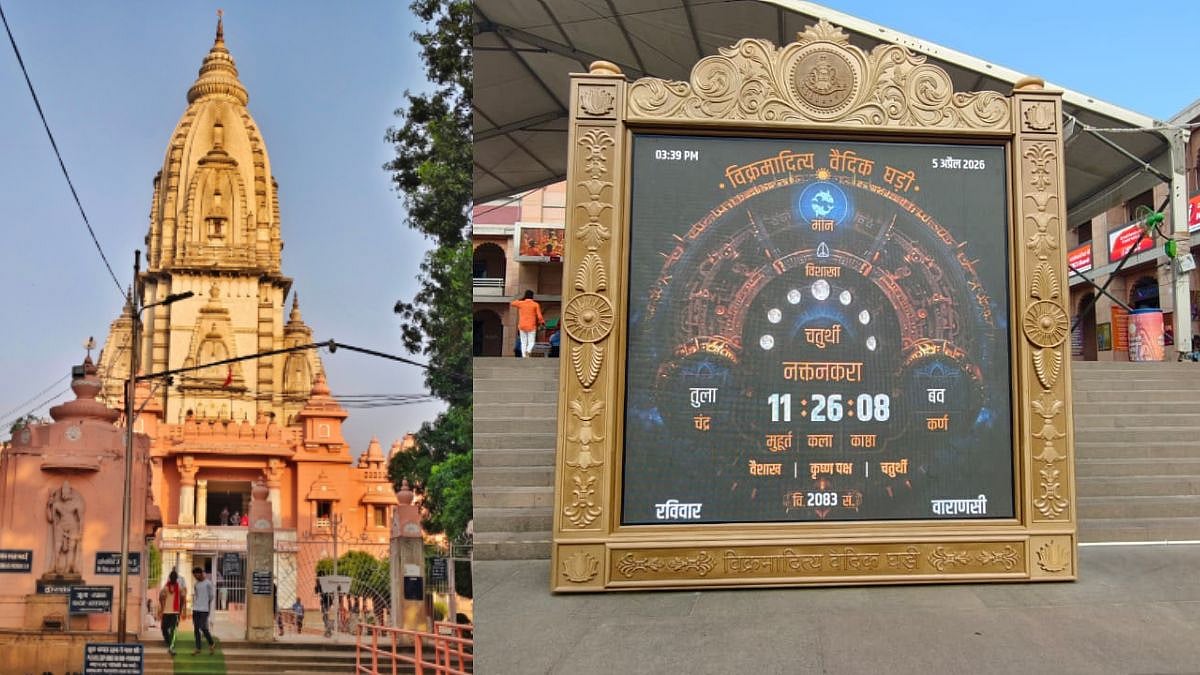
Varanasi's Kashi Vishwanath Temple has now installed a traditional 'Vikramaditya Vedic Clock' in its courtyard, a 700-kg marvel blending tradition and tech. The traditional clock, which was gifted by Madhya Pradesh's Chief Minister Mohan Yadav, showcases India's ancient time calculation system, dividing the day into 30 muhuratas, tithi, Yoga, Karana, nakshatra and more. Here's everything you need to know about the intriguing Vedic clock.
A 700 kg Vedic clock installed in Kashi Vishwanath
Vikramaditya Vedic Clock is a traditional clock which is based on India's ancient time calculation system. The giant clock was formally presented during a ceremony held in the presence of Chief Minister Yogi Adityanath on Friday. It was gifted by CM Mohan Yadav, which was unveiled at the Kashi Vishwanath complex. The clock was finally installed with full rituals and devotion. It started functioning from Brahma Muhurat recently.
Vikramaditya Clock showcases India's ancient calculations
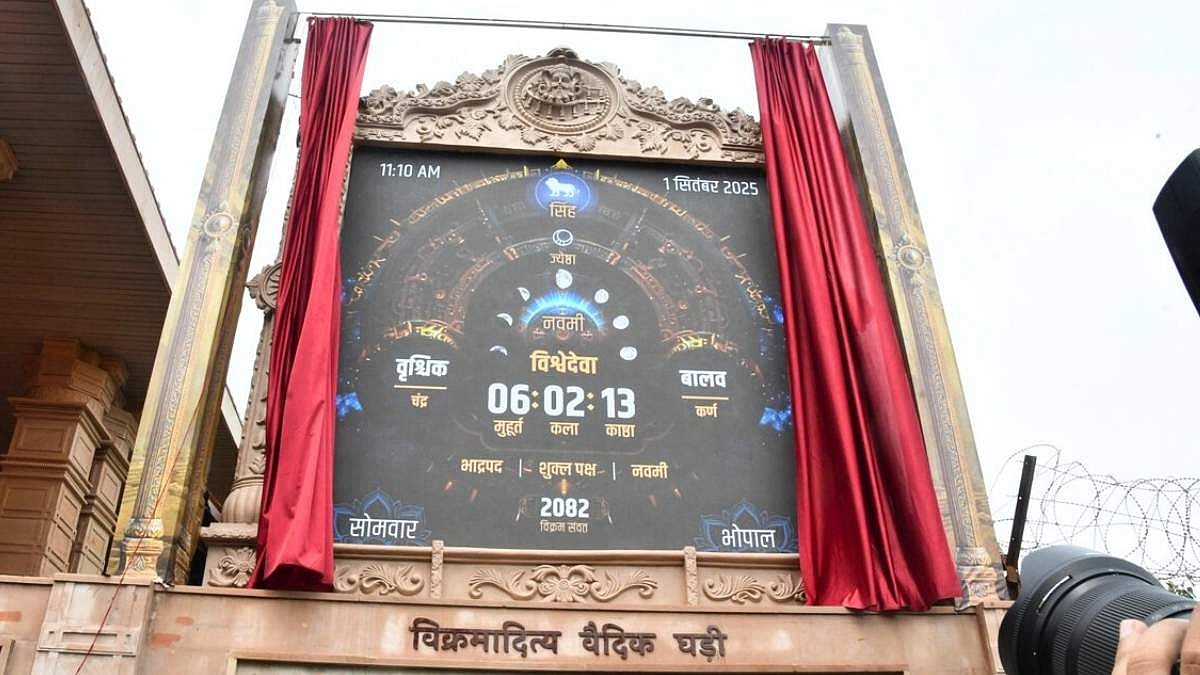
Vikramaditya Vedic Clock is touted as the world's first clock designed to display time based on the traditional Vedic Panchang instead of the standard 24-hour Gregorian system. People visiting the sacred temple will now be able to understand India's ancient time-keeping system.
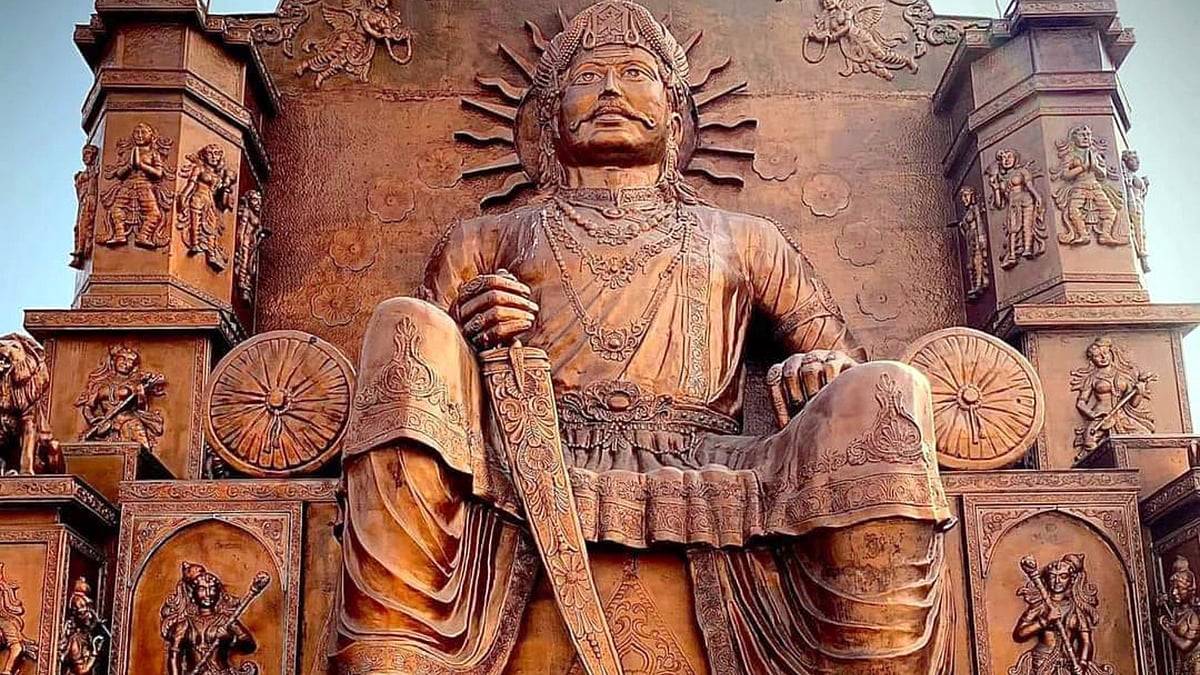
Although, it simultaneously displays Indian Standard Time (IST) and Greenwich Mean Time (GMT). The clock was named after Emperor Vikramaditya, and it represents ancient India's contribution to astronomy and is designed to connect younger generations with their cultural heritage.
What is special about Vikramaditya Clock work?
Vikramaditya Clock doesn't work like a usual clock. In this system, a day starts at sunrise, not midnight, and it ends with the next sunrise. That means that this traditional clock follows the Sun. It also provides information on festivals, eclipses, moon phases, other astrological calculations and other seasonal details. The clock operates on the traditional Indian system of Kaal Ganana. This is the second such clock, after the initial installation at Ujjain's Mahakaleshwar Temple.
What is Kaal Ganan in Vikramaditya Clock
Kaal Ganan in the Vikramaditya Clock refers to the ancient Indian method of measuring time, which differs significantly from the standard 24-hour Gregorian calendar. This system is designed to measure time based on the sunrise-to-sunrise cycle, and the period from one sunrise to the next is divided into 30 parts, known as Muhurtas. The Kaal Ganan uses Local Mean Time (LMT), which is tailored to the specific geographical location based on the sun's position, rather than a centralised national time.
