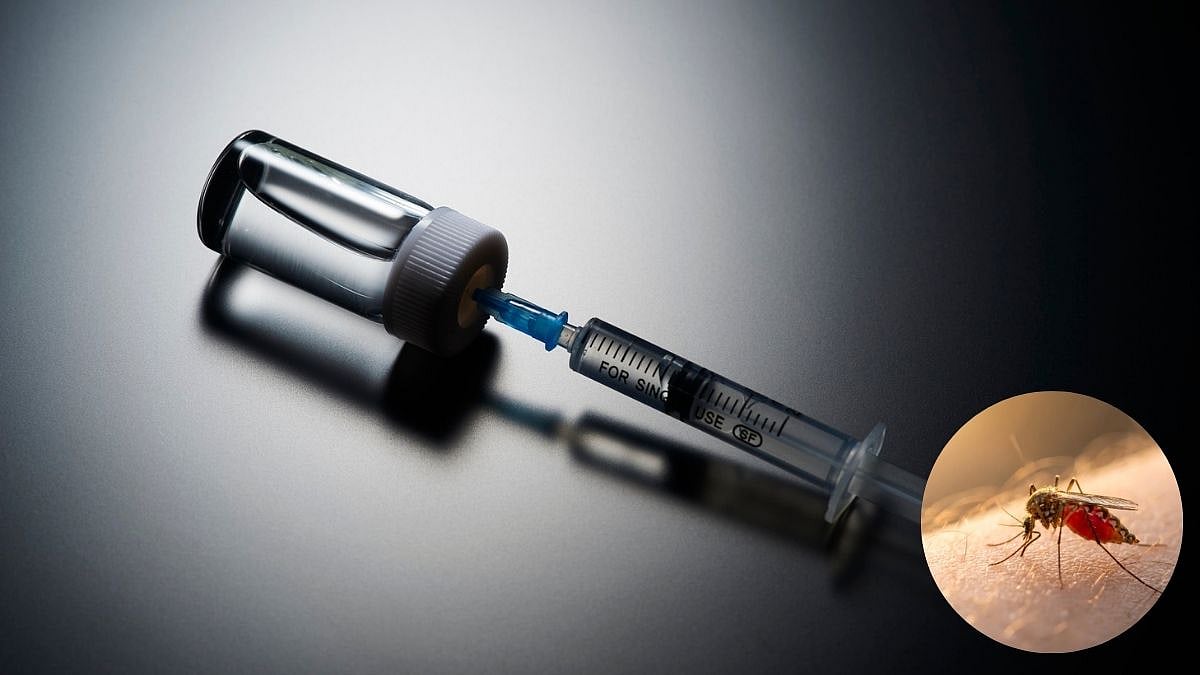
India has taken a major step in the fight against dengue after the Central Drugs Standard Control Organisation (CDSCO) approved Takeda's QDENGA (TAK-003). The country's first dengue vaccine offers a major step forward in the fight against one of the country's most widespread mosquito-borne diseases. Developed by Japanese pharmaceutical company Takeda, the vaccine has already been approved in several countries and is expected to help reduce the burden of severe dengue infections.
What is QDENGA?
India has done something significant against dengue and its approval came after India continues to shoulder one of the world's highest dengue burdens, with cases increasing sharply over the past two decades due to urbanisation, climate change, changing mosquito habitats and population growth. But what exactly is QDENGA?
QDENGA, also known as TAK-003, is a live, attenuated dengue vaccine designed to protect against all four dengue virus serotypes (DENV-1, DENV-2, DENV-3 and DENV-4). It is administered as two doses, with the second dose given three months after the first.
One of its biggest advantages is that it can be given regardless of whether a person has had dengue before, unlike some earlier dengue vaccines that required proof of prior infection.
Benefits of the vaccine
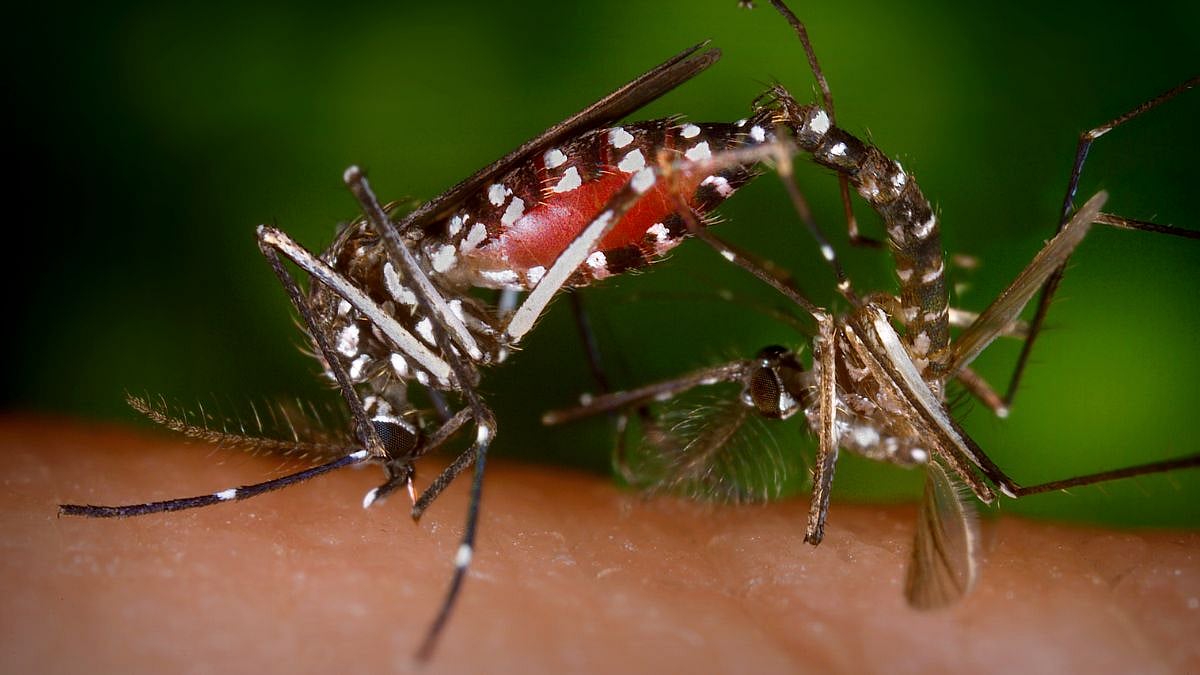
Clinical studies have shown that QDENGA helps reduce the risk of hospitalisation and severe dengue, which can lead to complications such as dengue haemorrhagic fever and dengue shock syndrome. While no vaccine provides 100% protection, it is expected to significantly lower the severity of the disease and reduce pressure on healthcare systems during dengue outbreaks. Unlike the older dengue vaccines, QDENGA does not require people to undergo blood testing to determine whether they had previously dengue.
Availability in India
The vaccine has already been approved in more than 40 countries, including the European Union, the United Kingdom, Brazil, Indonesia and Argentina. India now joins that list at a time when dengue is emerging as one of the country's biggest seasonal public health threats.
Although the vaccine has received regulatory approval in India, it may not be immediately available across hospitals and clinics. Its commercial launch will depend on manufacturing, supply, pricing and distribution plans. Health authorities are also expected to issue detailed recommendations regarding eligible age groups and vaccination guidelines.
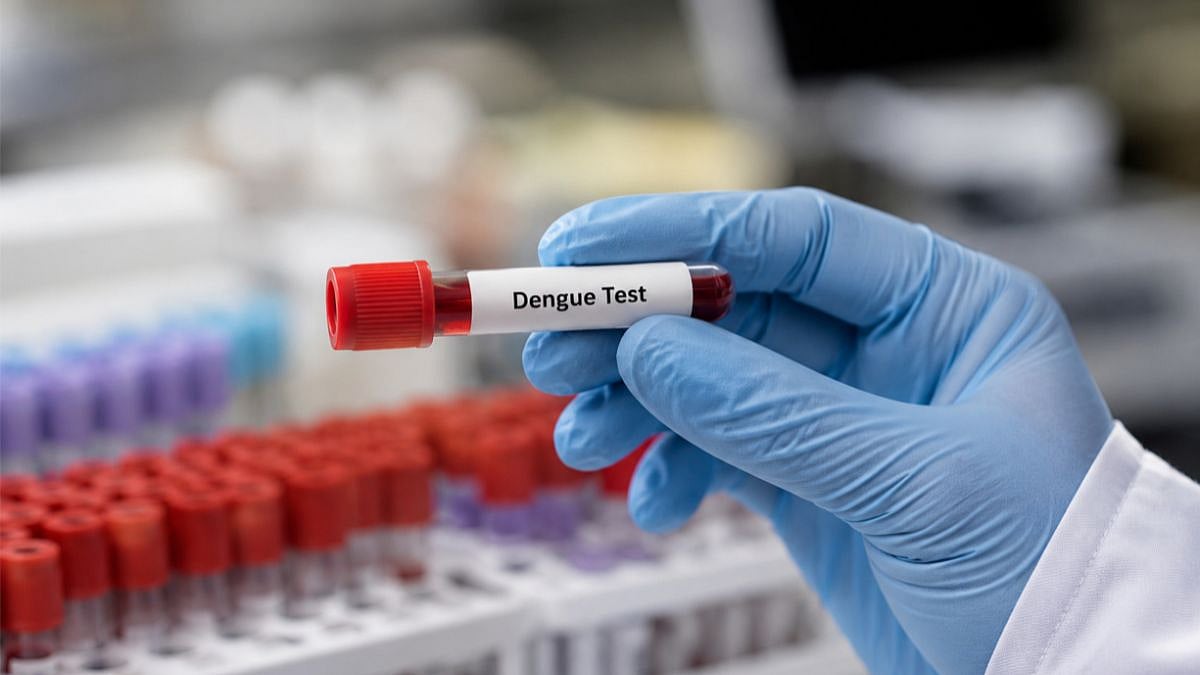
Representation Image | Canva

Why it matters?
India records thousands of dengue cases every year, especially during the monsoon season. Rising temperatures, urbanisation and changing weather patterns have contributed to an increase in mosquito breeding and dengue transmission. Experts believe that vaccination, combined with mosquito control measures, can play a key role in reducing the disease burden.

