
Jagannath Rath Yatra is a significant Hindu festival that is primarily celebrated in Odisha. Each year, the sacred town of Puri bursts with spirituality, devotion, and festivity as it celebrates the Jagannath Rath Yatra, one of India's largest and most ancient festivals. During this annual procession, Lord Jagannath, accompanied by his siblings Lord Balabhadra and Goddess Subhadra, travels from the holy Jagannath Temple to the Gundicha Temple.
What is Hera Panchami?
Hera Panchami is a special ritual performed at the Gundicha Temple in Puri, Odisha. The auspicious occasion marks the symbolic visit of Goddess Lakshmi, the consort of Lord Jagannath, to the Gundicha Temple to inquire about Lord Jagannath, who has stayed away from his home for five days during the Rath Yatra. The word Hera means "to see," and Panchami means "the fifth day."
Why does Goddess Lakshmi get angry?
According to Hindu tradition, Lord Jagannath stays at the Gundicha Temple, believed to be the home of his aunt, for nine days during the Rath Yatra. As the days pass without his return, Goddess Lakshmi becomes upset and decides to visit the temple to ask why she was left behind. Her journey to the Gundicha Temple is known as Hera Panchami, with Hera meaning "to see" or "to visit."
As part of the ritual, Goddess Lakshmi is carried in a beautifully decorated palanquin to the Gundicha Temple. According to legend, after confronting Lord Jagannath, she returns to the Jagannath Temple in anger. Before leaving, she symbolically damages a part of Lord Jagannath's chariot, the Nandighosha, expressing her displeasure. This dramatic ritual is performed every year and draws thousands of devotees and visitors.
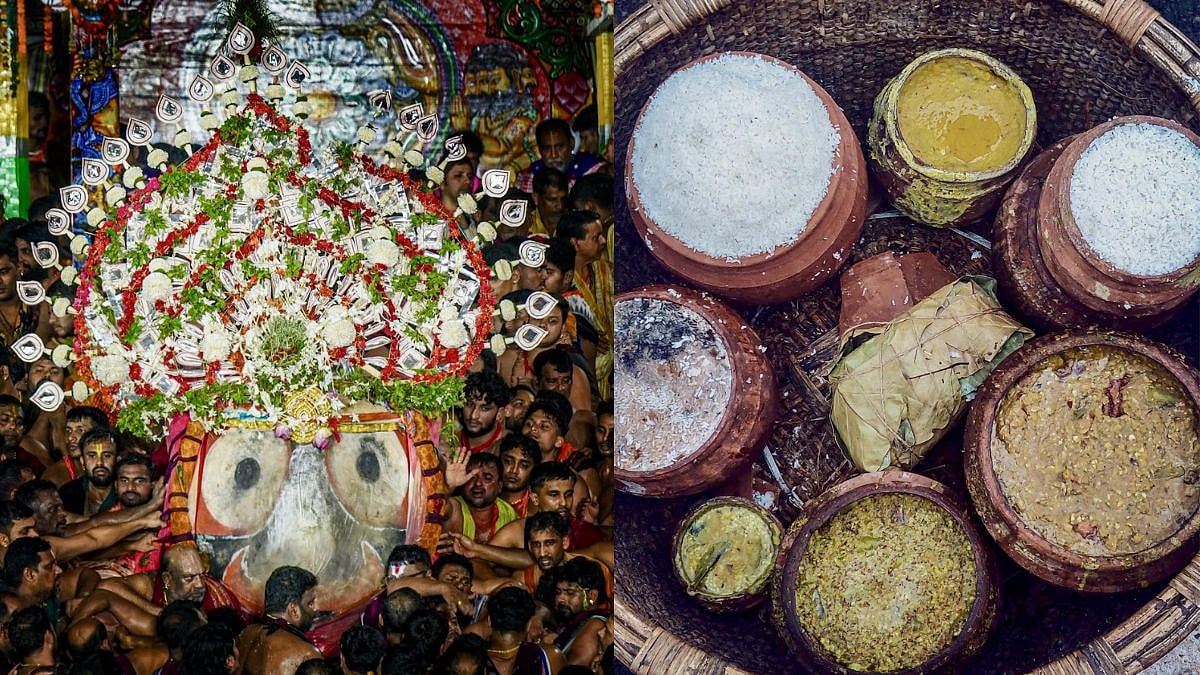
Hera Panchami 2026
This year, the festival was observed on July 20, 2026. Devotees view this ritual as a beautiful portrayal of Madhurya Rasa—a sweet blend of divine love, longing, and marital affection that highlights the emotional bond shared between the deities.

