
Baisakhi or Vaisakhi is one of India's most important and enthusiastic festivals which is predominantly celebrated in Punjab and North India. The festival marks the harvest season in northern India, especially in Punjab, and holds both agricultural and religious significance. The festival not only marks the joy of the Rabi harvest, but it also holds deep religious and historical significance for the Sikh community. According to the Nanakshani calendar Sikh celebrate the new year on the first day of the month of Chet
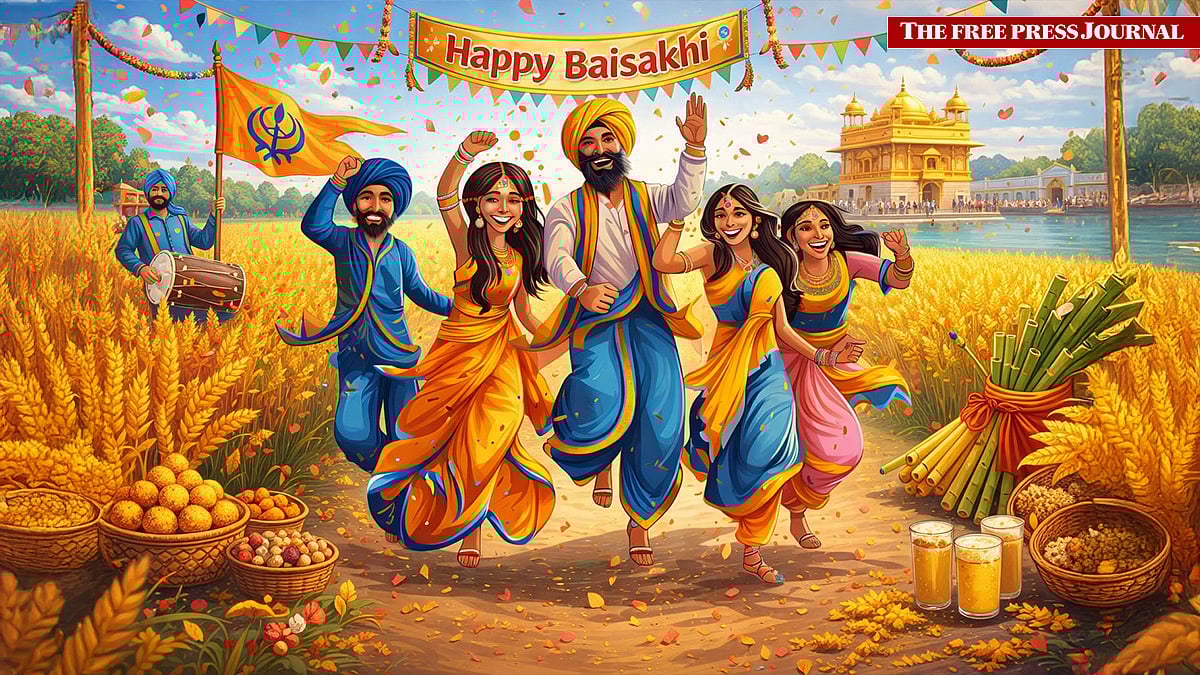
About Baisakhi
Traditionally, Baisakhi is a harvest festival that celebrates the ripening of rabi crops. Farmers express gratitude for a successful harvest and pray for prosperity in the coming year. The day is marked with joy, fairs, traditional dances like Bhangra and Gidda, and community feasts. Every year Baisakhi is celebrated with special fervour in Punjab, Haryana and North India. On this auspicious day, gurudwaras host kirtans and langar.
Inauguration of Khalsa
On this day, the Khalsa was inaugurated on April 13, 1699 by the tenth Sikh Guru, Guru Gobind Singh at Anandpur Sahib in Punjab. He established the Khalsa Panth (community of initiated Sikhs) to foster a warrior-saint spirit, combat oppression and promote equality by eliminating caste distinctions.
On this day, Guru Gobind Singh asked for volunteers to give their heads, with the aim to test their faith and courage, resulting in the initiation of the first five Khalsa members known as the Panj Pyare. The day is also celebrated as Khalsa Sajna Diwas. This historic event gave a distinct identity to Sikhs and laid the foundation for their spiritual and social values, including equality, courage, and service.
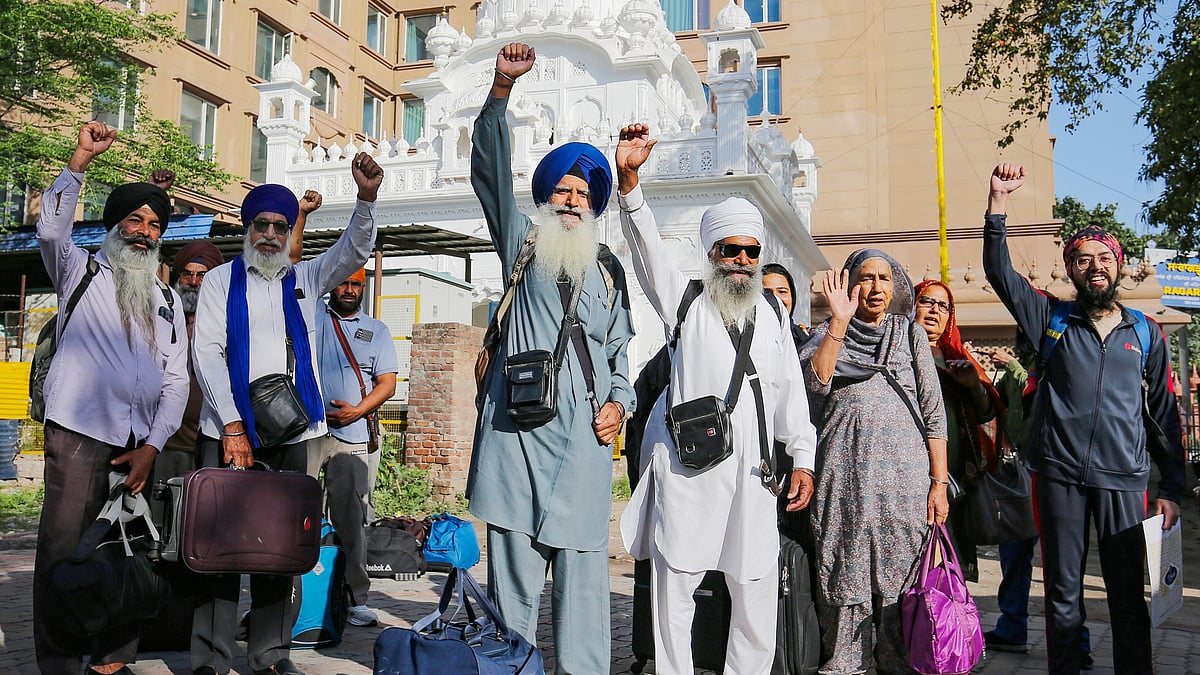
Celebration of Baisakhi
On this day, devotees wake up early and take a bath and visit gurudwaras, offer prayers and perform seva. They also participate in kirtans and processions known as Nagar Kirtans. Community kitchens, or langars, are organised to serve free meals to all, reflecting the spirit of sharing and unity.
Baisakhi, also known as Mesadi or Basoa, is also celebrated in different parts of India under various names, marking regional New Year festivals.

