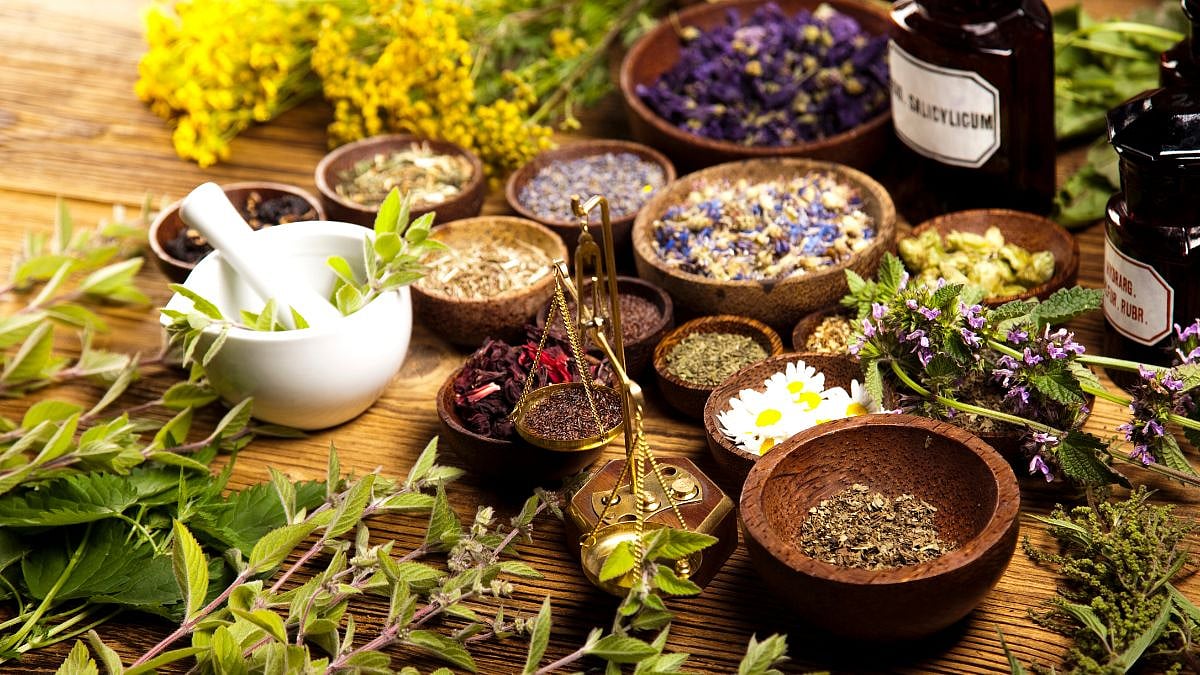
Forests are one of Earth's most valuable natural resources. In India, they provide countless gifts of nature, including a rich variety of Ayurvedic herbs and spices. Van Mahotsav, or the Forest Festival, celebrated from July 1 to 7, is a week-long observance dedicated to highlighting the importance of forests and encouraging their conservation.
Observed during the monsoon season, Van Mahotsav inspires communities, educational institutions, and individuals to raise awareness about environmental conservation and the need to protect nature. Indian forests are home to numerous Ayurvedic herbs and spices that have been used for centuries in food and traditional medicine. Discover some of these valuable forest treasures, their health benefits, and the related Patanjali products.
Indian Forests and Ayurveda
India is blessed with an incredible diversity of forest ecosystems, ranging from tropical rainforests to alpine forests. Tropical evergreen and semi-evergreen rainforests are found in the Western Ghats, the northeastern states, and the Andaman and Nicobar Islands.
Tropical deciduous forests are spread across regions of Madhya Pradesh (MP), Maharashtra, Chhattisgarh, Andhra Pradesh (AP), and Odisha. Further north, the Himalayan ranges are home to montane and coniferous forests, shaped by higher altitudes and alpine conditions.
The country's coastal deltas, estuaries, and backwaters support rich mangrove forests that play a vital role in maintaining ecological balance. Let's explore five herbs and spices sourced from India's forests that are widely used in Ayurveda, along with the related Patanjali products.
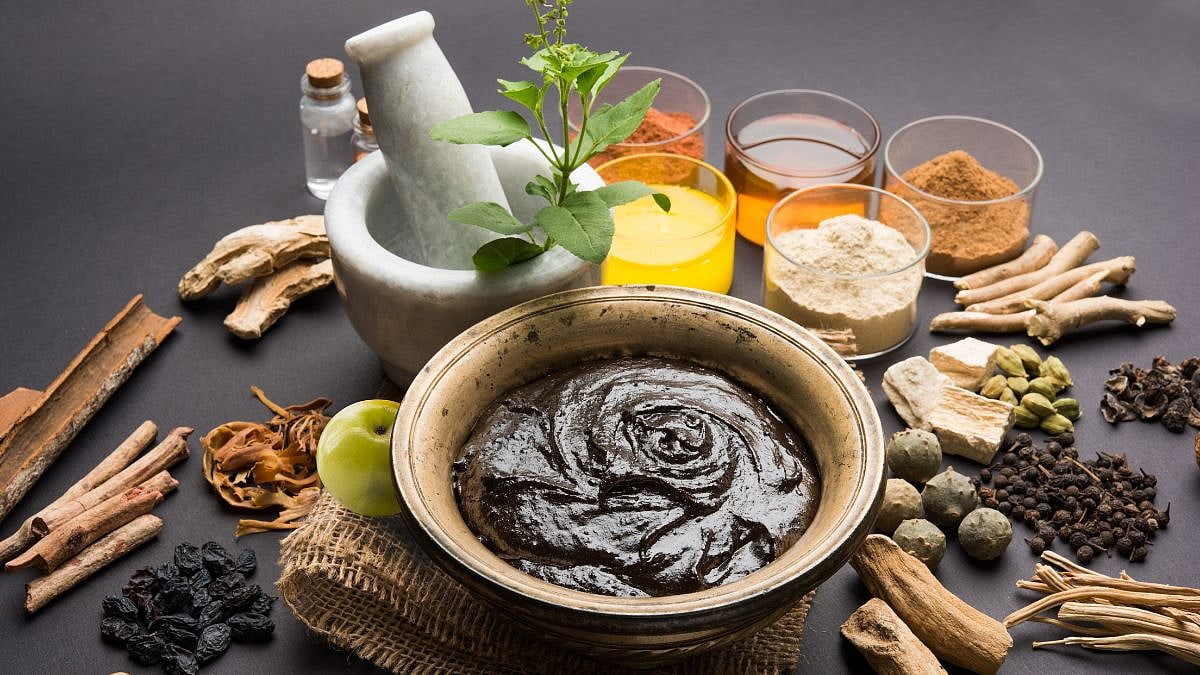
5 Ayurvedic Herbs and Spices from Forests
Ashwagandha: Ashwagandha grows in India's dry and subtropical regions, particularly on the fringes of forests, as well as in wastelands and scrublands. Revered in Ayurveda for its rejuvenating and adaptogenic properties, it helps relieve stress, anxiety, and joint pain, boosts energy and libido, supports immune function and cognitive health, promotes restful sleep, and helps manage sleep disorders such as insomnia. Patanjali Nutrela Ashwagandha and Melatonin Gummies (90 Gms) combine the goodness of ashwagandha to promote relaxation, support healthy sleep, provide calming relief, and enhance overall well-being.
Arjuna: Native to the Indian subcontinent, arjuna grows naturally in the tropical regions of southern and central India, especially along streams, riverbanks, and floodplains. Widely known as a heart tonic in Ayurveda, it helps strengthen the heart muscles, supports efficient cardiac function, and helps maintain healthy blood pressure. It also aids in regulating cholesterol levels and supports healthy metabolism. With its astringent and anti-inflammatory properties, arjuna promotes digestive health and helps relieve bloating, acidity, and diarrhoea. Patanjali Arjun-Amla Juice (500 Ml) combines the goodness of arjuna and amla. Rich in vitamin C, it supports heart health, strengthens immunity, promotes healthy digestion and glowing skin, and contributes to overall well-being.

Brahmi: A prized Ayurvedic herb, brahmi thrives in tropical and subtropical climates. It grows abundantly along muddy shorelines, in shallow waters, and in humid marshlands. In Ayurveda, brahmi is revered as a brain tonic for its neuroprotective properties. It helps enhance cognitive function, memory, concentration, and mental clarity while reducing anxiety and stress and promoting restful sleep. The herb also supports respiratory health by helping relieve airway irritation, bronchitis, and congestion. Patanjali’s Divya Brahmi Ghrita (200 Gms) combines the goodness of brahmi, cow ghee, shankhapushpi, and other herbs to support cognitive function, help reduce anxiety and stress, and promote healthy digestion.
Manjistha: Also known as Indian madder, manjistha is an evergreen climbing herb that grows in damp deciduous and semi-evergreen forests, as well as along forest clearings and margins. In Ayurveda, it is valued for its blood-purifying and lymphatic detoxifying properties. It helps manage skin conditions such as acne, psoriasis, and eczema, supports the removal of toxins, and promotes healthy digestion by maintaining digestive fire. It also possesses anti-inflammatory and pain-relieving properties. Patanjali’s Divya Mahamanjisthadi Kwath (Pravahi) (450 Ml) contains manjistha along with essential Ayurvedic herbs such as nagarmotha, giloy, neem, turmeric, amla, bakuchi, and harad. It helps cleanse the blood and supports the management of skin disorders.
Black Pepper: Black pepper grows as a climbing vine in tropical rainforests. The warm, humid climate, shaded surroundings, and well-drained, fertile soil of the Western Ghats provide ideal conditions for its growth. Revered as the "King of Spices," black pepper is known in Ayurveda for its warming nature. It helps stimulate digestive fire, supports the body's natural cleansing processes, and helps relieve respiratory congestion. Patanjali Black Pepper Whole (5 Gms and 100 Gms) can be used in a variety of dishes as well as traditional home remedies.
This Van Mahotsav, from July 1 to 7, make a promise to embrace the goodness of Ayurvedic herbs and spices sourced from India's forests. Pair them with related Patanjali products to support your health while celebrating and conserving nature's invaluable gifts.

