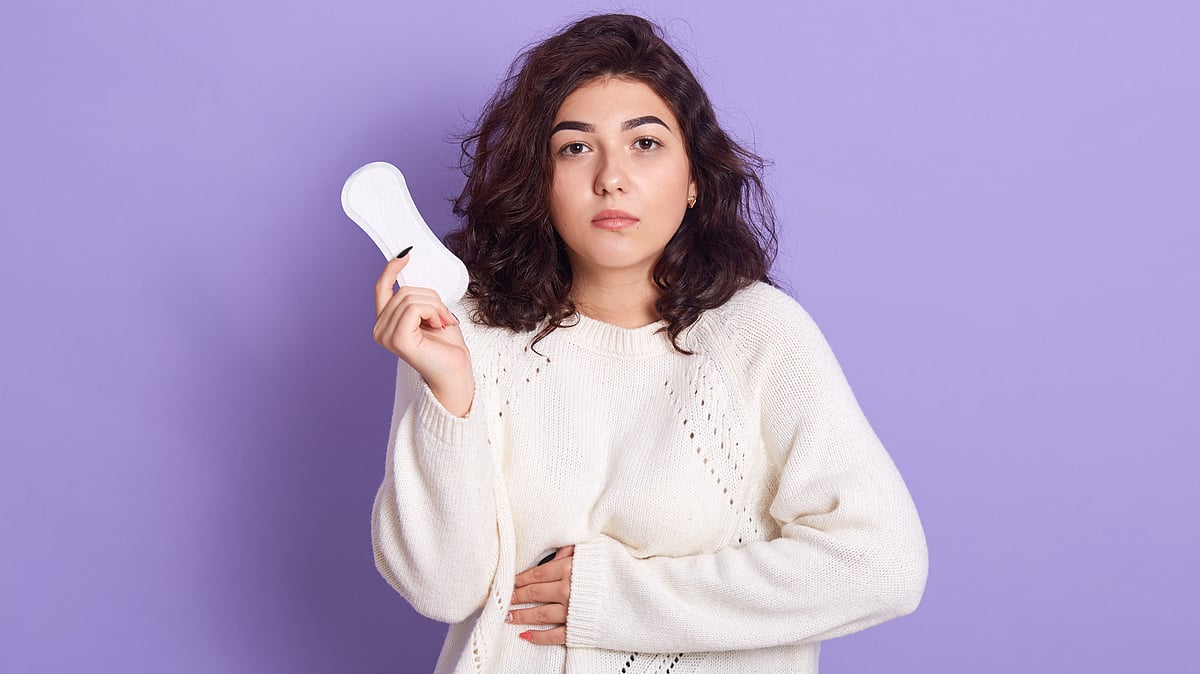
The vagina is a self-regulating ecosystem designed to stay healthy through a precise balance of bacteria, moisture levels and acidity. A normal vaginal pH of 3.8 to 4.5 helps maintain this balance by supporting good bacteria (lactobacilli) and preventing harmful microbes from growing.
But doctors now warn that a common modern habit—the daily overuse of sanitary pads and pantyliners—may be quietly disturbing this delicate environment. While these products are essential during menstruation, using them excessively or incorrectly can create conditions that alter vaginal pH, leading to discomfort and infections.
Why Vaginal pH Matters
Before understanding the impact of pads and liners, it’s important to recognise why pH plays such a crucial role. A healthy vaginal pH:
Prevents bad bacteria and yeast from multiplying
Reduces the risk of bacterial vaginosis and yeast infections
Maintains comfortable moisture levels
Supports natural self-cleaning mechanisms
When pH rises (becomes more alkaline), women may experience unusual discharge, itching, odour or burning. Even small lifestyle changes can shift this balance—including prolonged pad use.
How they can disrupt pH
Constant moisture: Pads and pantyliners are designed to absorb moisture, but when worn for long hours—especially on non-period days—they create a warm, damp environment around the vulva.
This reduces airflow and increases sweating, which leads to:
Bacterial overgrowth
Skin irritation
Changes in moisture balance
Rise in pH levels
Doctors note that women who wear pantyliners daily often experience more discharge—which they mistakenly interpret as a “need” for liners—when in reality the discharge is caused by the liner itself.
Synthetic materials: Most pads and pantyliners contain:
Plastic backing
Adhesives
Synthetic fibres
Absorbency gels
Fragrances or deodorants
These materials can irritate the delicate vulval skin. Even mild irritation triggers inflammation, leading to a shift in pH and reduced lactobacilli. Women with sensitive skin, dermatitis or allergies are especially prone to irritation from scented or ultra-thin pads.
Fragrant products: Scented pads and liners may smell “fresh,” but dermatologists strongly discourage using them. Fragrances can disrupt the microbiome and increase the risk of allergies and burning sensations.
The irony? Products marketed for “freshness” often cause the very odour and discomfort women are trying to avoid.
Daily pantyliner use: Pantyliners were initially meant for very specific situations—light spotting, late-period days, or increased discharge during ovulation or pregnancy. But today, many women wear them every single day, believing it improves hygiene. Doctors say this is one of the biggest drivers of pH imbalance.
Constant liner use can cause:
Persistent dampness
More discharge
Itching and redness
More frequent yeast infections
Burning sensation during urination
Odour due to bacterial imbalance
Over time, this can turn into a cycle where daily liners cause discharge, and discharge leads to more liner use.
Impact during periods
Even during menstruation, wearing one pad for too long allows sweat, menstrual fluid and bacteria to accumulate. This can cause rashes, skin breakdown, increased pH, and vaginal infections. Doctors recommend changing pads every 4–6 hours, even on light-flow days.
Protecting pH
Women don’t need to avoid these products altogether—just use them correctly.
Smart Hygiene Tips Recommended by Doctors
Use pantyliners only when necessary, not daily.
Choose unscented pads and liners; avoid deodorised or perfumed ones.
Change pads every 4–6 hours during menstruation.
Switch to cotton underwear to allow ventilation.
Avoid synthetic tight clothing, which traps heat.
Do not use vaginal washes or intimate cleansers—they disrupt pH far more than pads do.
Let the vulval area “breathe” by going liner-free at home.
Rinse the external area with plain water, not soaps or harsh cleansers.
The Bottom Line
Yes, overuse of sanitary pads and pantyliners can disturb vaginal pH—often without obvious warning signs. These products are safe when used correctly, but turning them into an everyday hygiene habit creates heat, friction, moisture and irritation, all of which shift the natural acidity of the vaginal environment.
With mindful use and simple hygiene practices, women can maintain better comfort, prevent unnecessary infections and support the vagina’s natural ability to protect itself—without depending on liners all day.
(Dr Gandhali Deorukhkar is an obstetrician and gynaecologist, Wockhardt Hospitals, Mumbai Central)
