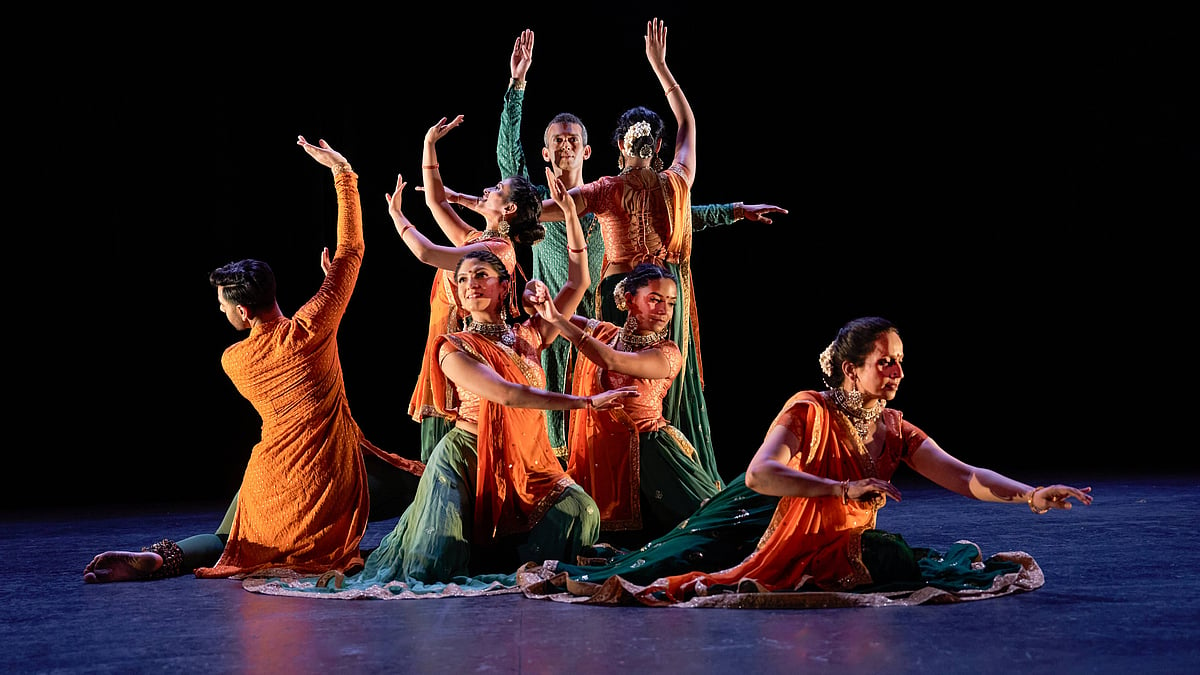
When Urja Desai Thakore brings Pagrav Dance Company to India this December, it will not be a homecoming in the ordinary sense. It will be a return with something made elsewhere, shaped by another country, another language and another generation of dancers, and offered back to the place where her own dance life began. Her journey carries Kumudini Lakhia's legacy from Ahmedabad to London and back, teaching abhinaya in English as easily as in Gujarati, building a mahaul far from Kadamb, and now asking Indian audiences to judge what a British Asian ensemble has made of a form it deeply loves and honours today.
Pagrav takes its name from a word associated with the sound of feet. Thakore trained under Padma Vibhushan Kumudini Lakhia at Kadamb, Ahmedabad, for over two decades, and has dedicated this tour to her guru. "My Kathak training was shaped by Kumiben and Sundhyaben. Bringing Aunusthan to India feels very personal to me," she says. "I dedicate this tour to my Guru Kumiben."
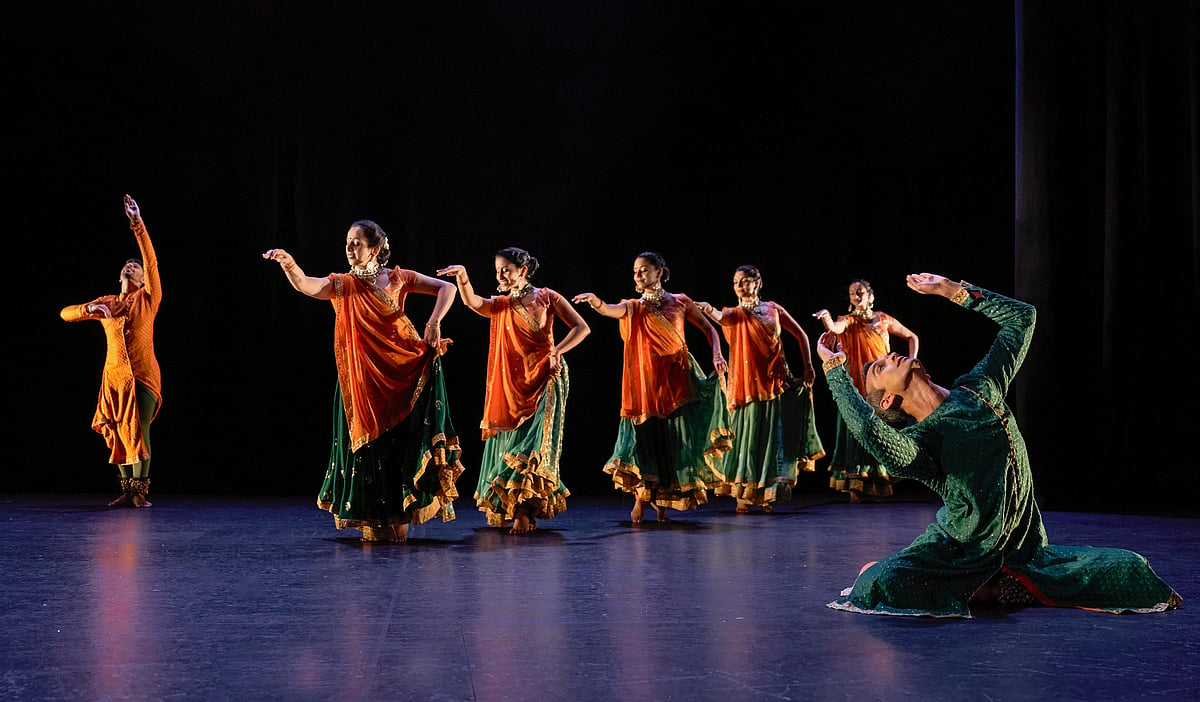
Aunusthan features dancers trained by Pagrav in the UK, and through rhythm, footwork and abhinaya, it reflects a younger generation of British Asian dancers engaging with India's classical heritage. But Thakore resists a simple India-versus-Britain contrast. "I'd be careful about putting dancers into two camps," she says. "I'm more interested in the environment each dancer has grown up in. Gujarati is the language I instinctively think in. For many of the dancers I teach in Britain, that language is English."
That approach is shaped by teaching in Britain, where Kathak must fit around school and exams. "One of my greatest joys is watching a young dancer I've taught for years do something onstage that I didn't expect," she says. "One of the biggest challenges is creating what I call the mahaul, the atmosphere around learning."
Aunusthan began as an evening of classical work for Pagrav's youth ensemble, performed to recorded music, and the youth ensemble has been touring the UK with it since 2016. "I think of it a little like wine. It's taken time for its character to come through fully," Thakore says. The latest version is performed with live music by musicians born and trained in Britain.
That attention to what happens between dancers comes from Kumudini Lakhia, renowned for breaking away from solo-centric Kathak into innovative group choreography. "Kumiben changed how I look at a stage. She made me pay attention to what happens between dancers," she says. "Aunusthan is my choreography, and within it I've kept a few compositions exactly as I learnt them at Kadamb."
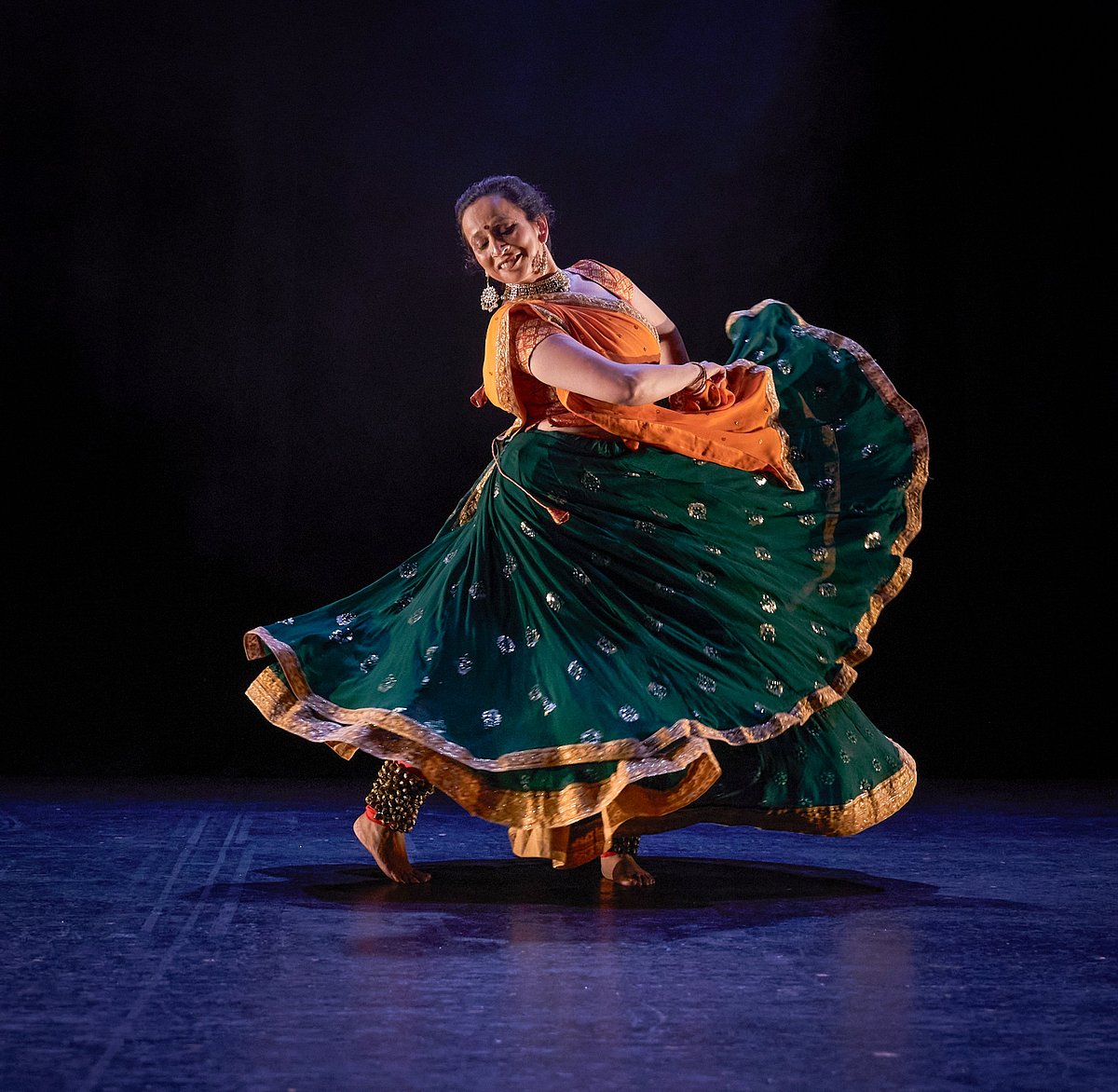
Her approach to innovation is rooted in that discipline. "I always say, learn where the borders are first, then see what happens when you cross them. I think of Kathak as a language," she says. The music carries the same tension. "Atul bhai's (Atul Desai; composer) music feels like home to me."
In Mumbai, Thakore hopes the intimacy of the Studio Theatre at NMACC will let audiences feel that exchange up close. "There are moments when six dancers land a rhythm together and you hear what sounds like one pair of feet," she says.
For Thakore, Ahmedabad is not just a tour stop. "Ahmedabad is where I learnt to dance, where I began teaching at Kadamb, and where my mother and her sisters first started Pagrav. Coming back with Aunusthan brings those parts of my life together," she says. "I get to share the artist I've become in the place that first made me want to be one."
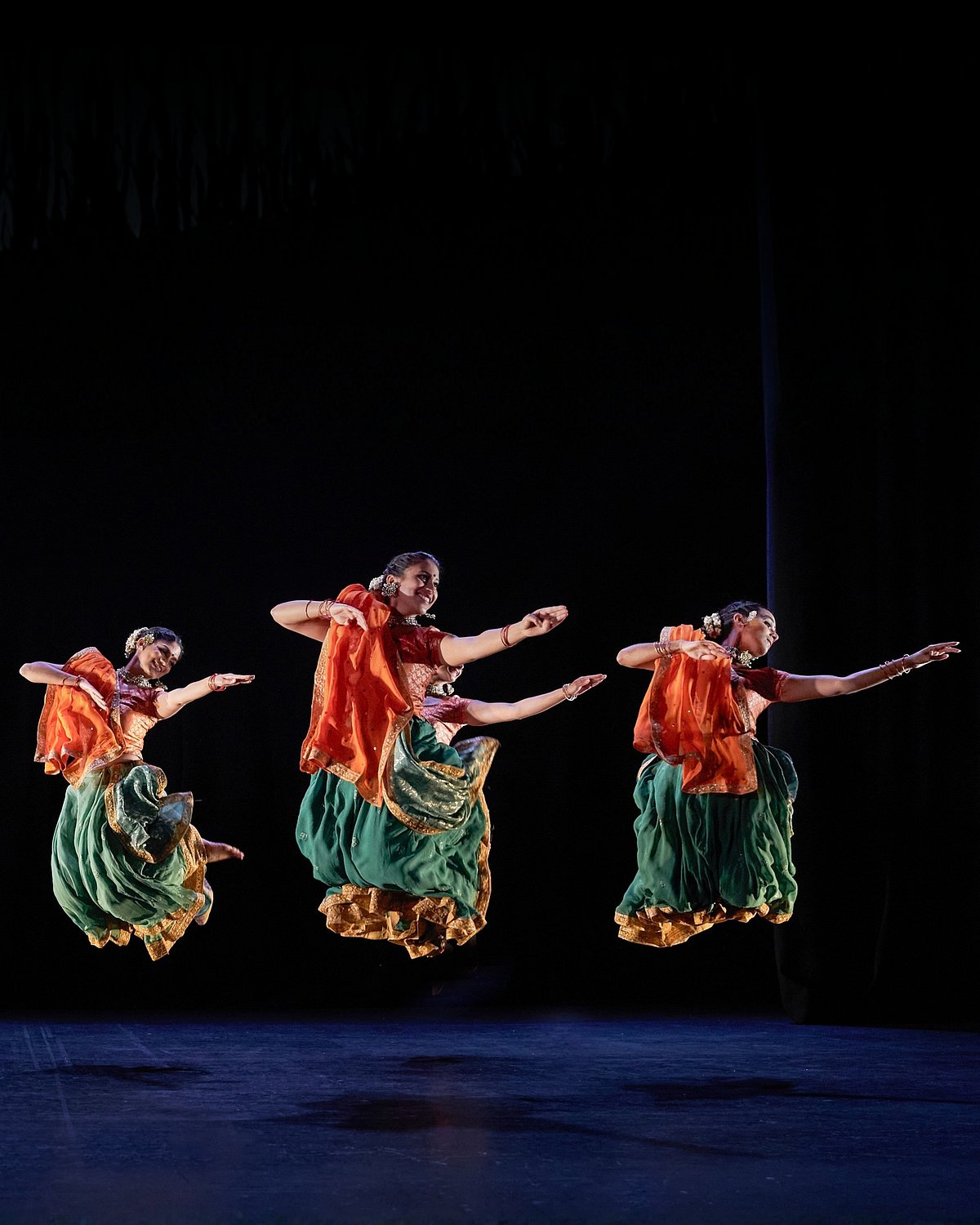
Pagrav, the UK-based company she founded in 2005, will present 'Aunusthan – A Celebration of Kathak in Diaspora' on a six-city tour. Conceived and choreographed by Thakore, with music by Alap Desai and Atul Desai, it explores how Kathak evolves across geographical and cultural contexts. It opens at the Nita Mukesh Ambani Cultural Centre, Mumbai, on December 3, followed by Ahmedabad on December 11, Vadodara on December 13, Bengaluru on December 18, Kolkata on December 21, and New Delhi on December 22.

Looking back over two decades in Britain, she sees growth and unfinished work. "The question now is how we make those careers sustainable. We need more places to train at an advanced level, paid opportunities to perform," she says. After New Delhi, her attention turns to Khoj, co-created with Hetain Patel. "At the heart of it is a question I keep coming back to. Who am I, and how much of that has already been decided for me?" she says.

