
Of all the materials used in making a home, very few exude the opulence the way marble does. Some of the world’s most evocative architectural masterpieces use the crystalline metamorphic form of limestone. From the 17th century Taj Mahal in Agra and the fifth century BC Parthenon in Athens to The Louvre in Abu Dhabi or the Oslo Opera House, the one thing that the use of marble indicates is that it is meant to outlast our lifetime.
Time is the single factor that plays a role in how marble is understood, selected and appreciated. “Provenance is not a background detail; it is the first question that ought to be asked,” explains Rai Chand Bhandari, MD, A-Class Marbles, a 50-year-old family business that leads the way in innovation in stone sourcing and owns quarries in Zambia and Tanzania. A slab drawn from one traceable block will match in colour and vein far more reliably than material pieced together from unrelated lots, and that consistency is what separates a coordinated installation from one that looks assembled. A case in point is the selection of six rare white marble from Classic Marble Company's Namibian Crystal White Collection, sourced from its quarry in the African nation.
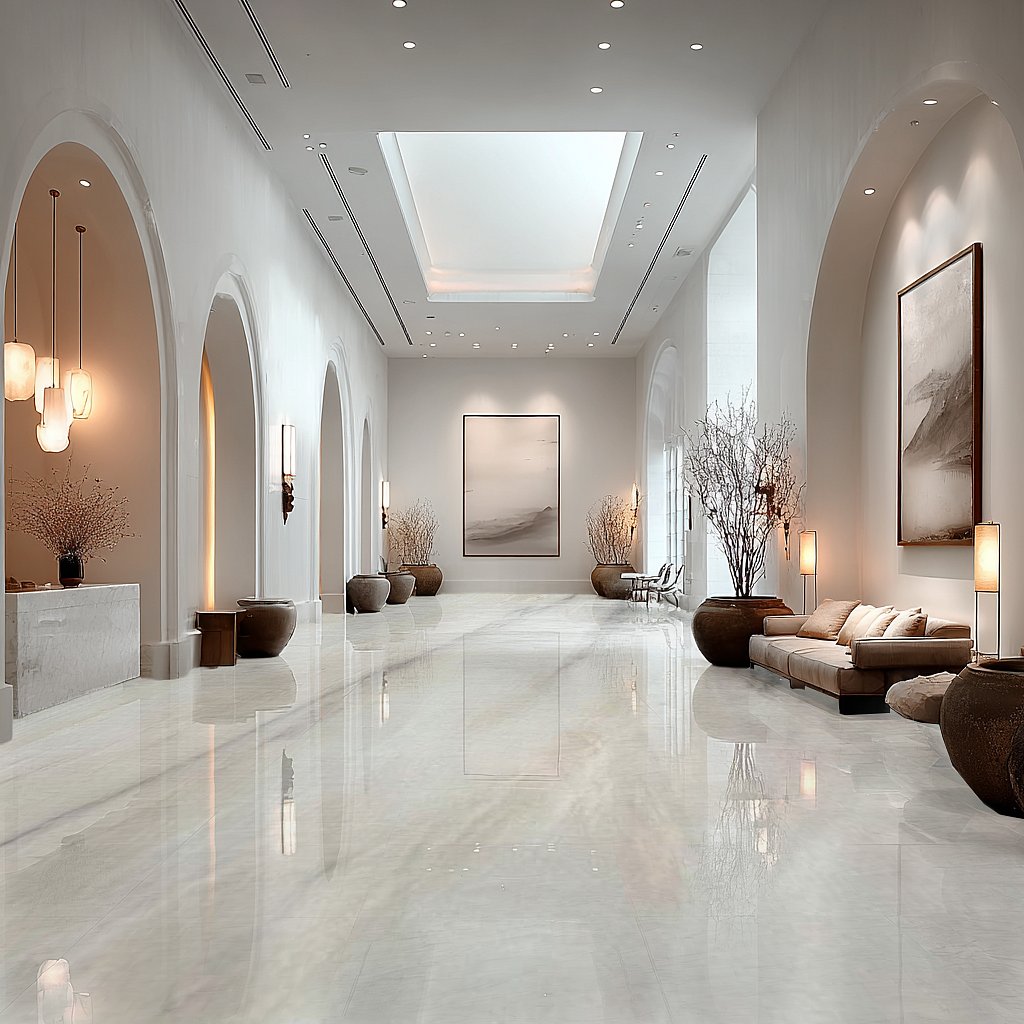
A-Class Marble's Angelo Fiore marble used as flooring | Pic: A-Class Marble
At Mumbai’s The Quarry Co:Lab, designed by Byram Wadia, a museum-style display shows the way a marble can be moulded to create a piece that is both form and function. Apart from its appearance, the material properties of marble—naturally hard, dense and durable—make it a worthy long-term investment. “A patina develops over the years that most owners come to prefer to the original polish. This has a direct bearing on long-term value,” says Bhandari. A synthetic surface is typically replaced within a decade or two; a well-sourced and well-installed marble surface can outlast the building's first two or three renovation cycles.
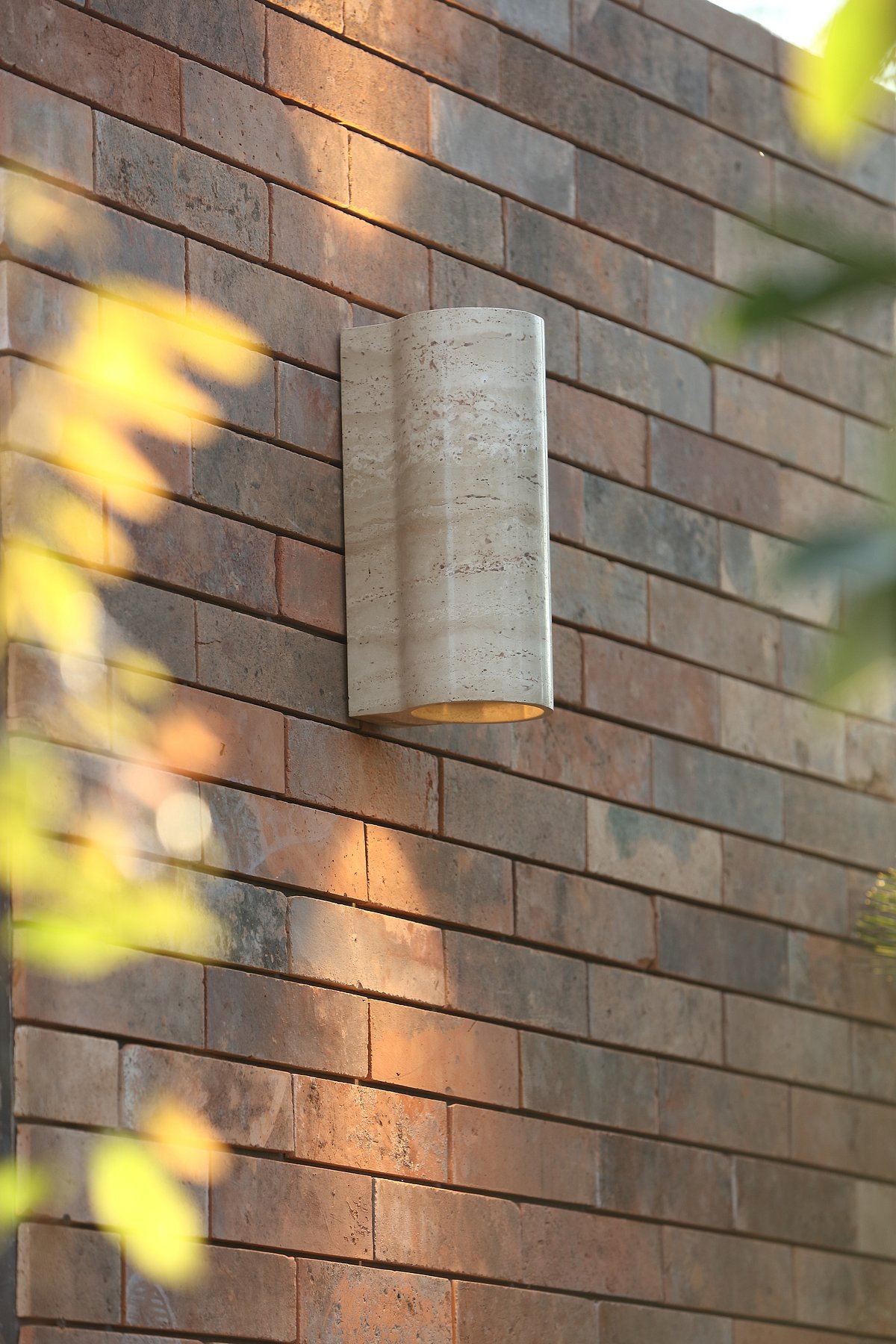
Outdoor wall sconce made of marble by Abner | Pic: Abner
In modern homes, where ideas like serenity, sustainability and biophilia rule, marble fits in organically. “What makes it particularly versatile is its ability to work across different design languages, from a minimal contemporary home to a more layered interior and equally well indoors or outdoors,” shares Shashank Nayak, Founder, Abner. When used thoughtfully and with restraint, it can become the highlight of the space, far more versatile than textures and paints. When used as an accent wall, monolithic kitchen island or a backlit onyx panel, the stone with its distinctive veining and variations becomes a deliberate focal point. Abner is a design-led lighting brand that approaches illumination as a material practice rather than a finishing layer. They’ve recently launched their first experience centre in Mumbai. They source their marble from Kishangarh and Daman in India.
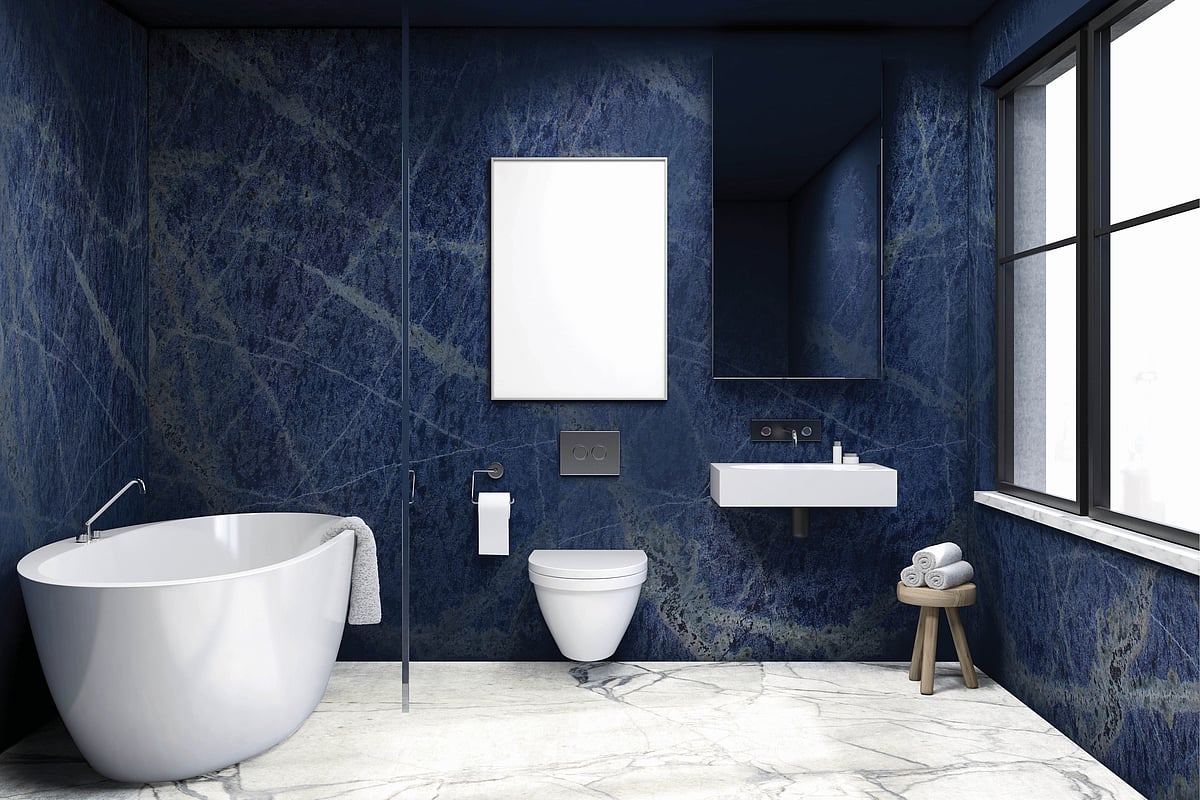
Bathroom walls in Sodalite marble, part of A-Class Marble's Exotica collection | Pic: A-Class Marble
The biggest mistake one can make with a material as sublime as marble is to treat it as a decorative afterthought rather than a material with its own requirements. Installing and using marbles has its own complications. Bhandari recommends not using an unsealed, high-polish finish for kitchen counters exposed to turmeric, oil and citrus, common in Indian cooking. “Without proper sealing and maintenance, etching will follow quickly. Extreme weather and temperature differences in India require consideration when selecting the material. Most importantly, do not economise on installation. “Marble is unforgiving of poor substrate preparation, and a rushed or underqualified fabrication team can undo the value of an excellent slab,” he exclaims. For maximum visual and aesthetic impact, avoid using to many styles. Marble’s versatility is best understood with outdoor usage, “We are seeing a growing emphasis on outdoor spaces as an extension of the home, with people investing more thought and design into how these spaces are used and experienced,” adds Nayak.
Marble varies enormously piece to piece, and a design should always be finalised against the actual block. Trends do not work with marble. Its permanence is its biggest USP and its provenance carries a cultural resonance here that no imported trend has managed to displace.

