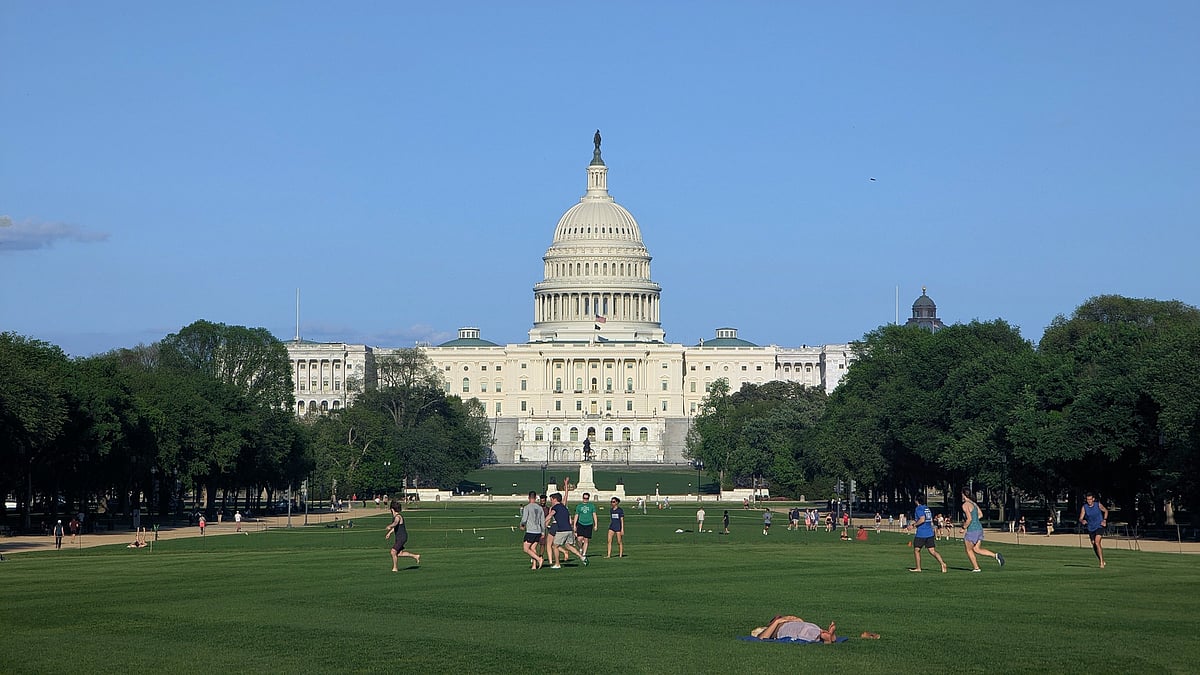
Driving past Washington, D.C.’s broad avenues and imposing monuments from the airport, we picture stern officials in suits behind formidable facades, making decisions about war, diplomacy, and economics that ripple across the world.
It is difficult to separate Washington from power. The city of the White House, Capitol Hill, and the Pentagon is where authorities define what it means to be American, who belongs, and who remains, officially, an “alien”.
For a nation that has long projected personal freedom as an ideal to the world, the question feels particularly urgent. How does this city treat those who are not from here?
Day 1: Who gets to dream?
Unearthing the answer becomes our agenda. We begin at an iconic marker of America’s civil-rights struggle: the Martin Luther King, Jr. Memorial. Taking from his memorable 1963 “I Have a Dream” speech, King’s 30-foot statue is carved into a “Stone of Hope” and emerges from a “Mountain of Despair”.
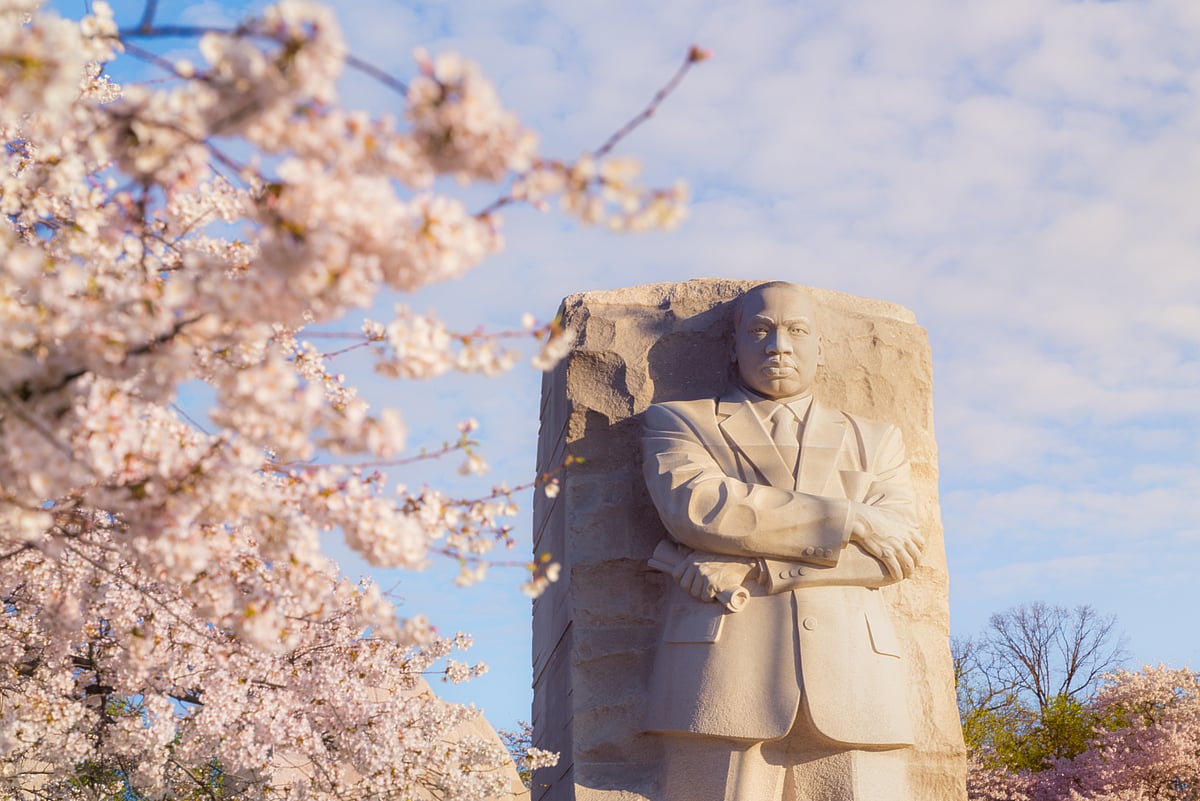
Martin Luther King Jr. Memorial | Photo Credit - washington.org
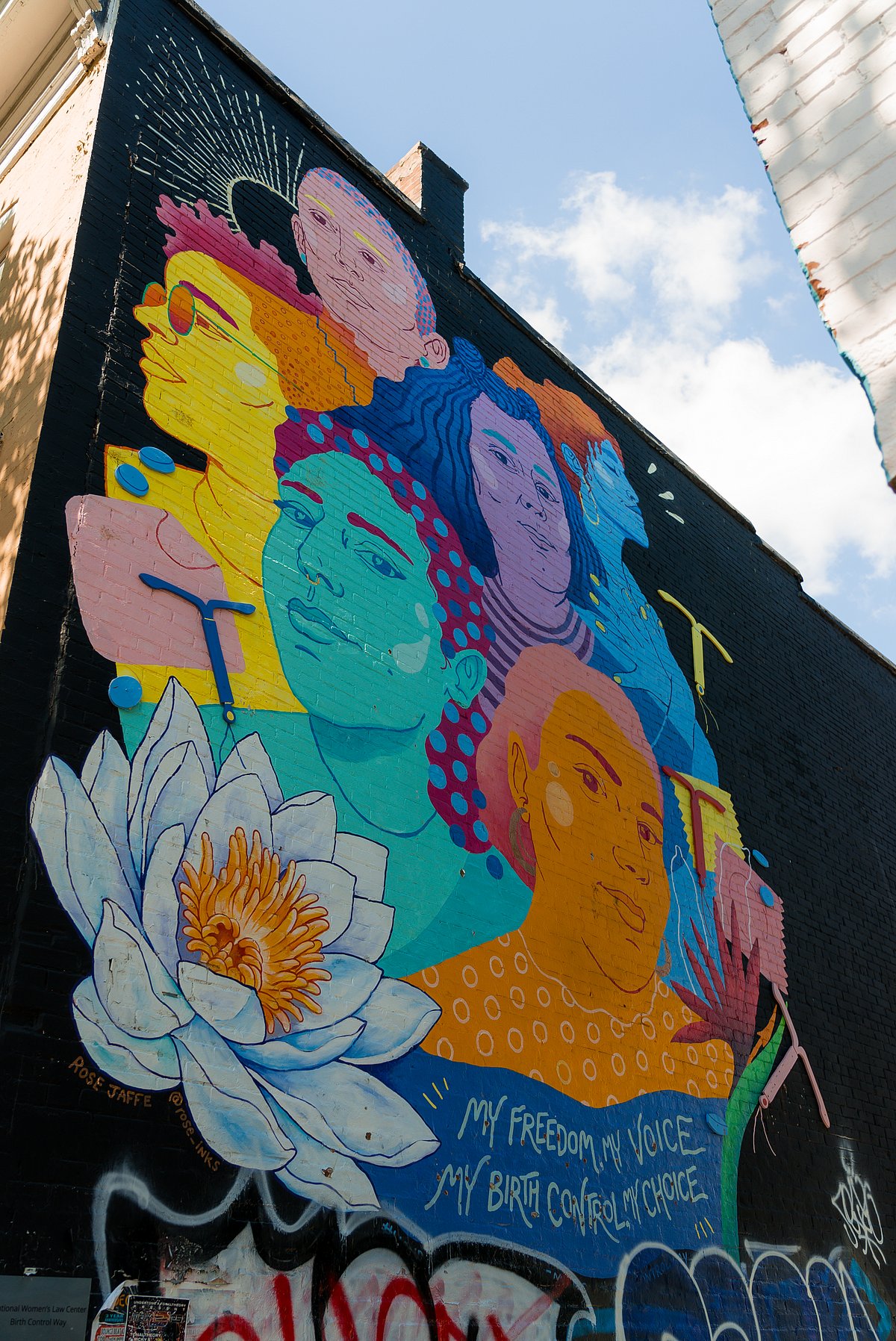
Mural | Pic: Washington.org
For deeper context, we head to the National Museum of African American History and Culture. Its underground historical galleries are deliberately sombre. Among the most affecting displays is a slave cabin that once housed enslaved people on a plantation. The higher floors lift us, literally and emotionally, with stories of Black achievement in music, theatre, sports, and popular culture. One can even interactively learn stepping, a percussive Afro-American dance form.
At the adjoining National Museum of American History, objects and personal accounts reveal the country’s complex, multiracial past beyond just the familiar political narrative. The Many Voices, One Nation exhibit traces 500 years of migration and probes how so many individuals became “American”. The commentary here is far from simply Black and White, bringing in the perspectives of Indigenous groups, Latinos, Asian Americans, LGBTQ+ communities, women, and people with disabilities.
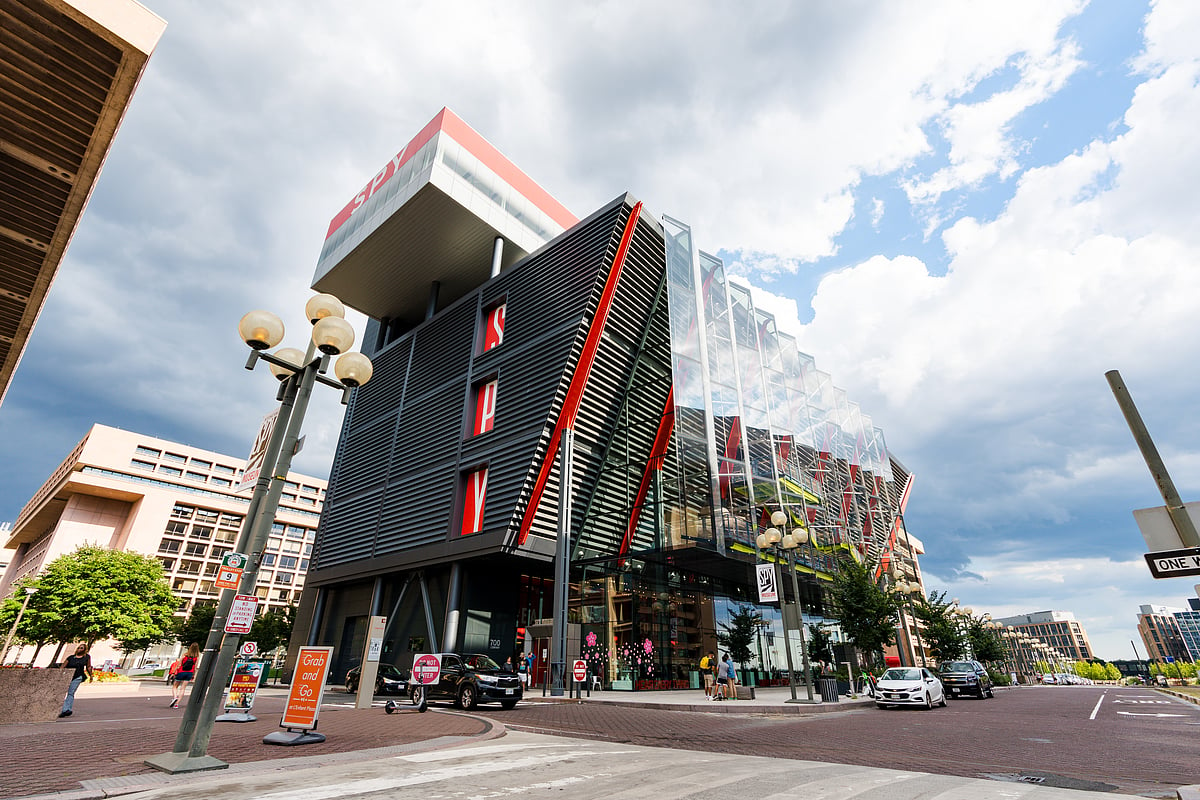
International Spy Museum | Pic: Washington.org.jpg
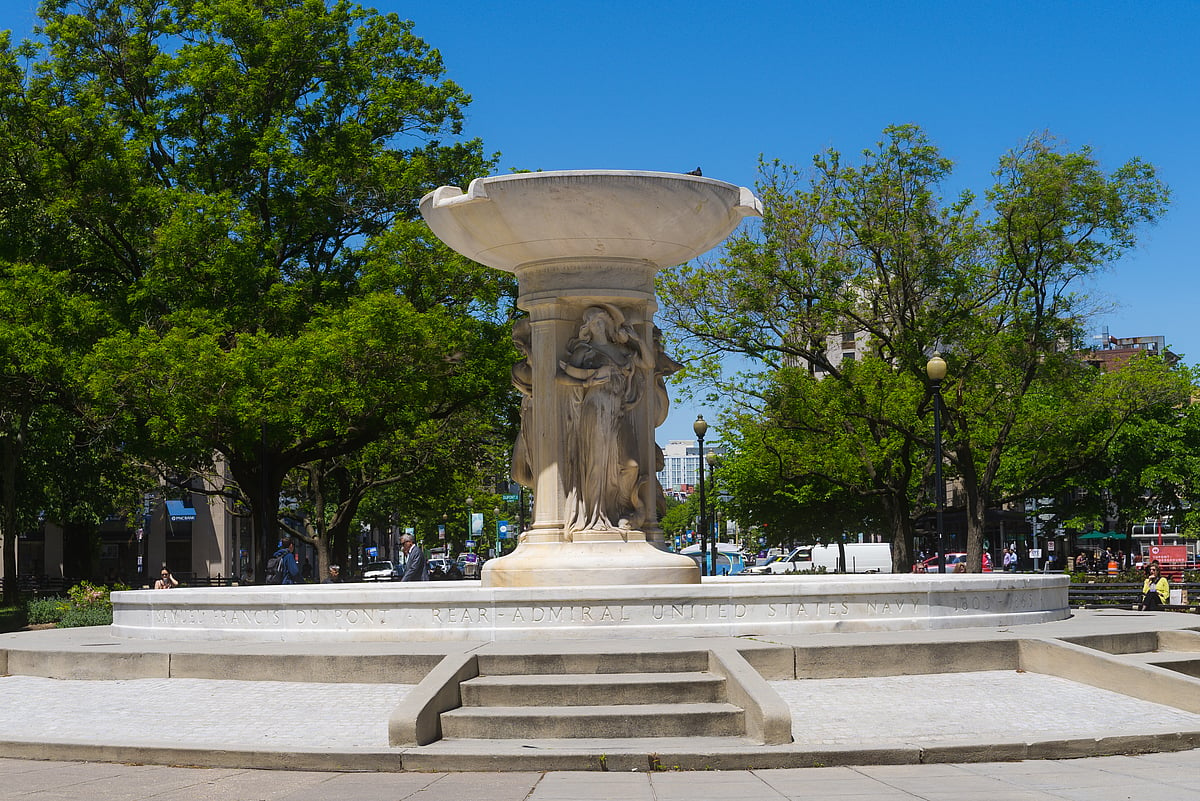
Dupont Circle neighbourhood | Pic: Washington.org.jpg
D.C.’s museum circuit is among the world’s most expansive, and one needs to choose wisely. If your interest is Indigenous history, there’s the National Museum of the American Indian. For something immersive, tech-driven, and gamified, head to the Milken Centre for Advancing the American Dream, whose flagship experience examines how education, health, entrepreneurship, and access to capital shape opportunity.
The International Spy Museum sparks our curiosity, and we discover stories of erstwhile immigrant women spies such as German-born Marlene Dietrich and Czech-born Barbara Lauwers. Their familiarity with Europe helped US intelligence during the Second World War. Turns out, even in espionage, this land embraced outsiders.
As we wrap up our day, we uncover yet another “alien account”, right where we are staying. In the 19th century, Italian immigrants established the F.W. Bolgiano Seed Company. Its 1930s premises in the Union Market district, now restored into Hotel Nell, are named after Nell Bolgiano, the matriarch who once led the company. She was a rare corporate trailblazer at a time when women had only recently won the right to vote. We start sensing that beneath Washington’s historic establishments lie many such tales of outsiders who fought to claim their place.
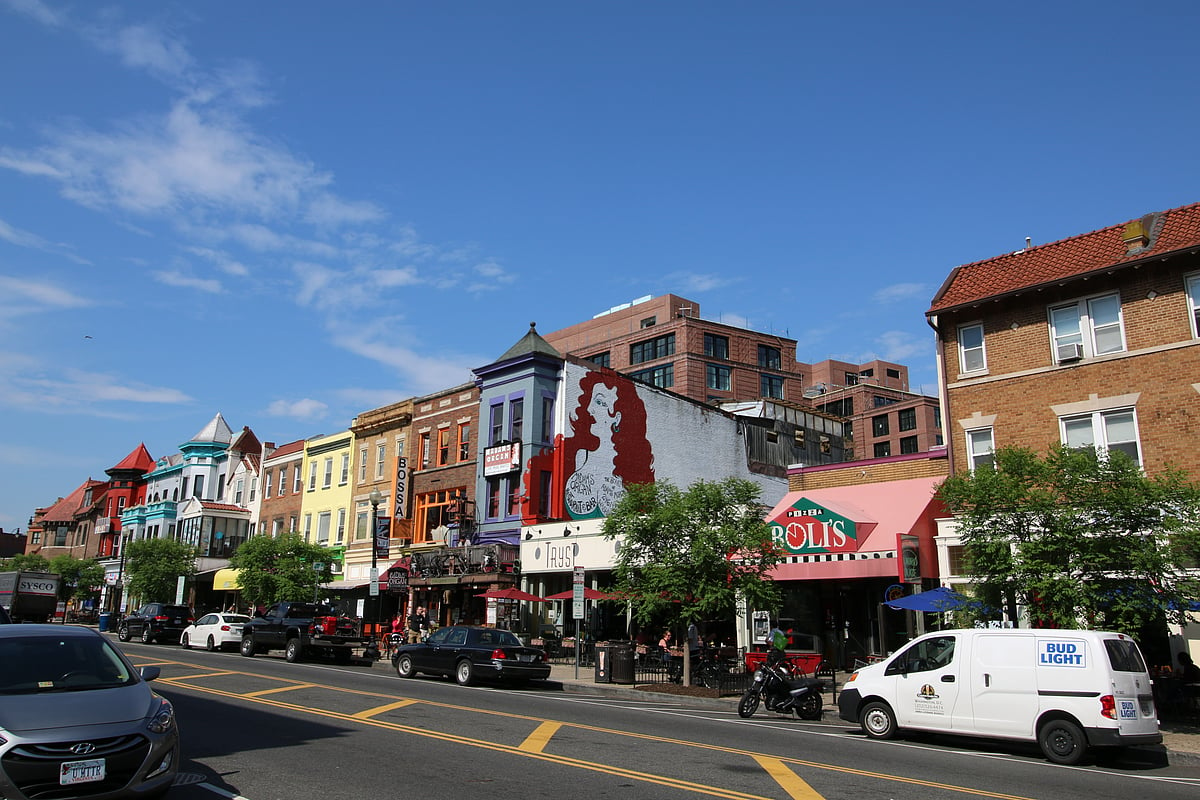
Adams Morgan neighbourhood | Pic: Washington.org
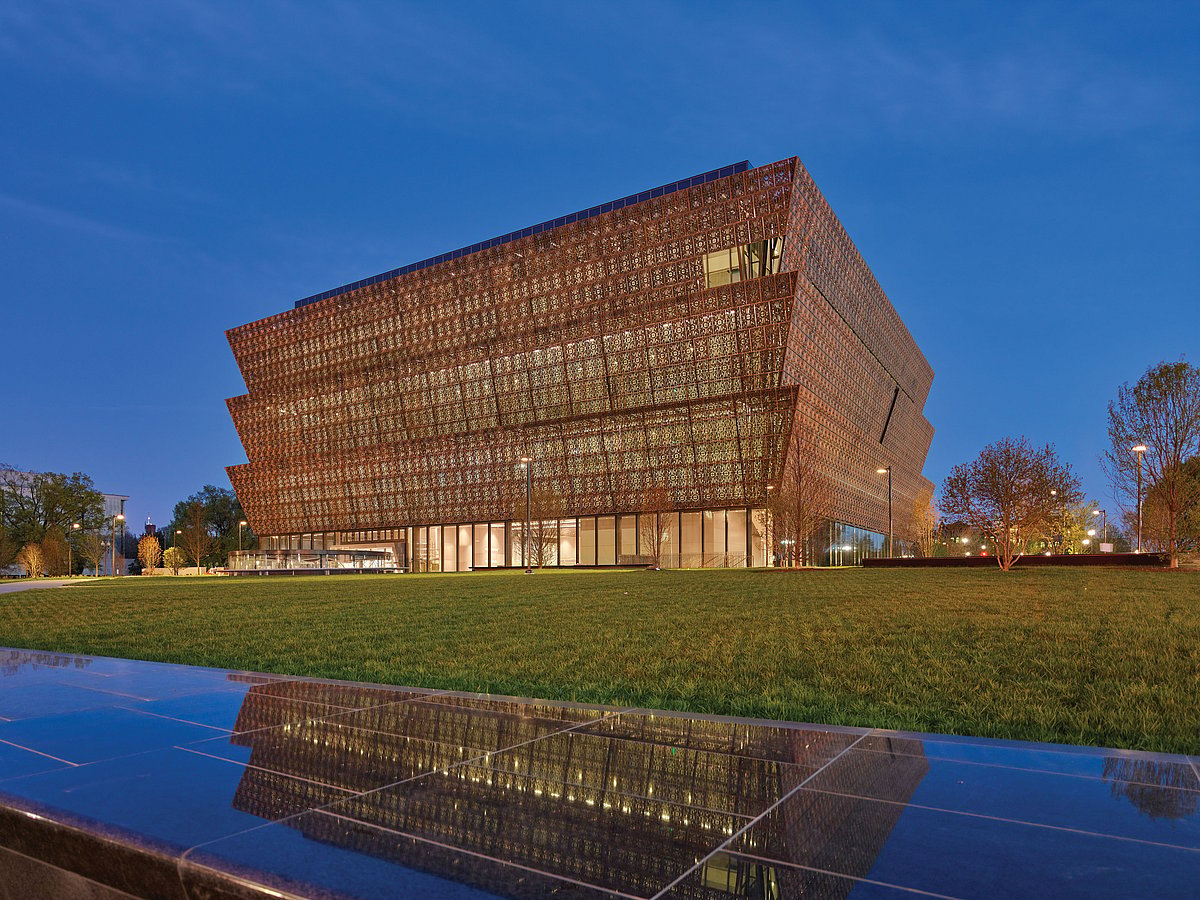
National Museum of African American History and Culture | Pic: Alan Karchmer
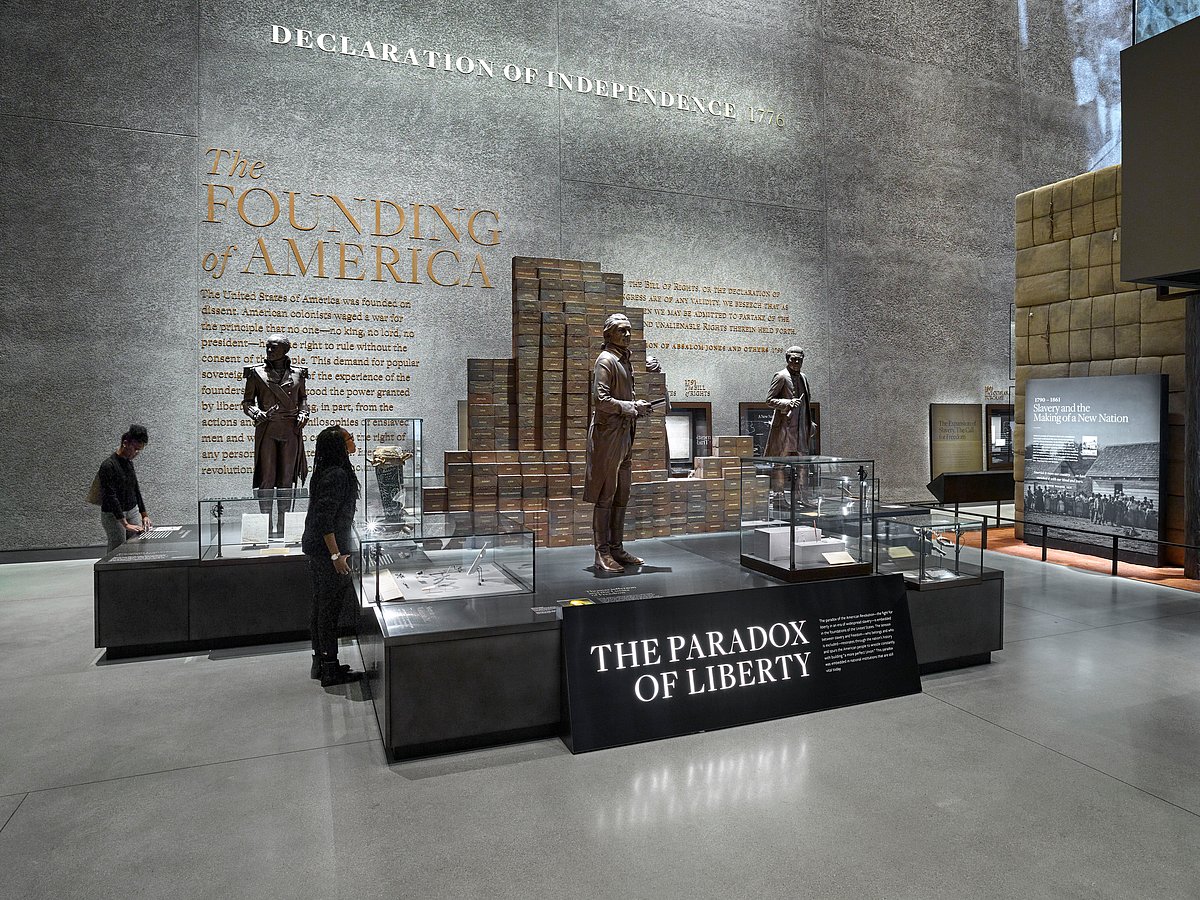
National Museum of African American History and Culture | Pic: Alan Karchmer
Day 2: A place for everyone
Time to find where they are now! We begin at Dupont Circle, once the centre of the capital’s queer life and the site of its first official Pride celebration. Most of the former gay bars have disappeared as the queer community became more integrated into the wider city. However, 17th Street remains a vibrant corridor, with institutions such as Annie’s Paramount Steak House, a safe haven for gay Washingtonians since the 1950s.
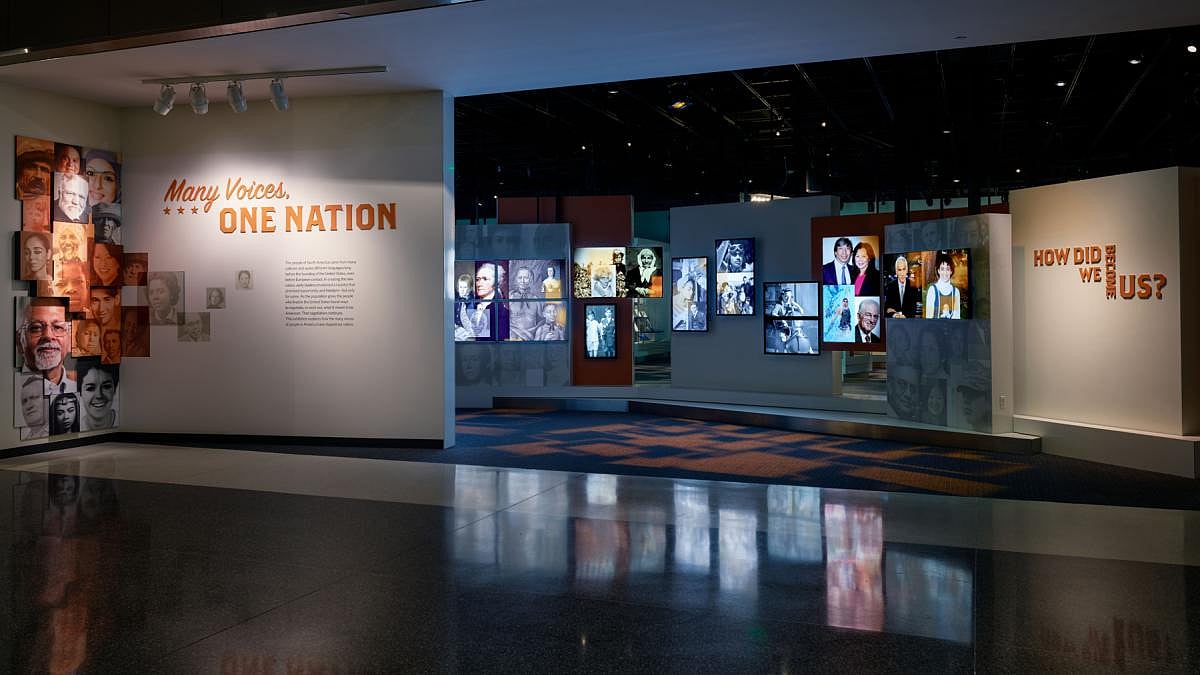
The Many Voices, One Nation exhibit at National Museum of American History |
We walk towards Adams Morgan, where Ethiopian restaurants and Salvadoran kitchens cluster around Columbia Road. Colourful murals are part of the neighbourhood’s identity, so we follow a self-researched route through the surviving works. Among the oldest is A People Without Murals Are a Demuralized People, painted by Latino immigrant artists in 1977. We share an Ethiopian platter served over an injera pancake and try a Salvadoran pupusa, a thick corn flatbread stuffed with cheese, beans, and meat.
Continuing north, we enter Mount Pleasant, one of D.C.’s most established Latino neighbourhoods. Browsing the independent shops, we realise that Spanish is the street language here. Much has been done to preserve the area’s cultural character. Prominent Latino Heritage Trail markers guide us through the businesses that shaped the area and the people behind them. Nearby in Columbia Heights, the revived, century-old Tivoli Theatre showcases Hispanic plays, music, and dance.
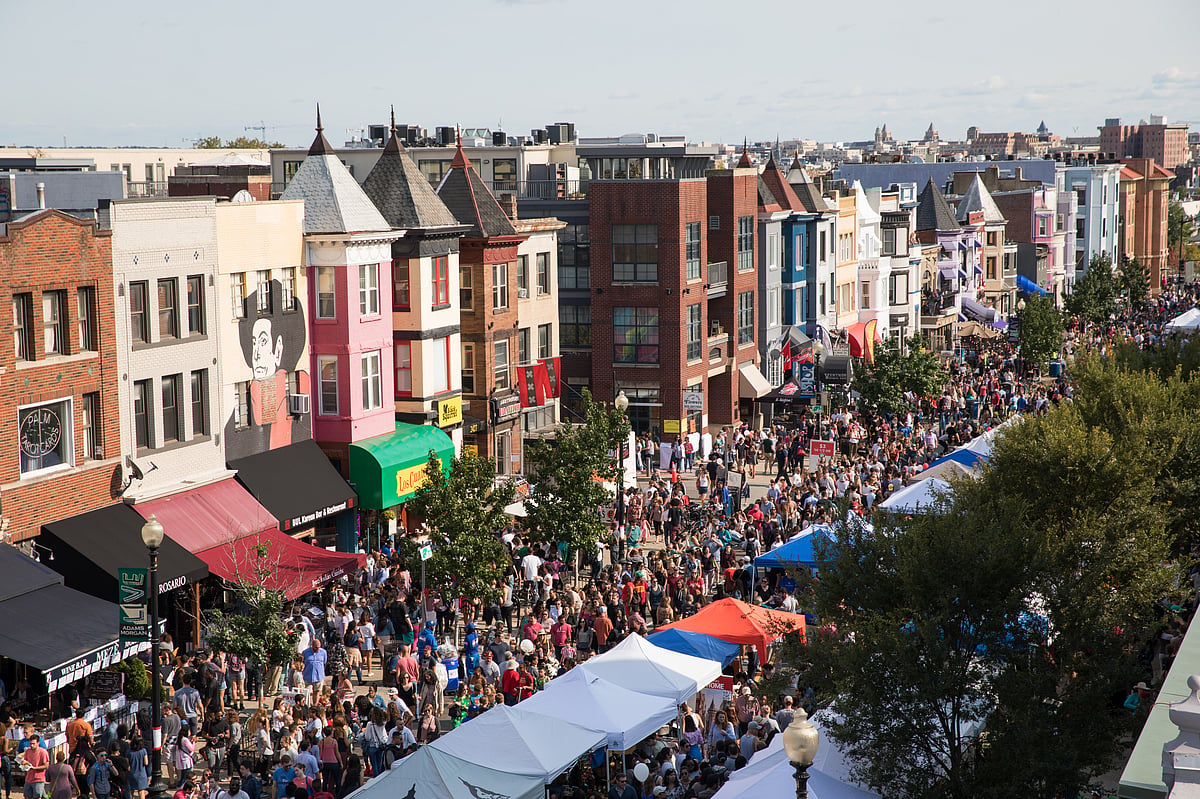
Adams Morgan neighbourhood | Pic: Washington.org
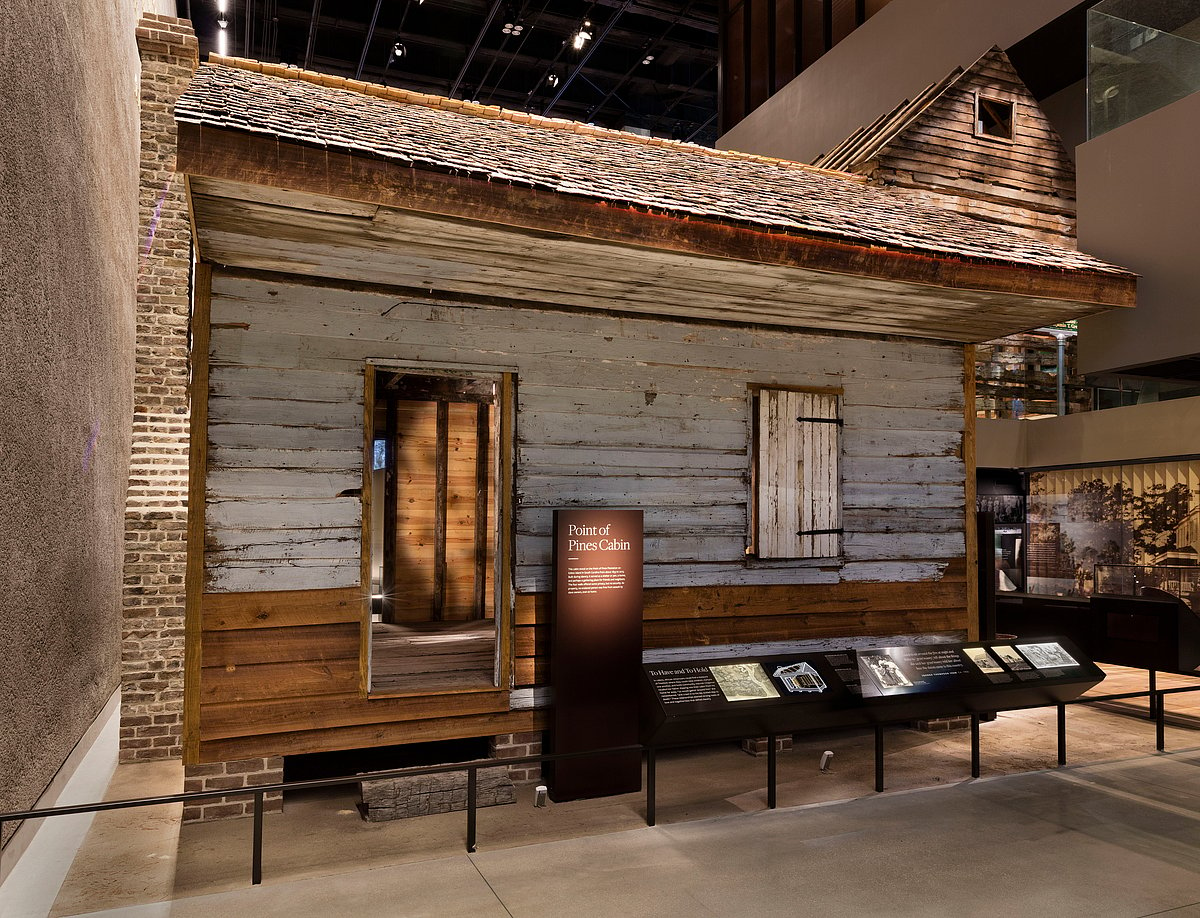
National Museum of African American History and Culture | Pic: Eric Long
By sunset, we reach U Street, once known as “Black Broadway” for the community’s leading performers who filled its theatres and clubs. The Lincoln and Howard theatres carry forward that legacy. Here, it is customary to order D.C.’s signature chilli-topped half-smoke at Ben’s Chilli Bowl, a Black-owned institution that became a gathering place for civil-rights leaders and artists.
In the adjoining Shaw neighbourhood, our evening winds down in a hidden basement speakeasy, listening to jazz, music that emerged from cultural mixing in late 19th-century New Orleans. By now, D.C.’s remarkable dichotomy is unmistakably clear. While the halls of power continue to define the boundaries of American identity, the city’s past and living present have long since outgrown the idea of outsiders.

