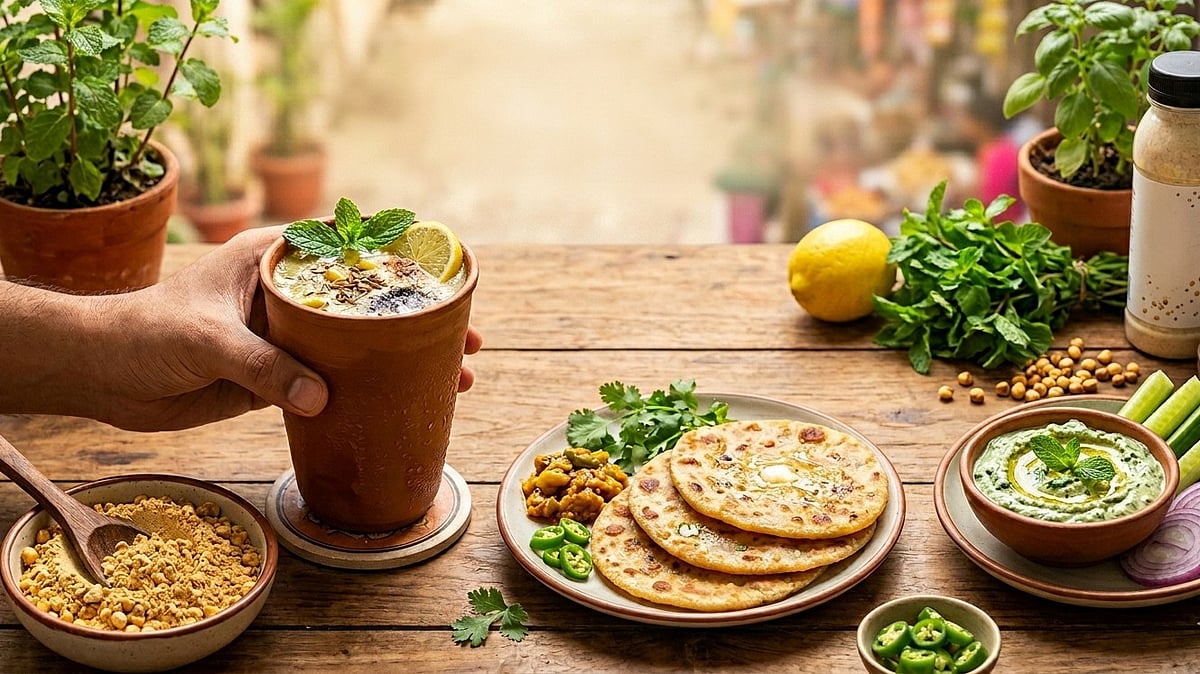
As the mercury soars across the country, experts suggest turning to the age-old Indian superfood: sattu. One of the most indigenous protein sources and a staple in various parts of India during the summer, sattu is typically made of roasted Bengal gram. However, it also has regional variants, made using other pulses and cereals such as barley (jau), maize, or a blend of different grains. According to Ayurvedic traditions, sattu helps balance the pitta dosha, bringing down body temperature significantly. Its cooling effect on the body makes it a summer favourite.
Natural protein
Unlike earlier, when it only belonged to a few states in India and was referred to as ‘poor man’s protein’, sattu is now a famous and exotic food ingredient that is easily available even in supermarkets. Usually served as a drink by street vendors or used for various dishes at home, sattu is considered a powerhouse of energy. Dr Nupur Krishnan, a clinical nutritionist, says, “Sattu is filled with a significant amount of insoluble fibre, which can greatly benefit your gut. Rich in protein (essential for muscle repair), iron, magnesium, and calcium, it acts as an excellent natural protein powder. Since it is high in insoluble fibre, sattu also aids in digestive health and relieves constipation. Sattu drinks can also assist with weight loss, as they are high in both fibre and protein.”
Drink it up
In states like Bihar, Jharkhand, West Bengal, Uttar Pradesh, Rajasthan, and Madhya Pradesh, sattu is commonly consumed as a sharbat. Its high mineral content helps replenish electrolytes lost through excessive sweating, making it more effective than plain water for maintaining fluid balance and preventing heat-induced lethargy. “Every 100 grams of sattu flour provides 24.5 grams of protein. It also contains fibre, iron, magnesium, and calcium, which help fight fatigue caused by the summer heat and is cost-effective,” says Vidisha Parekh, Chief Dietician at Lilavati Hospital and Research Centre, Mumbai. She adds, “If you have a busy morning, just make a quick and easy sattu porridge, or have a sattu drink as a post-workout refreshment. It’s filling and keeps your energy levels steady even when temperatures soar.”
Sattu is often lauded for its hydration properties too. “A glass of sattu, mixed with water, lemon, and salt or sugar replenishes essential electrolytes lost through sweating. Also, unlike sugary cold drinks that lead to dehydration, sattu provides sustenance and nourishment. Sattu has great detoxification properties too. It helps cleanse the system of toxins, reducing the impact of summer heat,” suggests Dr Krishnan. As a summer superfood, sattu is a fave when it comes to boosting skin health by providing intense hydration. It is rich in iron, calcium, and antioxidants, which support skin cell regeneration, combat premature aging, and maintain elasticity: “Also, its antioxidant content and nutrients, including vitamin B complex, fight summer-induced UV damage and aging and may help reduce symptoms of skin conditions like acne, eczema, and psoriasis.”
A blessing for diabetics
What also makes sattu a great summer option is its health benefits for diabetics and those with cardiac history. Dr Krishnan explains, “Sattu has a low glycemic index (GI), which helps control blood sugar levels and prevents sudden spikes. Hence, I recommend diabetics make it a staple for their meals. Sattu is also great for heart health, as it helps lower cholesterol and improves blood pressure due to its nutrient profile. The iron and complex carbohydrates provide sustained energy throughout the day.”
While sattu is generally considered safe, it should be consumed in moderation, say experts. Its high potassium and protein content means individuals with thyroid conditions or kidney issues should consult a healthcare professional before making it a regular part of their diet. “Ayurveda suggests avoiding sattu after sundown and always mixing it with water or a healthy fat like ghee to balance its dry nature,” says Parekh.
Sattu Paratha
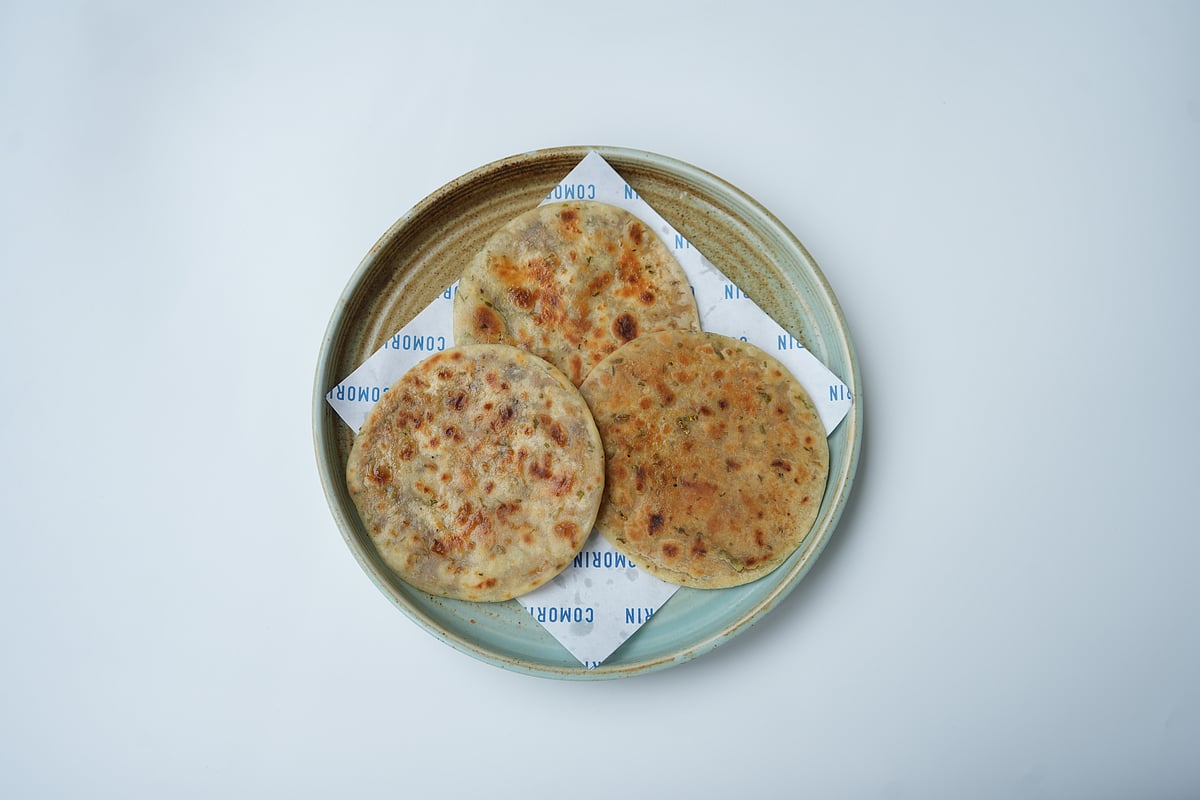
Sattu paratha is a wholesome and summer-friendly Indian flatbread made by preparing a soft dough with refined flour (maida), semolina (sooji) and a little oil. “The stuffing is created by mixing sattu aata with finely chopped green chillies, chopped ginger, fresh coriander, ajwain, chaat masala, and mashed mango pickle for a tangy, spiced flavour. Small portions of dough are filled with this mixture, rolled into flatbreads, and cooked on a hot pan with desi ghee until golden and crisp, resulting in a satisfying dish. It’s not only flavourful, but also known for its natural cooling properties, as sattu-based foods help regulate body temperature,” says Chef Dhiraj Dargan, Comorin Mumbai. He adds that ingredients like ajwain and ginger support digestion and provide steady energy without feeling heavy, making this paratha a summer favourite.
Sattu pudina hummus
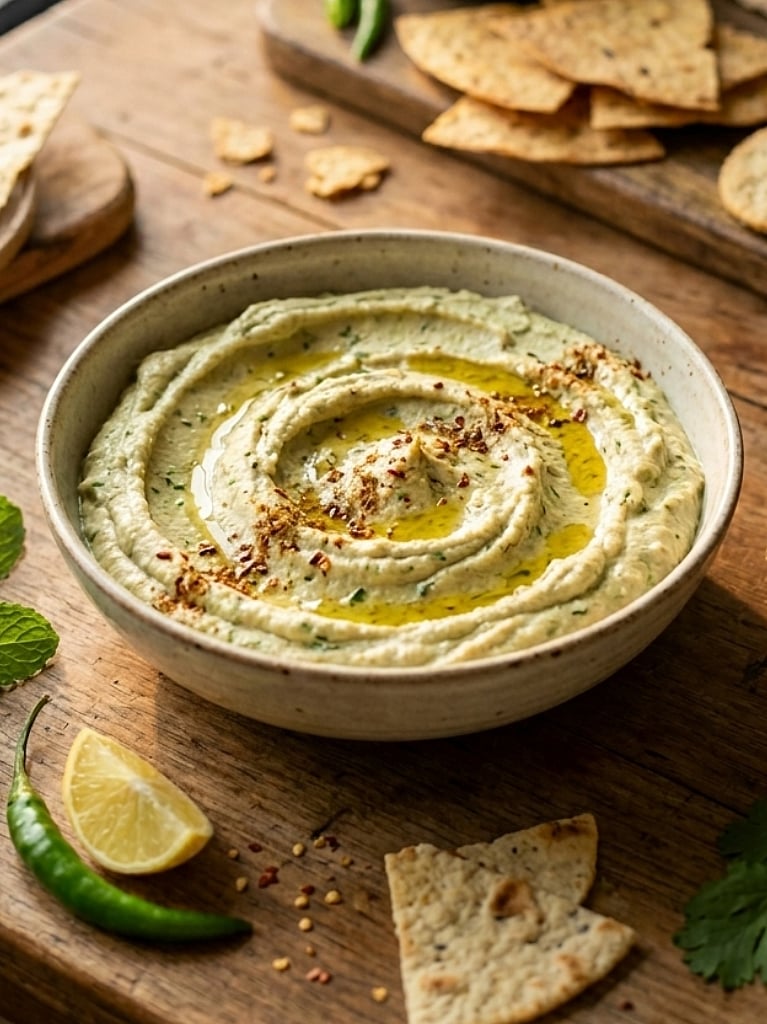
A lighter, more relatable version of hummus tailored to the Indian palate — made with sattu, pudina (mint), dahi (curd), and roasted garlic. It’s cooling, protein-rich, and far more suited to Indian summer than the classic version. Chef Payal Thakkar, Founder, The Munch Box Thali, Mumbai, says, “Blend 4 tbsp sattu, 3 tbsp think curd and 2 tbsp chilled water until smooth. Add 10 mint leaves and coriander, 1 clove of roasted garlic, 1 green chilli and 1 tbsp of lemon juice and blend again until creamy. Season with black salt and roasted cumin, finish with a light drizzle of olive oil, and chill before serving.” While sattu adds plant protein along with a nutty, earthy depth, pudina and dahi bring in a refreshing, cooling quality that makes it ideal for summer.

