Luxury used to be about exclusivity. Today, smart luxury brands are doing the opposite. They are collaborating with mainstream brands and creating products with mass appeal, well below their traditional price points. The strategy sounds risky, but recent examples suggest that when executed carefully, it can expand cultural relevance and definitely improve financial performance.
The clearest success story is the collaboration between Swatch and Omega on the MoonSwatch. Before the launch of MoonSwatch in 2022, Omega was clearly meant for traditional luxury watch consumers. Swatch, the streetwear watch brand, meanwhile, was struggling to remain culturally relevant in a smartwatch-dominated market. The MoonSwatch changed both narratives overnight.
Priced around $250–$400 depending on the model and market, the watch translated the iconic Omega Speedmaster into a colourful bioceramic product accessible and affordable for younger buyers. The series of 11 Bioceramic watches created a scarcity-driven hype usually reserved for sneakers or streetwear. The launch drove long, serpentine queues outside Swatch stores globally due to the uncertain drop schedules, exploding resale markets, and social media spectacle, which turned the watch into a pop culture phenomenon.
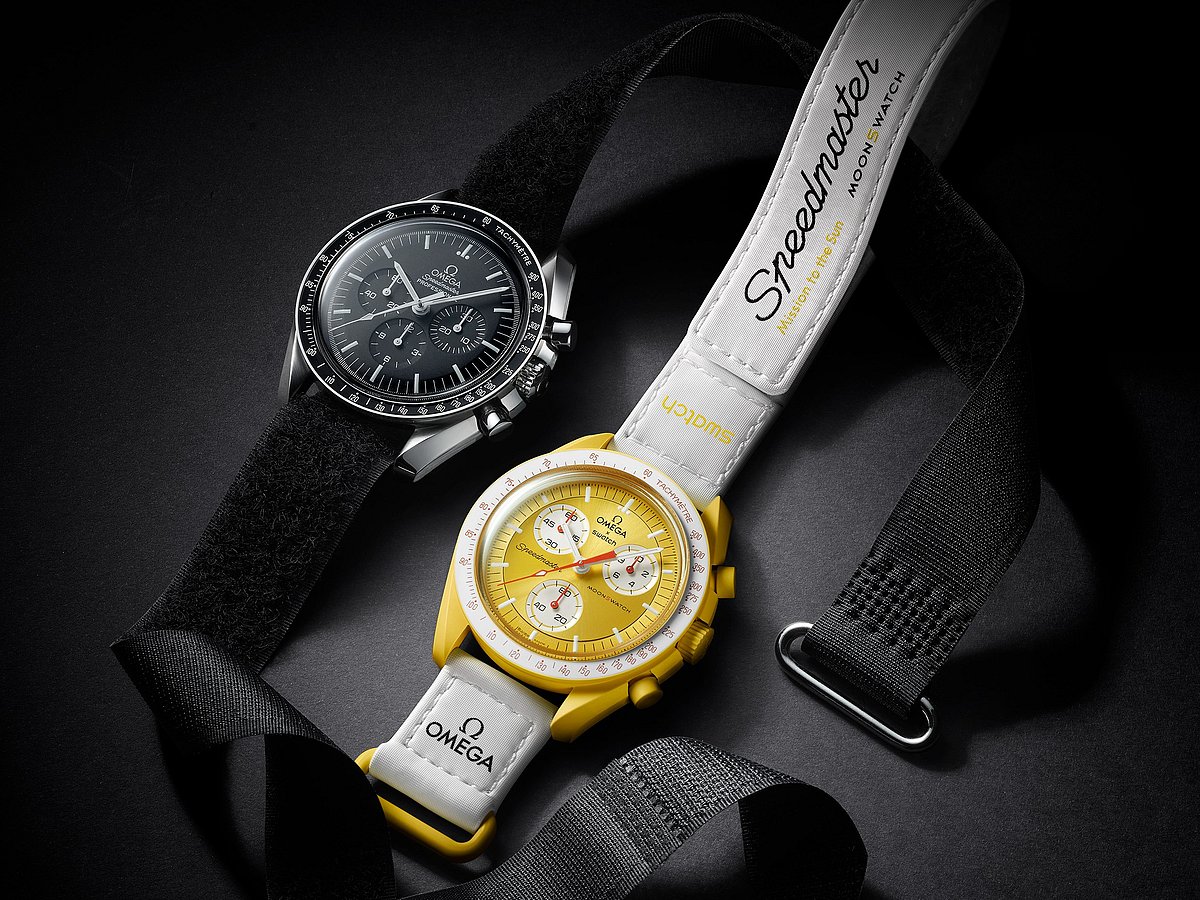
The MoonSwatch is a series of eleven Swatch models named after planets |
Financially, the results were significant. Swatch Group CEO Nick Hayek revealed that more than one million MoonSwatches were sold within the first year. Analysts estimated that Swatch’s turnover rose 63% to CHF 660 million after the collaboration, tripling from 2021 levels. Even Omega reportedly saw double-digit growth in sales of their Speedmaster line because the collaboration acted as a gateway into luxury collecting.
Jean-Noël Kapferer, Emeritus Professor of Marketing, HEC Paris, and one of the leading commentators on luxury, has long argued that luxury must balance exclusivity with cultural visibility. “If luxury loses visibility, it loses desirability,” he wrote in his book, The Luxury Strategy. The MoonSwatch collaboration demonstrated exactly that. Rather than diluting Omega’s prestige, the collaboration amplified the myth of the Speedmaster for a younger generation. Buyers may start with a $300 watch, but the emotional connection often pushes them deeper into the luxury ecosystem later. This is the key lesson luxury brands are learning: entry-level products no longer dilute prestige if they reinforce aspiration. The MoonSwatch did not make Omega feel cheaper. Instead, it made the Speedmaster more culturally visible to an entire generation that may never have interacted with Swiss watches before.
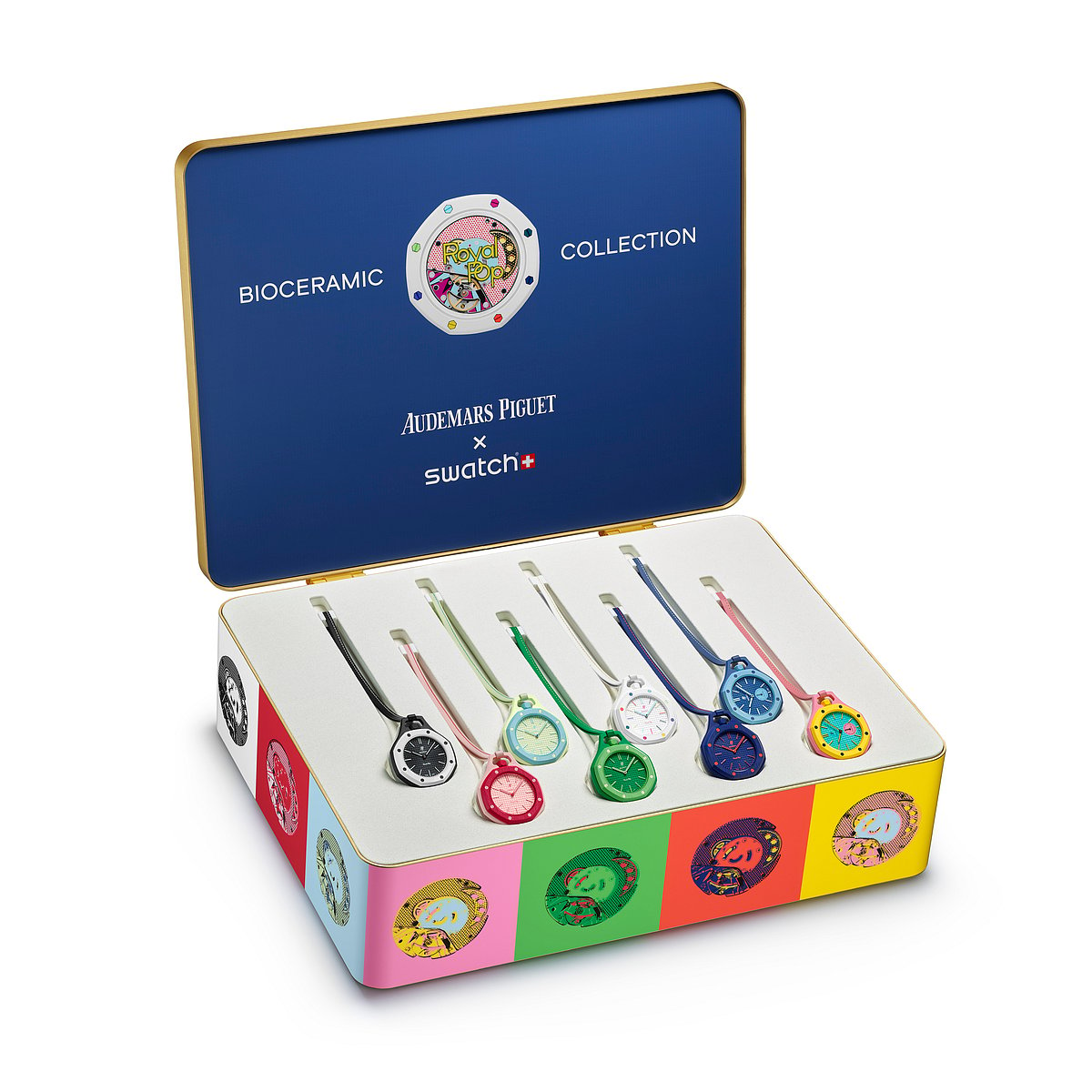
Royal Pop is a pocket watch available in eight models that can be worn in different ways |
Is this AP's boldest bet?
The next evolution of this strategy appeared earlier this month with the collaboration between Audemars Piguet and Swatch on the Royal Pop, priced at $420-450. Unlike the collaboration between Omega and Blancpain (the second Swatch collab), Audemars Piguet (AP) is not part of the Swatch Group, making this collaboration more radical. AP has historically guarded the exclusivity of its Royal Oak model with near-obsessive discipline. Yet the company chose to reinterpret one of horology’s most iconic designs, created by the legendary Gerald Genta, into an affordable bioceramic format.
The reaction to this collaboration made global headlines. Stores around the world experienced massive queues and crowd-control problems. Some stores in Mumbai, Milan and Dubai reportedly faced disruptions due to overwhelming demand and violent crowds. Online discourse on this craze was divided between enthusiasts who believed the collaboration democratised luxury and purists who feared brand dilution. Yet even the backlash demonstrated the power of the strategy: people who could never buy a $40,000 Royal Oak were suddenly discussing Audemars Piguet daily.

Experts argue that younger consumers increasingly value participation over ownership. Luxury is no longer only about possession; it is about belonging to the conversation. Collaborations thrive because they turn luxury into a social and digital event, not merely a transaction. These collabs also show how luxury brands are increasingly thinking like media companies. Luxury brands today are opting to create hype, virality, where cultural conversation matters more than immediate revenue. In a fragmented digital world, relevance itself has become a luxury asset.
Can Ferrari rewrite its DNA with Ferrari Luce?
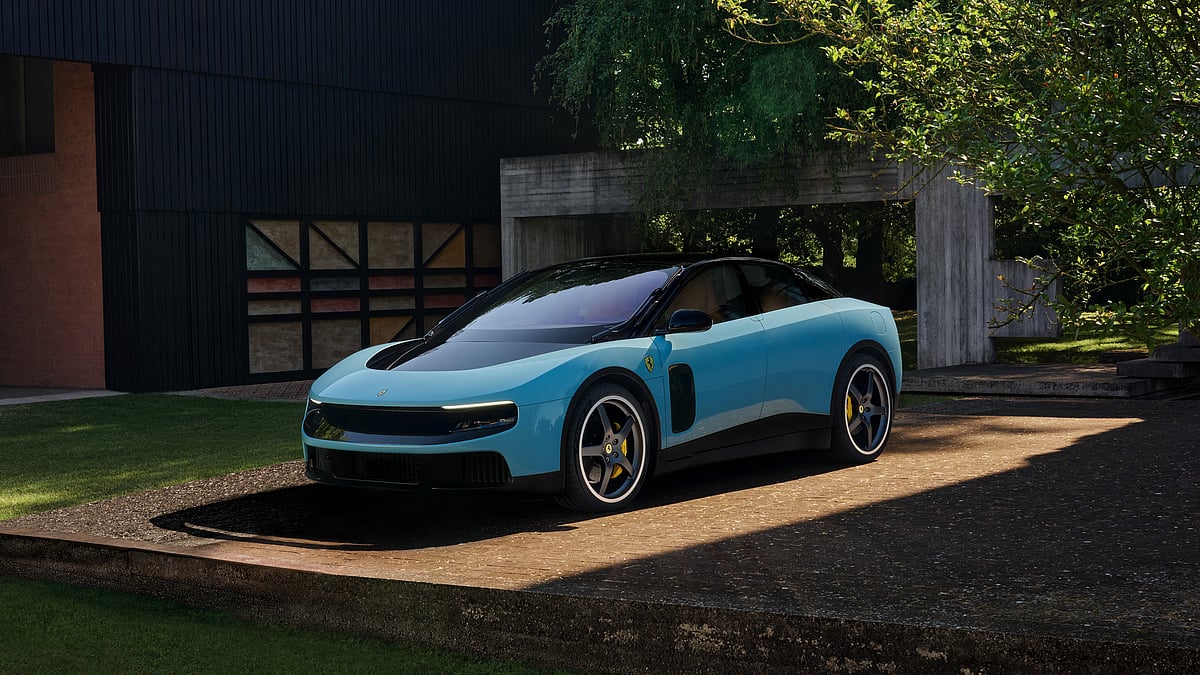
However, entering new categories may not always be successful. Ferrari's latest launch, Ferrari Luce, has drawn mixed reactions. The brand’s move into electric luxury vehicles and broader lifestyle positioning is aimed at attracting younger, tech-oriented consumers. The car, designed by former chief design officer at Apple, Jony Ive, is a dramatic departure from Ferrari’s traditional identity and has triggered investor anxiety. Ferrari gave up on their iconic sweeping curves designed to mimic the feminine form in the new Luce, which sports a pure, symmetrical silhouette. Following its unveiling, Ferrari shares fell sharply amid criticism that the product moved too far from Ferrari’s core DNA. The problem was not category expansion itself; Ferrari already sells lifestyle products and luxury experiences successfully. The issue was that consumers perceived Ferrari Luce that costs $640,000 as replacing heritage rather than extending it.
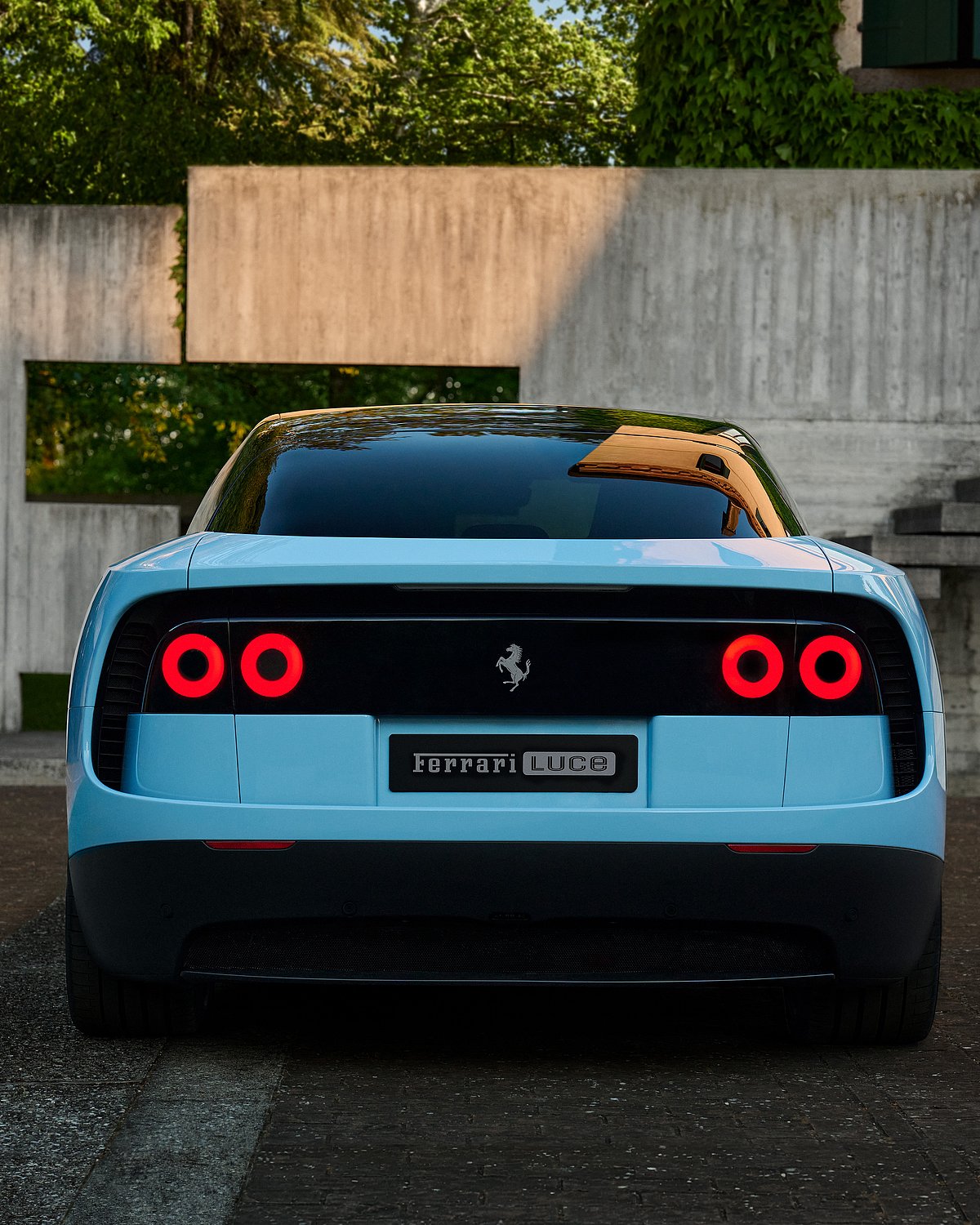
Luxury consultant Mario Ortelli summarised the risk in a recent investor note: “Luxury brands can stretch categories, but they cannot stretch meaning indefinitely.” Ferrari’s challenge is not technology; it is emotional continuity. Buyers still expect Ferrari to symbolise mechanical passion and racing heritage, even in an electric era. Luxury collaborations succeed when they preserve the fantasy while broadening participation. With the Luce, Ferrari has found itself faced with a new challenge: Foraying into electrification without compromising the essence of what the brand stands for. Acceptance of new designs is another challenge often faced by brands.
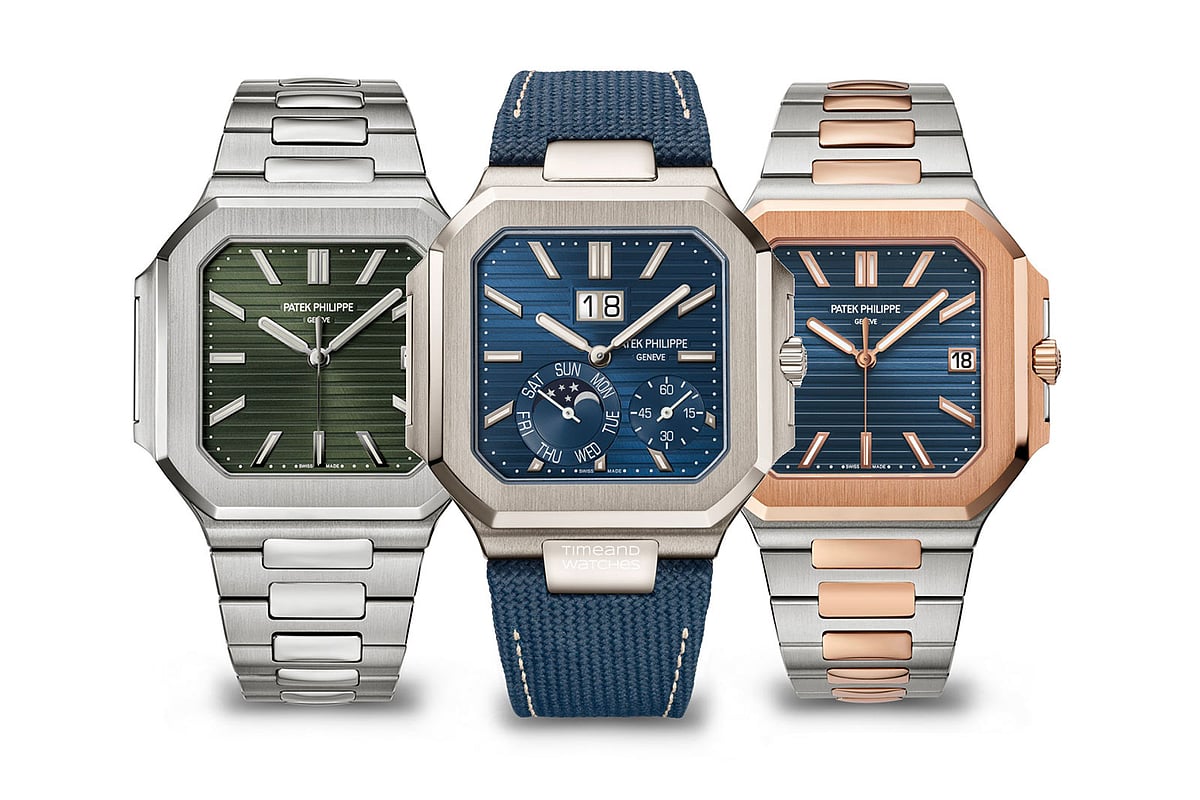
This was reflected even with Patek Philippe’s latest launch, Cubitus, the only collection launched by the iconic brand in this century. While Ferrari and Patek Philippe deviated from their core looks with these new drops, the newer audiences didn’t warm up to them as expected. While the brand power and legacy might be able to draw the audience to their new design language, the verdict so far is reserved.
Overall, luxury brands are getting collaborations and category extensions right when they follow three principles: maintain symbolic scarcity, create cultural conversation, and ensure the core luxury product remains aspirational. They need to make sure that the products become accessible but also recognisable.

