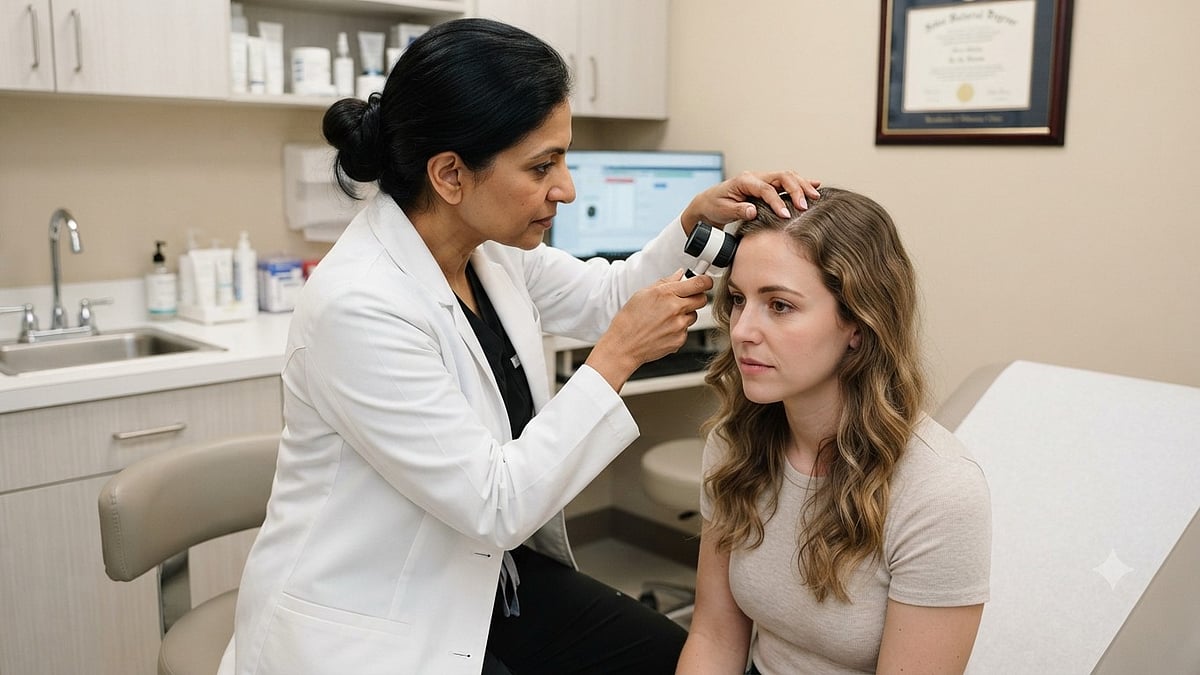
The Indian beauty and wellness consumers are much more ingredient-aware and results-driven in 2026 than ever before. They are starting to take a much more detailed approach to their skin care routines. Even if they follow a social media trend, they ensure it is dermatologist-approved, and we see an increase in use of active ingredients that have never been available to the general public prior to now, but even as consumers become increasingly informed about skincare and haircare, concerns such as acne, premature ageing, pigmentation and hair loss continue to affect people across age groups. In many cases, individuals invest in multiple products and routines, only to be disappointed when results fall short of expectations. The reason is simple: not every concern originates at the surface. Many skin and hair conditions are influenced by underlying biological, hormonal, metabolic or lifestyle factors that topical products alone cannot adequately address. Achieving meaningful and lasting results often requires looking beyond symptoms to identify and treat the root cause.
Persistent acne and hair loss
Historically, acne and hair loss have been seen as cosmetic problems. They have mostly been treated with topical products. Although cleansers, serums, scalp treatments, and targeted ingredients are beneficial for helping with these problems, there is a growing conversation around the associated aspects of holistic health. More and more experts are discovering that chronic acne and excessive hair loss can be influenced by a combination of internal, environmental, and lifestyle factors, which cannot fully be solved by using products alone. Urban lifestyles have created an increase in triggers of chronic stress, irregular sleep cycles, prolonged exposure to screens, as well as a lack of nutrition and hormones, pollution and sedentary lifestyles. All of these triggers are known to create a disruption of the body’s natural balance. Oftentimes, people will not see these factors until they manifest in one way or another with inflamed skin, repeated breakouts, thinning hair or hair density loss. Therefore, people very often experience continuous changes in product use to try and remedy or solve their underlying problems rather than working to find what the source of the problem is.
Rise of root-cause beauty
Due to this change in perspective, integrated beauty will be one of the biggest trends in wellness in 2026. Rather than thinking of skin care and hair care as separate things, consumers are now seeing the link between their skin health, scalp health, nutrition, hormonal balance, and overall health. This trend has shifted from dealing with symptoms to looking for root causes of the problem. When it comes to acne, for example, consumers will not only take into account the types of clogged pores and the excess oil that is produced, but they will also look at things like how well they are dealing with stress, what their eating habits are like, whether or not they have a healthy gut, and what is happening with their hormones. The same goes for hair loss; instead of focusing solely on scalp problems, the discussion has broadened to include such things as nutrition, metabolism, shed due to stress, and hormones. Another developing trend is the move away from one-size-fits-all solutions to an increase in the demand for personalized solutions. Consumers want to be guided to suitable products on an individual basis and will no longer settle for cookie-cutter recommendations from a beauty professional. Consumers are starting to utilize more advanced diagnostic tools, have more expert consultations related to their wellness, and will include more than one type of professional therapist in their wellness journey. Achieving long-term beauty requires a new level of comprehensive and sustainable solutions.
Looking beyond symptoms
Products play an important role in maintaining the health and appearance of our skin and hair. However, when concerns such as acne, pigmentation, premature ageing or hair loss persist despite a consistent routine, it may indicate that the underlying cause extends beyond what topical products alone can address. As the beauty and wellness industry evolves, we are moving away from viewing products and wellness as separate categories. Instead, there is a growing recognition that healthy skin and hair are often a reflection of overall health. Factors such as hormones, nutrition, stress, lifestyle and metabolic health can significantly influence visible concerns.
The future of beauty lies in combining scientifically backed skincare and haircare with a deeper understanding of the body's internal ecosystem. By addressing both the visible symptoms and their root causes, we can move beyond temporary fixes towards more meaningful, sustainable and long-lasting results.
(Dr. Priyanka Keshav, Dermatologist at VLCC Group)

