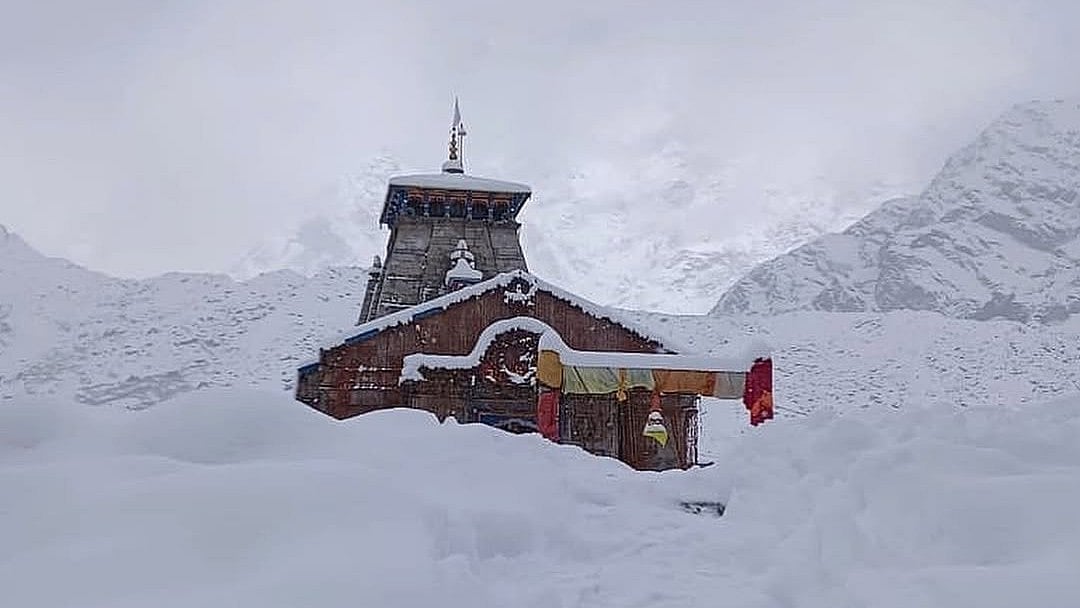
As the rest of India begins to transition into warmer summer weather, parts of Uttarakhand’s high Himalayan region are still experiencing intense winter conditions. Tungnath Temple in Uttarakhand has once again captured attention as fresh snowfall recently covered the sacred site in a pristine white blanket. Nestled in the Rudraprayag district at an altitude of around 3,680 metres (12,073 feet), Tungnath is known as the highest Shiva temple in the world and is one of the revered Panch Kedar temples. Keep on reading to know more about the temple.
About the Tungnath temple: The world's highest Lord Shiva temple
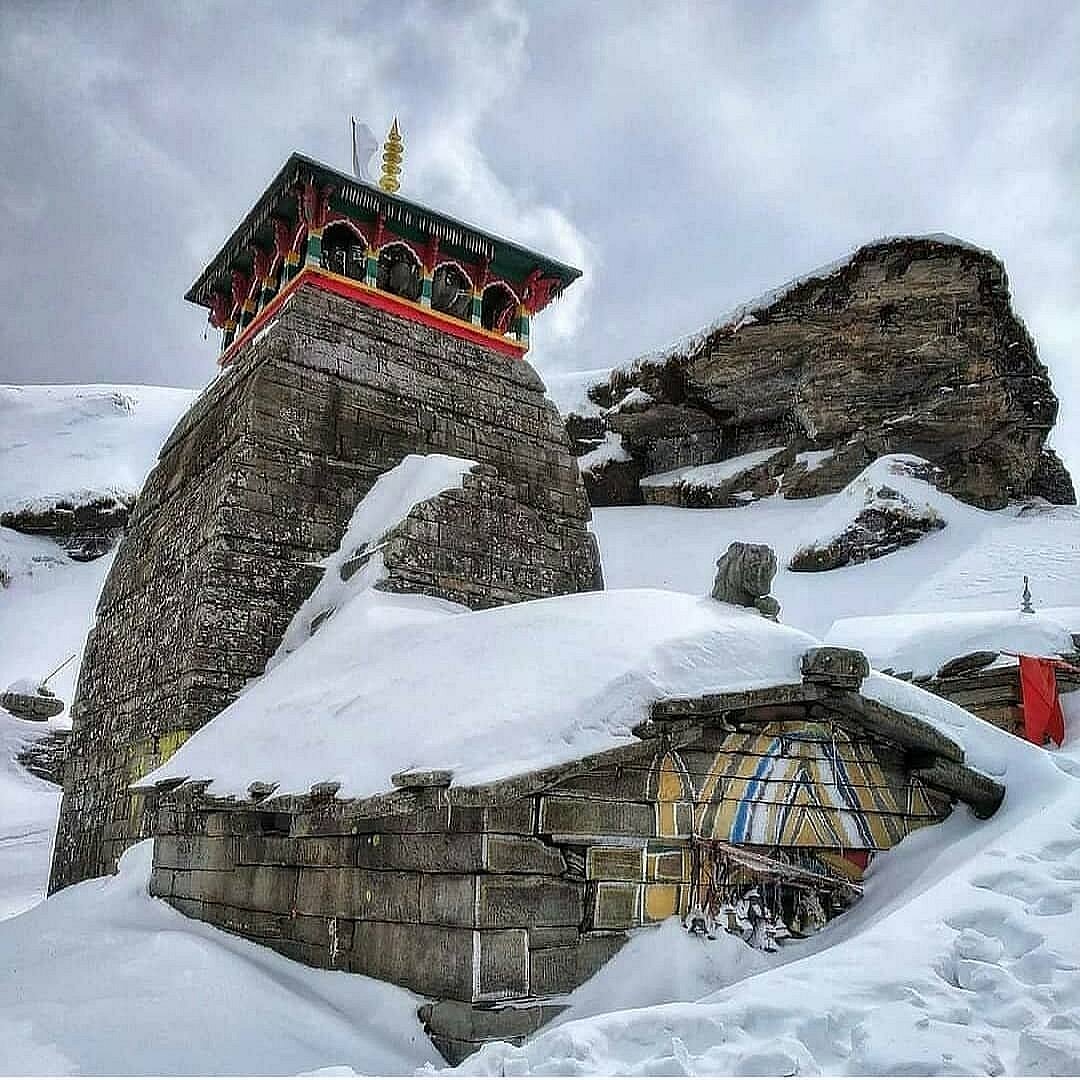
Tungnath Temple is dedicated to Lord Shiva, and it is believed to be over 1,000 years old. The temple is situated in the Garhwal Himalayas of Uttarakhand. It is also the third of the Panch Kedar temples. Tungnath is at the top of the ridge dividing the waters of the Mandakini River (rising from Kedarnath) from those of the Alaknanda River (rising above Badrinath). The peak on this ridge is the source of three springs, which form the Akashkamini River. Kedarnath, Chaukhamba, Neelkanth, and Nanda Devi could be witnessed from the top of Chandrashilla peak.
Tungnath temple: Linked to the Mahabharata
Tungnath holds immense mythological significance. According to legends, after the Mahabharata war, the Pandavas sought Lord Shiva’s blessings to atone for their sins. Shiva, avoiding them, took the form of a bull and disappeared into the ground. His body parts are believed to have appeared at five locations, now known as the Panch Kedar. At Tungnath, Lord Shiva’s arms (bahu) are said to have emerged.
Best time to visit Tungnath Temple
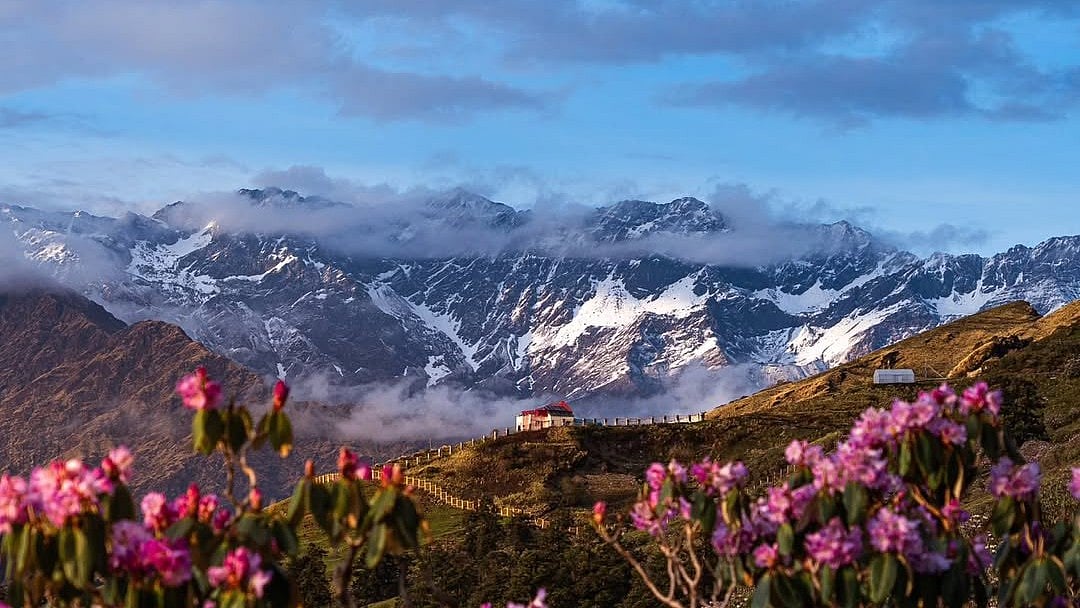
The best time to visit Tungnath is from April to June. Another good time to visit here is from September to November. Tungnath is not just a spiritual site but also one of the most serene and beautiful places in India. If you are someone you love, trekking, and consider nature your home, then you should visit the Tunganath temple. Reaching Tungnath involves a scenic yet moderately challenging trek from Chopta, often called the “Mini Switzerland of India.” The 3.5-kilometre trek offers breathtaking views of snow-covered peaks like Nanda Devi, Trishul, and Chaukhamba, making it a favourite among adventure seekers.

