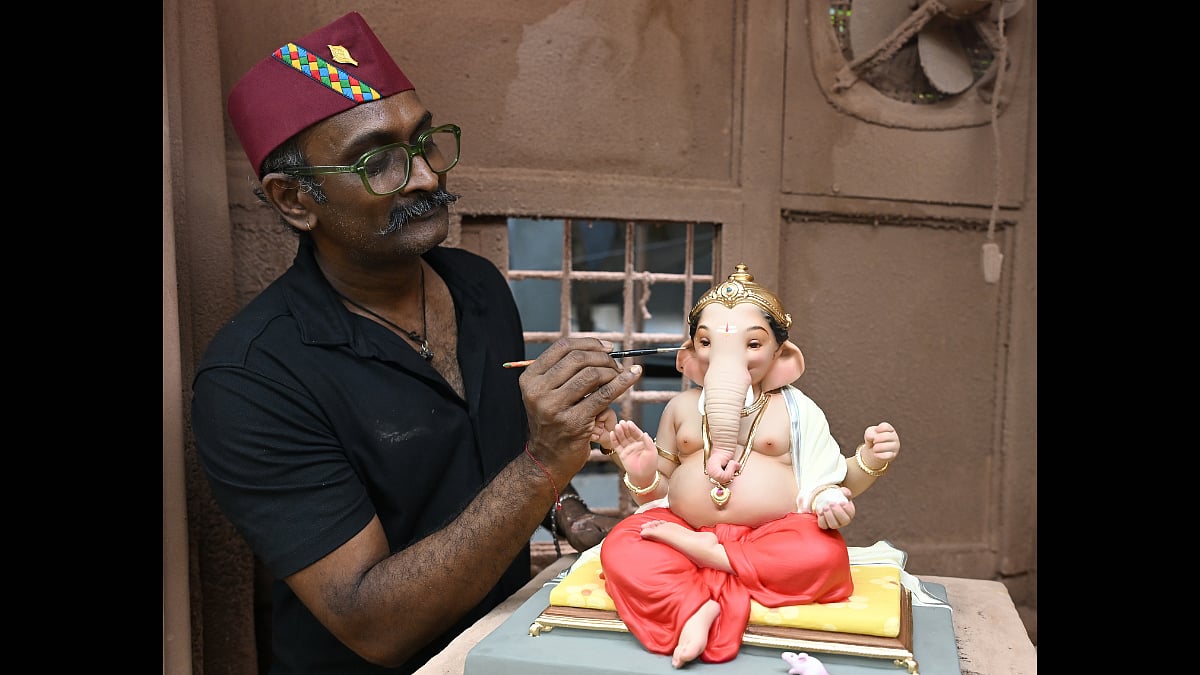
For sculptor Vishal Shinde Ganesha idol-making began in childhood. At six, he started learning the craft from his father, Suryakant Ramchandra Shinde, who had been sculpting idols for years despite having left school after eighth standard. Even while working in a mill after marriage, Suryakant Shinde continued making Ganpati idols with devotion because that was his passion.
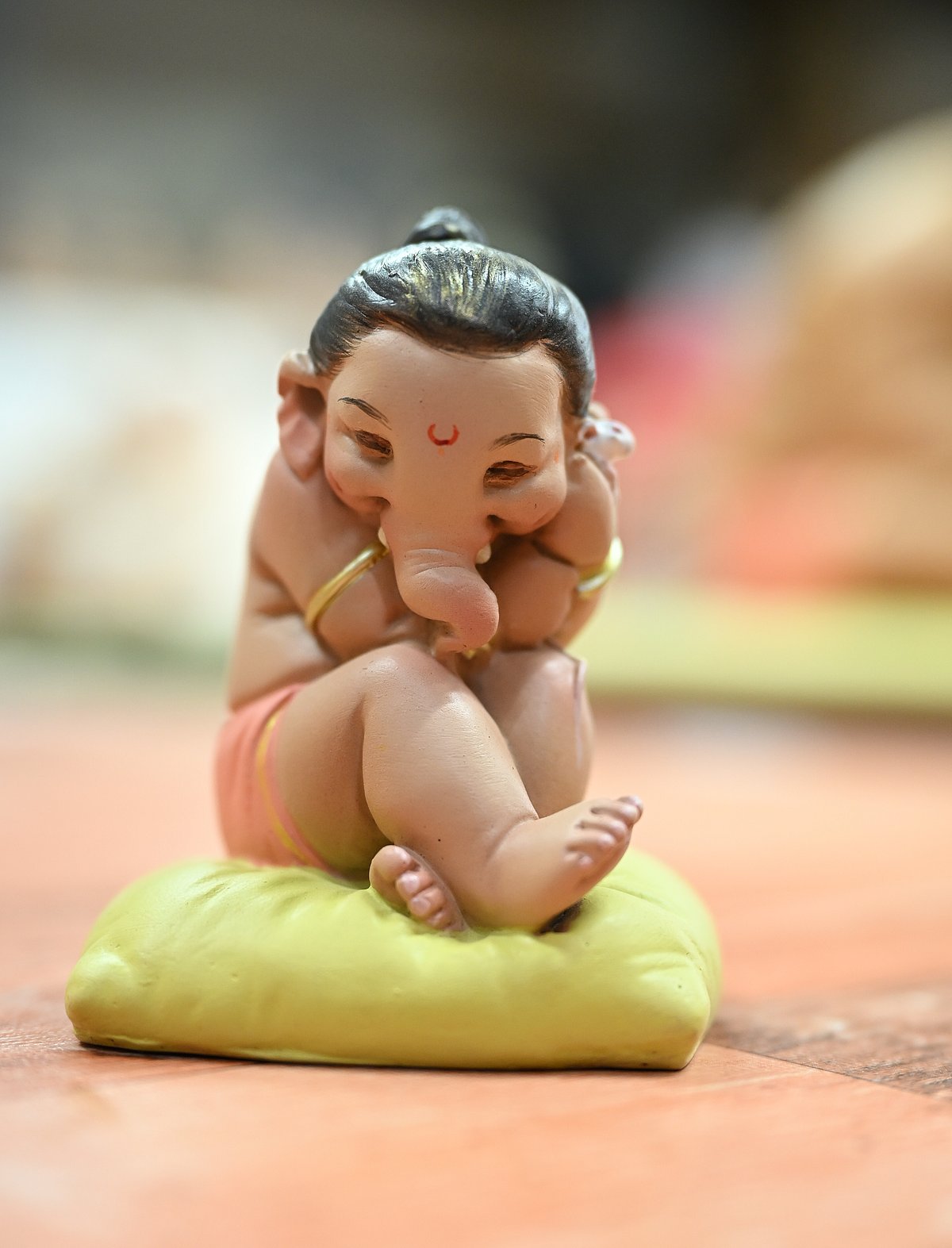
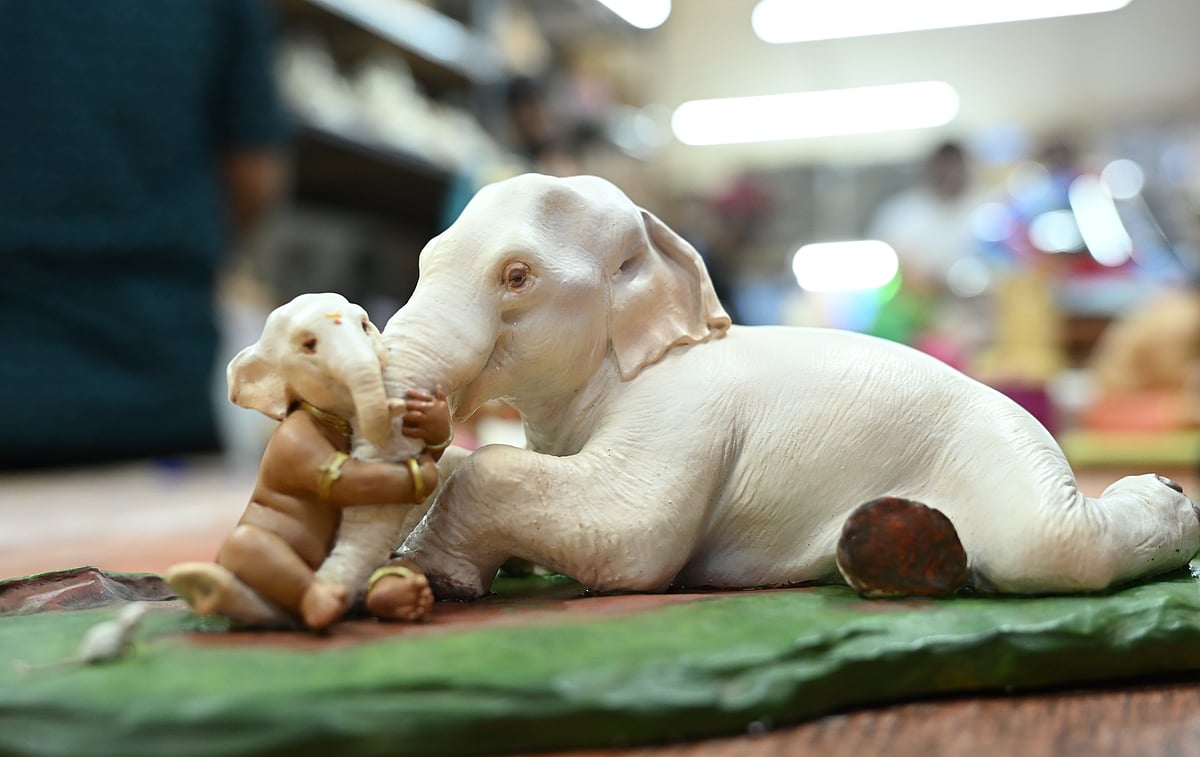
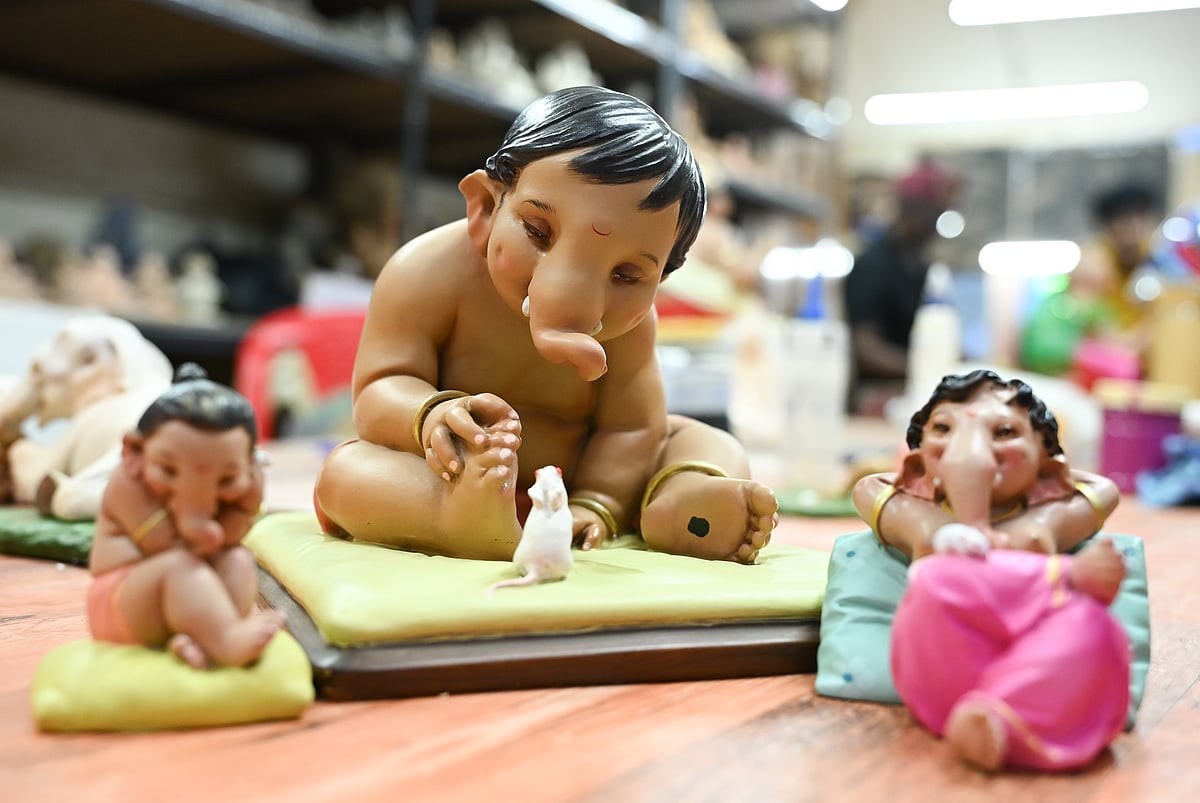
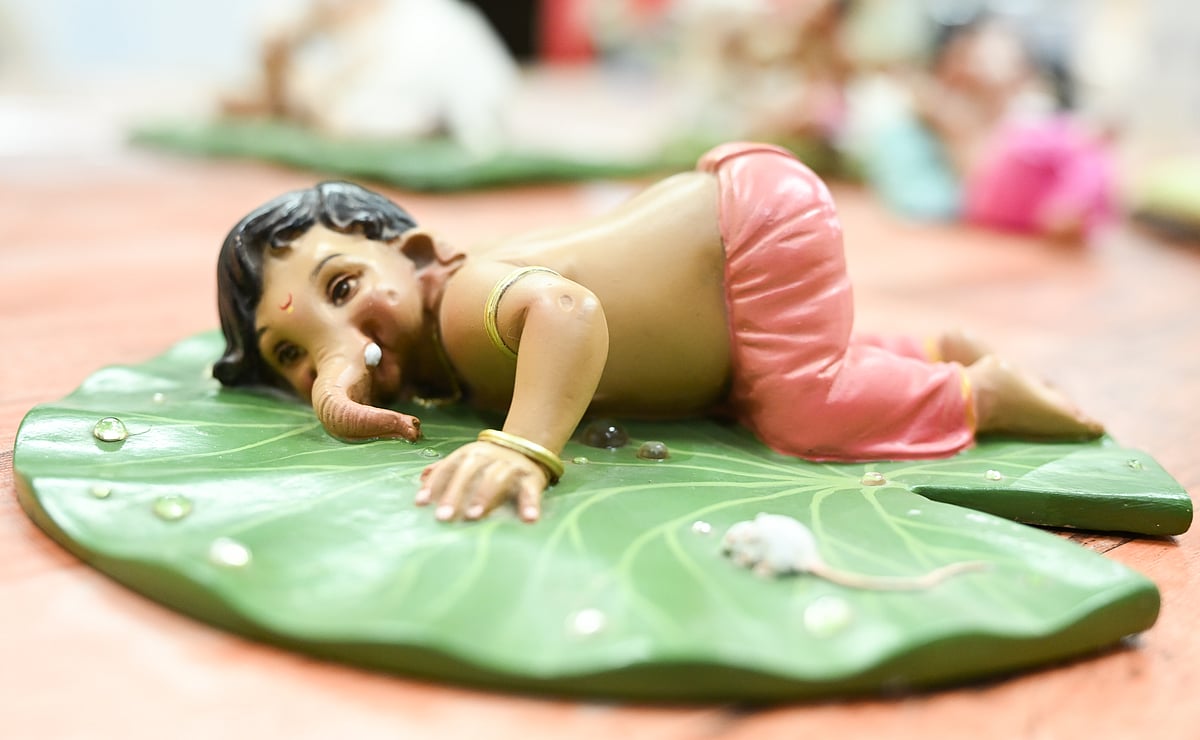
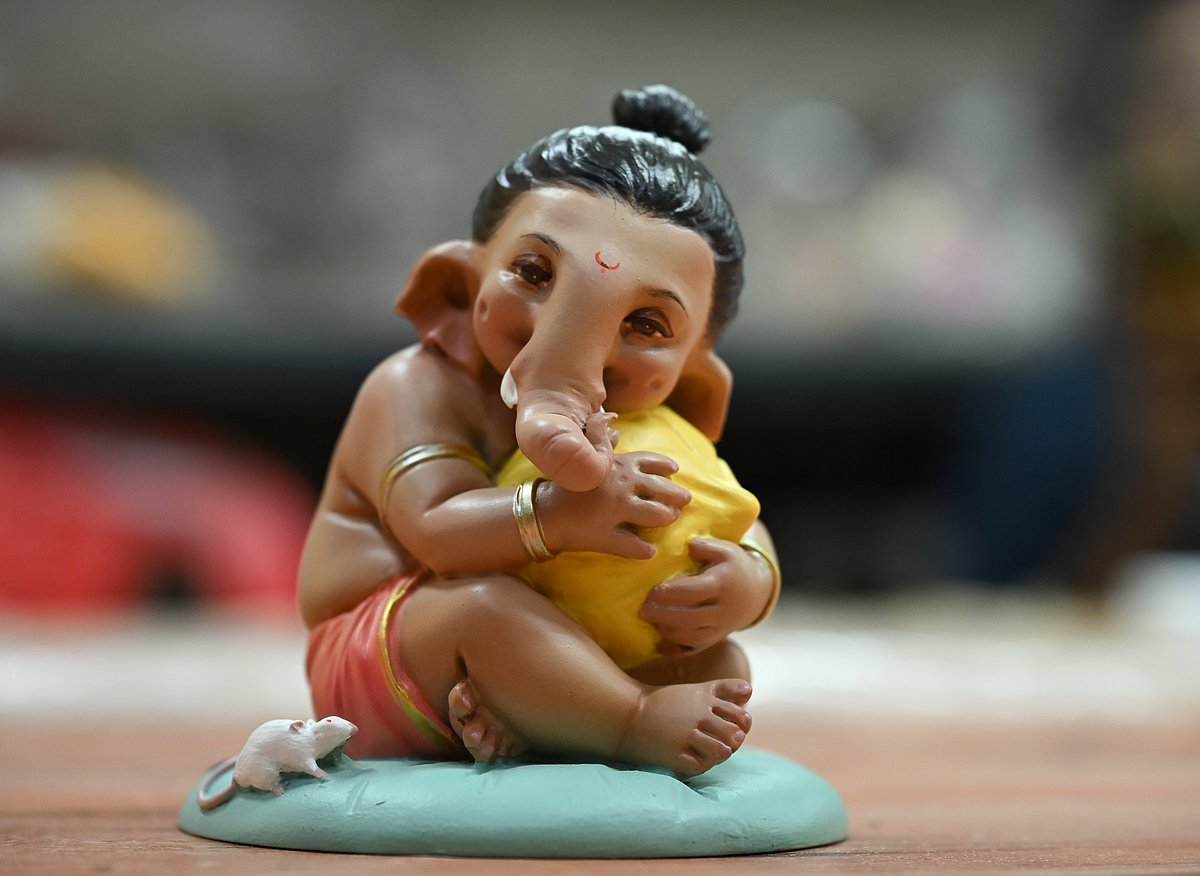
The family legacy eventually became his own creative journey. After completing college around 2010, he began experimenting with the idea of portraying Ganesha as a child. The inspiration came from his surroundings. “I live in a chawl, and we used to make Ganesha idols there. Watching kids play in the open spaces outside sparked ideas—observing how a small child plays, how they hold things, and imagining what Ganesha would look like and what activities he would be doing if he were in that form,” Vishal informs.
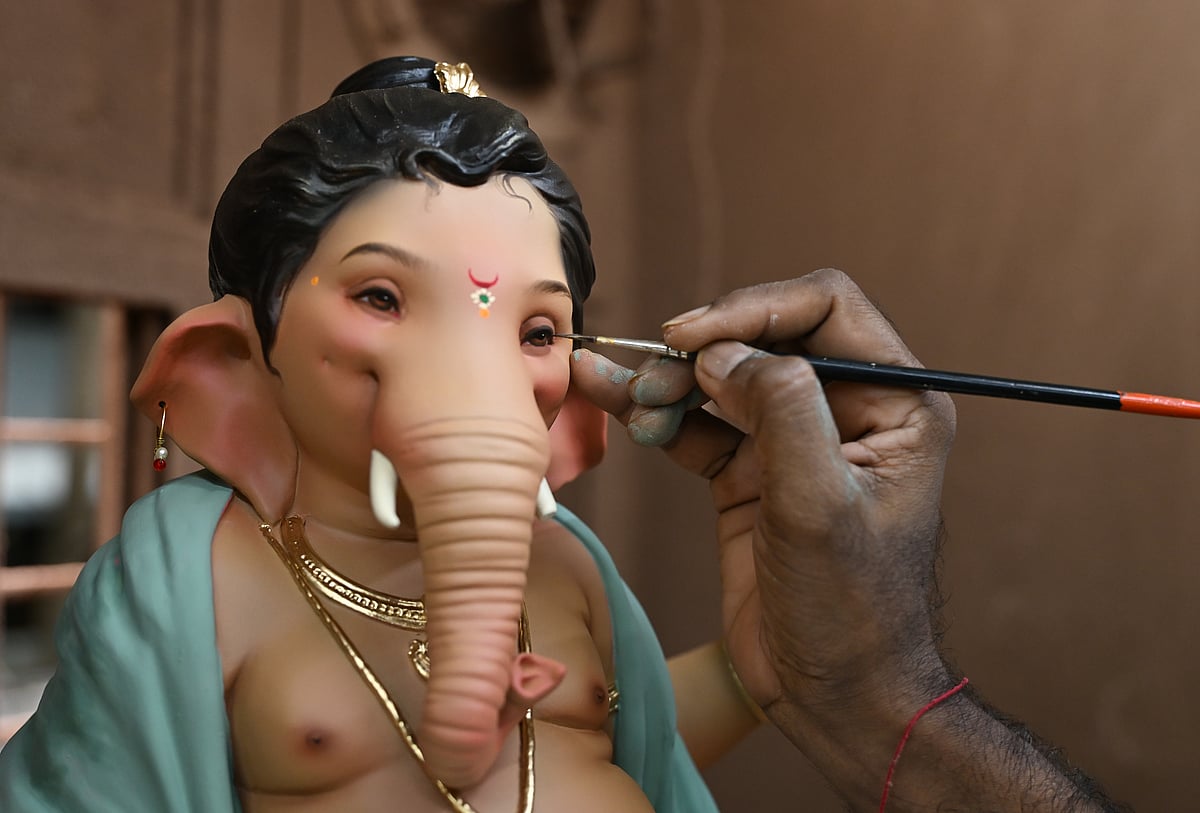
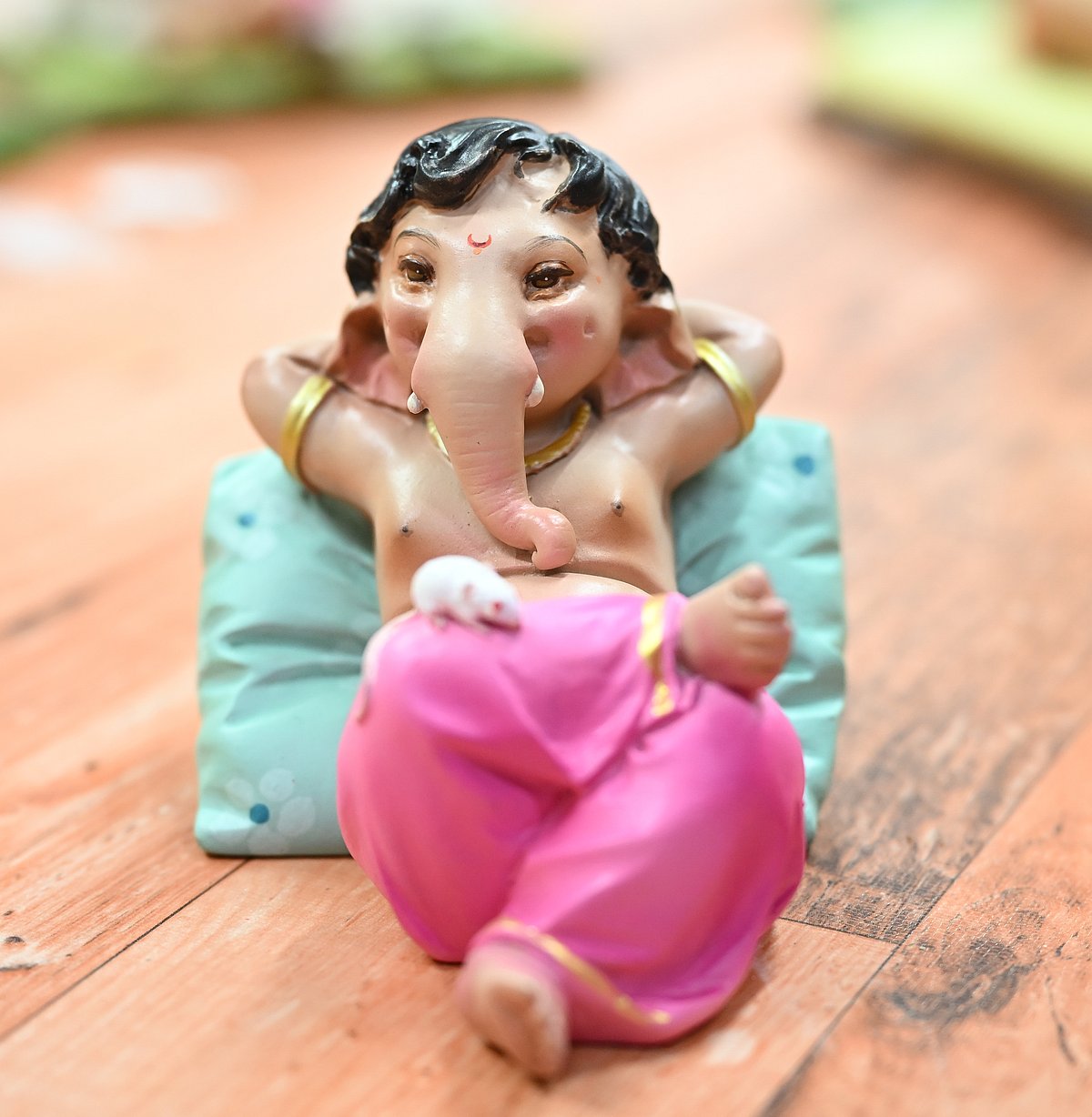
He began sketching young boys at play and translating those movements into clay. Around 2010, he started focusing on Bal Ganpati idols, eventually developing a distinctive style that found a large audience.
His designs first gained attention after he posted photographs on Facebook. Between 2017 and 2019, his conceptual idols went viral, and demand surged. At one point, customers faced waiting periods of two to three years. “Conceptual idols take a long time to craft—sculpting the clay by hand is a time-consuming process,” he says.
But popularity also brought a side of the festival he did not particularly enjoy. He noticed devotees increasingly competing over the appearance and scale of their Ganpati celebrations. “I also observed a sense of competition among people—a feeling that ‘my Ganpati must be better than theirs.’ That really bothered me,” he admits.
Eventually, he decided to stop taking orders for highly conceptual idols. “If this form of worship leads to a competition among people over the deity, what is the point?” he asks. “It should be about devotion—recognizing that the deity is visiting your home once a year, making your house as sacred as a temple.”
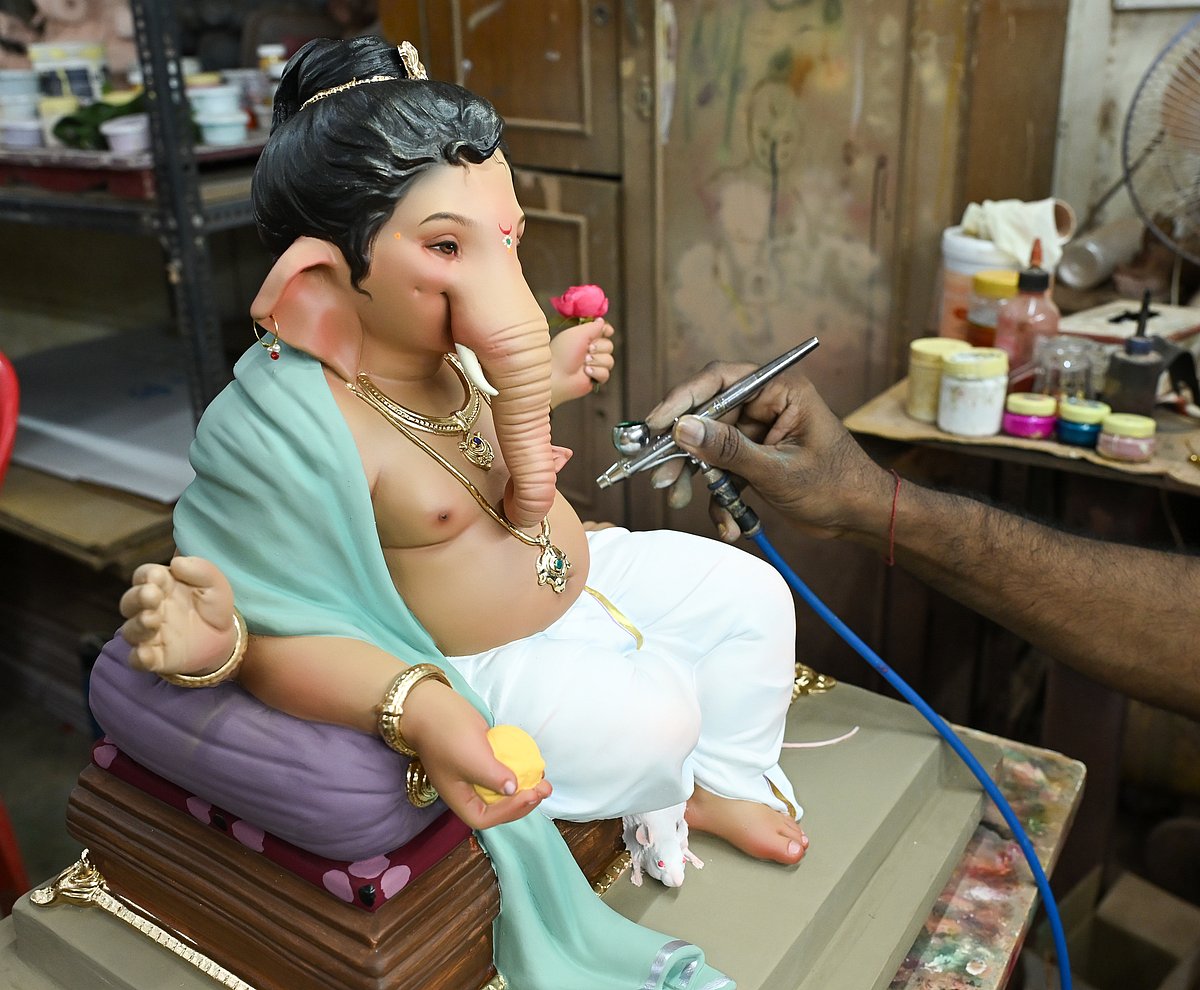
He shifted his focus to traditional-style idols and mould-based designs, allowing more families to take home a Ganpati without waiting years. Today, he offers nearly 55 variations, adding one or two new models every year.
“People were happy to simply get a Ganpati—a fine product representing the deity—and seeing the joy on their faces was deeply moving,” he says.
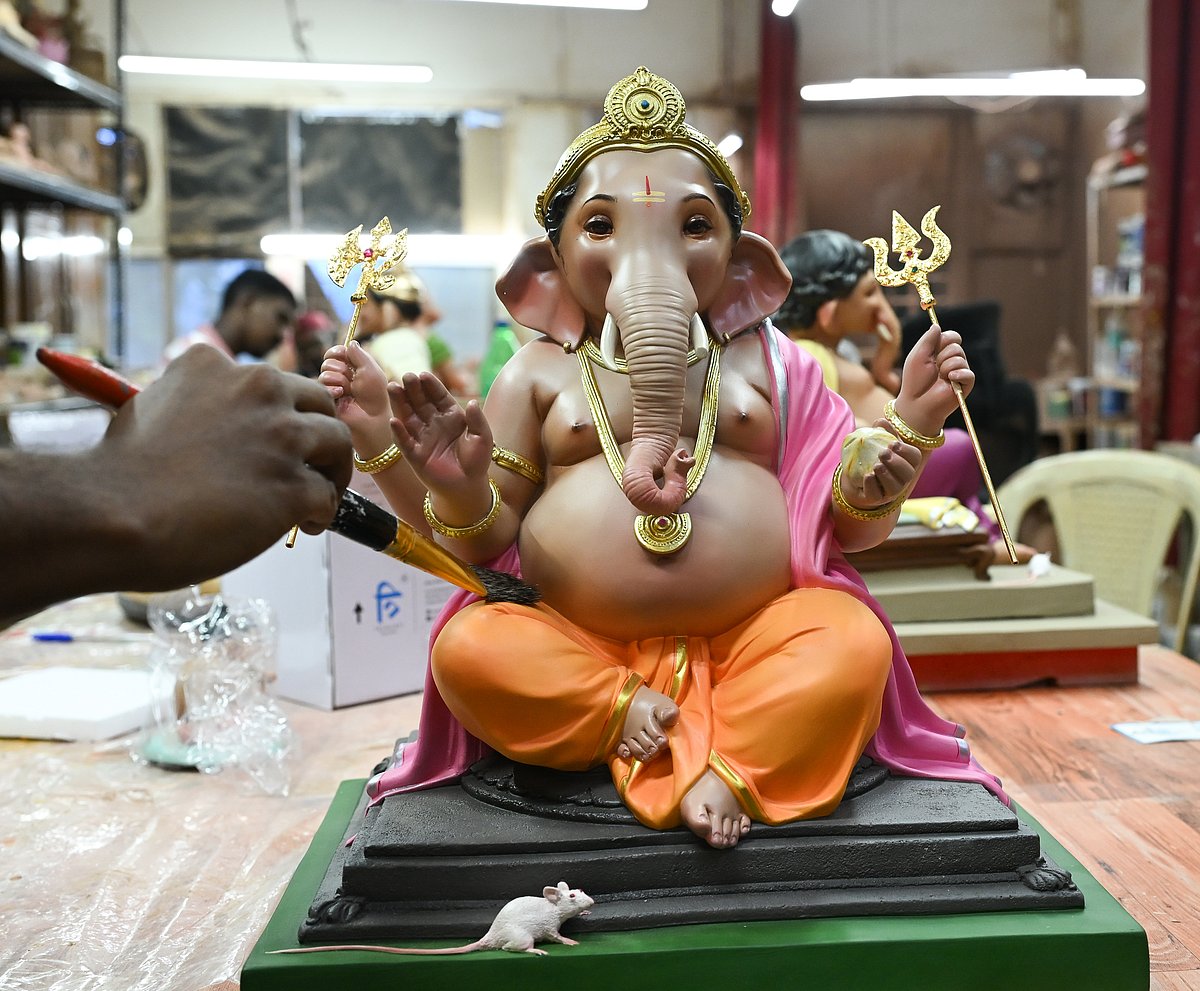
Behind each clay idol is a painstaking process. A one- to two-foot idol made entirely by hand takes two to three days to sculpt, followed by about a week of drying. Finishing and painting take the process to nearly two weeks.
“The actual sculpting itself takes three to four hours, or a maximum of five to six hours,” he explains.
The family craft also helped him navigate difficult times. During the lockdown, when conventional idol-making became difficult, he had around 30 idols ready, with another 200-250 in production. He introduced a simple relief-style idol with a flat back, priced at ₹1,000, so families could continue celebrating Ganesh Chaturthi at home.
“I encouraged people to take them so they could at least celebrate the festival at home and perform the immersion themselves,” he says. He credits his family for making the journey possible. He and his two brothers—the “Trimurti” of sculptors—received constant encouragement from their parents and cousins.
“Everyone else was becoming an engineer or a doctor. I dedicated myself to the craft,” he says. “And no regrets!”
For him, the journey has been less about overcoming obstacles and more about following a tradition while giving it his own creative identity.
“God has truly blessed me; He has always watched over me,” he says. “I kept gaining energy, and the journey became much easier,” he concludes.

