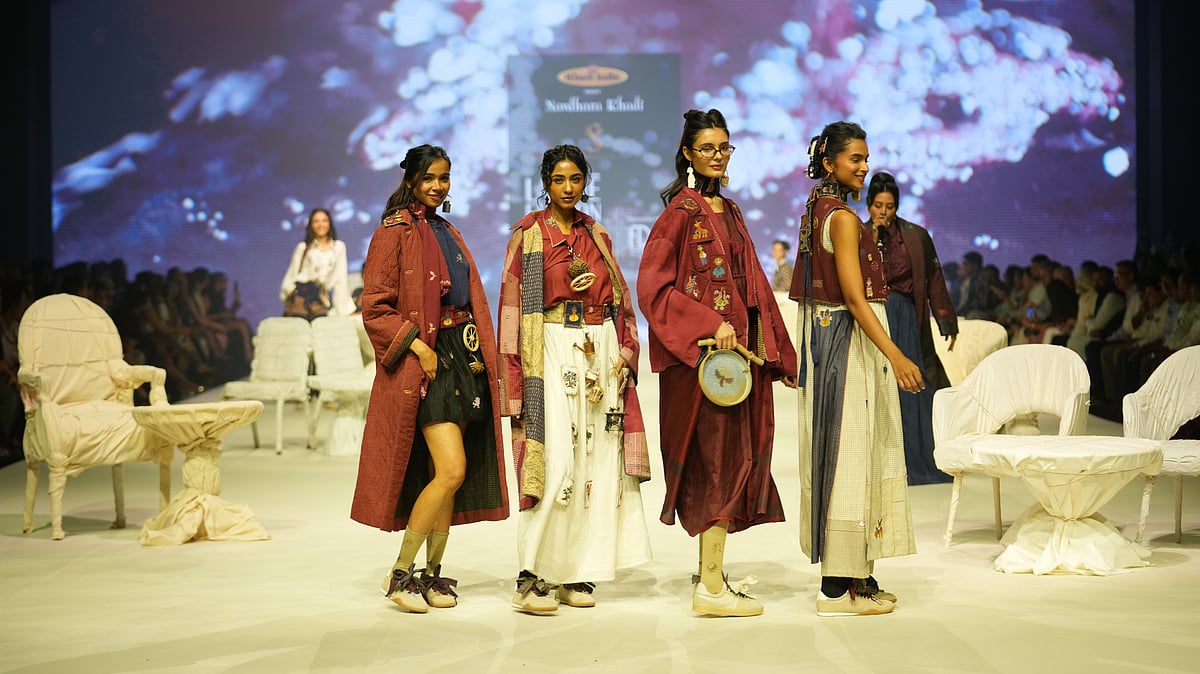
At Lakmé Fashion Week 2026, Indian fashion underwent a clear recalibration. The shift was unmistakable—away from occasionwear and toward clothes designed to be lived in. The spectacle didn’t disappear; it simply stepped aside, making room for ease, restraint, and a quieter, more considered kind of luxury. For the first time in years, the runway didn’t feel removed from reality—it felt aligned with it. Indian fashion, for the longest time, has been about dressing for the occasion. Weddings, celebrations, grand appearances. Clothes were meant to stand out and make an entrance, but, as actor Kareena Kapoor Khan recently said in an interview, “It’s exhausting to wear designer clothes all the time!” This season, designers seemed to echo the sentiment.
We spotlight three key trends that defined the season.
AKOK Anamika Khanna |
Clothes you can actually live in
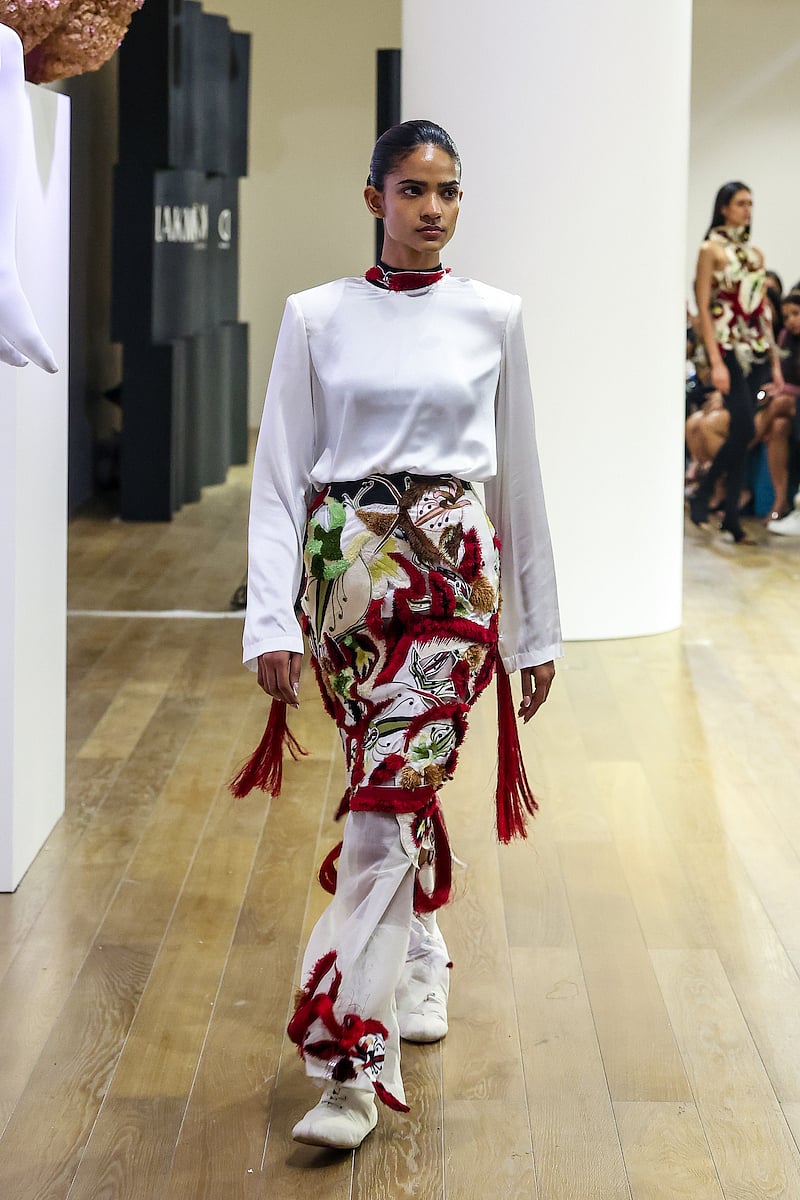
One of the strongest takeaways this season was how wearable everything felt. Monochrome co-ords, breezy dresses, and fun prints and statement accessories felt less made for the runway, but more like wardrobe must-haves. Anamika Khanna’s AK|OK distilled this idea. Her signature embellishments and prints were present, but dialled down, allowing comfort and versatility to lead. Fluid separates, relaxed tailoring, and raw, unfinished finishing moved effortlessly from day to evening.
Rahul Mishra |
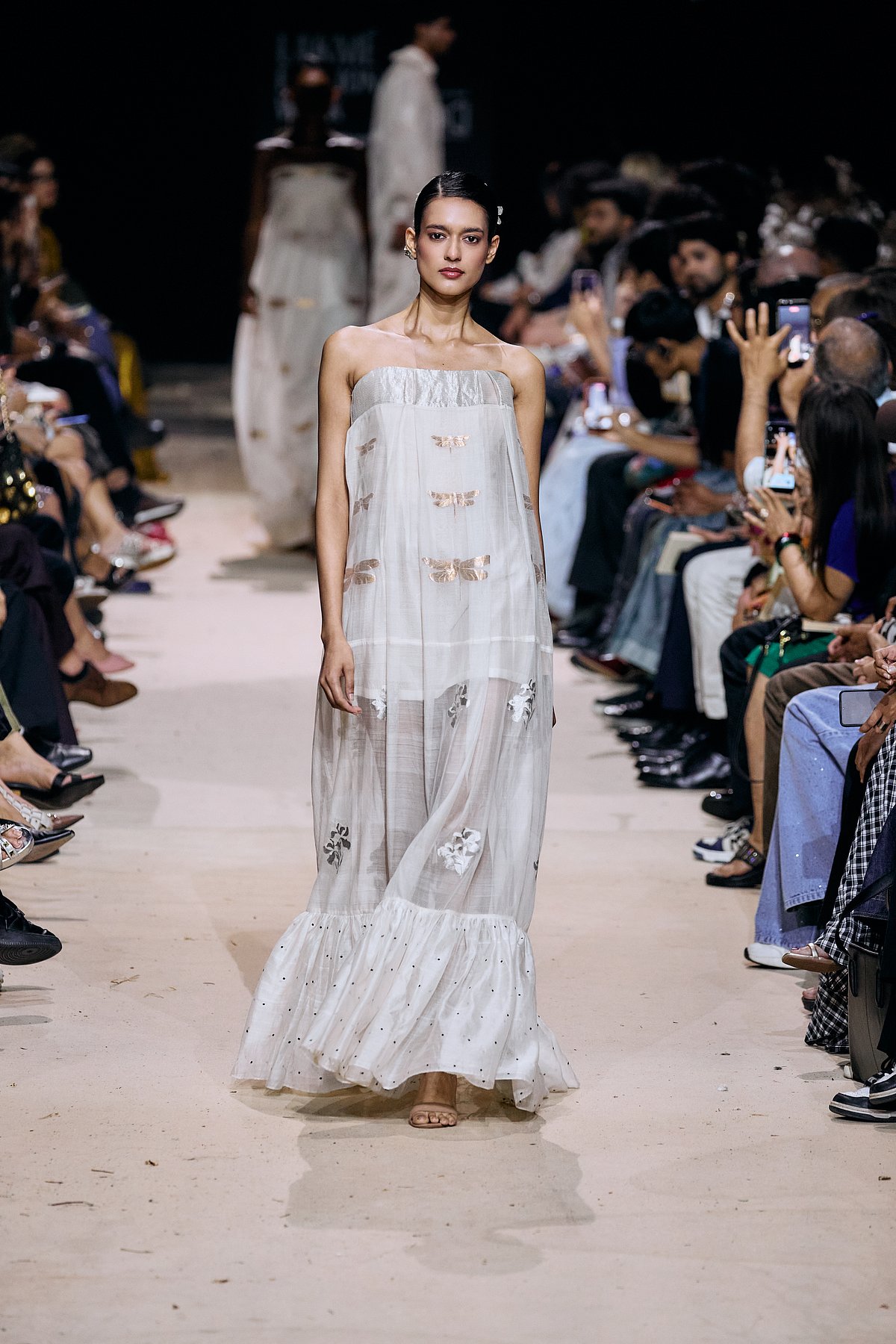
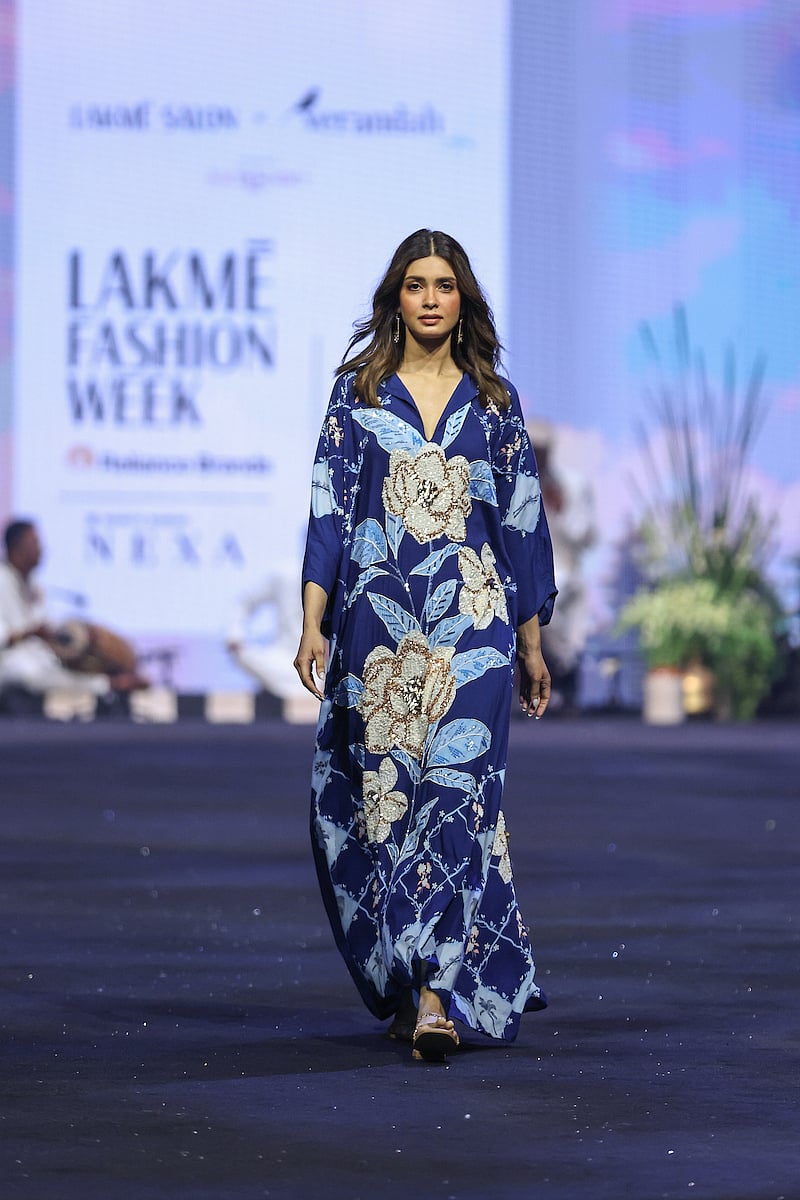
Even Rahul Mishra dialled down his couture sensibilities with a line rooted in handloom cotton and Chanderi. The aesthetic was softer, more intuitive—light outerwear, structured denim, and unfinished details that felt deliberate rather than ornamental. Péro by Aneeth Arora made it official with her show themed ‘Out of Office’ with styles for everyday wear, showcasing how craft can seamlessly fit into contemporary wardrobes. The simplicity felt intentional as it allowed texture, silhouette, and handwork to take centre stage. Similarly, Verandah leaned into breezy, resort-inspired silhouettes that felt ready for city brunches, while Satya Paul relooked at sarees that are sexy, fluid and perfect for even office wear.
Verandah |
Men, stepping out of the safe zone
If there was one clear disruptor this season that won hearts, it was menswear. For the first time, The Boys Club, comprising designers Countrymade, Dhruv Vaish, Vivek Karunakaran, and Sahil Aneja, kick-started the fashion week, and we saw menswear breaking out of its usual mould and loosening up.
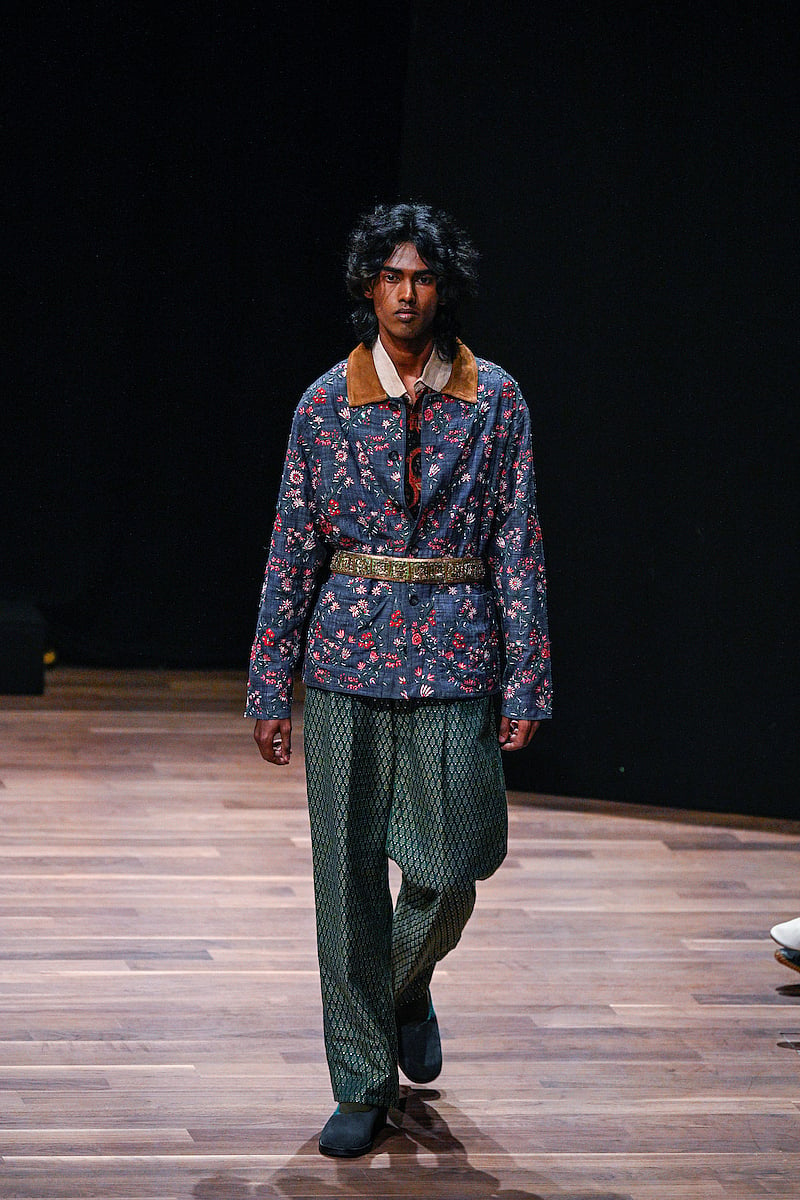
Kartik Research |
Kartik Research, the LVMH prize semi-finalist and recipient of the Fashion Trust Arabia India Guest Country Award, made its India runway debut, placing handmade textiles at the forefront, from handspun khadi to intricate Rabari embroidery. The emphasis wasn’t on spectacle, but on depth. Across collections, there was a visible move toward fluidity and gender-fluid styles. Vivek Karunakaran’s experiments with tussar and Kanjeevaram, Saim’s interplay of silk Chanderi and denim, and the rise of embroidered jackets by Payal Pratap and Jubinav, along with sporty knitwear, all pointed to menswear looking more gender-fluid, relaxed and not rigid.
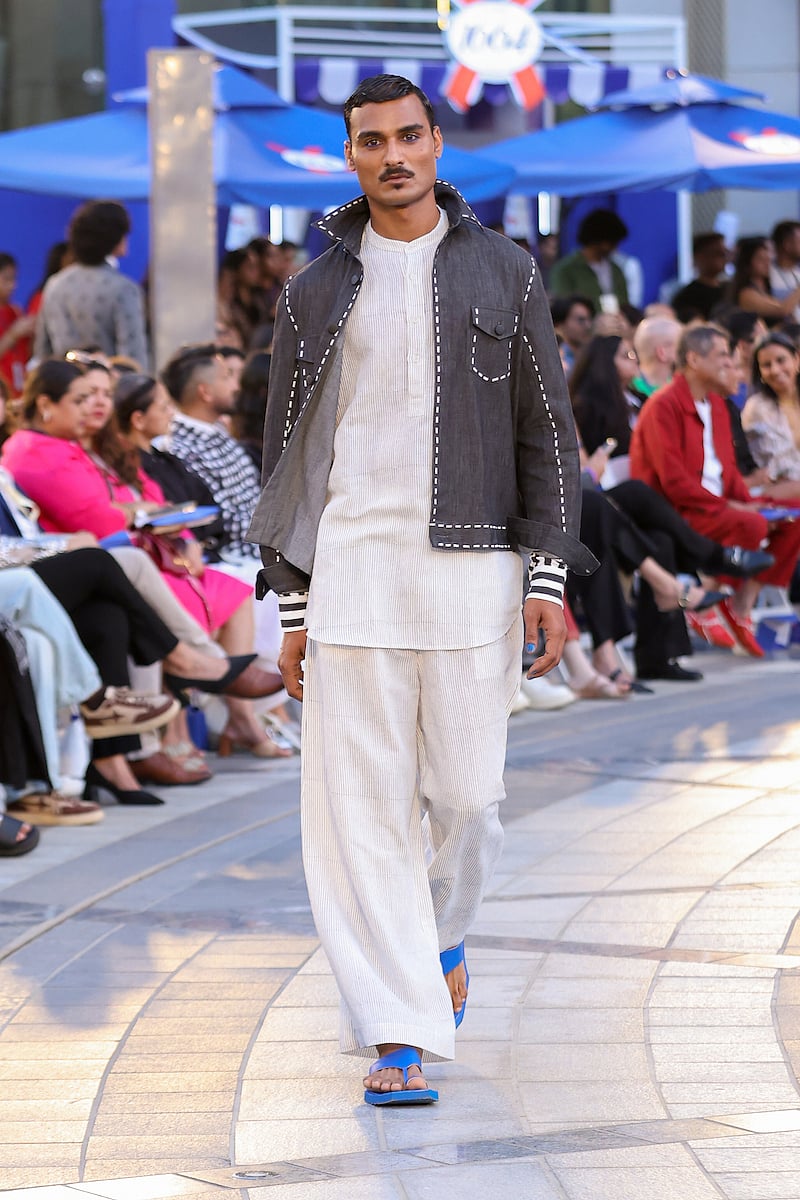
Abraham Thakore |
Craft goes contemporary
This season, craft remained central—but its expression evolved. Designers leaned into restraint, letting technique and material speak for themselves. Monochromes dominated, with blue emerging as a clear favourite, alongside the enduring pairing of black and white. Clean, architectural separates and attention to surface detail stood out across collections by Payal Pratap, Abraham & Thakore, Ritika Mirchandani, Siam, and even Rahul Mishra.
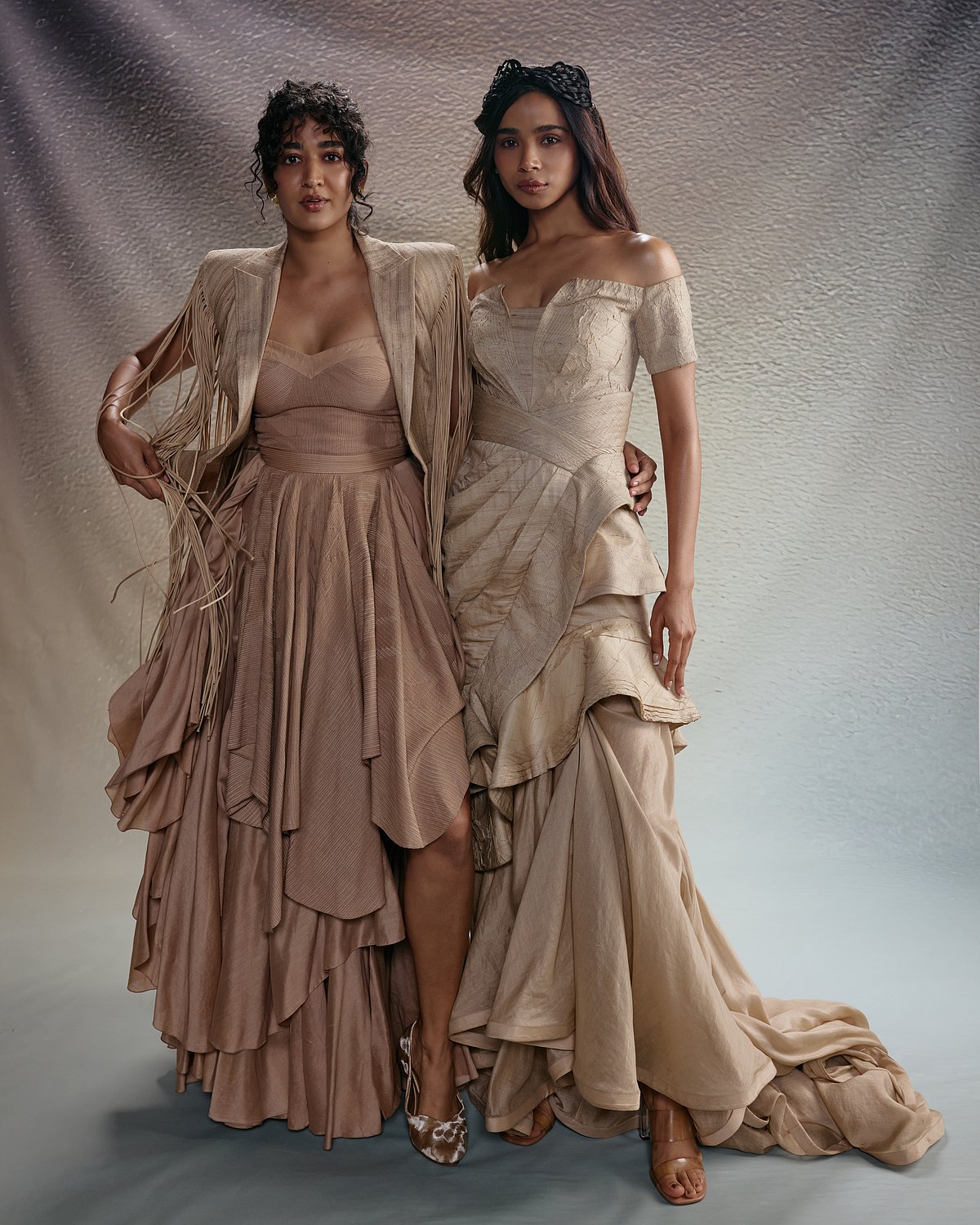
Samant Chauhan |
Sustainability, as a concept, was not restricted to a single day but was embedded in the collections through handwoven textiles, recycled materials, and thoughtful construction. The Navdhara Khadi showcase captured this shift most effectively. Designers like Samant Chauhan, CoEK (Centre of Excellence for Khadi), Pawan Sachdeva, and Shruti Sancheti demonstrated how Khadi can be reimagined in contemporary Indian fashion. Chauhan’s Bhagalpur silk gowns showcased the textural, structural, and experimental nuances of Khadi, while Sancheti gave Khadi varieties in silk, wool, linen, and cotton a fun, preppy twist. That same thinking echoed across the week, from Amit Aggarwal’s scintillating use of vintage Benarasi to create a sexy, structured evening-wear line to Aneeth Arora’s playful take on handwoven fabrics, showing how craft can be both rooted and forward-looking.
