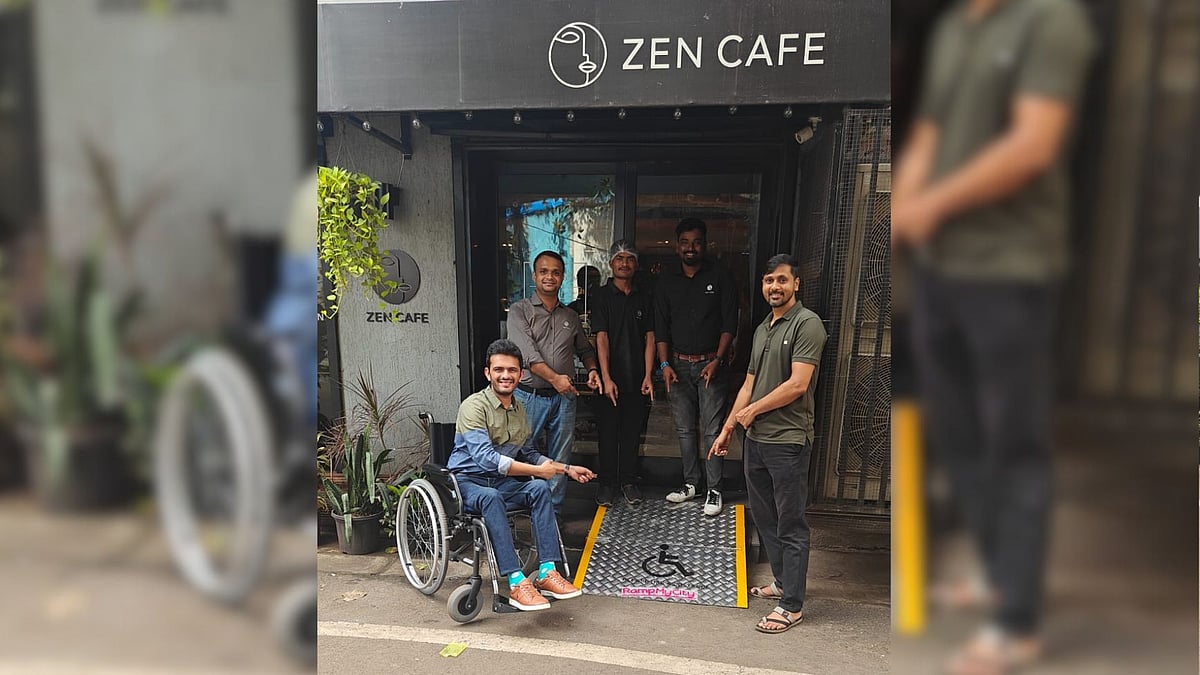
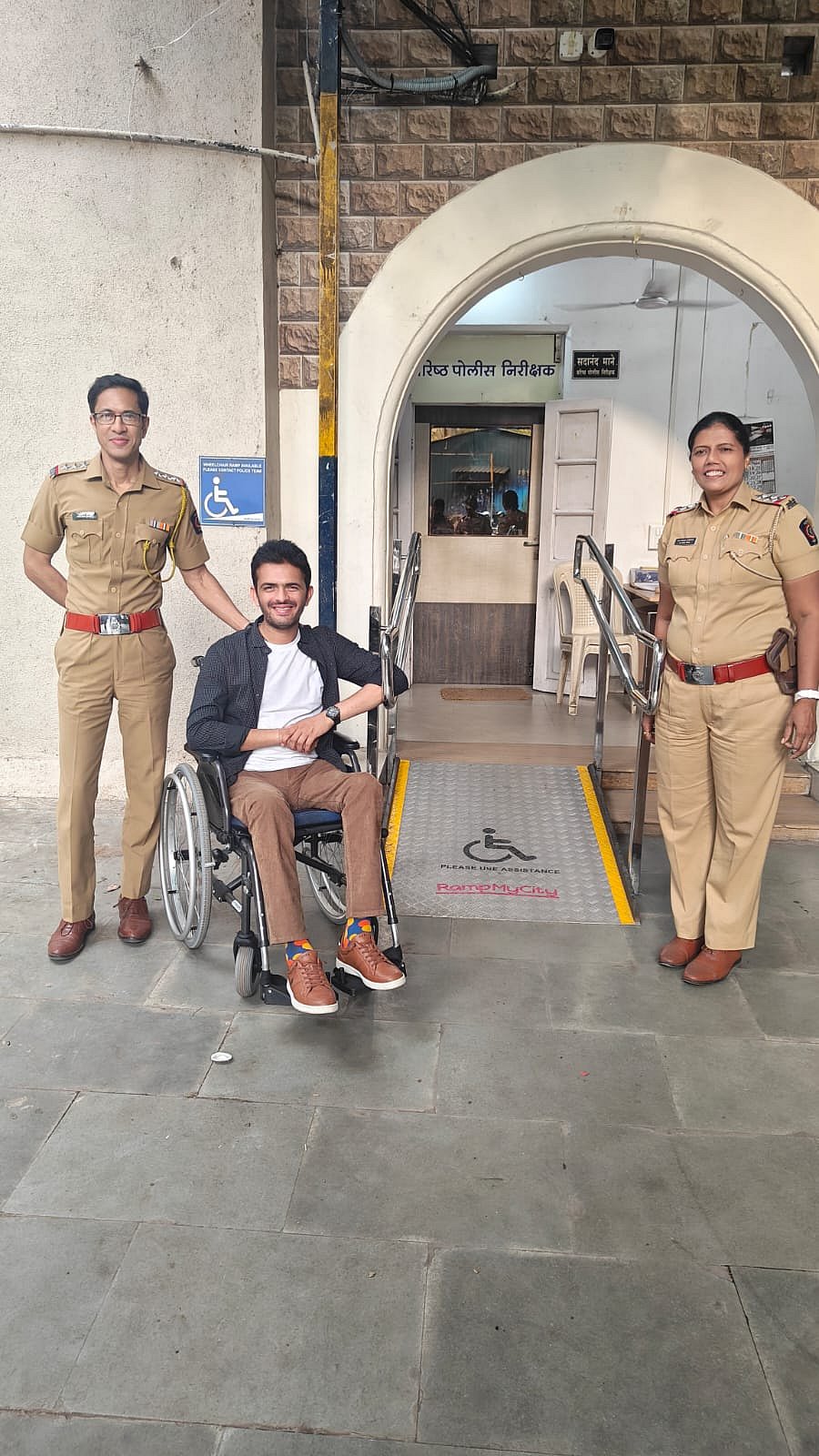
RampMyCity, an innovative startup focused on accessibility, has launched in Mumbai, taking a big step towards making the city more inclusive. Started back in 2020, the company has already transformed over 500 public places in five cities by making them more accessible for people with disabilities and the elderly. Their latest project in Mumbai includes adding ramps to 15 police stations and 25 popular restaurants, making these places easier to access.
This initiative isn’t just about building ramps; it’s about helping people with disabilities feel more connected to their community. With these ramps, they can now visit their favorite restaurants, meet friends, and enjoy the city like everyone else.
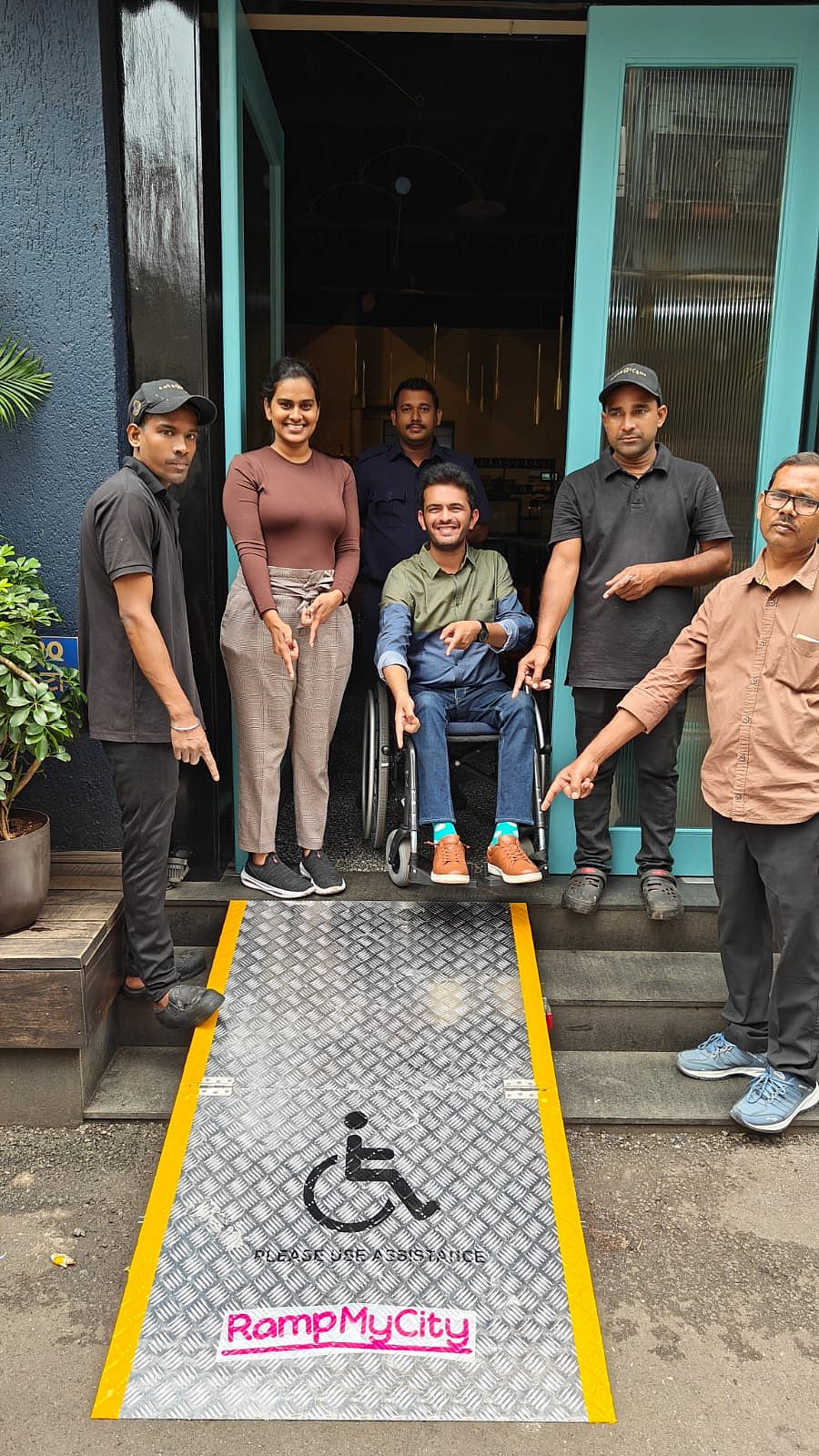
While commenting on the initiative Prateek Khandelwal, Founder and Managing Director of accessibility start-up RampMyCity Said, “Our goal is to erase barriers and allow everyone to have access to every area of Mumbai. We are pleased to be taking the lead in building a city where everyone can move freely and with confidence because to our latest installations. More than 300,000 lives have already been favorably influenced by RampMyCity's activities. We also with Mumbai Police to gain authorization to expand its accessibility initiatives to all police stations inside the city, hence augmenting public safety and inclusion. The partnership highlights how important accessibility is to making the community a safer and happier place for every resident.”
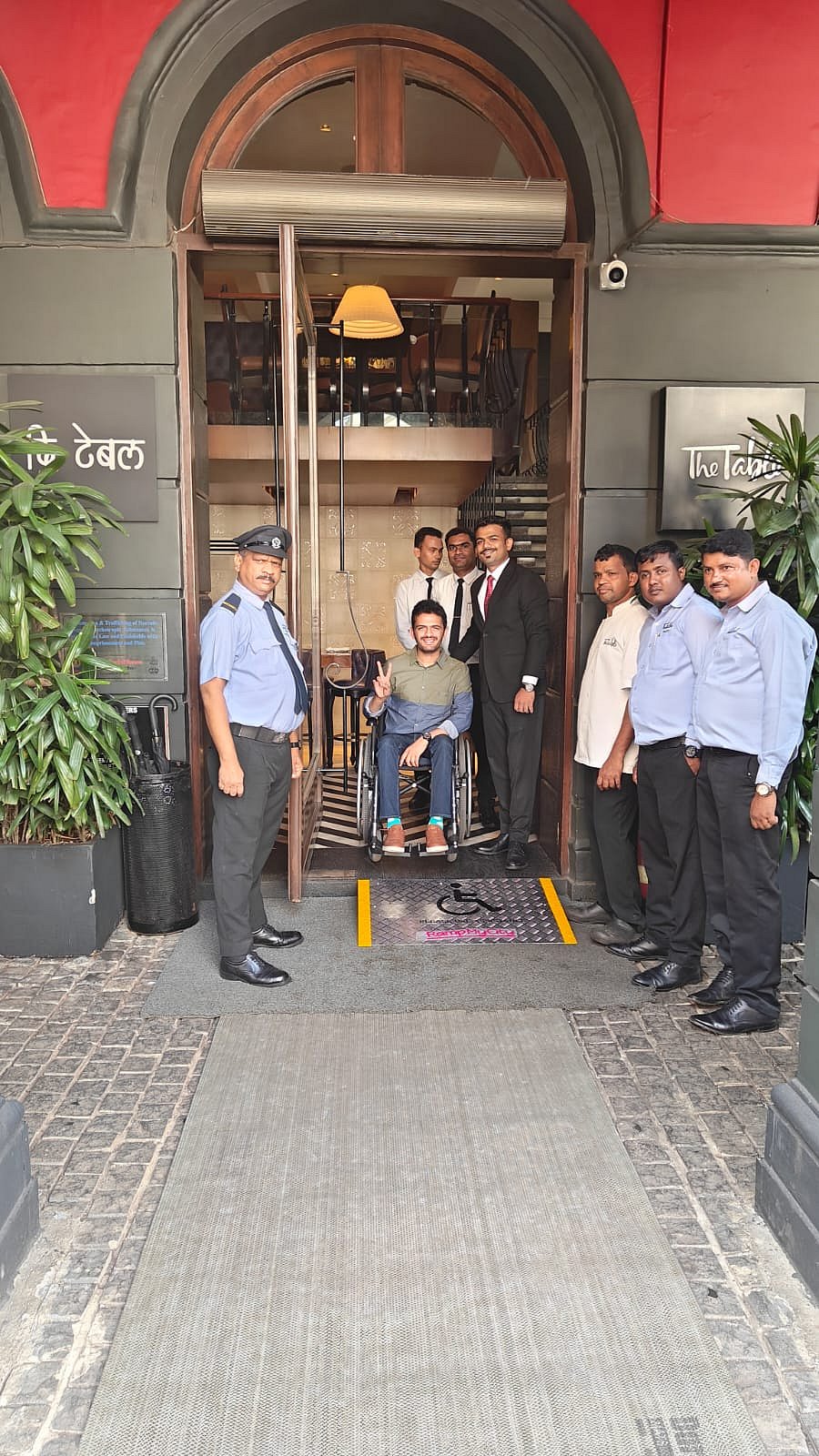
Further, he added, “Our aim is to expand its activities in Mumbai and reach 1,000 public and private establishments. Along with corporate offices and residential societies, this expansive concept includes parks, schools, hospitals, and tourist attractions. We invite everyone to join us in this mission. Together, we can create a more accessible Mumbai for future generations. RampMyCity encourages everyone to take part in this essential project. Corporations, non-profits, and individuals interested in supporting accessibility.”
RampMyCity's journey is based on Prateek Khandelwal's own experiences. Prateek became a wheelchair user after sustaining a spinal cord injury in 2014, which fueled his enthusiasm for promoting inclusiveness and accessibility. Prominent organisations including the World Bank, WHO, and UNICEF have acknowledged his dedication to this cause. He has also won notable honors such as the CNN Network 18 Award (2022), the Sawai Award (2022), and the Universal Design Award (2021).

