As parents, in the post Covid world – one is often confused as to how to understand the factors at play that influence how our children mature. We shall explore the interplay of developmental stages and psychological growth and hope to come up with some clearer idea on how we can all be more responsible parents as we raise the next generation to face the challenges ahead of them.
Relationships: The foundation of child development
Decades of research in the fields of developmental psychology, pediatrics and neurobiology converged to the idea that the first five years are particularly important. During these years, children begin to study their environment, study verbal and rational skills, communicate with others, and ultimately take steps to assert independence from their families. The brain develops rapidly during the first five years of life, with about 85% of its structure formed by the age of five. Positive experiences and warm, responsive relationships stimulate children's development, creating millions of connections in their brains—in fact, children's brains develop connections faster during the first five years of life than at any other time. This is the time when the foundations for learning, health, and behavior throughout life are laid down.

Knowledge acquisition among children
The learning process begins prenatally, where children are actively learning from the moment they are born. At birth, their minds are active and inquisitive, and their early reasoning is insightful and complex to say the least.
Piaget quotes, “Every time we teach a child something, we prevent him from inventing it himself.” Child centered, experiential learning is what Piaget advocated, believing children learn best when they discover knowledge through exploration and problem-solving. This statement underscores the importance of letting children explore their concepts. Subsequently when adults provide direct instruction without allowing exploration to take place, they unintentionally inhibit the child’s ability to form their own understanding. However, allowing children to experiment and discover concepts on their own, will in-turn significantly help them develop a deeper understanding whilst retaining information more effectively and effectively.
From a young age, children do not merely watch and note the outward characteristics of their surroundings. Instead, they actively construct explanatory frameworks—unspoken theories—that help them make sense of what they learn.
For instance, even within their first year, infants begin to form initial theories regarding the functioning of people, other living beings, objects, and numerical concepts. “What we are teaches the child far more than what we say.” - quoted by Joseph Chilton Pearce, explicitly states how our actions influence children more significantly than our words, so we need to embody the qualities we wish for them to develop.
Key aspects of development in Child Psychology
Child development includes various aspects: physical, cognitive, social-emotional, and language growth. These areas are interrelated; for instance, developing physical skills can improve cognitive functions as children investigate their surroundings.
Physical Development: As children develop, they undergo significant physical transformations that can affect their mental growth. Beyond the noticeable bodily changes, they also gain advanced motor skills that enable them to engage with their surroundings in various manners. This affects their capacity to acquire new knowledge and cultivate additional skills.
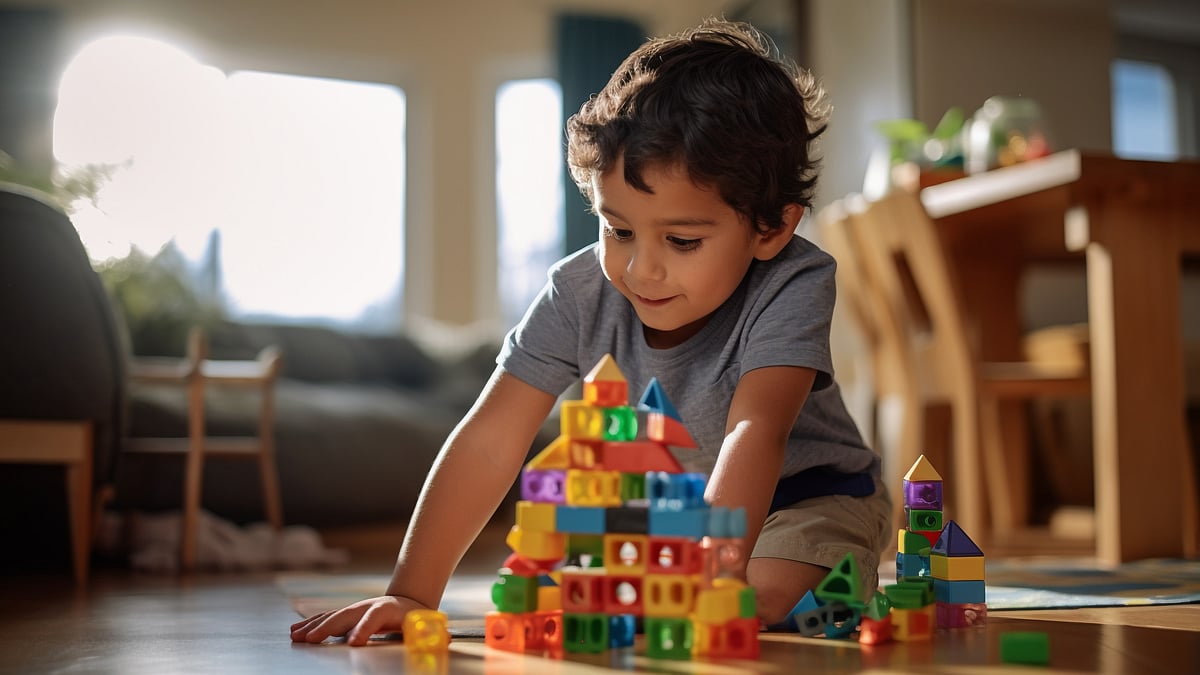
Cognitive Development: “Play is the work of childhood”, when quoted by Piaget, emphasizes that play is not simply a form of entertainment for children; rather, it is a crucial component of their mental growth. Through engaging in play, children investigate their surroundings, try out new concepts, and enhance their problem-solving abilities. Piaget proposed that children undergo various cognitive development stages. In the initial phases, they gain knowledge through sensory experiences. They then advance through more intricate stages, where they learn to think in symbolic, logical, and abstract ways.
Emotional Development: Children start their lives relying on others and progressively cultivate a deeper awareness of themselves and their ability to control their emotions. Strong, secure bonds with caregivers are crucial in assisting children to build solid bases for their future emotional connections. As they engage with others and navigate various experiences, children enhance their skills in recognizing and regulating their feelings.
Social Development: The initial stages of a child’s development include engagement with their caregivers and close family. As children mature, they start to build social relationships with peers in their community, especially with their schoolmates. It is well recognized that children actively influence their social identity and self-perception within their communities.
The growth of young children involves a reciprocal process of social engagement with informed individuals in their surroundings. Studies have concentrated on the language used in these interactions, exploring how children’s experiences with language affect various facets of their development as they progress over time.
“It is easier to build strong children than to repair broken adults.”- quoted by Fredrick Douglas, highlights the importance of developing children’s social skills from a young age, as these early experiences influence their future interactions and relationships. Reliable and attentive caregiving is essential for proper emotional and social growth. When caregivers react to a child’s needs quickly and positively, it promotes secure attachments that are crucial for emotional health.

Significant contexts in child development and Psychology
If you resemble the majority of the population, you likely consider the internal elements that impact a child’s growth, including genetics and individual traits.
Nevertheless, development encompasses far more than just the internal influences on a person. External factors, such as social connections and the cultural context we inhabit, also play a significant role in children’s development.
Cultural Context: The environment in which a child is raised, imparts a collection of beliefs, traditions, common understandings, and lifestyles that affect their growth over time. Culture can impact the nature of children’s relationships with their parents, the education they obtain, and the childcare services available to them.
Social Context: Interactions with both peers and adults influence children’s cognitive processes, learning abilities, and overall development. The social environment is significantly shaped by families, educational institutions, and peer associations. “Children have a real understanding only of that which they invent themselves.”- Jean Piaget’s perspective indicates that children develop their comprehension of their surroundings through cooperative play and engagement with their peers. This highlights the importance of social interaction in early childhood development, influencing emotional intelligence, communication abilities, and overall health.
Socioeconomic Context: Children raised in households with a high socioeconomic status tend to have greater access to opportunities, while those from households with lower socioeconomic status may have less access to such things as health care, quality nutrition, and education. It is estimated that, in
2010, at least 249 million, 43% of children, under the age of 5, in low-income and middle-income countries (LMICs) were at risk of poor early childhood development (ECD) as a consequence of being stunted or living in extreme poverty.
All three of these contexts are constantly interacting with one another. For example, while a child may have fewer opportunities due to a low socioeconomic status, enriching social relationships and strong cultural ties may help correct this imbalance.
Takeaways
The interplay between developmental stages and psychological growth in children is crucial for understanding how they evolve into well-adjusted individuals. Each stage of development, as outlined by Erik Erikson’s psychosocial theory, presents unique challenges that contribute to a child’s emotional and social capabilities.
The initial stages of a child’s life are vital for their comprehensive development and mental growth. Throughout this time, children experience major cognitive, emotional, and social transformations that influence their future health and achievements. It is crucial for parents, educators, and caregivers to comprehend the different facets of child development—such as language learning, social interaction skills, emotional management, and cognitive functions—to offer the essential support and nurturing environment.

Conclusion
The early years of life are particularly critical, as they lay the foundation for all subsequent development. During this period, children experience rapid growth and significant changes in their abilities to think, communicate, and interact with others. The experiences they encounter during these formative years can have lasting impacts on their psychological well-being.
Child development is an intricate interplay between biological factors and environmental influences, where each stage brings unique challenges and opportunities for growth. By recognizing the significance of these developmental milestones and providing supportive environments that nurture children’s physical, cognitive, emotional, and social needs, we can foster healthy psychological growth that prepares them for adulthood. Understanding the significance and importance of child development equips us with the tools necessary to guide children through these critical stages effectively. By nurturing supportive connections and participating in valuable experiences, adults can assist children in developing resilience, confidence, and a passion for learning that will benefit them throughout their lives.
Each phase of development and growth builds upon the previous one, highlighting the importance of supportive environments that nurture children’s emotional needs at every step of their journey toward adulthood. In the end, prioritizing how early childhood development is not only advantageous for each child but also essential for the overall well-being and success of society.
(Jiya Didwania is a std 12 student at the Cathedral and John Cannon School. She is studying psychology as one of her subjects in the ISC curriculum. She found the area of Child Psychology and Development interesting and it relates to her course in early child education in the UK.)
