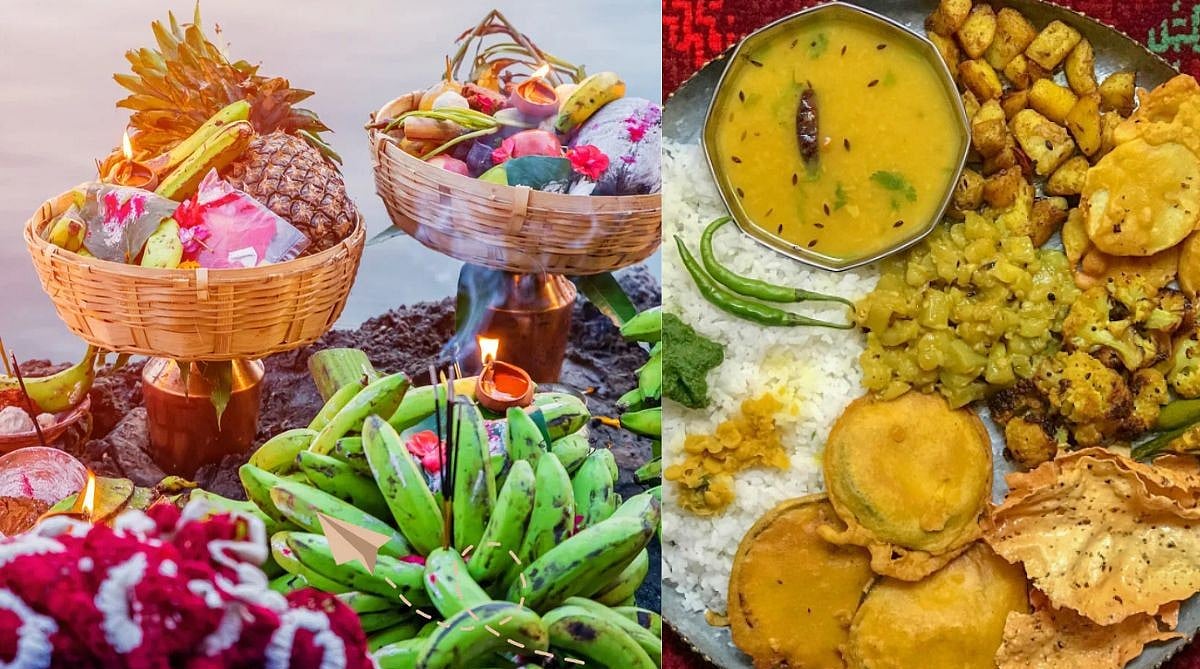
Chhath Puja is one of the most significant festivals in Hinduism, which is dedicated to the Sun and Chhathi Maiya. The festival is mostly celebrated in Bihar, Jharkhand, some parts of Uttar Pradesh, and it is also observed in West Bengal, Madhya Pradesh, Delhi, and Mumbai.
The mahaparv is marked by Nahay Khaye, which is observed as a day of purification and preparation. This year, the first day of Chhath Puja is being observed on November 13. The celebrations begin with Nahay Khaye, during which devotees prepare and consume a traditional meal of Kaddu Bhaat. Let's understand the significance of Kaddu Bhaat on the first day of Chhath.
Chhath Puja 2026
Chhath Puja is one of the most significant Hindu festivals dedicated to the worship of the Sun God, Surya, and Chhathi Maiya. Basically, the whole concept of celebrating it centres around nature. It is celebrated with great devotion. The four-day festival involves strict rituals, fasting and offerings to the Sun God. The celebrations begin with Nahay Khaye, during which devotees prepare and consume a traditional meal of Kaddu Bhaat.
Why is Kaddu Bhaat significant?
Kaddu Bhaat, also known as pumpkin curry with rice, holds special religious and cultural significance on Nahay Khaye. The meal generally consists of bottle gourd or pumpkin (kaddu), rice and sometimes chana dal. It is prepared without onion and garlic, following traditional dietary practices. But why only bottle gourd or pumpkin? Because these vegetables grow close to the earth, and that is why they represent modesty, simplicity and the surrender of ego. Scientifically, it is easy to digest and good for the gut.
Traditional preparation of Kaddu Bhaat
The meal is cooked using pure ingredients, rock salt (sendha namak) and minimal spices. Devotees should avoid using onion and garlic while making it. It is considered an offering of purity and simplicity before devotees begin the more rigorous fasting rituals associated with the festival.
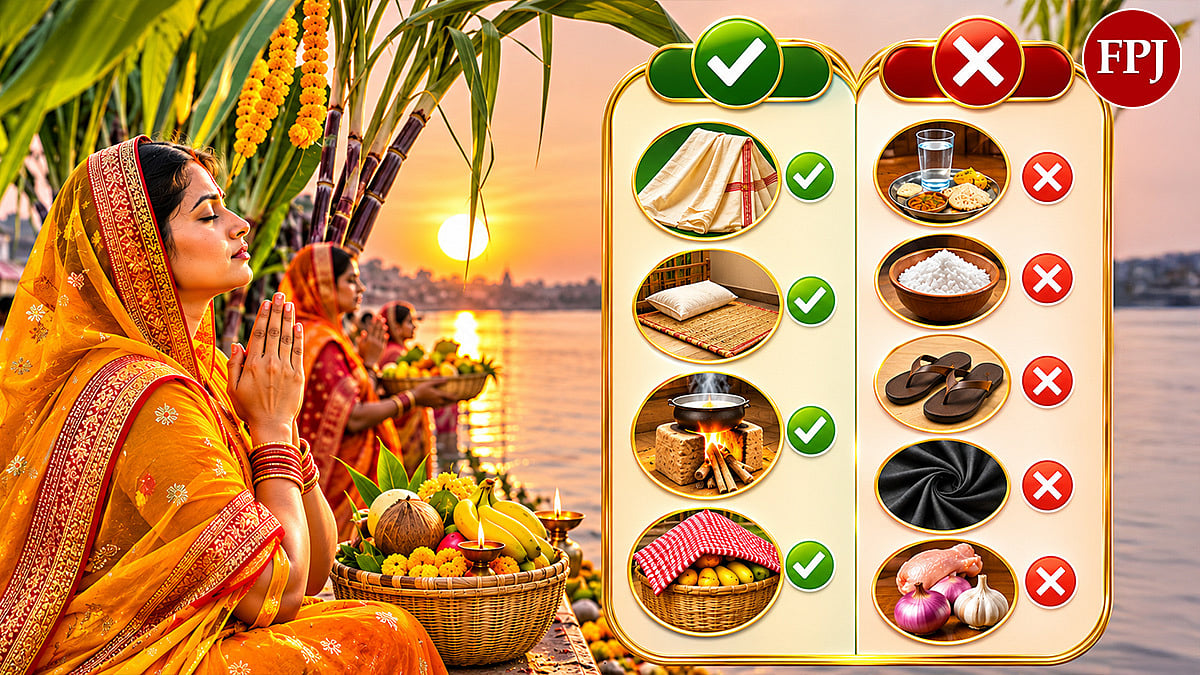
Symbolism of purity and devotion
Consuming Kaddu Bhaat also symbolises discipline, cleanliness and devotion. It provides a simple and nourishing meal before the subsequent days of fasting and religious observances. The day marks the start of the 36-hour rigorous, waterless (nirjala) Chhath fast.

