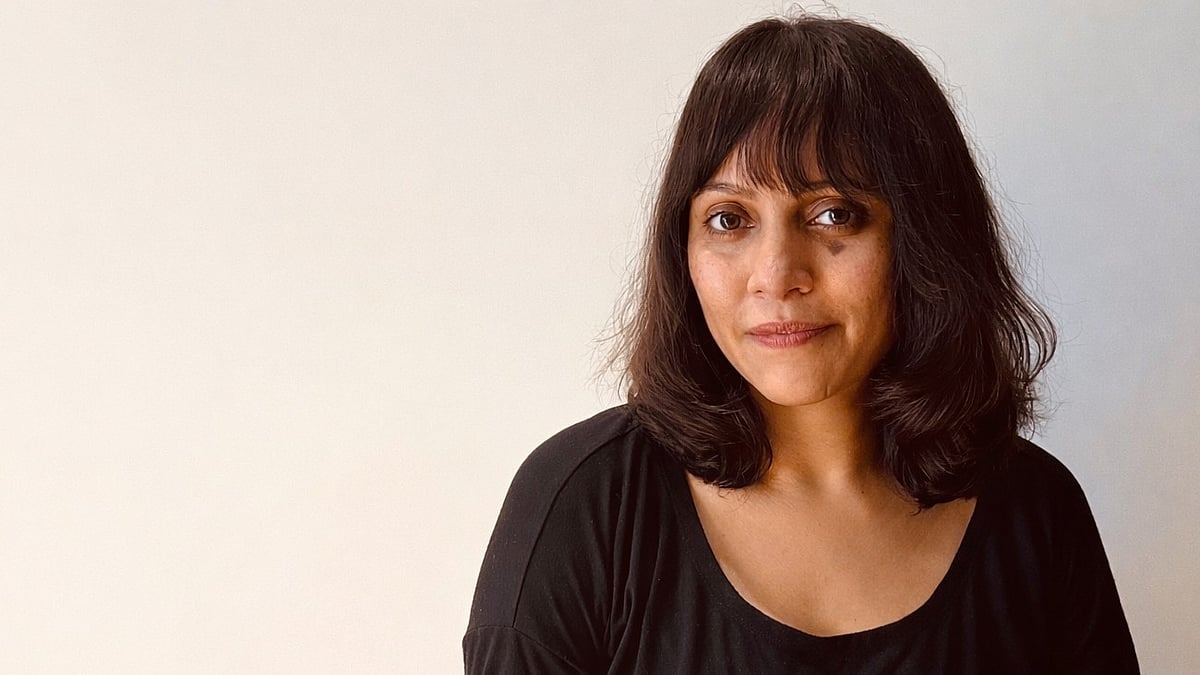
Shruti Maria Datar—a Mumbai-based contemporary dance maker, choreographer, arts researcher, and educator—approaches her work with deep research and rare clarity of thought. She has a precise conception of her artistic journey, one that defies easy categorisation. Careful to interrogate every conclusion she reaches, Datar grounds her practice in clear artistic values.
The year 2026 has been a landmark one for her. She was selected as one of only eight emerging choreographers internationally for the International Young Choreographer Project (IYCP) in Kaohsiung, Taiwan, making her the only Indian choreographer in this year's cohort. She also received the Global South Scholarships for 2026 to pursue an MA in Dance: Participation, Communities and Activism at London Contemporary Dance School, validated by University of the Arts London. Meanwhile, her research into Mumbai's East Indian community—including their histories, cultural practices, and embodied knowledge—is supported by an India Foundation for the Arts (IFA) Arts Research Grant.
Her work in Taiwan, MA studies in London, and research in Mumbai appear different on the surface but connect through a common thread. "There are three different contexts through which I ask similar questions," Datar explains: "What does society put on our bodies? What do our bodies remember and inherit? Whose labour and knowledge gets valued and erased? And how can movement performance become a way of investigating, observing, questioning, and reimagining those things?"
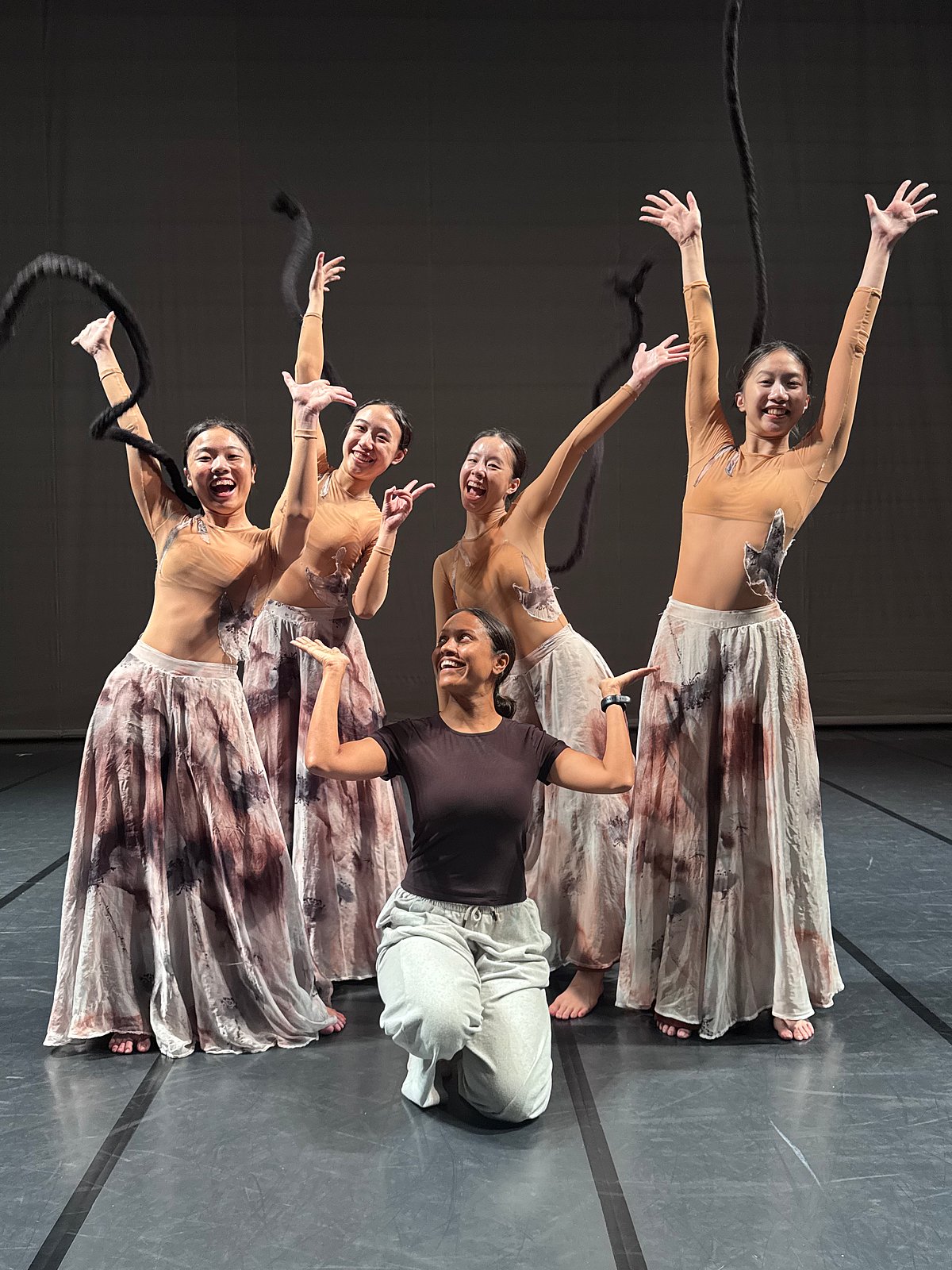
During the IYCP residency, Datar developed Strands of Duty with Taiwanese dancers, exploring women's invisible labour—the physical, emotional, and social work often overlooked within patriarchal societies. In Taiwan, she examined how labour gets embodied, who performs certain kinds of labour, and how gender shapes movement through occupied space. Being in Taiwan made her reflect on what it means to be an Indian artist internationally—what gets read as Indian, whether she must perform a specific Indianness or embody her contemporary reality.
Her MA in London offers an opportunity to step back and interrogate these questions more critically around participation, communities, and activism. "For me, a lot of it is about power and knowledge production," she says. "It gives me a framework and language for things I am already exploring intuitively through my practice."
The East Indian project in Mumbai brings this inquiry home. "I am looking at my own cultural inheritance, oral histories, everyday gestures, songs, memories, and disappearing practices." Through fieldwork, Datar observes that women carry much of the cultural labour and knowledge. "Women naturally inherit the duty of preserving culture," she notes. Though her work didn't begin from a gendered lens, that shape has emerged. She asks what happens when community is seen not as fixed heritage but as a living, embodied archive.
The work she took to Taiwan originated from her own experiences and Indian context. She had explored gendered labour and duties culturally placed on women's bodies with Indian dancers before departing. "I was interested in the ways these duties become so normalised—we carry them unconsciously and it eventually becomes part of our physical body language in how we move through the day."
When she brought this question to the Taiwanese context, however, the younger Taiwanese dancers did not exactly resonate with her original concept. "So I slowly pivoted rather than impose my original question.” She shifted toward exhaustion and fatigue, particularly in capitalist societies where constant productivity pressures prevail. She realised exhaustion is cultural—"something we all experience in a Capitalist society, but I don't think we inherit exhaustion the same way." This pivot clarified how she views exhaustion and labour as very much cultural phenomena.
While researching the East Indian community, Datar observed how historical documentation carries colonial assumptions that reduce cultures to monoliths. "East Indian culture is not a monolith," Datar asserts. "When people talk about memory and culture, they think about something frozen in time. But the fact is that memory and culture are constantly producing themselves in the current moment." She regards each person she encounters as an archive, interested in piecing together small fragments and tiny markers of culture that don't get formally documented.
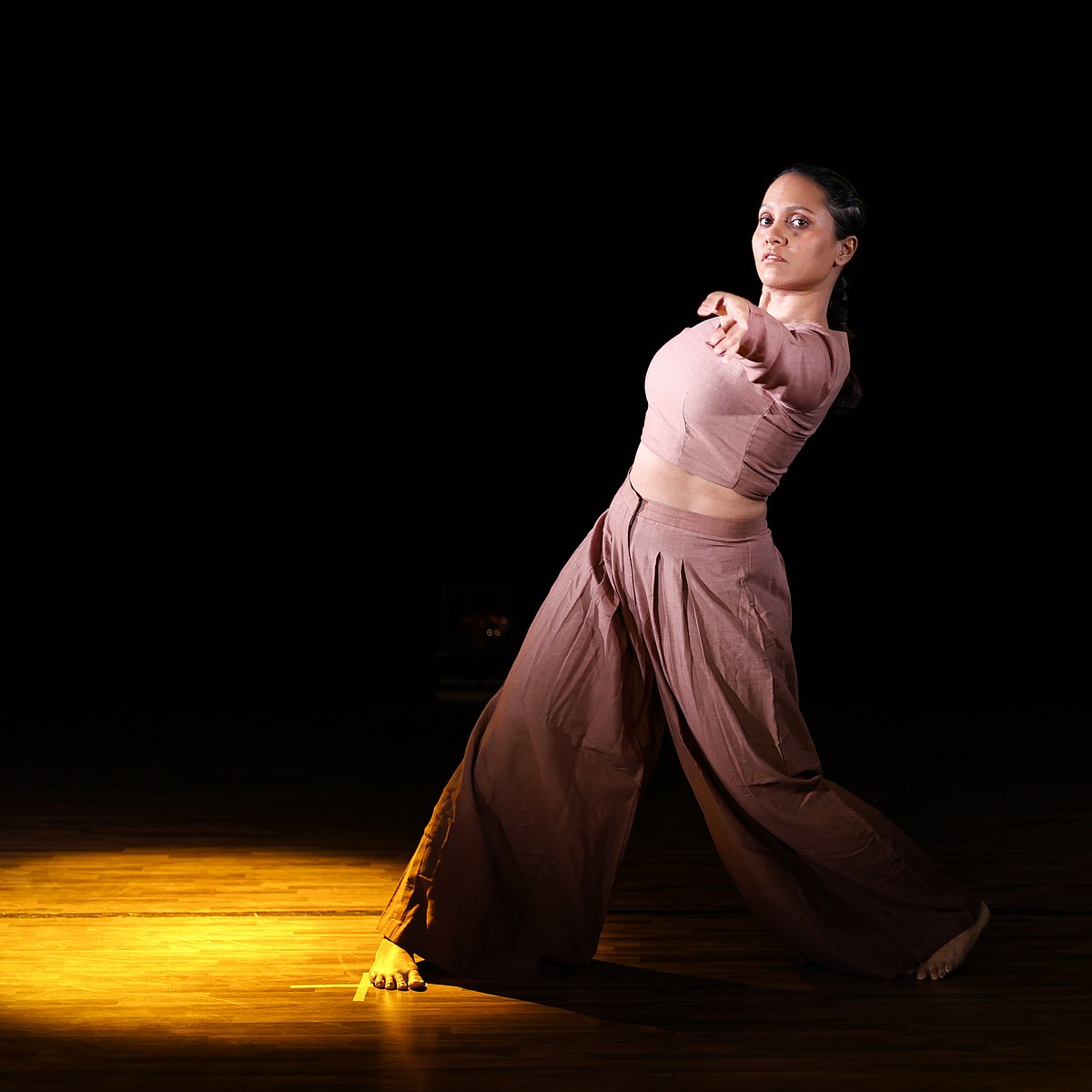
For her East Indian community project, revisiting Mumbai meant returning to the city she remembers growing up in. She spent much of her childhood in Kalina village with her grandmother and family. Official narratives frame the city through development, migration, industry, colonial history, Bollywood, and finance—but communities have existed here for generations. Most Mumbaikars don't know who the East Indians are, yet as an indigenous community of Mumbai lacking space in dominant narratives, their presence matters.
Village walks proved layered. "The villages aren't an untouched version of the past; they exist alongside airports, highways, construction sites, and the skyscrapers of Bandra and South Mumbai." The project transformed how she sees the city—from Mumbai as fixed geography to Mumbai as an accumulation of memories, communities, land, and competing histories. It involved significant relearning and unlearning.
This same process of relearning extends beyond how she views the city to how she constructs her practice. Just as dominant narratives obscure indigenous communities, institutional frameworks in dance can obscure independent voices. Building an independent artistic life without institutional support means wearing multiple hats: choreographer, researcher, producer, administrator, fundraiser, educator, sometimes even marketing. "Most of the time, you play these roles simultaneously," Datar says. Contemporary dance remains relatively young and unevenly resourced; creating infrastructure, finding collaborators, building audiences, teaching to sustain practice, negotiating fees, and making cases for why the work should exist becomes the work itself.
Cultural misunderstandings present additional challenges. "There is an expectation that dance should recognisably be 'Indian' or technically spectacular, while contemporary practice can explore much more ambiguous political, conceptual questions regarding life," she observes. Her everyday life is as Indian as performing Bharatnatyam—both are inherently Indian experiences, neither superior.

Independence, then, is about asking what kind of practice she wants to build and what structures she needs to sustain it on her terms. "The biggest challenge is not simply creating work, but building a practice that can survive, develop, and commit to the idea that we are in it for the long haul."
Her work in education, research, arts management, and running The Movement Arts Co./Viewpoint that she started in Mumbai are all connected to embodied questions, communities, participation, and activism. These represent different strands of larger ecosystems she is building for herself, emerging from the very challenges she faces as an independent contemporary dance maker in India.

