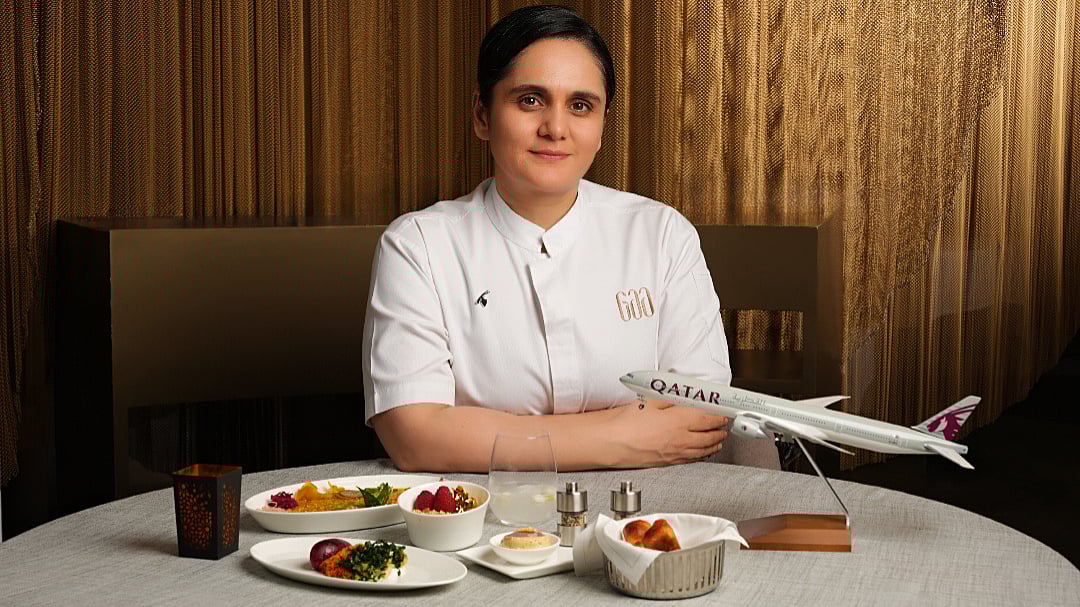
Cooking for Chef Garima Arora started early at home. Her father was the one who really opened her eyes to the gastronomical world. "He travelled often when I was a kid and came back with ingredients and recipes he wanted to try. I would sit beside him while he cooked, watching him throw himself into it with real care and intent," she reveals.
Her food philosophy is really simple and has always been about clarity and honesty. Her modern Indian fine dining restaurant GAA, situated in the heart of Bangkok, has won a Michelin Star, and now, she is in Mumbai, to win her desi patrons over with BANNG. For her, the menu at BANNG is about sharing a version of Thai food she has lived with, worked with, and believed in for years.
In an interview with FPJ, she reveals her real reason behind opening BANNG in Mumbai, how it is different from Gaa, juggling life as a new mom and designing the menu for Qatar Airways.
You have won hearts across the world with your food. Now with BANNG opening in Mumbai, you are giving people from the city a taste of your international culinary prowess. Has life come full circle?
Opening BANNG in Mumbai does feel personal. This is where I grew up, where my relationship with food began. So bringing the restaurant here wasn't just another move; it was something I knew I had to do.
It’s sharing a version of Thai food I have lived with, worked with, and believed in for years. Mumbai gets that kind of food — flavor-forward, bold and real. For me, it made sense to come back with something that's rooted in everything I have learned, and still speaks of where it all started.
It feels like the right moment, in the right city, with the right energy.
How has the experience been of opening a restaurant right in the heart of Mumbai, Bandra?
Bandra felt like the right place from the start. It has a certain energy —curious, fast and open. People here know what they like, but they are also willing to try something new. That made it the ideal setting for BANNG.
Opening a restaurant in Mumbai comes with its own set of challenges —space, pace, a million moving parts — but it also comes with a kind of buzz you can't replicate anywhere else. This city doesn't slow down. And in a way, that's exactly why BANNG works here. The concept is built around the same rhythm — bold food, high energy and no shortcuts.
It's been exciting, chaotic at times, but deeply rewarding. For me, this isn’t just another opening — it's a return to where it all started. So, while the scale is different, the feeling is very personal.
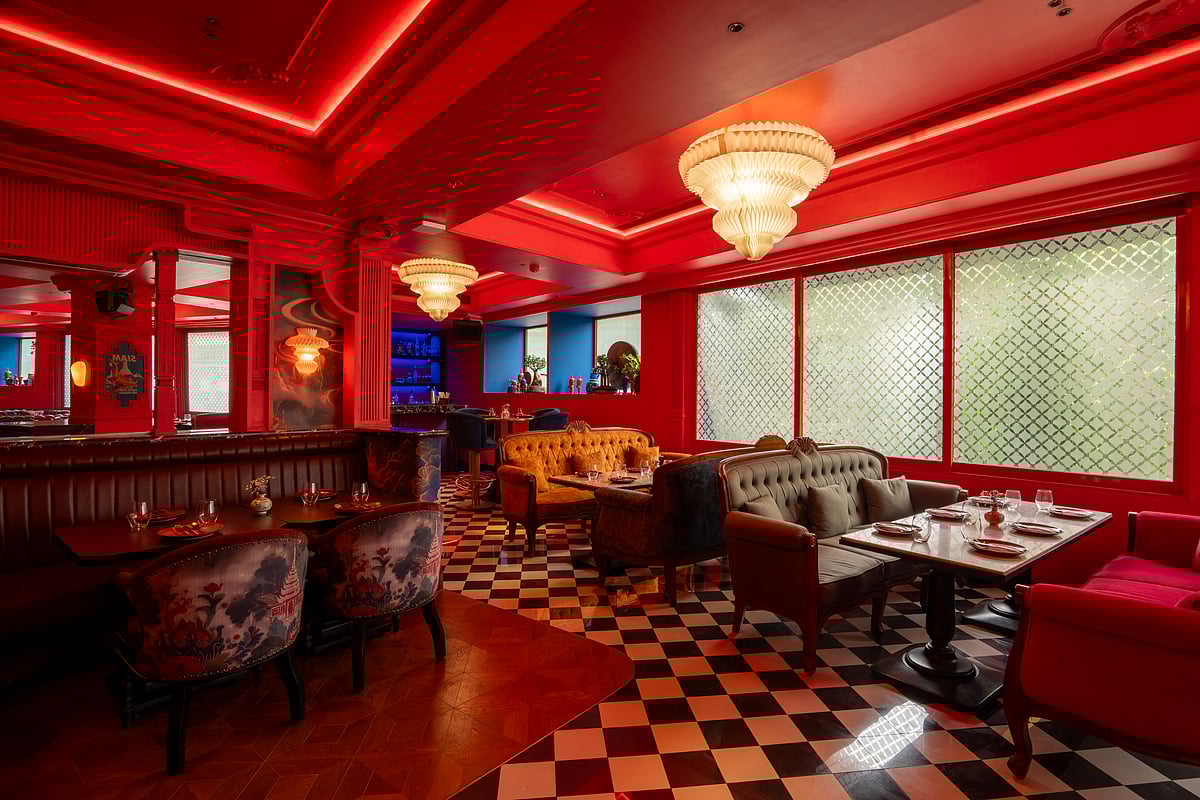
Bold red interiors of BANNG |
How did you make sure that people got a taste of Bangkok's vibrant culinary culture in Mumbai?
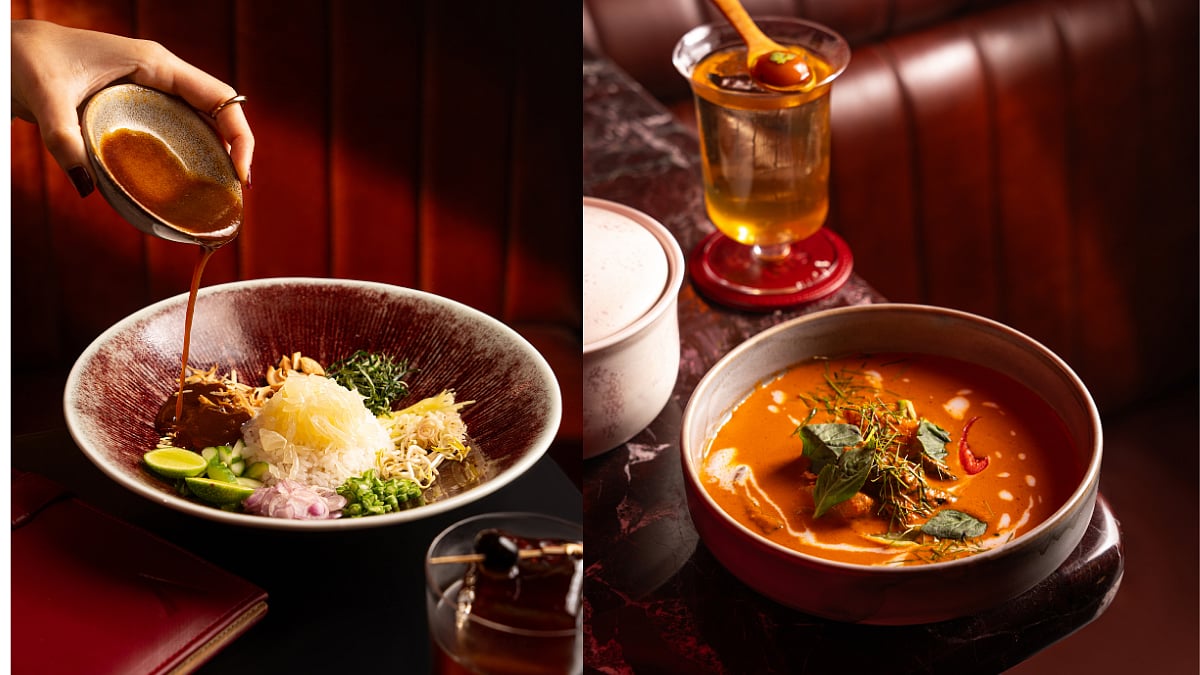
The focus with BANNG has always been to present Thai food the way it’s meant to be eaten — bold, expressive, and full of character. The menu brings together grills, punchy curries, hotpots, and smoky stir-fries that reflect the everyday rhythm of eating in Thailand.
To stay as close to the original flavors as possible, our curry pastes are pounded fresh in Bangkok and flown into Mumbai twice a week. While the foundation of the menu honours traditional Thai recipes, the appetisers allow us a little room to experiment.
We have played with select Indian techniques, but always in a way that adds to the story, rather than diluting it.
Before building the menu, I travelled to Chiang Mai with our Head Chef, Manav Khanna, and spent time working closely with a Thai culinary master. We weren't just collecting recipes — we wanted to understand the why behind each dish, technique, and flavor combination. That research shaped the soul of the menu and led to some of its most exciting creations.
Apart from the Tom Kha Paani Puri, the must-try dishes at BANNG include the Ping Bar selection of Bangkok-style charcoal-grilled skewers, from Grilled Mushrooms with Massaman, Peanuts & Orange Zest to Tom Yum Chicken Balls wrapped in crispy egg noodles. We have also reimagined classics like Khao Mun Gai Chicken Wings served with ginger soy sauce.
One of my personal favourites — and a guest favourite — is the Crab Cold Yellow Curry, featuring cucumber granita, chilled yellow curry, and delicate garnishes. Together, the menu offers a vibrant, immersive taste of Bangkok, reinterpreted for a lively bar setting in Mumbai.
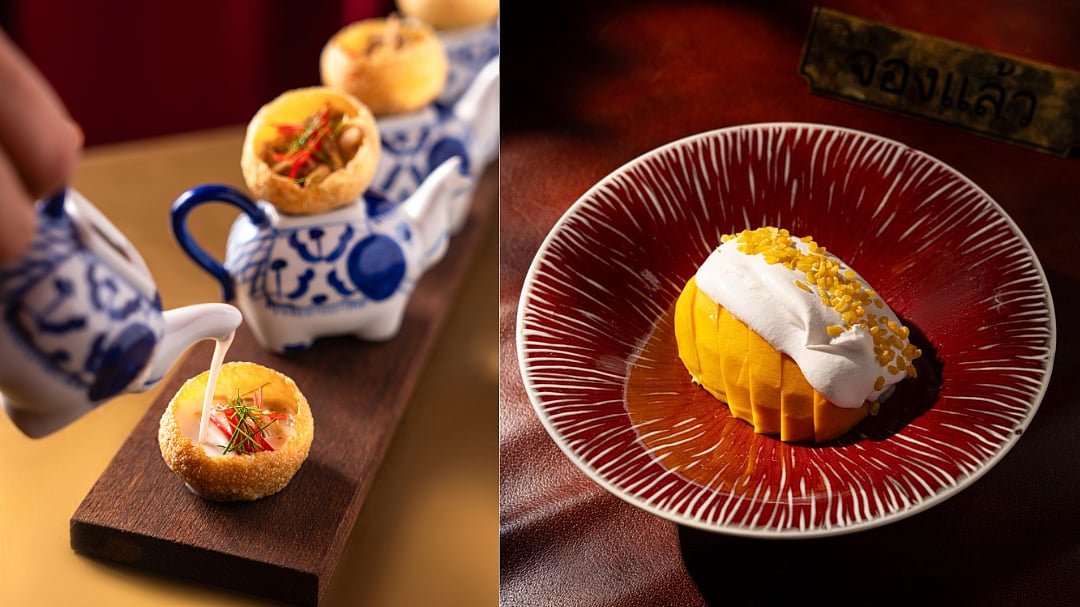
(Left) Tom Kha Paani Puri and (right) Mango Sticky Rice |
Gaa's set menu is exactly the opposite of BANNG. How does that translate to the dining experience for people?
They are flips of each other. Gaa is a tasting menu with every course builds on the last. There is a rhythm to it, and the story is told plate by plate. The experience is personal. It asks you to slow down, pay attention, and discover something new about Indian food.
BANNG, on the other hand, is loud, energetic and unapologetically Thai. It’s built for shared tables and full conversations, not hushed tones. The food lands fast and hot, the flavors are bold, and nothing's been edited to suit the Indian palate. The whole point is to give people the feeling of being in a Bangkok diner, not a fine dining room.
I think we can say that Gaa showcases where I'm from and how I want to present Indian cuisine to the world, while BANNG represents where I've been living for the past 8 years — Thailand. It's the food that has shaped my culinary perspective and inspired my cooking, and I want to share these flavors with people back home in India.
What's your food philosophy?
My food philosophy has always been about clarity and honesty. I believe less can be more, but only when every element on the plate has a purpose.
Going back to your Punjabi roots, where did you get your cooking skills from?
Cooking for me started at home. In my Punjabi household, food was always present, but as something we lived with. There was always someone either cooking or eating, and it shaped the way I thought about food from a very young age.
My dad was the one who really opened my eyes. He travelled often when I was a kid and came back with ingredients and recipes he wanted to try. I would sit beside him while he cooked, watching him throw himself into it with real care and intent. That curiosity of trying new things, experimenting with flavors is something I picked up from him early on.
You are a new mom? How have you been balancing work and home? An important life lesson you'd like to give your kid as a chef and a working mom?
Balancing both is never easy, and I don't pretend it is. You do what you can, and on most days. There are moments I miss out on things at home, and others where I have to step away from the kitchen and that’s just part of it. What’s helped me is accepting that there’s no perfect version of balance. Some days are about presence, not performance. I’ve also been lucky to have a strong support system that makes this life possible at home and at the restaurant.
It is not easy winning a Michelin star... but GAA won it twice and that's no easy feat! How do you stay relevant in the business of food?
You stay consistent. That's the hardest part. For me, consistency isn't just about what's on the plate. It's how we think, how we lead, how we show up. Relevance comes from that consistency. And from staying curious. At Gaa, we've never chased trends. We’ve always focused on doing what we believe in, with honesty and intent.
You have curated an Ayurvedic vegetarian Satvik millet khichdi inspired by what your nani fed you?
The starting point for the satvik millet khichdi was memory, the kind of food my nani cooked when nourishment mattered more than indulgence. That philosophy has always stayed with me.
Millets felt like the most honest foundation for this dish. They were once a staple in Indian homes and are now being rightfully revisited, especially after India led the United Nations' International Year of Millets 2023. For me, this revival isn't symbolic; it's practical. Millets are resilient, nutritious, and deeply connected to our food culture.
Designing the menu for Qatar Airways has been an adventure for you... Is it about eye-pleasing, soulful dishes? Or there's more?
It took months of back and forth, tasting, reworking, and understanding the very specific context of airline food. You're not just cooking for a restaurant setting where you have full control. You're working with altitude, reheating, and logistics. Every dish had to be designed knowing that.
What I wanted was for the food to feel familiar, but thoughtful. We consciously included elements that connect emotionally, like the Parle-G and chai dessert, because memory plays such a big role in how we taste.
For me, flavour and intention come first. So yes, it had to be pleasing but also purposeful. Something that tells a story without needing to explain itself.

