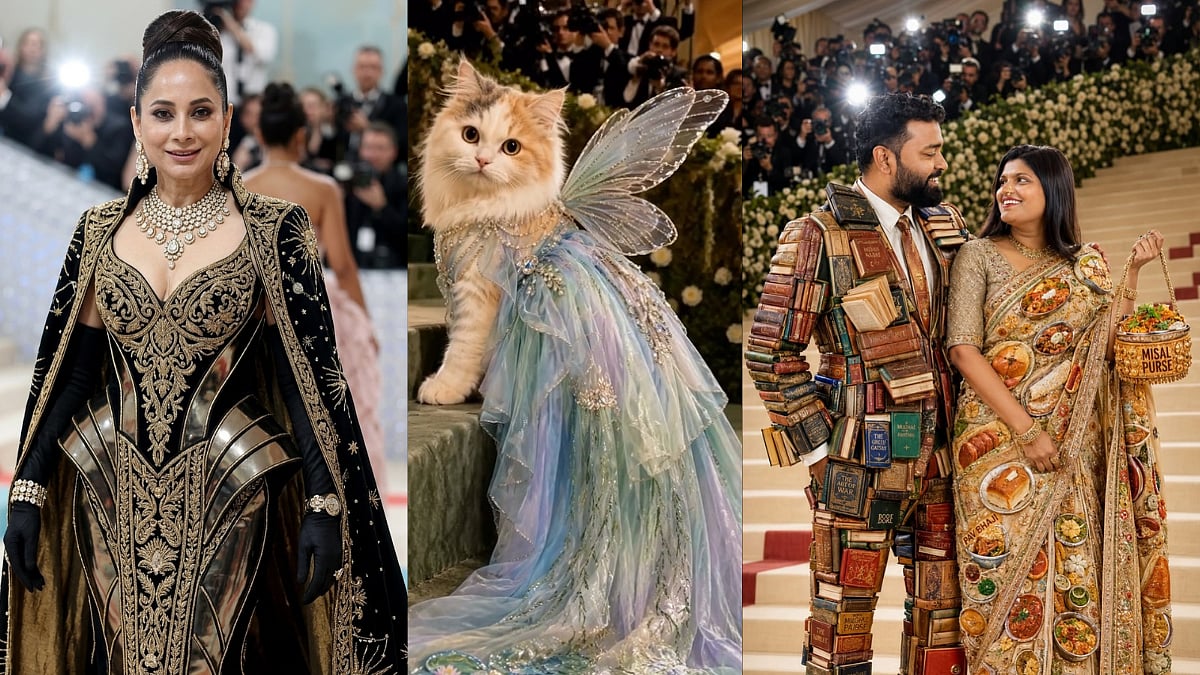
All eyes will always be on the First Monday of May every year. The Met Gala has always been a gaudy spectacle, but there’s an insurgent new guest on the red carpet this year that has raised the stakes for authenticity for all: AI. Within minutes of arrivals, social feeds flooded with AI-generated Met Gala portraits: people reimagining themselves in exaggerated Thom Browne tailoring, surreal crystal-veiled gowns, futuristic dandyism, and couture silhouettes.
Everyone’s At The Met Gala
The explosion of AI-generated Met Gala imagery says less about technology itself and more about what fashion culture has become online. “Social media has fundamentally changed the relationship people have with events like the Met Gala,” says clinical psychologist Dr Aanya Mehra. “People no longer feel like spectators. There is now an expectation of participation. AI tools allow users to symbolically enter spaces they could never physically access.”
Every year, timelines pause for celebrity reveals, outfit dissections, meme cycles, and discourse about who understood the theme and who missed it entirely. Not participating can almost feel like missing a global inside joke. For many users, however, these AI-generated Met Gala portraits are not necessarily about deception, but about playful self-expression and imaginative participation. The trend has allowed people to creatively insert themselves into one of fashion’s most exclusive cultural moments, even if only digitally.
“The MET Gala red carpet this year felt like one of those peak fashion moments for India, and I wanted to celebrate it while having some whimsical fun within my food and lifestyle content niche,” says renowned curator, content creator, and writer Romi Purkayastha. “I took inspiration from summer fruits, added a cheeky ‘Squeeze the Day’ detail on the purse, and prompted ChatGPT to create an intricate Manish Arora-style gown for me. The result felt quite magical, and people haven’t stopped complimenting the look on Instagram. Honestly, I would absolutely wear this outfit on a red carpet!”
Not limited to humans, across social media, ‘Pet Gala’ emerged as its own viral runway, turning cats and dogs into unlikely fashion muses dressed in elaborate miniature couture. Tiny capes, pearl embellishments, dramatic headpieces, and exaggerated tailoring flooded feeds. One particularly tiny dog quickly stole the spotlight after viewers compared its dramatic outfit to a Maison Margiela-inspired look famously worn by Zendaya.
There is also something unexpectedly intimate about these generated images. “They reveal how people want to be perceived,” says Dr Mehra. “Online, visibility often feels tied to belonging. Participating in viral cultural moments reassures people that they are part of the conversation.”
But, What About Art?
There was a tension that surfaced during the viral wave of AI-generated Studio Ghibli-style images, which sparked both fascination and backlash online. For many critics, the discomfort was not simply about imitation, but about how easily technology could reproduce the visual language of an artist whose work is deeply rooted in patience, humanity, and emotional detail - qualities that form the very core philosophy of Hayao Miyazaki’s art.
Fashion, at its highest level, is not merely visual content to be endlessly replicated by algorithms; it is one of the most intimate forms of art humans create. Couture belongs in museums for a reason. A garment carries the weight of craftsmanship, cultural memory, technique, emotion, and human labour stitched into every detail. Even everyday personal style is rarely random - what people choose to wear is often a quiet archive of identity, experience, emotions, aspiration, grief, rebellion, or desire. Clothing is thought made visible.
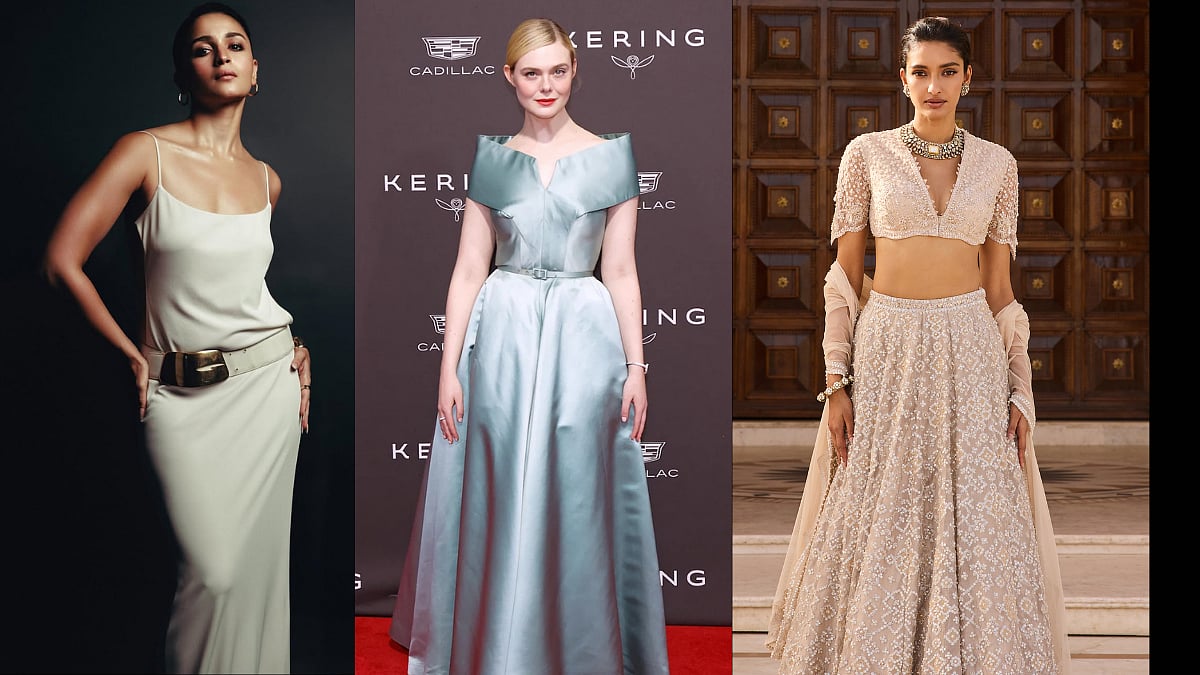
The danger is not simply that the images are artificial, but that they are built from the work of very real creatives whose designs, references, silhouettes, and artistic languages become absorbed into datasets without context or consent. In that sense, the technology can feel less like inspiration and more like extraction. A couture gown may take hundreds of hours of embroidery, fittings, and craftsmanship to create, only for its visual DNA to be instantly repurposed into an infinite number of algorithmic imitations. For designers, pattern-makers, textile artists, and creative directors, fashion is years of discipline, experimentation, and human emotion translated into form - not just instant imagery.
“People are emotionally drawn to art because they recognise the humanity inside it,” says Dr Mehra. “When technology begins removing the visible traces of effort, imperfection, and time, it can subtly change how audiences emotionally relate to creativity itself.”
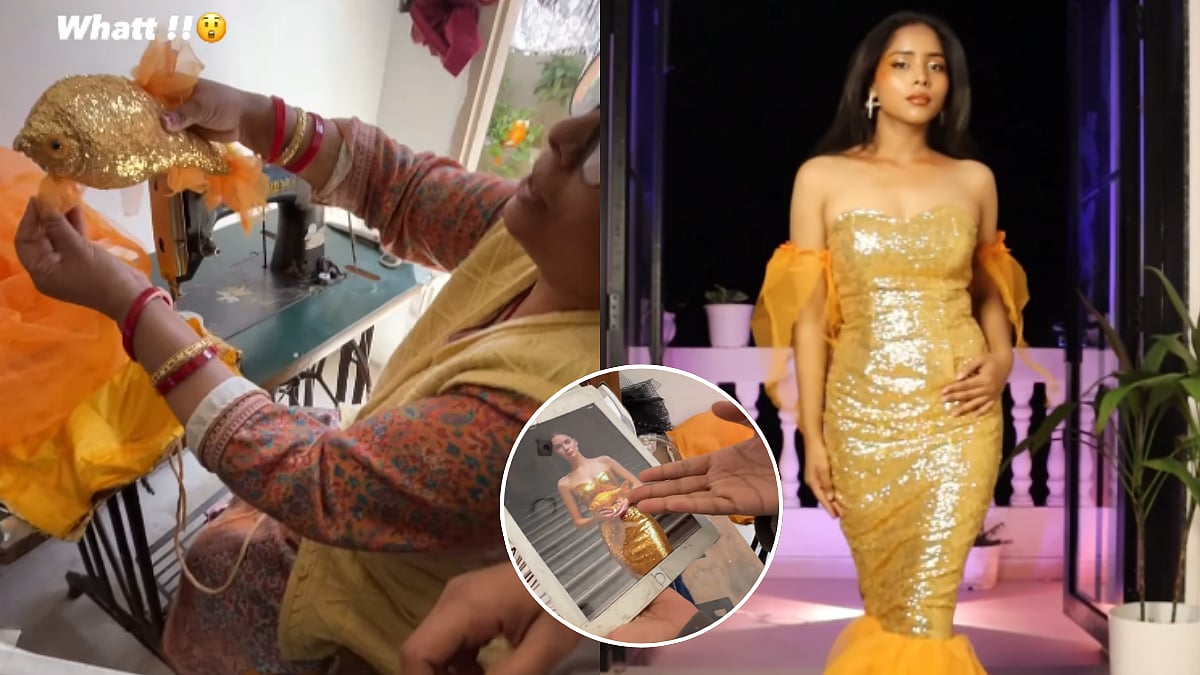
Many would argue that art should belong to everyone, and that AI-generated fashion fantasies only push that democratisation further. In that sense, AI disrupts the exclusivity that has long defined both fashion and art, opening the gates of fantasy to people who were previously only spectators. But the fashion industry is already struggling with questions of originality and overconsumption, and AI introduces an ethical discomfort: when fashion becomes infinitely generatable, what does this shift mean for the people who have devoted decades to perfecting the craft of design?
“Part of the discomfort many creatives feel comes from the sense that the process itself is becoming invisible,” says Dr Mehra. “Creative professions are deeply tied to personal meaning. So when technology appears to compress years of craft into instantly generated imagery, it can provoke anxiety about relevance, recognition, and artistic identity.”
Perhaps that is what makes the rise of AI-generated Met Gala fantasies so revealing - they reflect a deeper cultural desire to feel visible, included, and creatively relevant in an online world where attention increasingly defines belonging. It is that constant algorithmic replication that risks making audiences forget that artistry is made to feel extraordinary to begin with.

