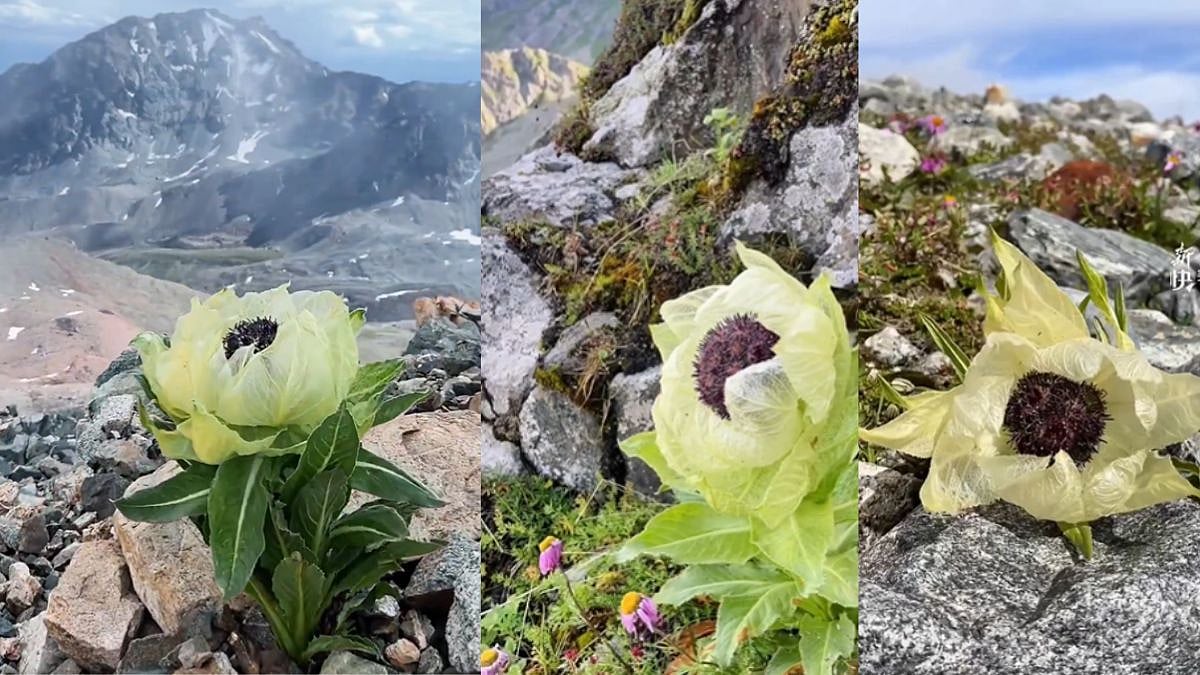
Saussurea laniceps, also known as cotton-headed snow lotus or snow lotus, is a rare flower that is only found in the Himalayan mountains, including Nepal, southwest China, Sikkim, Sichuan, Tibet, and Yunnan in China. The flower blooms at about 3,200 m altitude on alpine scree slopes. The flower came into the limelight after a video of a breathtaking snow lotus blooming majestically in the Tianshan mountains went viral on social media, leaving the internet spellbound.
About Snow Lotus: A rare flower
Snow Lotus is one of the rarest and most resilient flowers on Earth, known for its ability to thrive in some of the harshest climates on the planet. Native to high-altitude regions such as the Himalayas, this extraordinary plant grows at elevations often exceeding 3,000 meters, where freezing temperatures, thin air, and rocky terrain make survival challenging for most vegetation. Its scientific name, Saussurea obvallata, reflects its unique adaptations that allow it to endure extreme cold and intense ultraviolet radiation. It takes 5 to 8 years to grow and blooms only once in its lifetime.
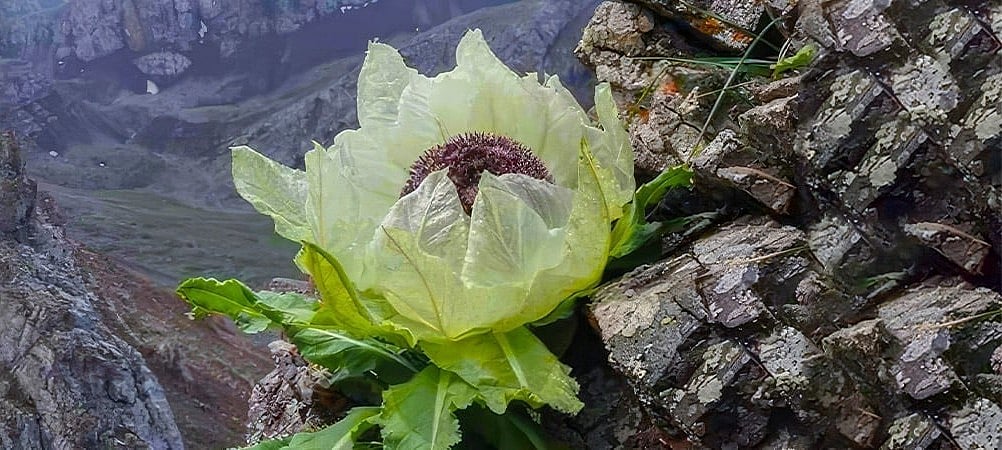
Snow Lotus blooms: Watch the viral post
A video of the breathtaking Snow Lotus blooming in the Tianshan mountains went viral. In the video, Snow Lotus is in full bloom against the backdrop of snow-covered mountains. The majestic flower stands tall on rocks amid strong winds. Snow Lotus is also known as Brahma Kalam in India.
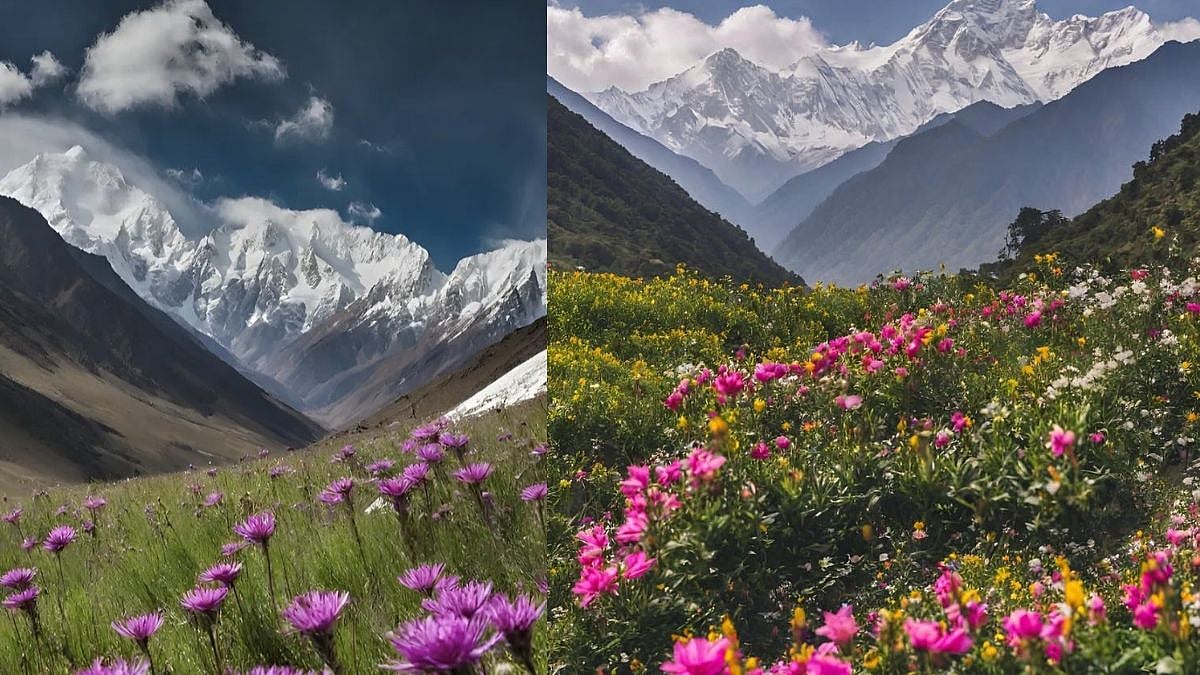
When does it Brahma Kamal bloom?
The flower blooms only during brief summer periods, usually between January and April, when the mountain air warms slightly. Its petals, often purple or bluish-white, form a star-like shape that not only adds to its beauty but also protects the inner parts of the flower from frost. Snow Lotus has evolved a slow growth cycle, which helps it conserve energy and nutrients in an environment where resources are scarce. Its leaves and petals have tiny hairs that minimise heat loss and retain moisture, further ensuring its survival in unforgiving conditions.

