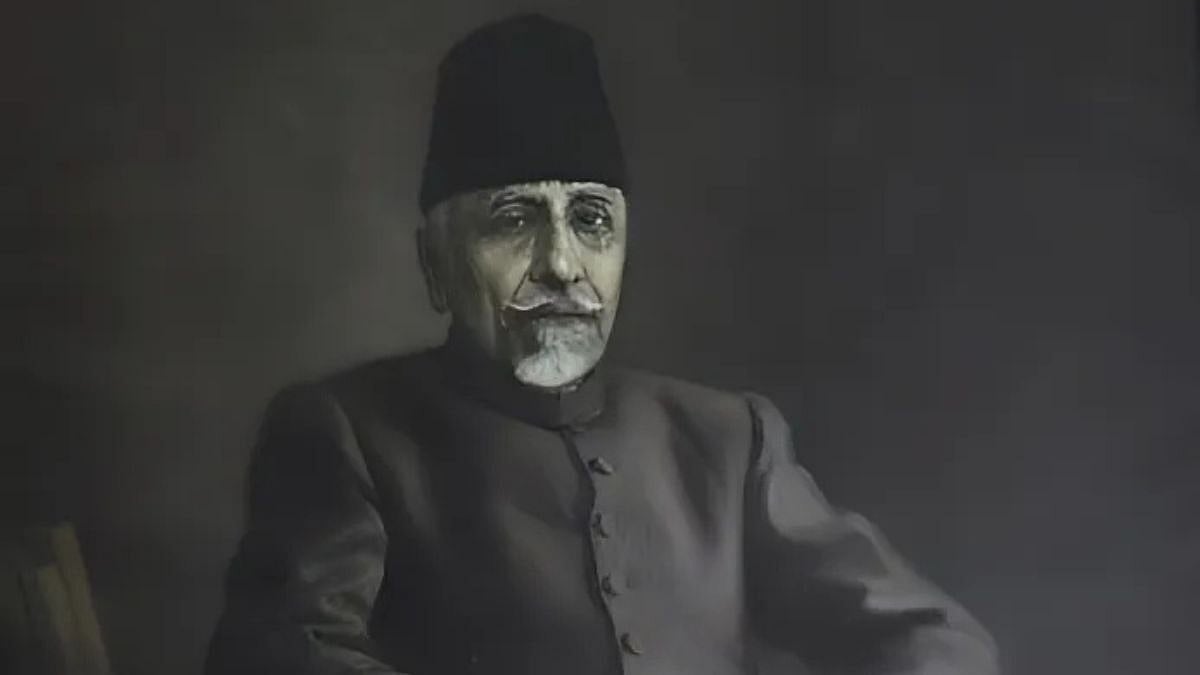
Maulana Abul Kalam Azad was a freedom fighter, educationist (India's first Education Minister), scholar, and senior leader of the Indian National Congress (INC). He was born in Saudi Arabia on November 11, 1888. From a young age, Azad was a bright student, and he was always interested in studies. He received his education from Al Azhar University. Kalam died on February 22, 1958. On his death anniversary, let's delve into his life struggles and his contributions to India.
Maulana Abul Kalam Azad established the top educational institutions
Abul Kalam Azad established top education bodies in India, like the All India Council for Technical Education (AICTE) and the University Grants Commission (UGC), and he also laid the foundation of the first Indian Institute of Technology, IIT Kharagpur.
In addition, numerous educational institutions were established under his guidance, including the Indian Council for Cultural Relations (ICCR), Lalit Kala Academy, Sangeet Natak Academy, Council of Scientific and Industrial Research (CSIR), and more. In 1992, Azad was also honoured with India's highest civilian award, Bharat Ratna, for his crucial role and invaluable contributions to India's education system.
Azad began his political journey through journalism
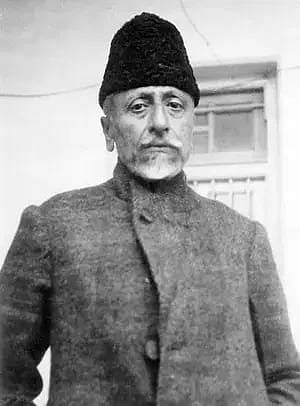
He began his political journey through journalism. His Urdu weekly newspaper Al-Hilal, launched in 1912, criticised British policies and inspired nationalist sentiments among Indians. Due to his outspoken views, the British government banned the publication and later imprisoned him multiple times. A senior leader of the Indian National Congress, Azad worked closely with Mahatma Gandhi and Jawaharlal Nehru. He strongly supported Hindu-Muslim unity and opposed the partition of India. In 1923, at the age of 35, he became the youngest President of the Indian National Congress. He later served again as Congress President from 1940 to 1946, a crucial period during the freedom movement.
Azad became the country’s first Education Minister after Independence
After India gained independence in 1947, Maulana Abul Kalam Azad became the country’s first Education Minister. He passed away on February 22, 1958. Azad's legacy continues to inspire generations committed to education, unity, and nation-building.

