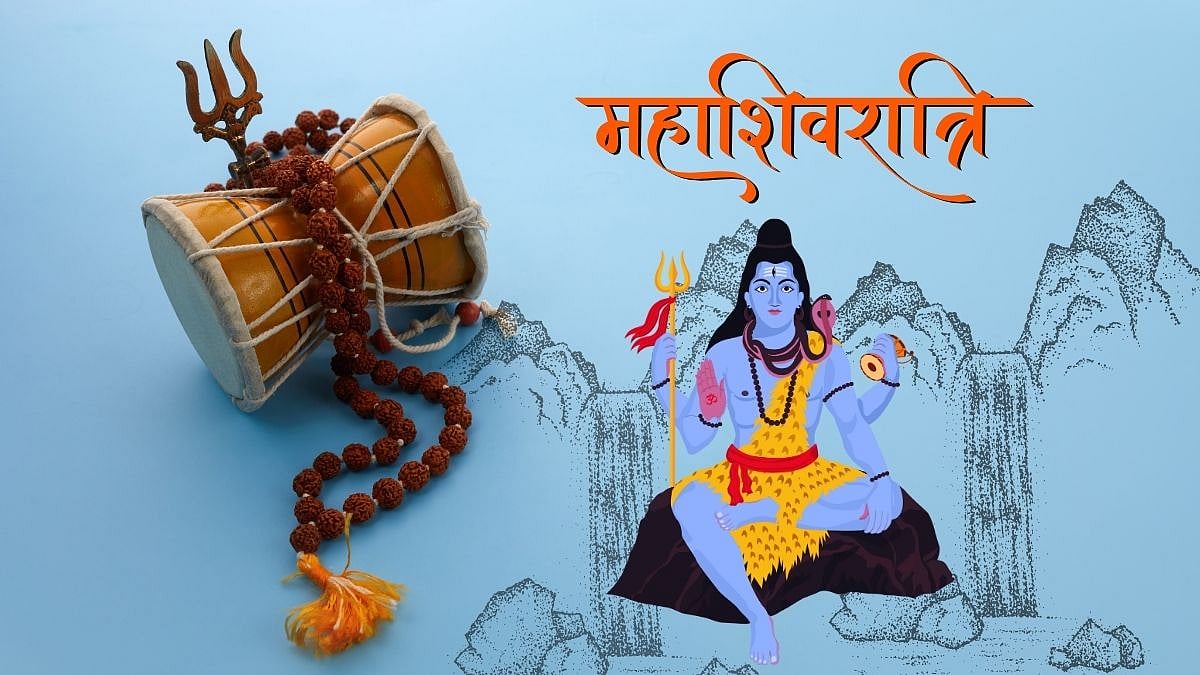
Maha Shivratri is one of the most auspicious festivals in the Hindu religion, which is dedicated to Lord Shiva and Goddess Parvati. This year, the sacred festival, which will be celebrated on February 15, will celebrate the reunion of Lord Shiva and Goddess Parvati, which is considered a night of profound spiritual significance. But, do you know why the Bael (Wood Apple) leaf and Datura (Thorn Apple) are offered to Lord Shiva and why it is considered auspicious? Keep on reading about the significance and more about the Maha Shivratri festival.
About Maha Shivratri
Maha Shivratri falls on the Chaturdashi Tithi during the Krishna Paksha of Phalguna. It is often referred to as the 'Great Night of Shiva.' This festival is a celebration of light prevailing over darkness. It is believed that devotees who worship Lord Shiva and Goddess Parvati on this day get a special blessing, and their lives are filled with love. On this day, devotees should observe a fast and also visit the Lord Shiva temple.
What is Datura, and why is it offered to Lord Shiva?
Datura is a highly poisonous psychoactive plant with white-to-purple trumpet-shaped flowers, used in Lord Shiva worship. Offering the flower and the fruit represents surrendering the negative energies to the deity. It is believed that when devotees surrender their negative energies, Lord Shiva neutralise them.
Three-leaved Bel Patra: Symbolism of Lord Brahma, Lord Vishnu and Lord Shiva
According to the other Hindu Belief, its three leaflets symbolise the Hindu trinity: Lord Brahma (the creator), Lord Vishnu (the preserver), and Lord Shiva (the destroyer). Offering Bel Patra during Shiva puja or Maha Shivratri is believed to invoke the combined blessings of creation, preservation, and transformation, bringing spiritual balance and harmony.
The leaves are also considered a representation of Shiva’s Trishul (trident). Devotees believe that worshipping with three-leaved Bel Patra removes sins, purifies the soul, and strengthens devotion, making it an indispensable element in Shiva rituals. The leaves also symbolises a sacred triad: creation, preservation, and destruction, representing the three powers of Lord Shiva.

