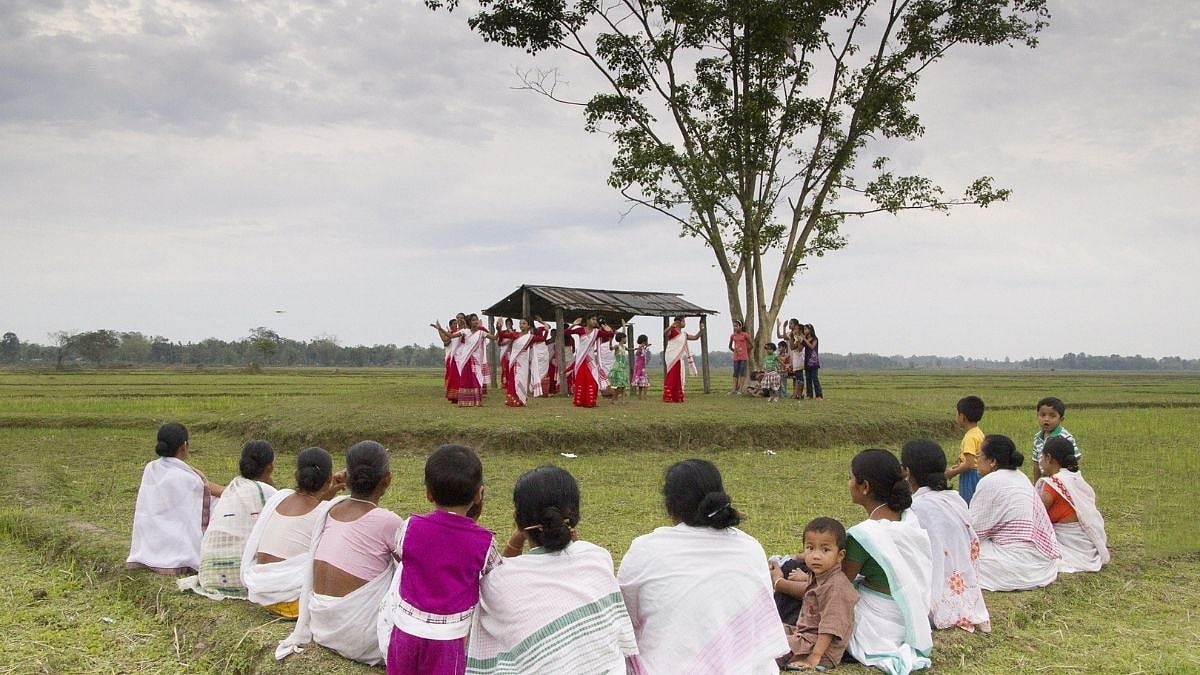
Magh Bihu, also known as Bhogali Bihu, is one of the most significant festivals celebrated in Assam. The festival originates from the Tibeto-Burman cultural traditions and the Kachari festival known as Magan. This year, the Magh Bihu, referred to as Bhogali Bihu, will be celebrated on January 15.
Magh Bihu 2026
The eve of the Magh Bihu is also known as Uruka, is the most culinary night of the year when loved ones gather and enjoy a feast around a bonfire. The following day marks Magh Bihu. In the early hours, individuals bathe and ignite the primary 'Meji' made from bamboo and wood. The Bihu dance is the essential component of Assamese culture, honouring the seasonal essence, fertility, and fervour during the Magh Bihu festival. This customary dance is executed by groups of young males and females, displaying their lively spirit and excitement.
Why is Magh Bihu celebrated?
Magh Bihu is primarily a harvest festival that celebrates the abundance of crops and food after months of hard work by farmers. It is a way of thanking nature for its generosity and seeking blessings for future prosperity. The festival signifies unity, gratitude, and the joyous spirit of sharing among communities.
Magh Bihu 2026: Date and time
According to Drik Panchang, the auspicious festival will be celebrated on Thursday, January 15, 2026.
Sankranti Moment on Magha Bihu - 03:13 PM, January 14
Uruka (Feast Night): January 14, 2026
Magh Bihu / Bhogali Bihu: January 15, 2026
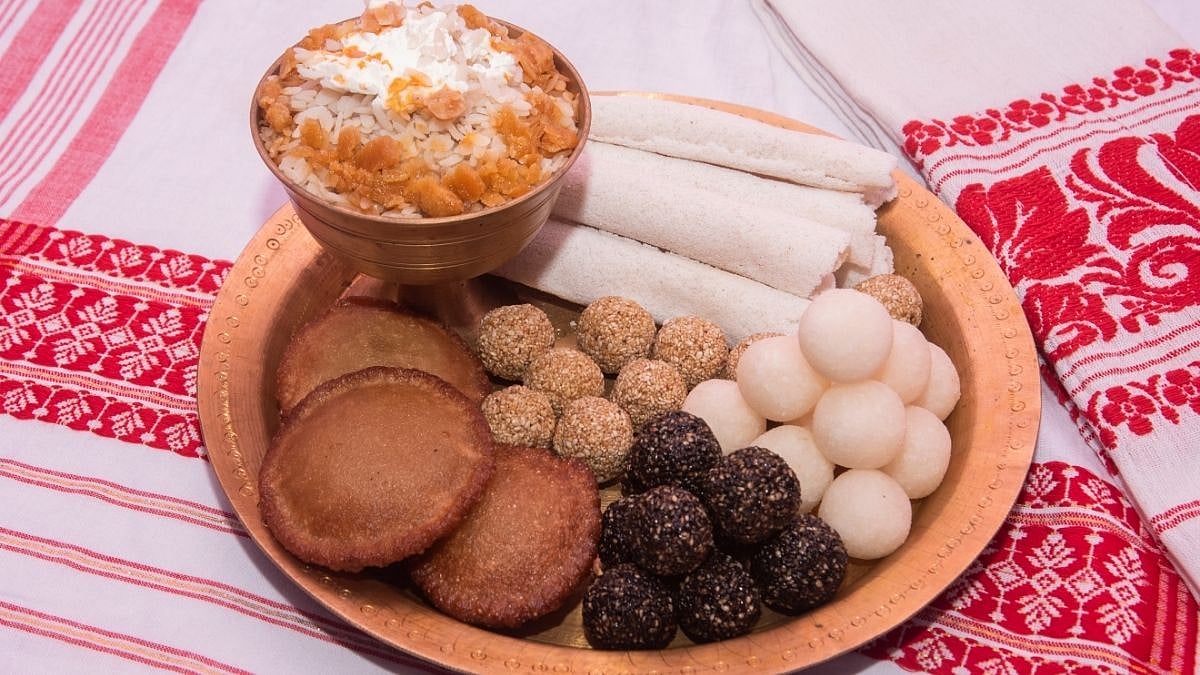
Magh Bihu Traditional Food | Canva
Uruka (Feast Night)
Uruka refers to the eve of Magh Bihu in Assam. The significant harvest festival is celebrated with bonfires and communal feasts. The feasts include traditional dishes of Assam, local delicacies, fish, pork, and more. This significant feast night is celebrated the night before the Magh Bihu.

Significance of Bhogali Bihu (Magh Bihu)
The word 'Bhogali' comes from the Assamese word 'Bhog' which means feasting or enjoyment. This highlights the festival's focus on food, community, and celebration. It is a time when people come together to rejoice over the fruits of their labour and strengthen social bonds. Magh Bihu also signifies the transition of the Sun into the zodiac sign Capricorn (Makara), marking longer days and the end of winter.

