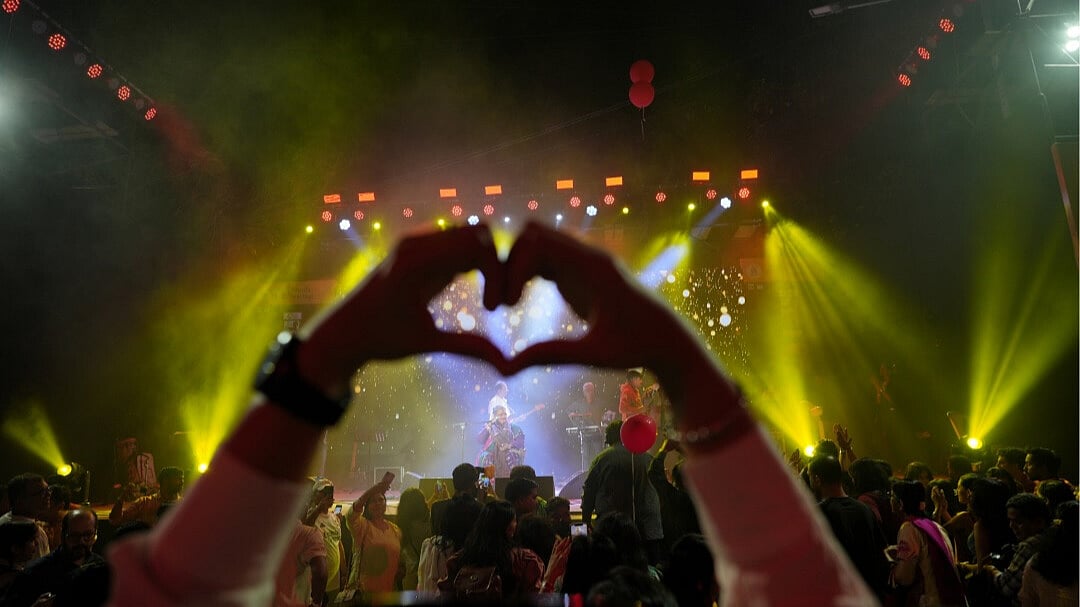
After nine vibrant days of celebrating art, culture, and creative expression, the Kala Ghoda Arts Festival 2026 has officially drawn the curtains. Living up to its reputation as Asia's largest multidisciplinary street art festival, the iconic event once again transformed South Mumbai into a cultural hub.
With over 500 events, 100+ art installations, and venues spread across the city, the festival brought together artists, performers and art enthusiasts from across the world.
This year’s edition marked a significant milestone, expanding its footprint more than ever before. Live performances, workshops, exhibitions, and interactive activities were hosted across 33+ venues in South Mumbai, the highest number in the festival’s 26-year history.
From grand music concerts to thoughtfully curated platforms for emerging and tribal artists from across India, the festival truly became a platform for diverse communities.
City-Wide Art Installations
While Rampart Row remained a major attraction, the festival spread its wings well beyond its iconic location. Several key areas across South Mumbai, including Mumbai Aqua Line metro stations near Kala Ghoda, were adorned with large-scale installations, staying true to this year’s theme, ‘Ahead of the Curve.’
Bollywood Assembled At Kala Ghoda
The festival also witnessed a strong Bollywood presence over the nine days. Celebrities such as Saiee Manjrekar, Bhumi Pednekar, Shahid Kapoor, Mrunal Thakur, Siddhant Chaturvedi, Anupam Kher, Triptii Dimri, Shanaya Kapoor and any more were spotted attending various events. Several stars also used the platform for film promotions, adding to the festival’s buzz and larger crowds.
Shopping, Crafts & Unique Finds
Beyond art and performances, the Kala Ghoda Arts Festival remained a shopper’s delight. The festival featured curated stalls from across India, offering everything from handcrafted jewellery and home décor to sustainable fashion and artisanal products.
Cultural Performances & Heritage Walks Steal the Spotlight
Cultural storytelling took centre stage with performances by tribal artists from across India, along with Tibetan cultural dances, Assamese folk forms and other regional performances that celebrated the country’s rich traditions.
Adding depth to the experience were the much-loved Heritage Walks, where professional guides led visitors through iconic lanes of South Mumbai, sharing lesser-known stories, architectural insights and hidden historical facts.
As Kala Ghoda Arts Festival 2026 comes to an end, it leaves behind memories of creativity. More than just an art festival, KGAF once again proved to be a cultural movement, one that celebrates inclusivity, artistic freedom, and Mumbai’s evolving creative spirit.
Until next year, the city will continue to cherish these moments and get ready for a larger editions ahead.
