
Janmashtami is one of the most auspicious festivals which celebrates the birth of Lord Krishna. The festival is celebrated with immense devotion and enthusiasm across India. Among the most vibrant traditions associated with the festival is Dahi Handi, which brings alive the playful childhood stories of Krishna, especially his love for butter and curd. This year, Janmashtami is celebrated on Friday, September 4, 2026. Meanwhile, Dahi Handi will be celebrated on Saturday, September 5, 2026. But, do you know what is the reason behind the celebration and why it is associated with Lord Krishna's life.
Dahi Handi significance
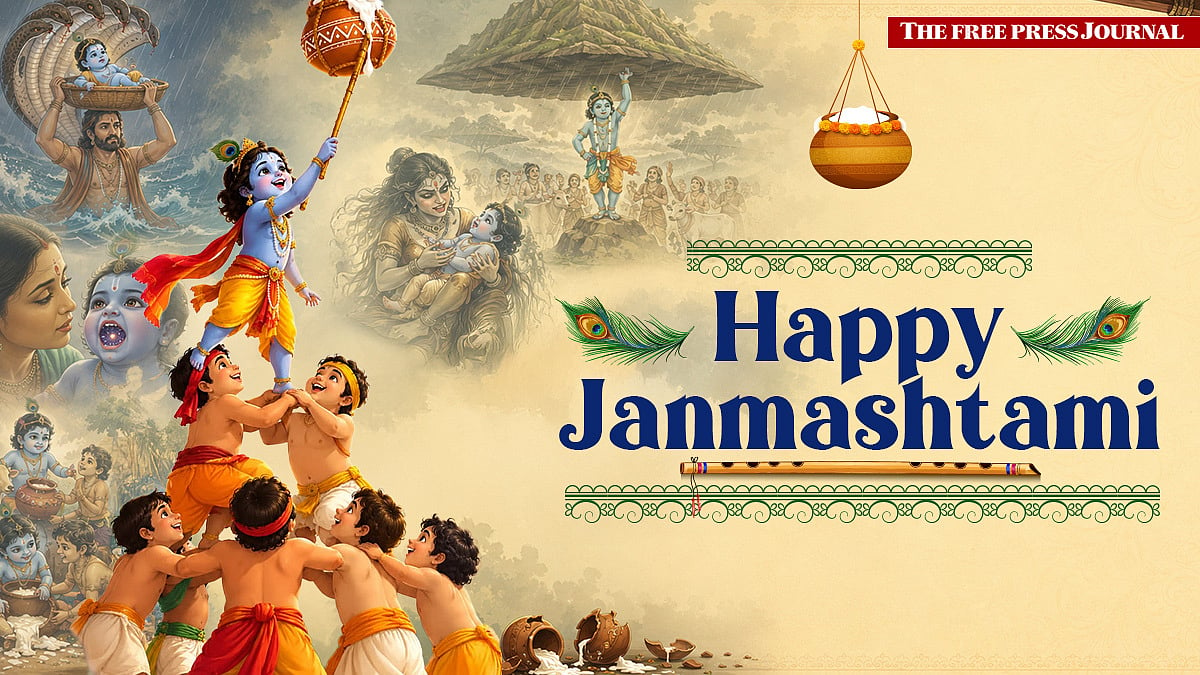
Dahi Handi is an age-old tradition which is based on stories of Lord Krishna's childhood in Gokul. In today's world, Dahi Handi is not only about winning the contest, but it the festival also showcases strength, unity, brotherhood, and strategy. During Janmashtami celebrations, communities come together in several parts of India, particularly Maharashtra and Gujarat. Streets and neighbourhoods are decorated for the occasion, while an earthen pot filled with curd, butter and other treats is suspended high above the ground. Groups known as Govindas form human pyramids to reach the handi and break it amid cheers, music and celebrations. Breaking of the pot represents the playful spirit associated with Bal Gopal.
Krishna’s childhood connection
As a child, Lord Krishna loved makhan (butter) and he used to steal it from the houses of his neighbours. He is often called Makhan Chor (butter thief). He often stole it from homes in Gokul and Vrindavan. His mother Yashoda and other residents would keep butter pots hanging high from the reach of children. However, Krishna, along with his friends, used to form human pyramids to reach and break these pots. The Dahi Handi tradition is believed to recreate this playful episode from Krishna’s childhood.

AP Photo
Dahi Handi celebration in Mumbai
In Mumbai, Dahi Handi will be celebrated on Saturday. The city is particularly known for its grand Dahi Handi celebrations, where Govinda teams compete to reach pots placed at challenging heights. The festivities are accompanied by devotional songs, drums and cultural performances, creating a lively atmosphere.

