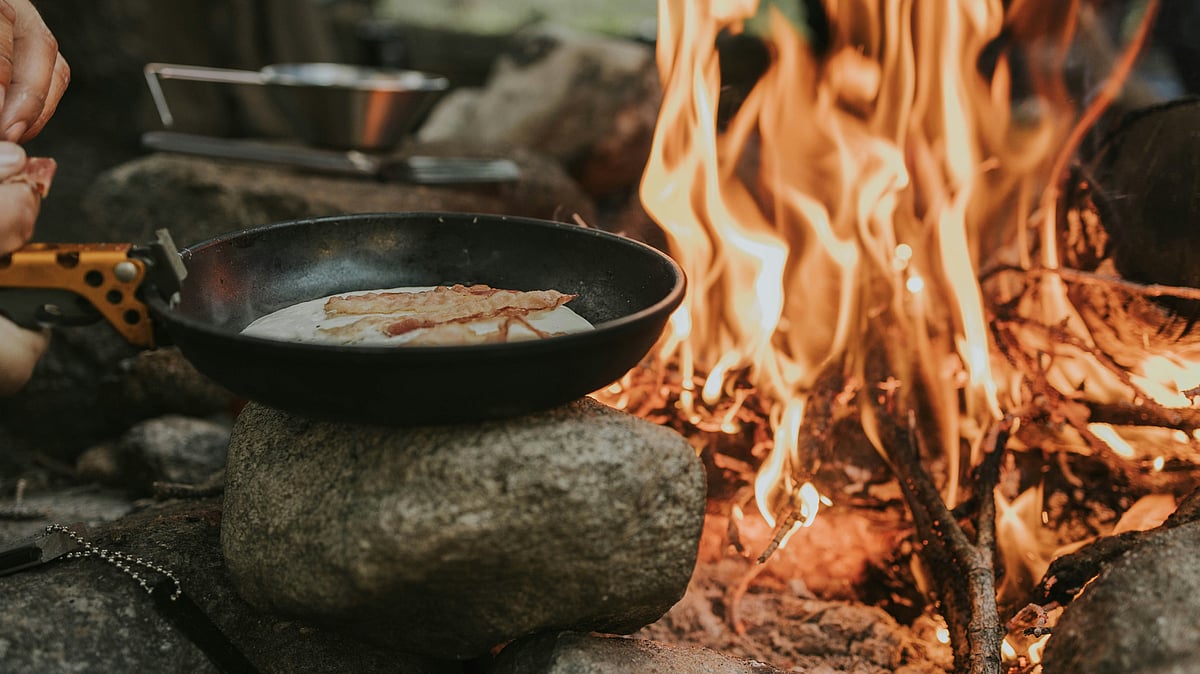
There is something instinctive about placing food against stone. Long before metal pans or thermostats, before recipes were written down, there was something as elemental as fire and rock. Stone absorbs heat without hurry, releases it without fuss, and asks the cook to listen rather than rush. Across cultures, cooking on or with hot stones became not merely a technique but a language—one spoken by nomads and emperors alike—where flavour is coaxed out...slowly.
Stories often begin with stones because stones have the power of endurance. The famous ‘stone soup’, a European folktale told in many countries, uses a smooth rock dropped into a pot of water to spark generosity. The stone itself adds nothing, yet everything: belief, patience, the gentle rise of warmth that invites vegetables, bones and herbs to follow. It is a reminder that cooking with stone is as much about trust as it is about heat.
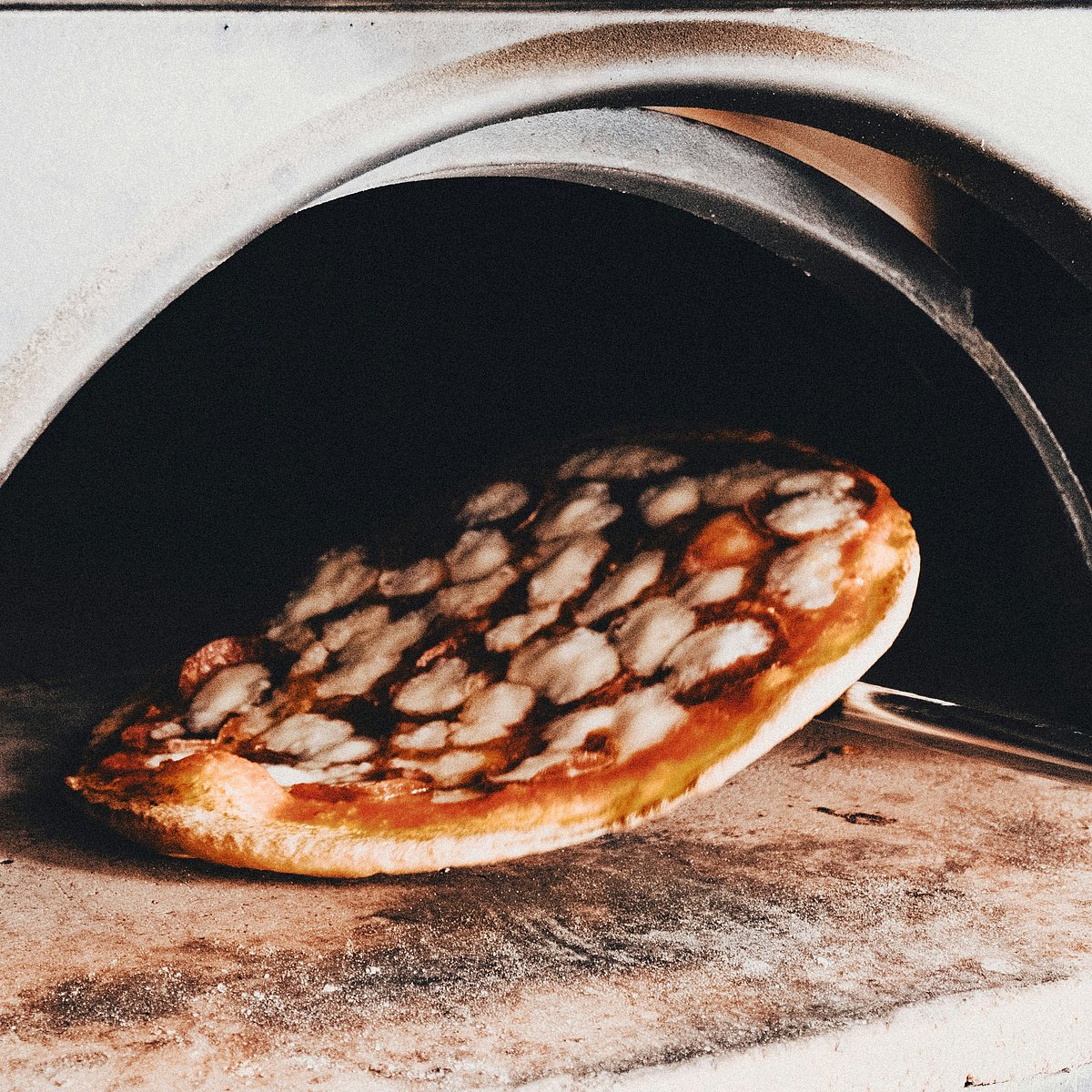
Pizza cooking on stone |
In Italy, that trust is baked into daily bread. Pizza, slid onto blazing stone floors, emerges blistered and fragrant, the base crisp yet elastic. The stone plank or hearth draws moisture away while radiating even heat upward, creating that unmistakable leopard spotting prized by pizzaioli. In villages and cities alike, the ritual remains unchanged: fire fed patiently, stone warmed thoroughly, dough transformed in minutes into something greater than the sum of its parts. It is cooking as continuity, a quiet pact between earth and appetite.
Earth ovens, earthy heat
Travel further and the stone slips beneath the soil. In the Pacific, earth ovens—imu in Hawaii and hāngī in New Zealand—use heated stones buried under leaves and earth to cook whole feasts. Meats, tubers and greens are wrapped, lowered and left to steam in their own juices, the stones’ stored heat working slowly, generously. When the earth is opened hours later, aromas escape like memory itself: smoky, vegetal, profoundly nourishing. These are communal meals by design, shaped by geography and generosity, where patience is rewarded with tenderness.
Japan’s ishiyaki takes a more intimate turn. Here, slabs of stone are heated until they shimmer, then brought to the table where thin slices of beef or seafood kiss the surface for seconds. The stone sears without scorching, preserving sweetness while adding a faint mineral whisper. It is theatre pared back to essentials—stone, heat, ingredient—inviting the diner into the act of cooking itself.
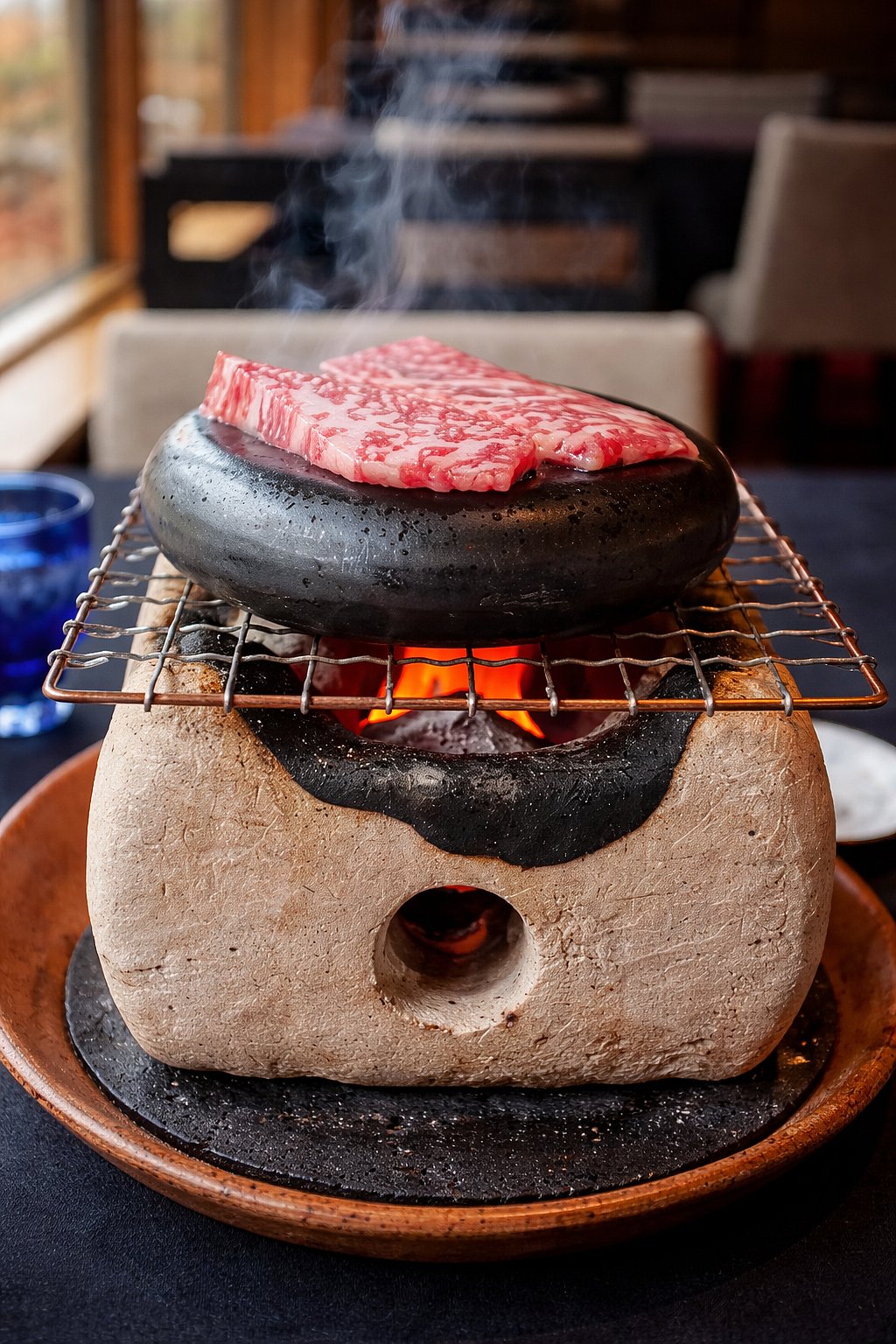
Ishiyaki |
In Korea, the dolsot—an earthenware stone bowl—cradles bibimbap, its thick walls retaining heat long after the dish is served. Rice at the bottom crisps into nurungji, vegetables soften, an egg gently sets. The stone does not rush the meal; it extends it, allowing textures to evolve as you eat. What begins as comfort becomes conversation between bowl and palate.
Mountain & kitchen stones
In India, stone cooking feels both ancient and immediate. In Ladakh, khambir bread is cooked atop large stones heated over fire, the dough puffing and blistering against a surface that holds fierce cold at bay. This thick bread is sturdy, sustaining—made for altitude and wind—yet softened by butter and apricot jam. Stone here is survival, shaping food to landscape.
Further south, soapstone vessels—kalchatti—anchor home kitchens. Dense and slow to heat, they suit long-simmered stews, tamarind-laced gravies and peppery rasams. The stone tempers heat, rounds flavours and, many believe, lends trace minerals to the food. Meals cooked in soapstone taste settled, as if they have found their pace. Even breakfast griddles of stone—pathar tawa—lend dosas and rotis a gentler, more even browning than metal ever could.
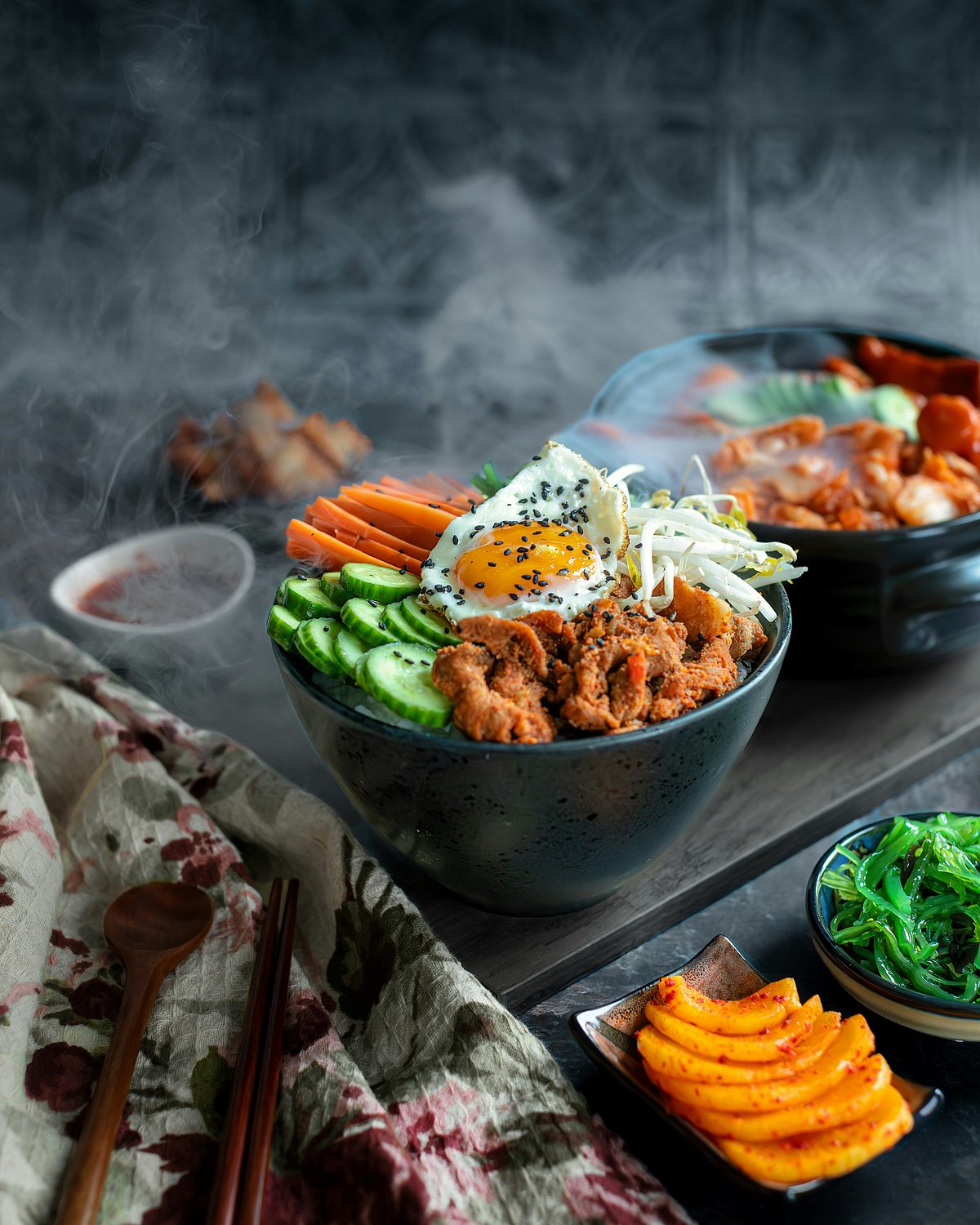
Dolsot bibimbap |
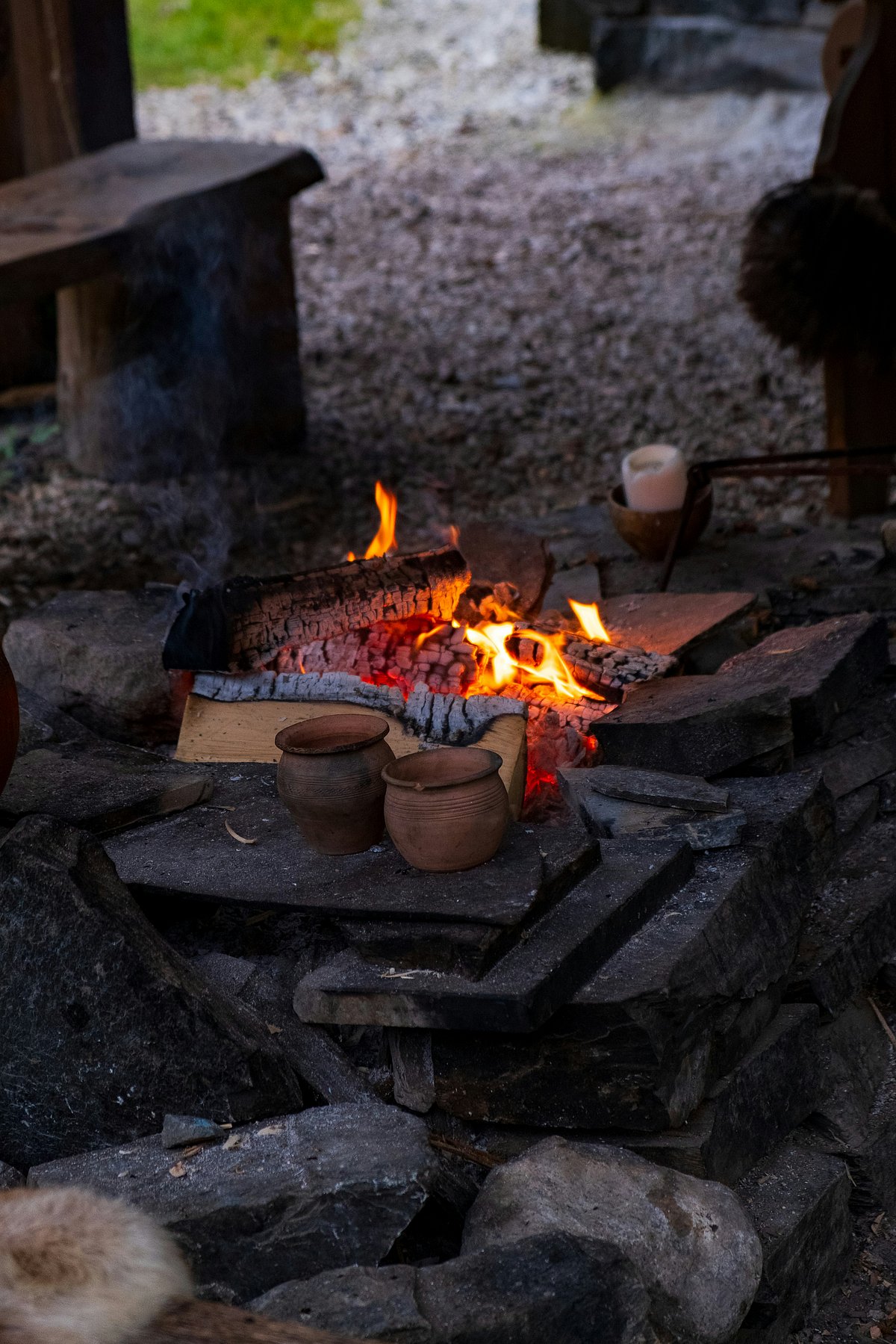
Elsewhere, stones appear again and again: heated river rocks dropped into soups by Indigenous communities in North America; Scandinavian flatbreads baked on hot stones near the hearth; Moroccan tagines whose earthen bases and conical lids echo the same logic of steady, enveloping heat. Each method adapts stone to climate and culture, yet the principle remains unchanged.
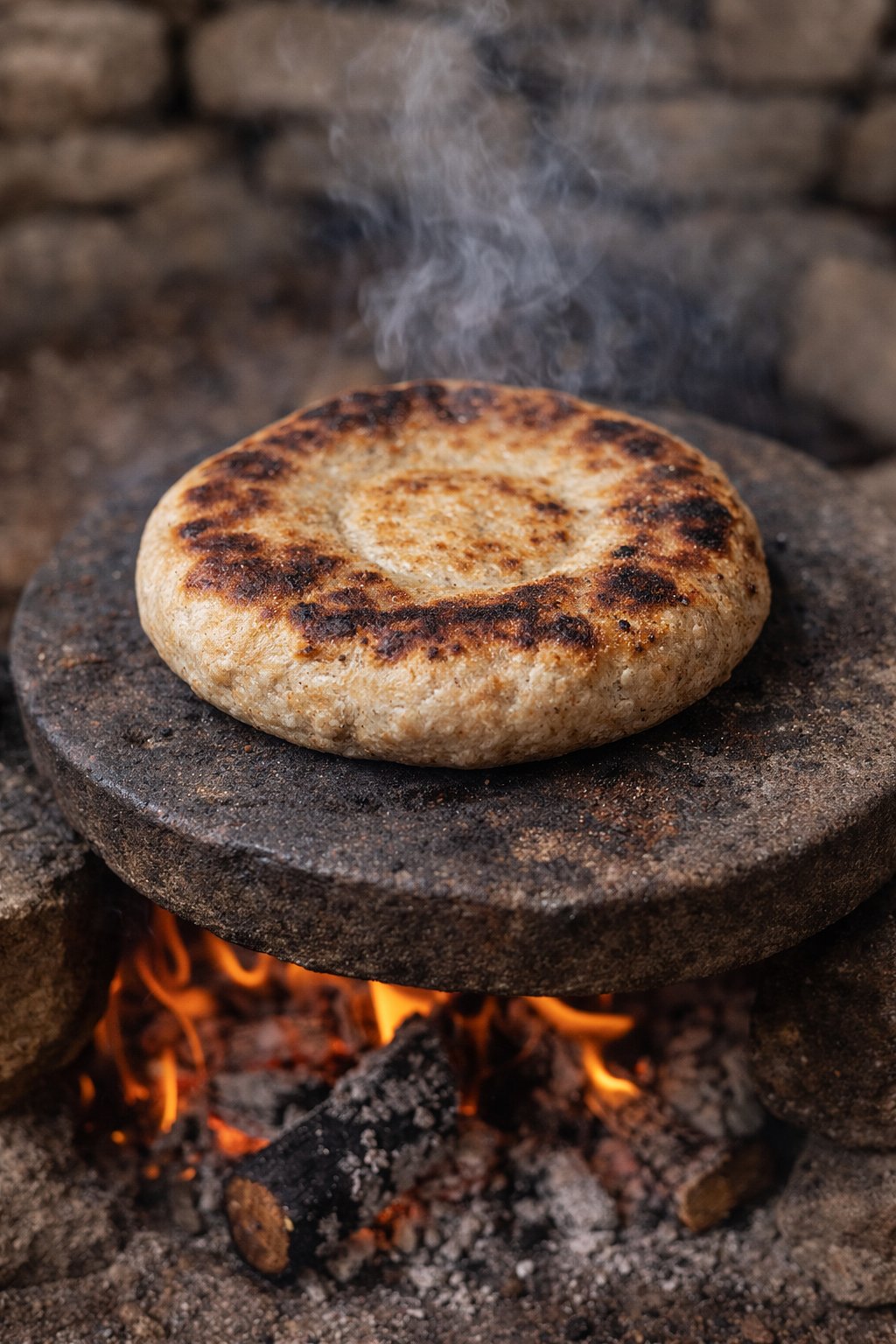
Ladakhi khambir bread |
Enduring surface
What draws us back to stone, even now? Perhaps it is the way stone teaches restraint. It does not spike heat; it steadies it. It encourages thicker cuts, longer cooking, deeper flavours. In a world obsessed with speed, stone insists on readiness—both of the fire, and of the cook.
To cook on stone is to accept that food has its own rhythm. The stone must be heated fully, respected carefully, cooled patiently. Burns happen if you rush; rewards arrive if you wait. It is primal, yes, but also precise. Long before thermometers, cooks learned to read the colour of heated rock, the sound of a sizzle, the smell of bread just done.
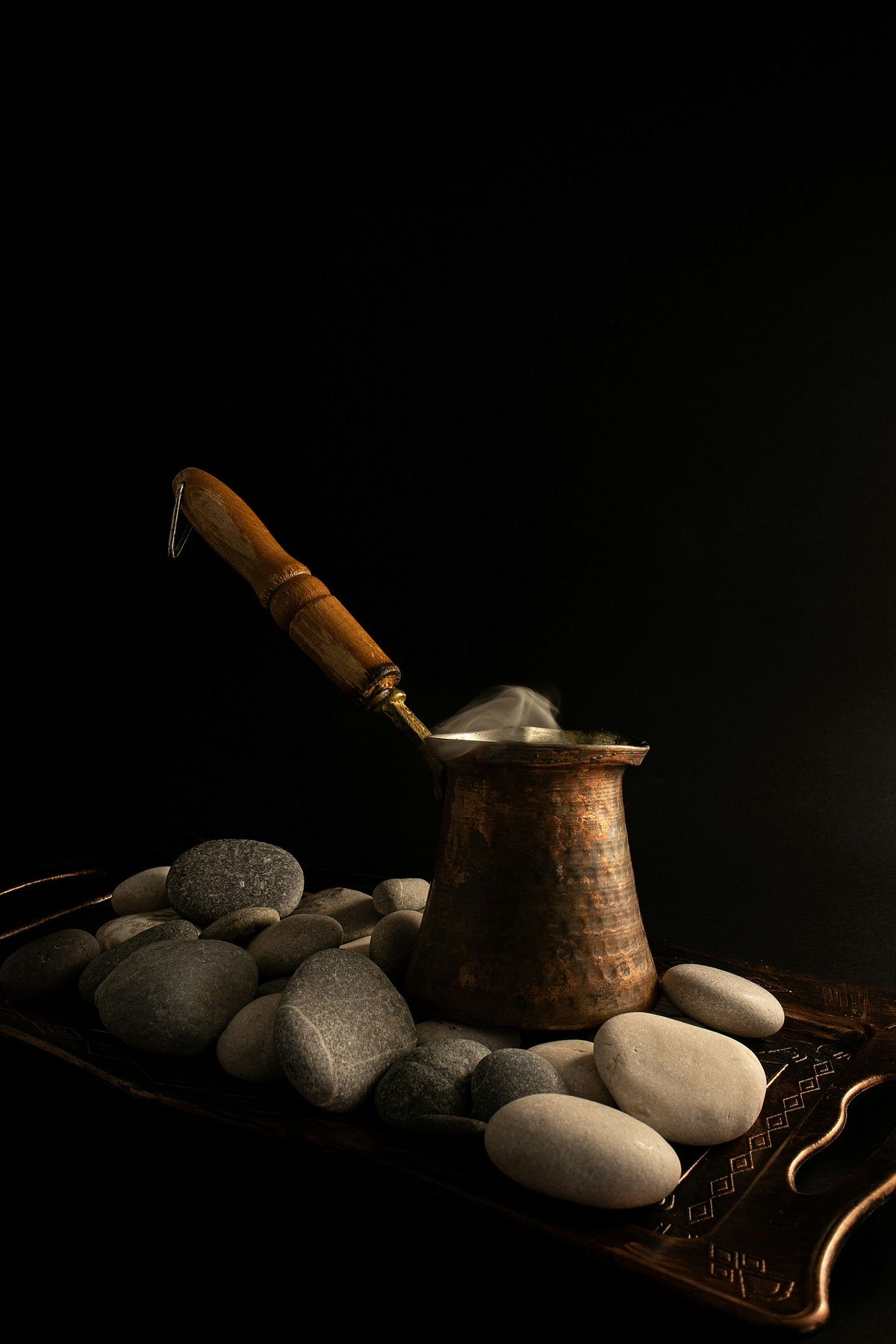
Across continents and centuries, hot stones have fed families, anchored rituals and told stories. They remind us that cooking began not with gadgets, but with touch and attention. Fire may be fleeting, but stone remembers.
(The writer is the Editor of Fresh, a food and lifestyle magazine)
Want to take a break from the news? Play our games on game.freepressjournal.in

