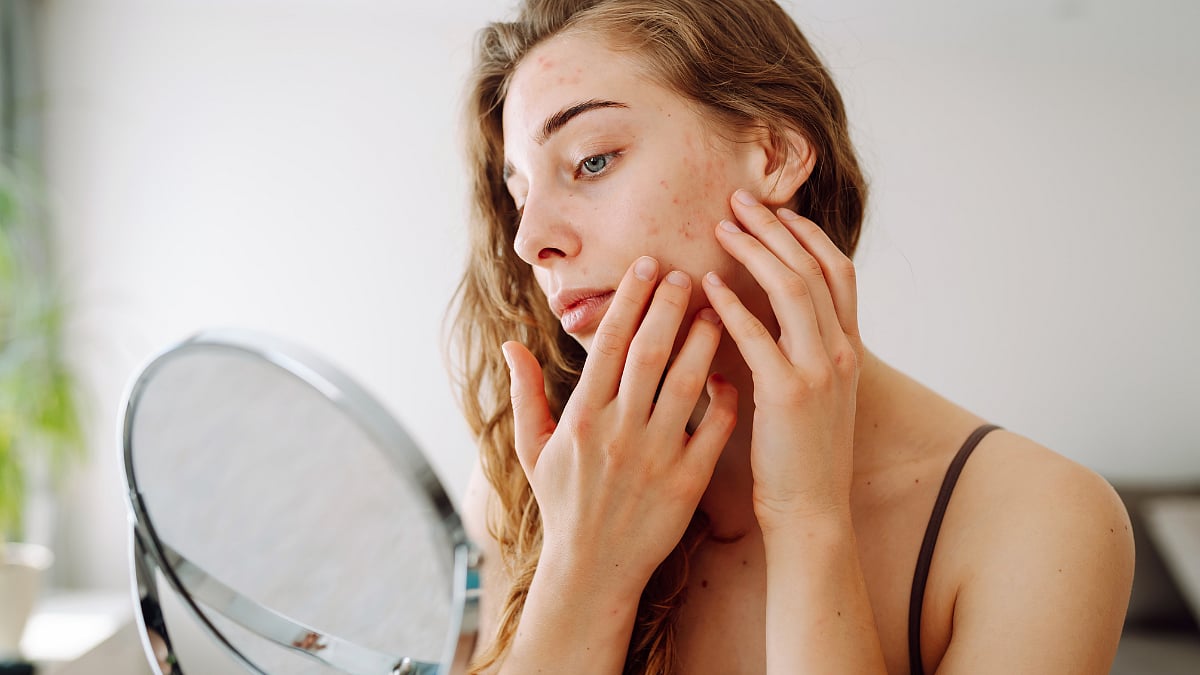
India’s weather has always been dramatic from sticky monsoons to scorching summers and sudden seasonal shifts. But climate change is amplifying these extremes, and our skin is paying the price. Rising temperatures, prolonged UV exposure, and erratic humidity levels are increasing oxidative stress, weakening the skin barrier, and triggering inflammation. The result? Accelerated ageing, stubborn pigmentation, heightened sensitivity, and flare-ups especially when urban pollutants like PM2.5 penetrate deep into the pores. Dr. Rashmi Agrawal, Founder & Medical Director of Skin International Aesthetic Laser Clinic, notes that dermatology clinics are now reporting a noticeable rise in hyperpigmentation and photoaging cases, making it essential to adopt simple, mindful strategies to protect skin against these evolving environmental stressors.
How climate change impacts
Global warming is extending heat waves and raising UV exposure by an estimated 10–15% in parts of India. These ultraviolet rays generate free radicals that break down collagen and elastin, leading to wrinkles, sagging, and dark spots even on overcast days.
Fluctuating humidity further disrupts the skin’s outer barrier, increasing water loss and allowing irritants to penetrate more easily. Excess heat boosts sweating, which mixes with oil and bacteria to clog pores and trigger acne, while sudden rains create a breeding ground for fungal infections. These changes also disturb the skin’s microbiome, turning occasional rashes into chronic issues such as eczema or rosacea.
Usual suspects
Hyperpigmentation: UV exposure stimulates excess melanin production, worsening melasma and dark spots, particularly in Indian skin tones.
Photoaging: Fine lines, uneven texture, and visible blood vessels develop over time due to cumulative sun damage.
Barrier Breakdown: Tightness, redness, itching, and increased sensitivity signal a compromised skin barrier.
Acne and Inflammation: Sweat-trapped debris and UV-induced inflammation slow healing and increase breakouts.
Clinical assessments show a 20–30% rise in transepidermal moisture loss during peak seasons—an early warning sign that preventive care is crucial.
Everyday shields
Sun protection is non-negotiable: Apply a broad-spectrum sunscreen with SPF 50+ and PA++++ generously every two to three hours even indoors, as UVA rays penetrate through windows. Water-resistant formulas containing zinc oxide and antioxidants can block up to 98% of harmful radiation while reducing oxidative damage. Sustainable choices like reusable sunscreen applicators help protect both your skin and the planet.
Hydration is your second line of defence: Use a hyaluronic acid serum followed by a ceramide-rich moisturiser to repair and reinforce the skin barrier. Support this from within by drinking three to four litres of water daily to counter increased evaporation caused by heat.
Cleanse gently: Choose pH-balanced, non-foaming cleansers free from harsh sulfates. Pat skin dry instead of rubbing to retain up to 20% more moisture.
Load up on antioxidants: Combining 10–20% vitamin C with niacinamide helps neutralise free radicals and fade pigmentation by up to 40% in eight weeks. Ferulic acid further stabilises these ingredients, protecting them from heat degradation.
Lifestyle tweaks
Include antioxidant-rich foods like amla, tomatoes, and walnuts to reduce inflammation from within. Avoid direct sun exposure between 10 a.m. and 4 p.m., and opt for UPF 50+ clothing and wide-brimmed hats that block up to 97% of UV rays.
Indoor cooling can also be harsh on skin use a humidifier to prevent moisture loss caused by air conditioning. Once a week, exfoliate gently with 2% salicylic or lactic acid to clear pores and reduce breakouts by up to 70%, without aggressive scrubbing.
Takeaway
Our skin doesn’t have to suffer as the seasons grow more unpredictable. By adopting these targeted, climate-conscious skincare habits, you can effectively protect your skin from environmental damage. Start early, stay consistent, and schedule annual dermatologist check-ups to catch issues before they escalate. Prevention, after all, is far better than repair.

