Happy International Women’s Day 2026! It’s wild to think that this all started with garment workers marching in New York back in 1908 and "Bread and Peace" strikes in Russia in 1917. We’ve definitely come a long way since then.
In the medical world, the conversation has shifted. It’s no longer just about women getting a seat at the table—it’s about making sure they actually enjoy being there. It’s less about "the right to work" and more about the right to thrive.
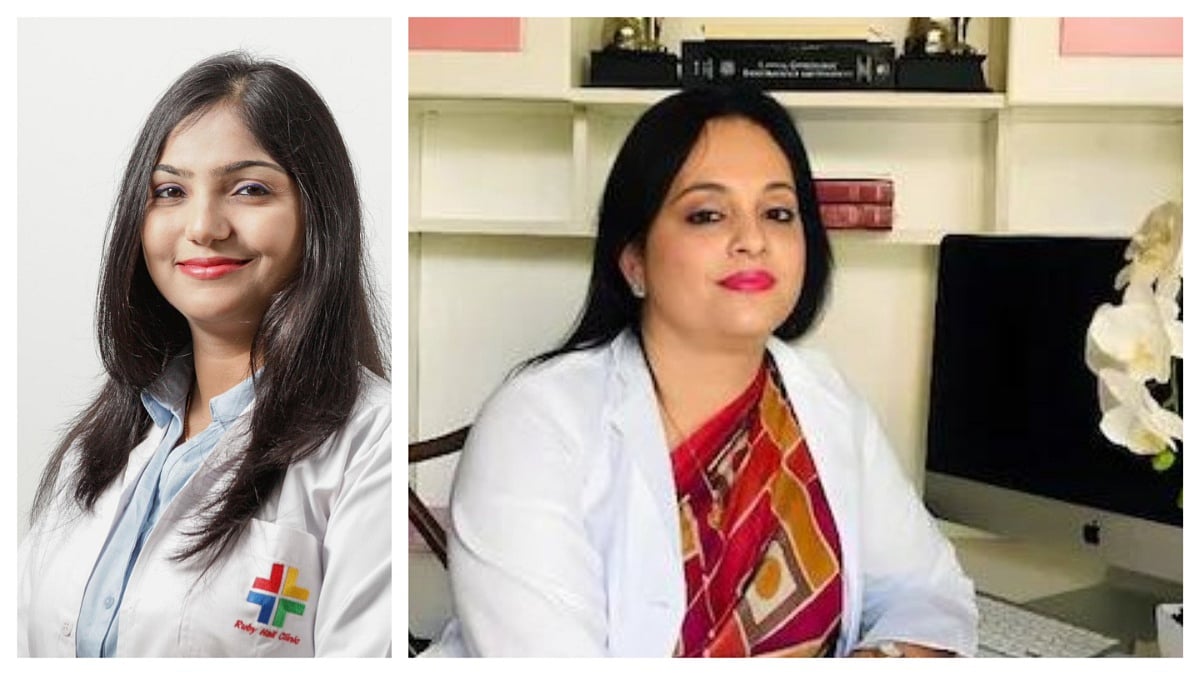
This year’s theme, 'Give to Gain,' isn’t just a catchy slogan. It’s being lived out by two absolute powerhouses in Indian healthcare: Dr Rashmi Bhamre, who is a total pro in the operating room, is a consultant obstetrician and robotic surgeon at Ruby Hall Clinic in Pune. In similar steps, there's Dr Nidhi Sharma Chauhan, who is leading the charge in women's health as a consultant gynaecologist at Saifee Hospital in Mumbai.
Free Press Journal caught up with both of these women, who are living proof that when you invest in your craft and your community, the whole field levels up. While these women represent the right to thrive, achieving that standard requires more than just individual effort, it requires a systemic shift in how the medical world operates.
Rights and justice: Need for policy action
The UN’s 2026 focus on "Rights and Justice" highlights the systemic gaps that still exist. For Dr Bhamre, justice in the medical field begins with structural reform.
"One important policy change I would like to see in Indian hospitals is the creation of structured support systems for women doctors, especially during pregnancy and early motherhood," says Dr Bhamre. "Flexible schedules, fair maternity policies and accessible childcare facilities can help women continue to grow professionally without being forced to choose between career and family. Supporting women doctors ultimately strengthens the healthcare system and improves patient care."
Dr Bhamre challenges the societal guilt often imposed on professional women.
"Medicine demands commitment, precision and compassion. For women doctors, the journey often involves an additional responsibility, balancing professional excellence with societal expectations. Being a high-performing medical professional while managing traditional expectations is challenging but achievable," she says.
"Balance comes not from doing everything perfectly, but from setting priorities and building strong support systems. Long surgical hours and emergencies are a part of medical life, but the motivation comes from knowing that each effort can change a patient’s future. Women should never feel guilty about being ambitious. Excellence in medicine is a form of service," says Dr Bhamre.
If 'Rights' provide the framework for equality, 'Action' is the vocal energy that fills it, particularly when it comes to the cultural barriers that still hinder women’s health.
Action: Breaking the shroud of silence
The call for "Action" is best exemplified by Dr Nidhi Sharma Chauhan’s mission to dismantle taboos. In a country where menstruation and menopause are often whispered about, she advocates for bold transparency.
"I strongly agree that topics like menstruation, menopause, infertility and mental health are still not spoken about openly in many parts of India," says Dr Chauhan. "I believe the first and most powerful step is normalisation. Getting a period every month is a sign of good health. In fact, it is the absence of menstruation that should prompt a medical consultation, not the presence of it."
Dr Chauhan believes action must start with the next generation.
"Education must begin early. Both girls and boys should be educated in schools about puberty, menstruation and reproductive health. Boys especially need to understand that menstruation is a natural process and not something to make someone feel embarrassed about. If we start these conversations early in life, future generations will grow up viewing women’s health as normal and not taboo."
Even in the consultation room, she takes action to bridge the gender gap.
"In my experience, most male patients who visit a gynaecologist usually accompany their wife, daughter, or mother. Initially, some of them may feel slightly awkward... However, I believe it is the doctor’s responsibility to create a comfortable and non-judgemental environment. When the conversation is approached as something natural and scientific, because that is exactly what it is, the awkwardness gradually fades. A relaxed OPD atmosphere, clear communication and reassurance help couples feel that there is nothing uncomfortable or inappropriate about discussing women’s health. Once that barrier breaks, conversations become much more open and constructive."
Give to Gain: The reciprocity of care
The IWD campaign theme Give to Gain mirrors the essence of the Hippocratic Oath. It is an intentional cycle of mentorship and empathy.
"This year’s International Women’s Day theme, ‘Give to Gain,’ reflects the essence of medicine. As doctors, we give our time, knowledge and energy to patients. In return, we gain something far greater: trust, gratitude, and the privilege of making a difference. I believe the true meaning of ‘Give to Gain’ lies in women supporting other women. When experienced professionals guide young girls and aspiring doctors, we create a stronger and more confident generation," says Dr Bhamre.
Dr Chauhan highlights on the power of empathy.
"There have been many instances where being a woman and a doctor has allowed me to connect more deeply with my patients. Often, women come to the clinic not just with a medical issue, but with emotional burdens like infertility struggles, hormonal changes, family pressures, or feeling unheard at home. In several cases, simply providing a safe, non-judgemental space for them to speak has made a significant difference," she says.
"Beyond prescribing medicines or recommending surgery, listening with empathy and understanding their emotional state has helped rebuild their confidence. I remember patients who later told me that what made the biggest impact was not only the treatment plan but the fact that they felt heard and understood," says Dr Chauhan.
However, the ability to "give" so much to patients and peers is only sustainable if a doctor’s own foundation is secure, making personal resilience the silent engine behind professional success.
The Non-Negotiable: Resilience and results
To sustain this level of giving, these doctors must guard their own well-being. Dr Chauhan shares her personal strategy for surviving a high-stress environment.
"The medical profession is undoubtedly demanding, and it is easy to get consumed by long hours and responsibility. For me, my non-negotiable ritual for mental well-being is spending quality time with my family every single day. My husband is my biggest strength and support system. My parents are also a constant source of guidance and comfort. Most importantly, spending time with my children helps me de-stress. Seeing the world through their eyes reminds me to simplify things and not take everything too seriously all the time. Family, for me, is the strongest pillar of emotional resilience," says Dr Chauhan.
A future defined by growth
The story of International Women’s Day is one of continuous progress. As Dr Bhamre says, the advancement of women in medicine is the advancement of society itself: "As a gynaecologist, robotic surgeon, and fertility expert, I witness daily how healthcare is not only about treatment, but about restoring hope and transforming lives. Women in medicine are not only caregivers. We are builders of healthier families and stronger societies. When women doctors grow, communities grow with them."

