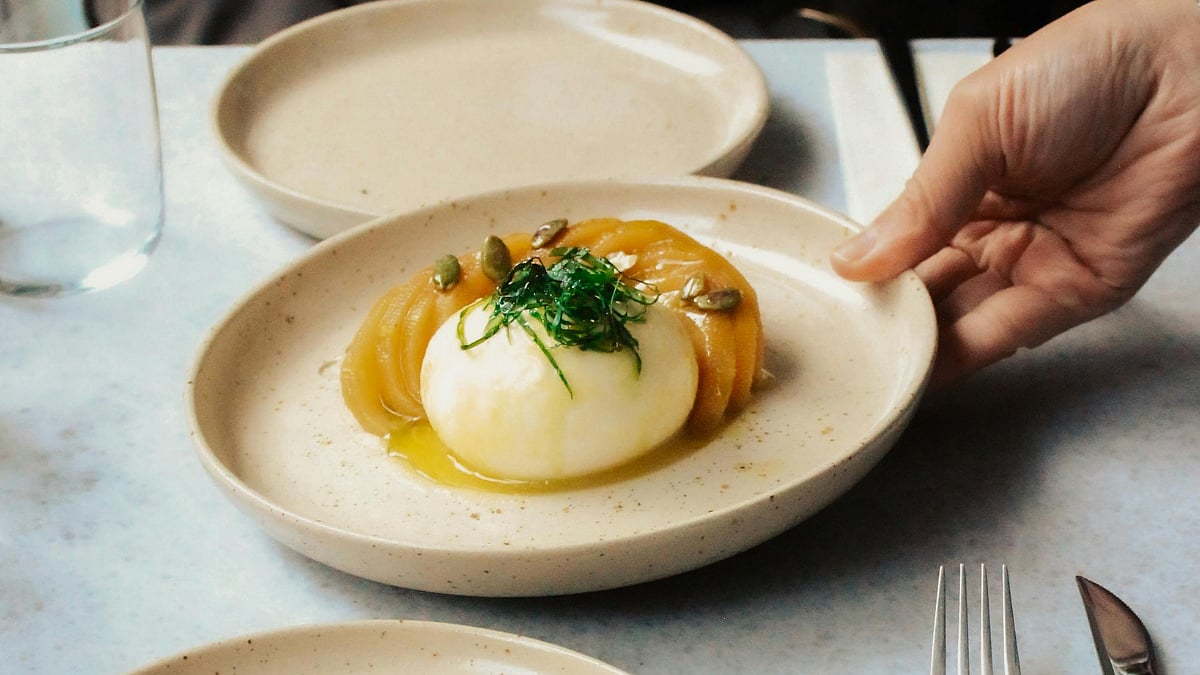
What's burrata? To a common man, it may come across as just another cheese. But to Flavel Monteiro and Doug Singer, who co-authoured 100 Years of Burrata along with Sumit Govind Sharma, this is no ordinary cheese.
In Doug Singer's words, "Fresh mozzarella is smooth and springy, with a clean, milky taste that's consistent from edge to center. It's the cheese you can count on — perfect for slicing, melting, or layering into a classic caprese."
Burrata may start with the same mozzarella skin, but everything changes on the inside. "That interior is softer and far more delicate — almost fragile. When you break it open, the filling oozes out slowly — rich and velvety, coating the tongue with a buttery depth. The name literally means "buttered," and it delivers a deeper, almost indulgent creaminess," shares the published food and travel writer, with an eloquence that can put the most acclaimed Italian chefs to shame. He defines it so aptly that one can almost imagine a plate of burrata being cut open right in front of your eyes, and that gooey, creamy, white cheesy goodness oozing out.
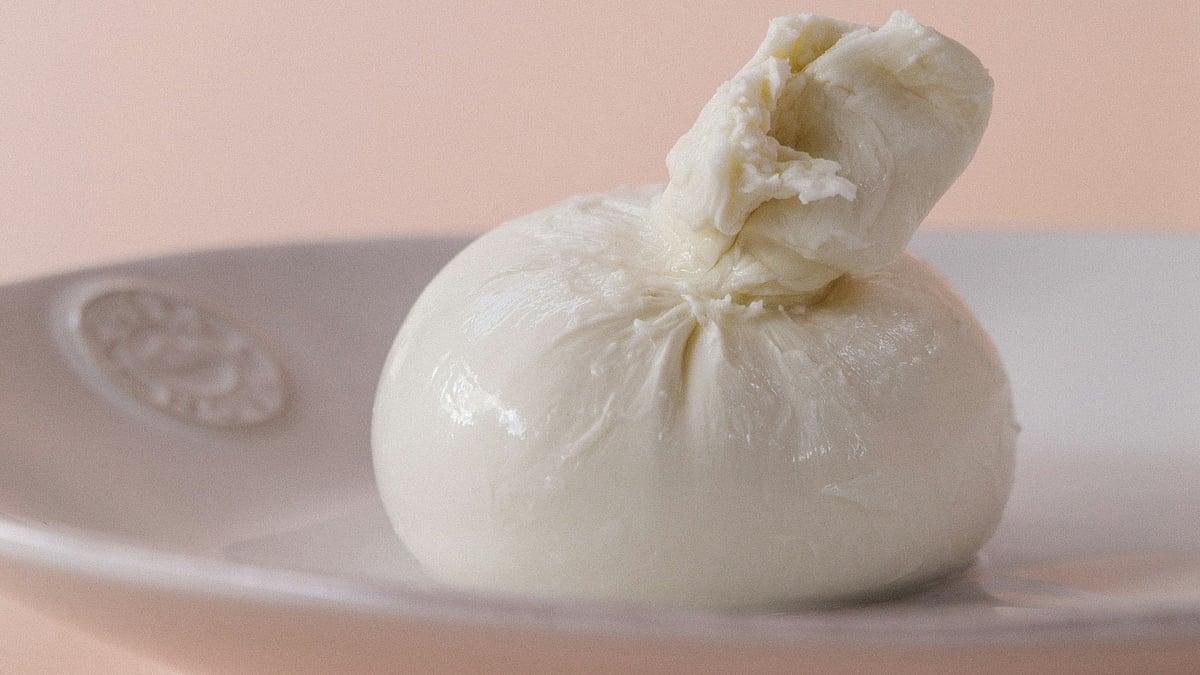
Award-winning writer and chef, Flavel Monteiro shares Doug Singer's love for burrata; the two are unabashed about their feelings for their beloved cheese and hence it made absolute sense for them to co-author the book 100 Years of Burrata along with Sumit Govind Sharma. The launch was no ordinary affair.
Michelin Star Chef Giovanni Papi, Executive Chef, Beluga Bar and Restaurant, Dubai, showed up at to celebrate the unveiling of the book whose chapters were dedicated to the Italian cheese. Hosted by LuxExclusive Marketing, the celebration was a two-day culinary affair.
At the launch of the book, the chefs conducted a food experiment of sorts and paired the burrata with ghee rather than the drizzle of olive oil. And everyone loved it!
Flavel Monteiro quips, "Burrata has unmistakable textures and flavors; its exterior is slightly elastic with a delicate taste of fresh milk, while the interior offers a burst of rich, creamy goodness that blends savory and subtly sweet notes."
According to him, "The best way to enjoy burrata is at room temperature, and it should be fresh." Almost like giving you a live demonstration, he adds, "Place the burrata on a plate, cut it open, and let the creamy stracciatella (shredded pasta filata immersed in cream) flow out. Season it with extra virgin olive oil and sprinkle a bit of sea salt on top. That’s it."
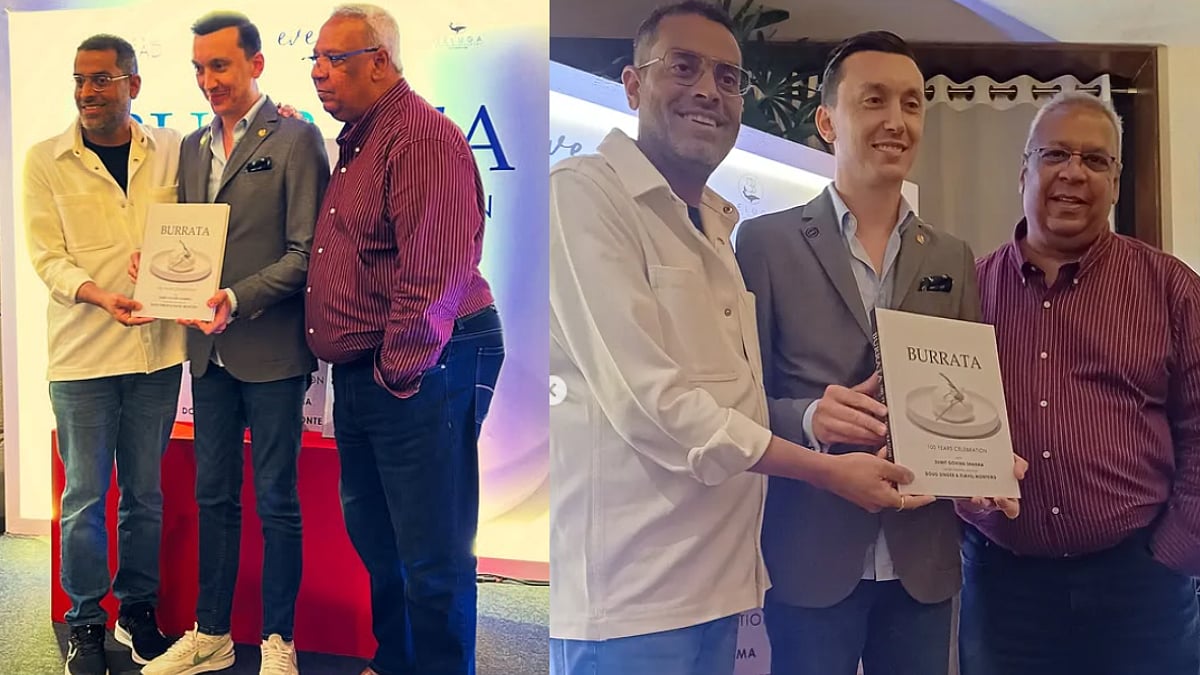
Sumit Govind Sharma, Giovanni Papi and Flavel Monteiro at the book launch. |
At the dinner and during the book release, Flavel wanted to demonstrate just how simple it is to savor this delightful pouch filled with joy. So, he paired it with a desi ingredient which Indians simply love. "Italians have a deep appreciation for olive oil, ingrained in their tradition and culture from an early age.
"Similarly, we Indians grow up with clarified butter, or ghee, which creates a lasting memory of flavor. To illustrate how easy it is to enjoy burrata, I decided to substitute the extra virgin olive oil with clarified butter.
"It was an experience for the journalists to taste something so beautiful and enjoy the creaminess of the burrata."
Flavel's experiment did take many guests down memory lane. "They were surprised to find that the burrata transformed into a brilliant dish with just plain ghee," he exclaims.
"I called it 'Italian-made burrata in India with extra clarified butter.' I mentioned that a simple dish like this would likely not sell in a restaurant because it appears plain, bland, and is not very Instagram-friendly."
In an interview with FPJ, Flavel Monteiro and Doug Singer speak about how a dish touted as 'the heart and soul of Italian food' turned into a book.
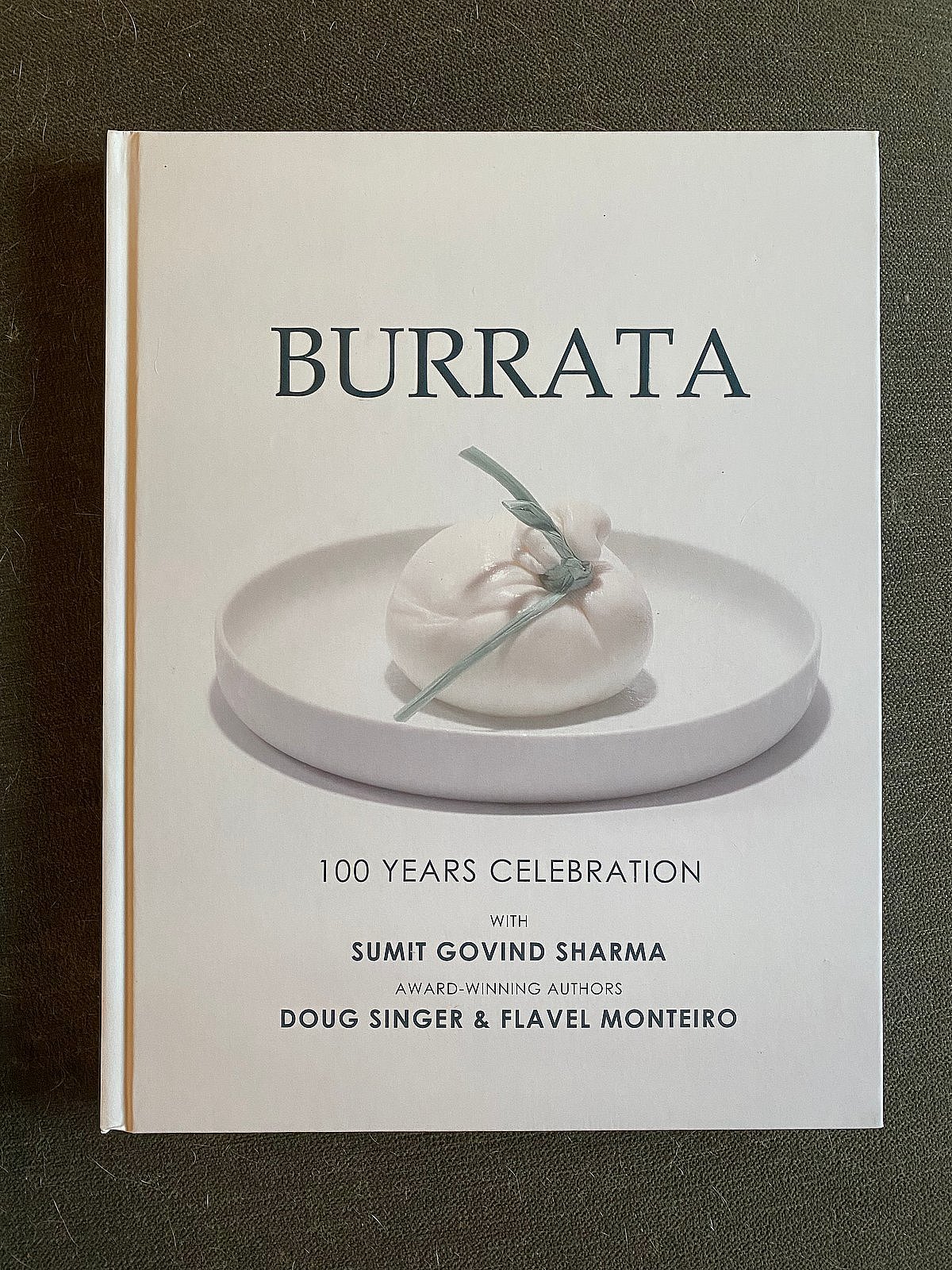
100 Years of Burrata |
Why did you think about writing a book on burrata? What drew you to burrata?
Flavel Monteiro: Towards the end of June 2025, I went out for dinner, which I mention at the beginning of the book: "The concept for this book was born over a memorable dinner." However, this evening ended up being more disastrous than memorable. It was at that moment that I decided to write a book about burrata.
How much time and research went into curating the book?
Flavel Monteiro: The entire process took almost three months, from research to preparing a digital copy for the Gourmand Awards. Printing the book took some additional time, but it was ready in time for the Gourmand Awards at the Saudi Feast Food Festival in Riyadh where the book was named the Best Italian Food Culture Book in the World.
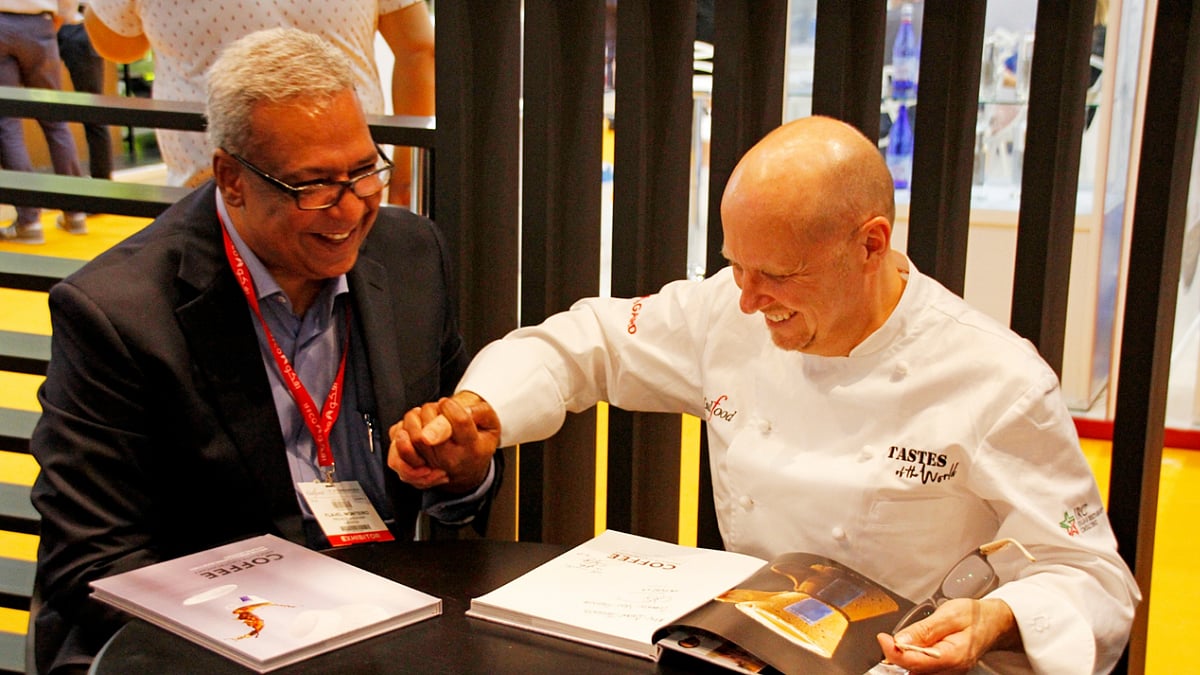
Flavel Monteiro with dear friend and Michelin Star Chef Heinz Beck |
How well-versed are you with the cheese that's touted as 'the heart and soul of Italian food'?
Doug Singer: I first discovered burrata about 25 years ago and it was a love story from Day One. I remember the moment clearly: a small trattoria in Greenwich Village, New York, the cheese arriving wrapped in those green asphodel leaves like a little gift. I had never seen anything like it. I tore it open, and there it was — this gentle explosion of cream and soft curds spilling out —so fresh. It wasn't just cheese; it was a revelation. Burrata reminds you why simple things, done right, can feel profound.
Did you visit Puglia? How was your experience?
Flavel Monteiro: Been to Rome, Venice several times but unfortunately never got the never got the opportunity to visit Puglia.

(Left to right) Bobby Flay and Doug Singer |
Is it true that burrata is described as the 'Queen of Italian cheeses'?
What would you cite as the reason for it?
Doug Singer: Yes, people do call it the Queen of Italian cheeses, and the title feels earned. It's not just regal in name — it's regal in character. Burrata has this quiet majesty: an elegant outer shell of mozzarella that holds a luscious, almost decadent heart of cream — a secret if you will. One bite, and you understand: it's not trying to be anything other than itself, and that's exactly why it reigns.
According to you what are the best flavor combos or pairings with
burrata?
Doug Singer: The beauty of burrata is how it invites simplicity, but the right companions make it unforgettable. I love it with sweet, seasonal fruit: grilled peaches in summer, their char adding a smoky edge, or fresh figs split open and draped with a sliver of prosciutto — the salt and sweetness playing off the cream like old friends.
In cooler weather, roasted beets with a drizzle of an aged balsamic and
a handful of toasted pistachios bring earthiness that grounds the luxury. Or just crusty bread, so you can scoop up every last drop.
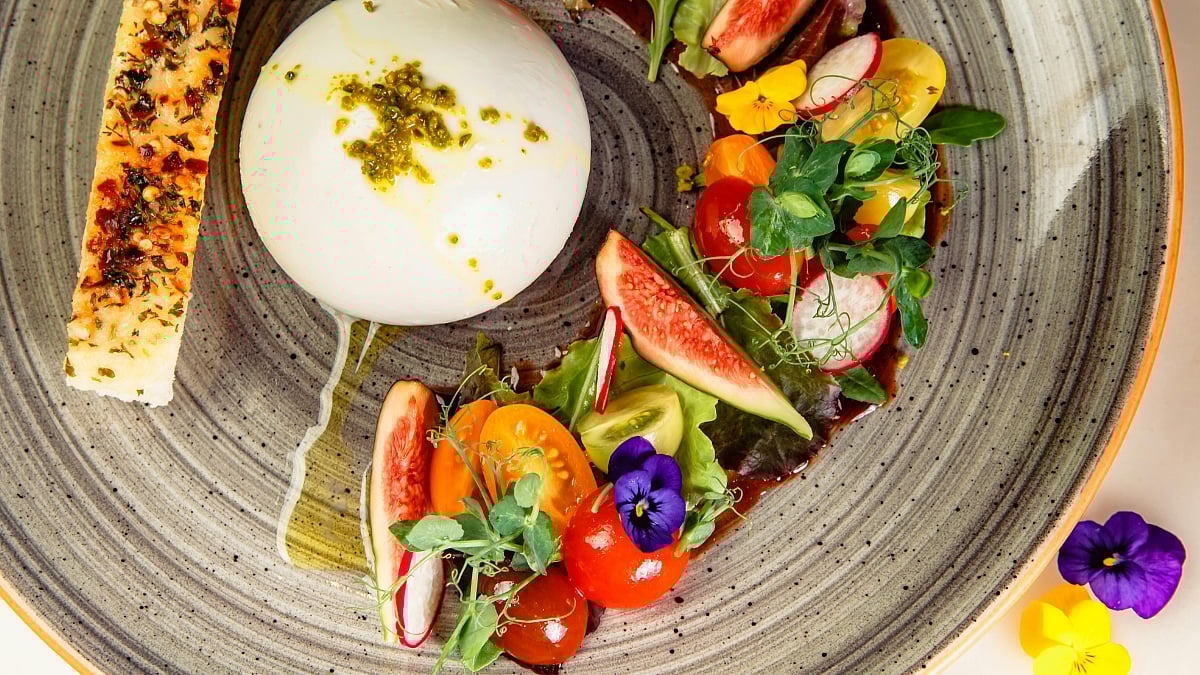
Canva
How different is a burrata from a mozzarella in terms of texture, taste and even cost?
Doug Singer: They are close relatives, but they live very different lives once you cut into them. Fresh mozzarella is smooth and springy, with a clean, milky taste that’s consistent from edge to center. It's the cheese you can count on — perfect for slicing, melting, or layering into a classic caprese.
Its price reflects the difference.
Burrata demands more hands-on work, shorter shelf life, and careful transport, so it usually costs significantly more. Mozzarella is the dependable everyday cheese; burrata is the fleeting, special treat you savor slowly, knowing its perfection doesn’t last long. Both are wonderful — just in very different ways.
