
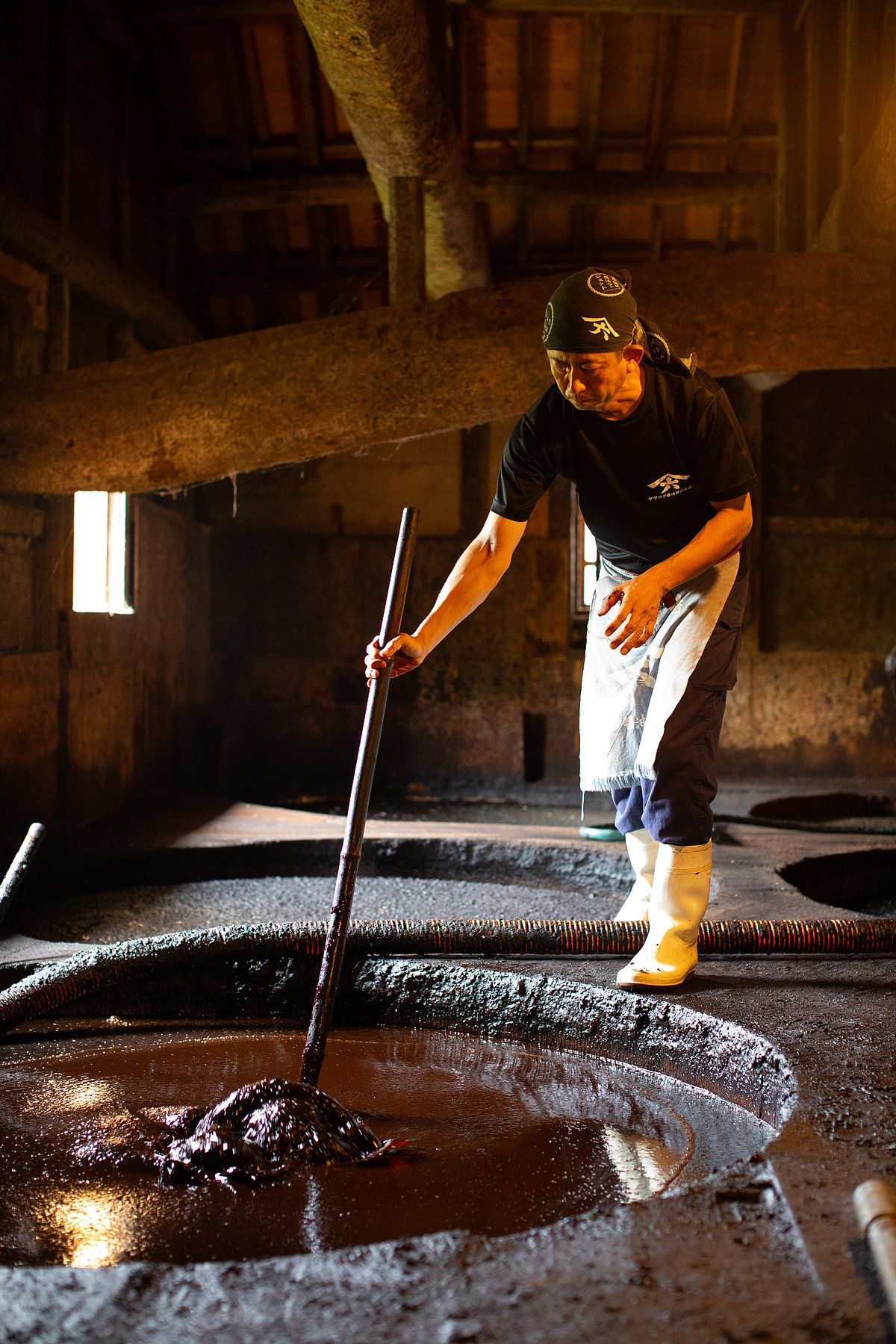
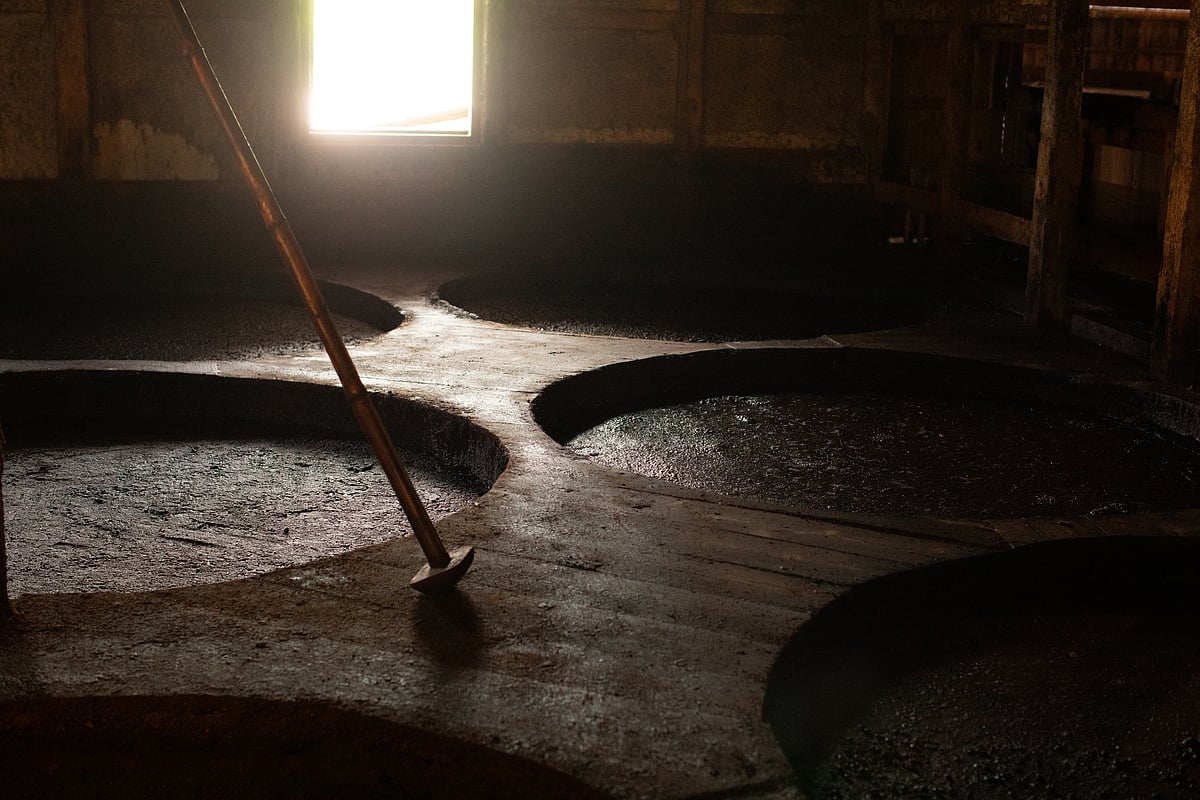
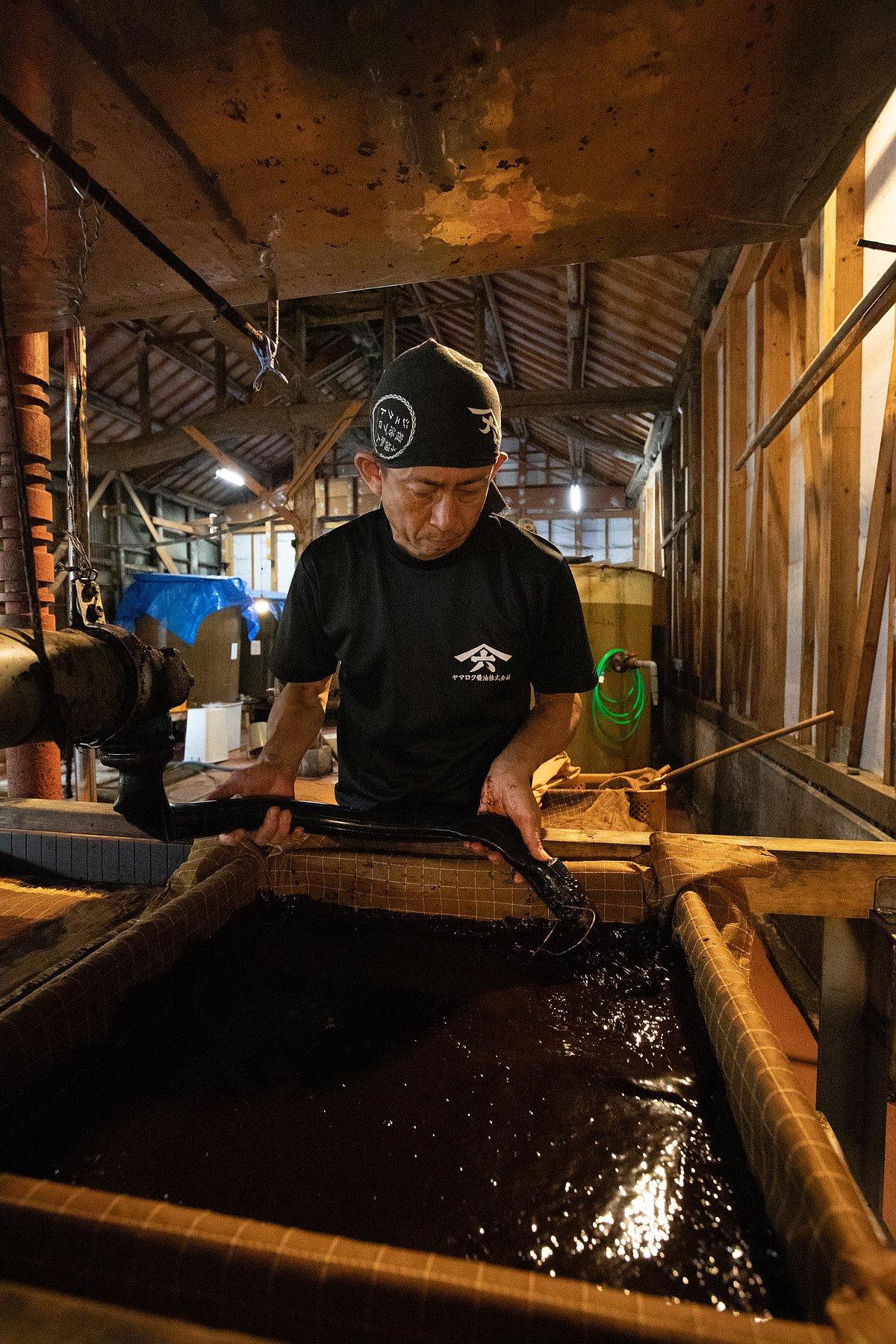
For most people, soy sauce is an everyday condiment. For Yasuo Yamamoto, fifth-generation owner of Japan’s 150-year-old Yamaroku Shoyu brewery, it is a four-year exercise in patience, craftsmanship and tradition.
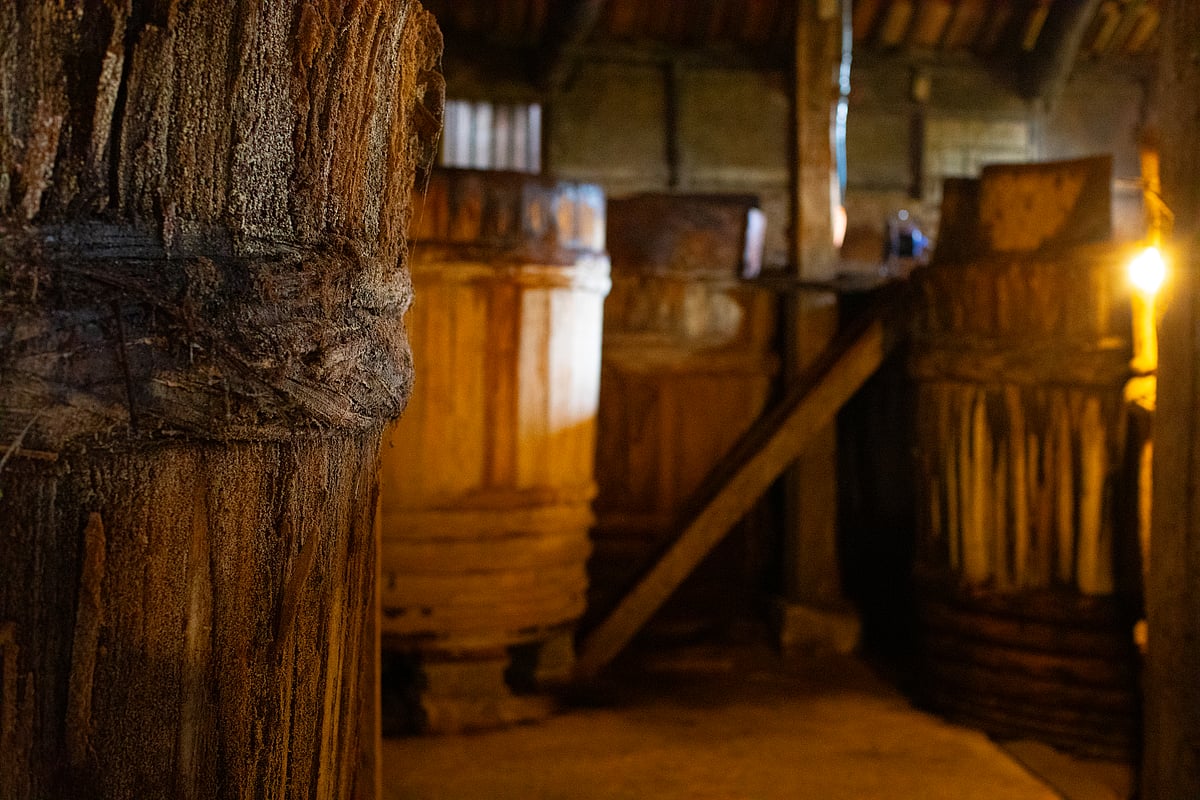
And he believes India may be ready to appreciate the difference. Yamamoto’s recent India visit surprised him. Many chefs and consumers had never tasted shoyu traditionally fermented and aged in wooden kioke barrels made from cedar or cypress. But once they did, the response was immediate.
“What surprised me most was that many Indian chefs and consumers had never experienced shoyu traditionally aged in wooden barrels,” he says. “They knew soy sauce, but not the depth of craft and time that can go into making it.”
The curiosity quickly turned into demand. Guests followed up after tastings to buy bottles for friends and family, while chefs wanted to understand the barrels, fermentation and ageing process. “I came thinking we were introducing something new, but I discovered an audience that already appreciates fermentation, tradition and craftsmanship,” Yamamoto says. “India doesn't just have potential as a market; it has the curiosity to understand the story behind what it consumes.”
India gets a taste for slow
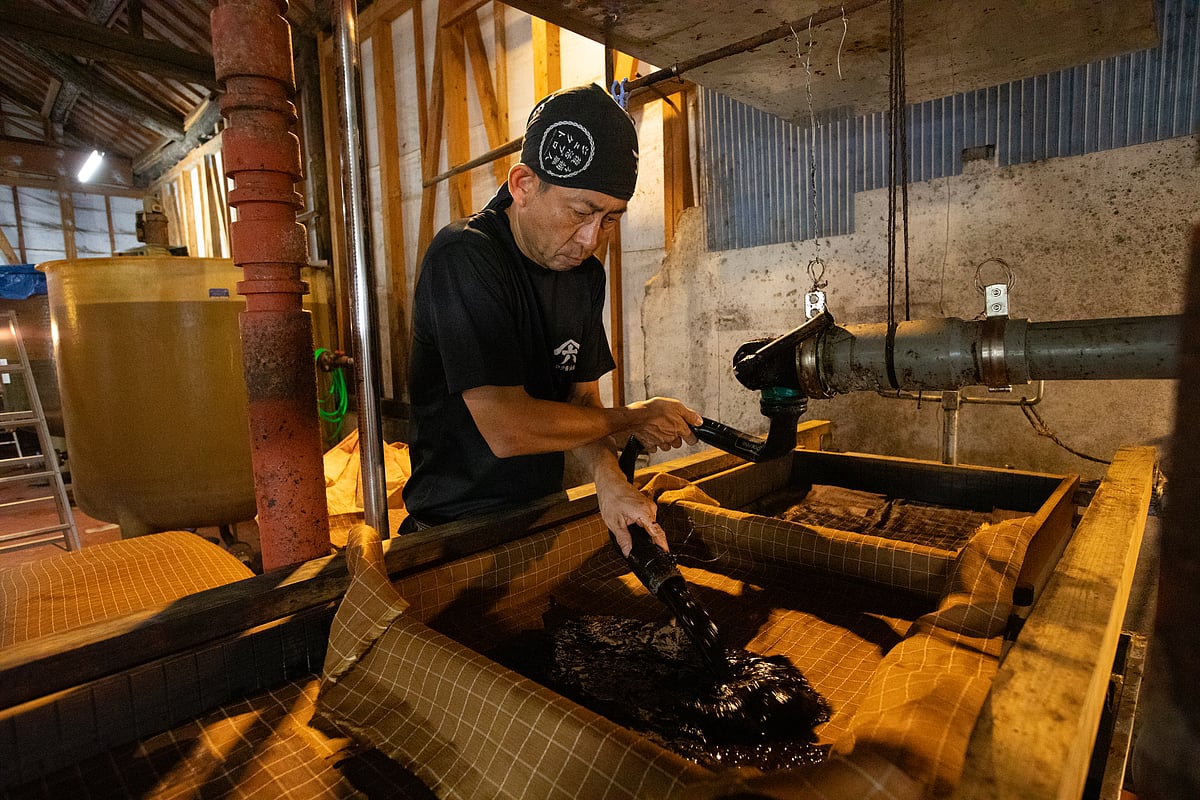
That story comes with a price. Yamaroku’s Tsuru-bishio takes around four years to produce, while its 500ml bottle sells for about $45–50 in the US, currently its largest international market. Yamamoto knows this is a considerable premium over conventional soy sauce.
“The difficult part is asking someone to try a shoyu that can cost four or five times more than the soy sauce they are accustomed to,” he says. Yet India offered encouragement: “People initially felt it was expensive, but after tasting it, many understood why.”
His analogy is telling. “A motorcycle can take you from one place to another. But when you ride a Hayabusa or a Kawasaki Ninja, you understand that the experience is fundamentally different.”
Yamaroku is therefore not pursuing mass distribution in India. Its focus is leading chefs, high-end restaurants, luxury hotels and what Yamamoto calls “enthusiasts”—people who enjoy discovering exceptional ingredients for their homes. Corporate gifting is another potential market.
“Because our production is intentionally limited, we cannot work with everyone, and we don't want to,” he says. “We would rather place each bottle where its story and craftsmanship will be understood and appreciated.”
The larger ambition is to build “a small community” around traditional craft through chef collaborations, tastings, fermentation workshops and partnerships with restaurants and hotels. Eventually, Yamamoto hopes Indian enthusiasts will travel to Shodoshima to experience traditional Japanese food culture and craftsmanship first-hand.
India’s own fermentation traditions could provide a natural bridge. Yamamoto admits his knowledge of Indian fermented foods is still limited, but he was impressed by Indian pickles and sees a shared philosophy. “Although the ingredients and techniques may be different, there is a shared respect for fermentation, patience and traditional knowledge,” he says.
Beyond Sushi, Into Pani Puri
He also sees potential well beyond Japanese cuisine. During his visit, Rajasthani and Gujarati chaats prompted ideas for using Tsuru-bishio as an “umami amplifier”. Pani puri, kebabs, grilled meats and even Indian curries could benefit from a small addition, he believes.
“The important thing is not to make the shoyu taste like the main ingredient,” he says. “Use a little, and let it quietly make everything else taste more complete.”
But Yamaroku’s Indian ambition extends beyond selling soy sauce. The brewery is working to preserve kioke barrel-making, a craft that is itself disappearing in Japan. It teaches barrel-making and is exploring new applications, from beer and coffee fermentation to barrel-aged hot sauces.
“If sharing our knowledge means the tradition survives, that is more important to us than protecting our own market,” Yamamoto says.
That philosophy also explains why he does not see mass-produced soy sauce as competition. “Our challenge isn't convincing everyone to buy Yamaroku. It's finding the people who are already looking for something extraordinary.”
His five-year ambition is unequivocal: “I would love for India to become Yamaroku's largest international market within the next five years.”
But sales, he insists, are only part of the equation. “The biggest success would be leaving behind not just customers, but a community that cares enough to carry the tradition forward.”
For a soy-sauce maker, that is a surprisingly expansive definition of an Indian market.

