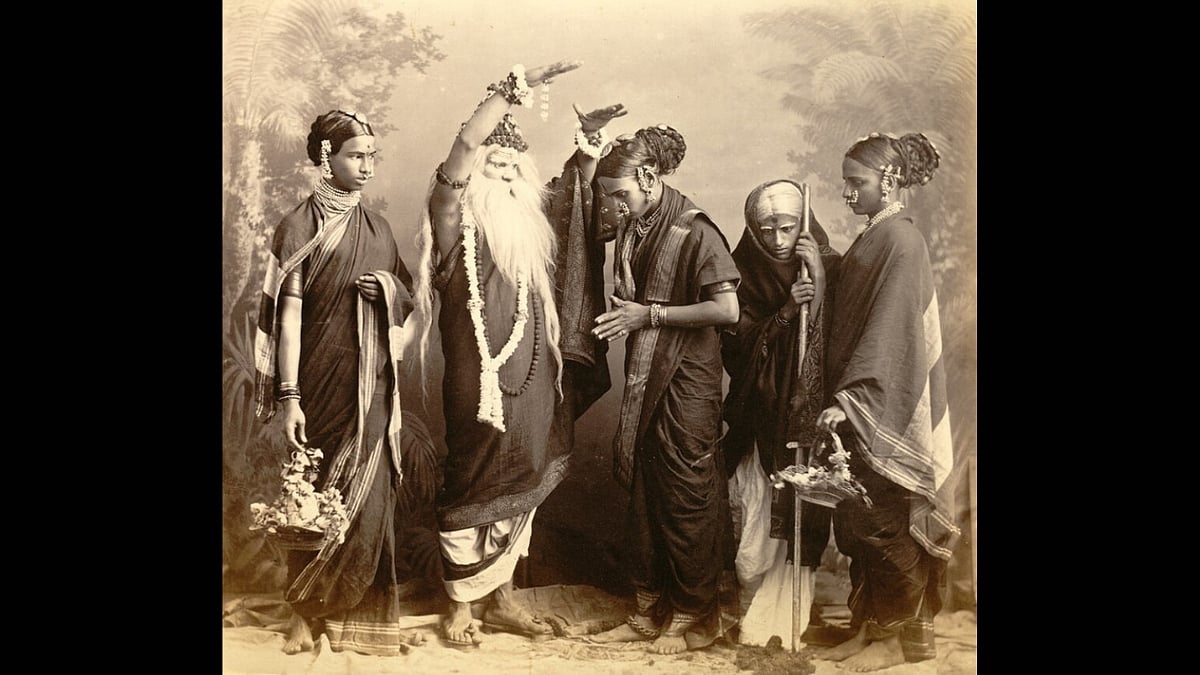
Theatre is an art that traces its origin almost to the beginning of civilisation. In some primitive societies, certain sacred observances in dance and role-playing forms could be alluded to as early theatre. This artistic expression gradually took a concrete shape in ancient societies like Greece, from where ‘theatron’, roughly meaning ‘a place for observance’ became the modern equivalent ‘theatre’.
In India too, some form of theatre might have existed during the Indus Valley Civilisation, around 2600-1900 BCE, although no direct archaeological evidence is yet available. The Vedic and later Classical Sanskrit eras had cultural elements akin to modern theatrical performances. The Sanskrit treatise ‘Natya Shastra’, composed around 200 BCE – 200 CE and traditionally attributed to Bharata Muni, is considered a foundational text on this subject.
The steadfast stride
The historical Satavahana Dynasty’s Nasik inscriptions of around the 1st century CE mention dramatic performances in their realm, and that conveys its presence and importance in the Maharashtra region from an ancient era.
With time, as Maharashtra Prakrit evolved into elegant Marathi, creative outputs began appearing in this new speech in the subsequent eras. Also, certain distinct folk theatrical traditions in the Maharashtra region, like Dashavatara performances, Gondhal, Tamasha plays, etc., are believed to have ancient origins, and they have reportedly influenced others in the neighbouring areas.
Dawn of modernity
In present times, performing arts such as theatre remain an integral part of life in this country. There is a distinct role of Marathi theatre in this, as over the years, it could entrench itself as a beacon of innovations in the minds of many art-loving people. A visionary innovator had once heralded its modern inception.
When Vishnudas Bhave staged ‘Sita Swayamvar’ in 1843 in Sangli, a new dawn appeared in the Indian subcontinent. In his wake began a tradition that would go on to impact a wider public. Bhave took his inspiration from several quarters, not least from the existing traditional forms and prevailing European stage aesthetics. From there on, Marathi theatre slowly turned into a specialised art form with professional setups, dexterous performances, etc. that would also galvanize others.
Then came the year 1880, and another pioneer, Balwant Pandurang ‘Annasaheb’ Kirloskar, produced a musical called ‘Shakuntal’, based on Kalidasa’s work, thus paving the way for the glorious tradition of ‘Sangeet Natak’. (He was reportedly influenced by a musical play ‘Nal-Damayanti’ in 1879). The Sangeet Natak format would have a major impact on other theatrical entities across the country and especially on early Hindi movies. It also made the careers of many geniuses and helped in vitalising Indian classical music. One legend who started his career in 1905 with ‘Kirloskar Natak Mandali’ (started by Annasaheb) was Bal Gandharva.
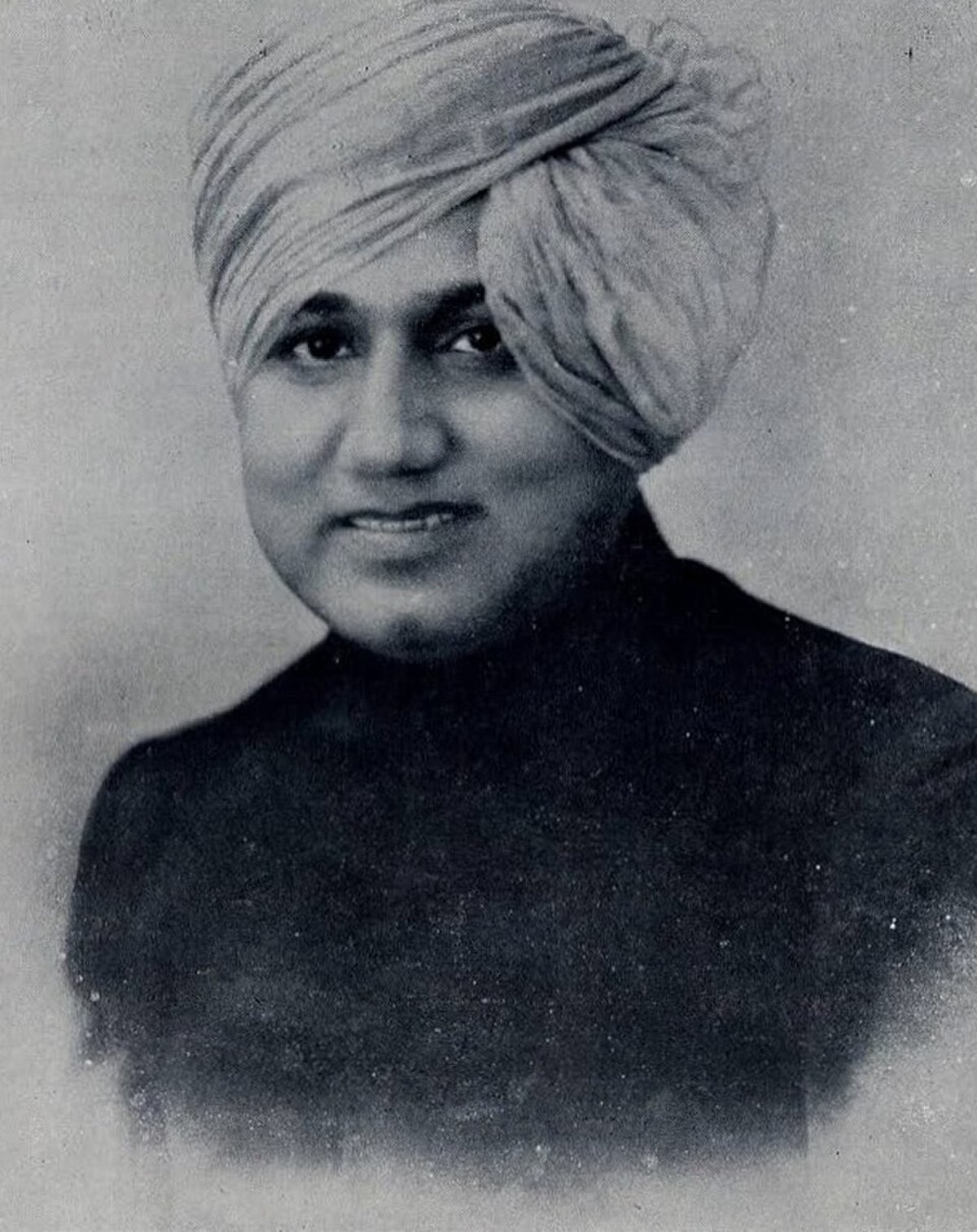
Bal Gandharva |
The Marathi theatre of that time also took up causes of great social reforms. This was a time when Savitribai and Jyotiba Phule, the socialist reformers, were educating the masses against social evils. Marathi theatre too increasingly addressed issues like caste discrimination, child marriage, etc.
The resistance
Theatre in Marathi towards the end of the 19th and the early 20th centuries also exuded themes of great nationalistic fervour. At that time, the entire country was protesting British colonialism. Therefore, it was beyond doubt that Marathi theatre too, with its reformist attitude, would play a leading role in the ongoing movement. The plays started having their own psychological depths and nationalistic spirits, mocking the colonialists in the garb of myths and folklore.
In 1907, Krishnaji Prabhakar Khadilkar wrote the play ‘Kichak Vadh’, based on an episode of the Mahabharata. The play was an allegory to criticise the British colonialists, where the characters were symbolic. This production created such an uproar that the British authorities banned it in 1910. (The ban was later uplifted in 1926.) Lokmanya Tilak’s ‘Kesari’ also encouraged Marathi theatre, looking at its potential as a tool of resistance.
Such plays became a platform for defiance and paved the way for a spirit of patriotism among many Indians. Marathi theatre also became an example for others to emulate and inspired the development of professional Gujarati theatre, Kannada theatre, etc. By its constant innovations, it broke numerous conventions and went beyond class and creed.
The later revival
A time came after independence when cinema took the limelight and theatre was ignored. But that too would eventually change. With social upheavals in the Indian landscape came also its problems - unemployment, inequality, gender discrimination, etc. These changes needed new voices, and as a result, experimental theatre began in earnest in many places, including Mumbai and Pune.
A few legends appeared in the Marathi theatre scene in the 1960s and 70s. They would change modern Indian theatre forever. Some names to reckon with are Vijaya Mehta (recently deceased), Mahesh Elkunchwar, Purushottam Laxman Deshpande, and Vijay Dhondopant Tendulkar. Vijay Tendulkar is universally considered one of the strongest pillars of modern Indian theatre. Tendulkar broke conventional norms, challenged prevailing themes, and created new expressions. His plays involved deep psychological layers and political satires that also posed questions about the society and its various evils.
Tathagata Chowdhury, a Gurugram-based thespian, says, “We have repeatedly adapted Vijay Tendulkar’s plays into English. Marathi theatre has always been a guiding light for us.”
The following decade, the 1980s, also saw the Kaamgaar Rangabhoomi movement in Marathi that centred on plights of factory workers, trade union issues, etc. The vocabulary of such platforms left a significant imprint. In addition, plays were also centred on adverse class discrimination faced by Dalits.
Some of the above legends’ works were subsequently translated into other languages, thus taking Marathi theatre beyond boundaries and languages. All these would also influence other art forms like parallel Indian cinema. They also gave some of the greatest actors of India who excelled in both theatre and films, viz., Dr. Shreeram Lagoo, Amol Palekar, Dr. Mohan Agashe, Mohan Joshi, etc.
Archit Koli, a Mumbai-based theatre artist, says, “Marathi theatre over the past century has had quite a journey. With multiple genres, the art form has made the audience both comfortable and uncomfortable in the same theatre seat. It owes a great deal to the Marathi audience, as they turn up in large numbers and demand better productions every time.”
Modern times
When OTT consumption reached a fever pitch during the pandemic, many performing artists feared the worst. But as the pandemic abated, the situation turned a volte-face. In particular, Marathi theatre saw a resurgence, resulting in increased attendance in the last few years. This can be owed to several factors: the young and old alike, after coming out of a claustrophobic existence, were more than happy to attend live performances, resulting in word-of-mouth publicity, social media discussions, a better ticketing system for theatres, embellished set designs, live music, etc.
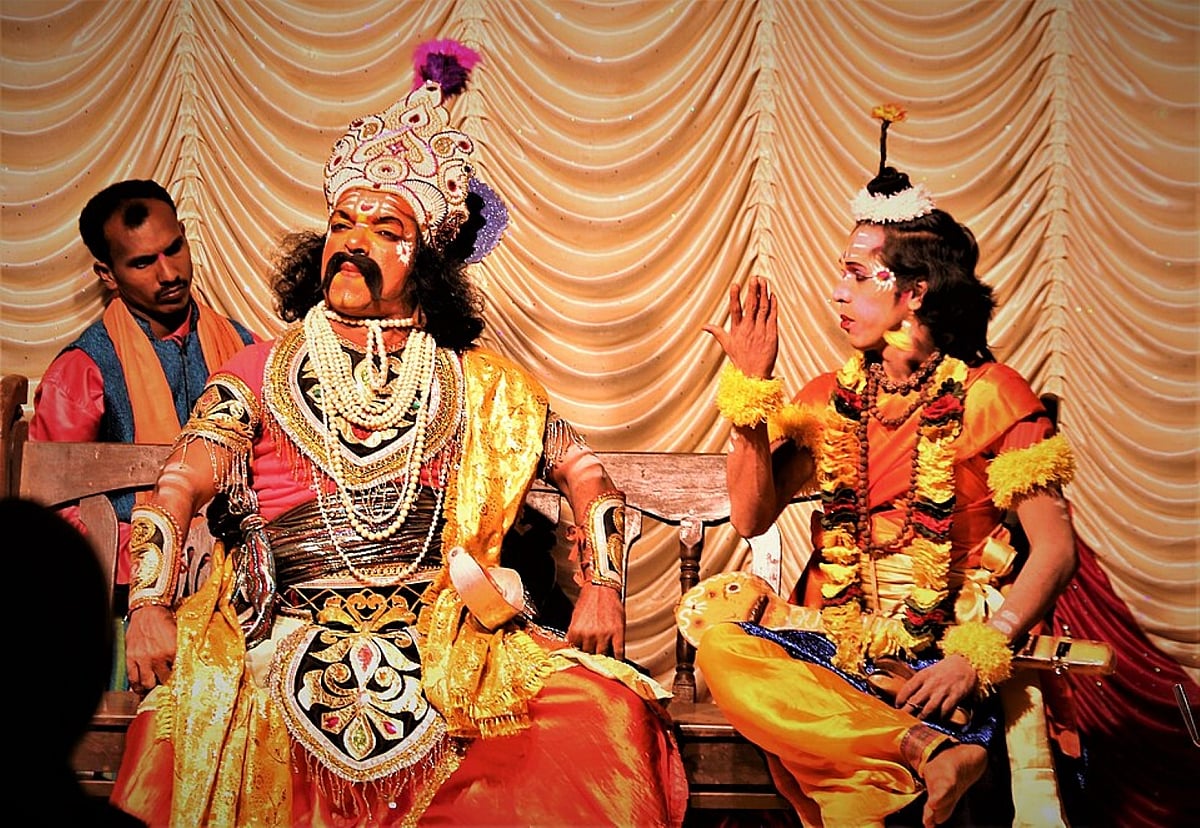
Dashavatara Folk Theatre |
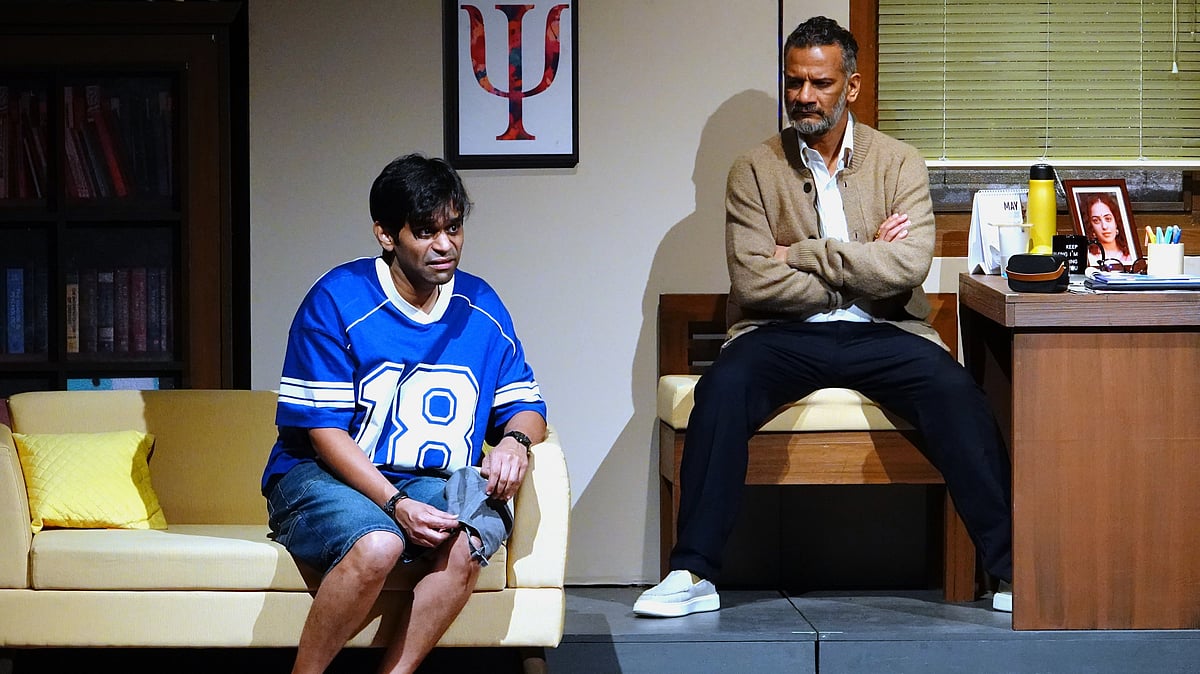
Both the big centres of Mumbai and Pune and niche circuits in Thane, Kolhapur, Nashik, Satara, Sangli, etc., saw a resurrection resulting in various productions. Themes now also took on issues like urban loneliness, mental health, marital relationships, friendships, etc. The genres continued their wide range, from historical plays to thrillers, folk musicals, family dramas, comedies, political plays, etc. Several productions applied old formats, and certain iconic and classical plays were brought back, like old wine in a new bottle, viz., Charchaughi, All the Best, Shantecha Karta Chalu Ahe, Bhramacha Bhopla, etc. In addition, quite interestingly, the informal college and office theatre groups that ran quite prominently in the 1990s in bigger cities have now made their conspicuity in various smaller towns in Maharashtra, where sustainability is more guaranteed.
On a bigger stage, when plays like ‘Jar Tar Chi Ghosta’, ‘Lagna Panchami’, ‘Sangeet Devbabhali’, and many others capture the imagination and make an impression in the consciousness of many people, it only shows the continuing popularity. With so much innovation happening, the audiences are now ever eager to experience theatre, as the divergence here between commercial outputs and other formats is becoming blurred.
Shrikant Kanta Thakorbhai, a popular Marathi actor from Satara, opines, “There is no doubt that Marathi theatre is the backbone and foundation stone for many performing artists. Today, the themes in commercial theatre are also a result of the various experiments that took place on the experimental stage.”
Conclusion
At this moment, Marathi theatre is one of the most robust entities in performing arts in this country. The post-COVID surge in viewership here over the last few years has also given heart to many other artists across the nation. This has happened due to the boldness of the Marathi creators for not ceasing to experiment and thus allowing the constant ingenuity that comes with it. This art form is carving new paths again for others to follow in its wake. For Marathi theatre, these words sound very apt – ‘Aamhi prakash dakhvato’.

