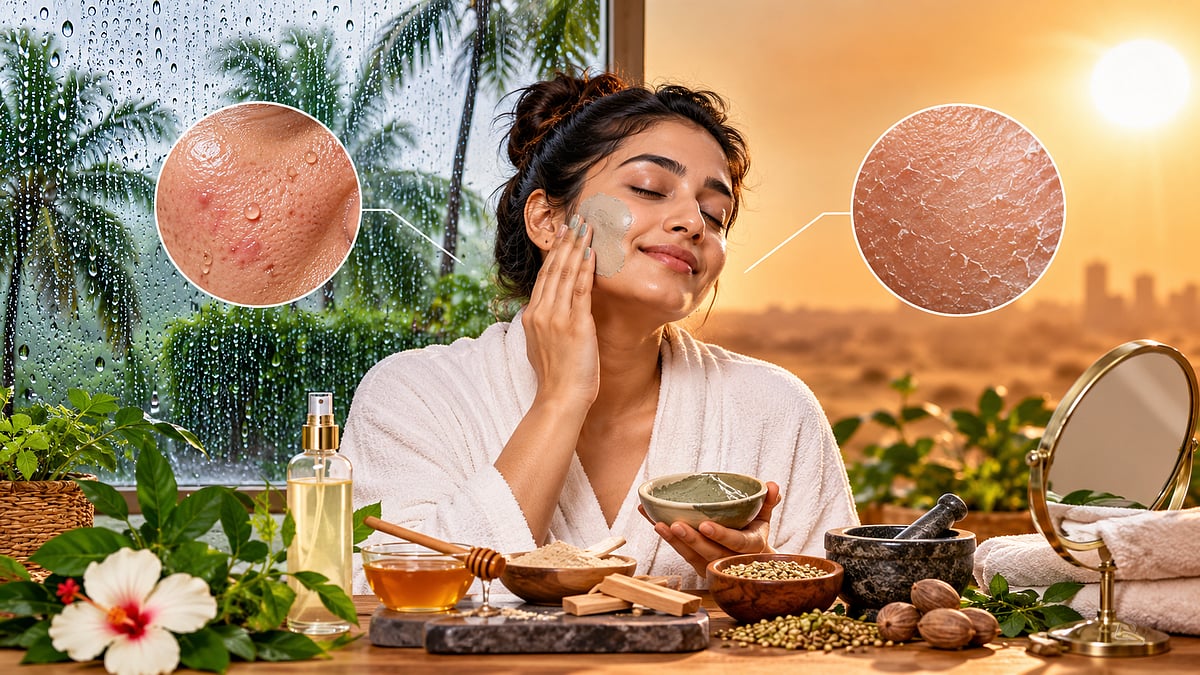
While high humidity is a constant challenge in warm climates, people with acne-prone skin often struggle with changing atmospheric conditions. Increased moisture in the air, excessive sweating, clogged pores, and heat can trigger severe breakouts and skin irritation. A common question when dealing with humid conditions is: How does high humidity specifically impact acne-prone skin compared to other weather extremes?
Understanding the impact of atmospheric moisture helps you adapt your skincare routine and leverage Ayurvedic remedies to maintain healthy, balanced skin year-round.
Impact on acne-prone skin
Humidity refers to the amount of moisture present in the air. When humidity levels rise significantly, it creates an ideal environment for acne-causing bacteria and excess oil production.
When humidity is high, the skin naturally produces more sweat and sebum (natural oil). Excess oil mixes with dead skin cells, environmental dirt, and surface bacteria, leading to clogged pores. These congested pores easily develop into blackheads, whiteheads, and inflammatory acne.
High humidity can also:
Increase greasiness and shine throughout the day
Encourage bacterial and fungal growth on the skin
Cause severe pore congestion and texture
Trigger fungal acne in acne-prone individuals
Make existing pimples appear more inflamed and swollen
Why humidity matters
In dry or hot climates, the main skin concern is dehydration or barrier compromise, which can lead to reactive oiliness. However, high humidity acts as a direct catalyst for acne formation.
The combination of constant moisture on the skin's surface, elevated ambient temperatures, and trapped sweat prevents the skin from breathing properly. This microclimate softens the top layer of skin, making pores more susceptible to trapping dirt and sebum deep within the follicle.
Therefore, for individuals struggling with frequent pimples and oily skin, high humidity poses the ultimate skincare challenge.
Ayurvedic view
According to Ayurveda, high humidity and heat aggravate two key doshas: Pitta and Kapha. Excess Pitta leads to heat, inflammation, redness, and painful, pus-filled pimples. Increased Kapha contributes to heavy oiliness, stagnation, congestion, and blocked pores. Restoring balance requires cooling, detoxifying natural skincare alongside light dietary adjustments.
Follow are the ayurvedic home remedies for acne in high humidity:
Vetiver (Khus) Infused Face Mist
Vetiver is highly cooling and Pitta-pacifying. Unlike basic rose water, vetiver actively cools heat-driven acne and reduces excessive facial flushing caused by humid weather.
How to use:
Soak 1 tablespoon of dried vetiver roots in 1 cup of boiled water.
Let it cool overnight.
Strain and store in a spray bottle.
Mist the face 2–3 times daily for instant cooling.
Lodhra Bark and Honey Spot Treatment
Lodhra is a classical Ayurvedic herb renowned for managing skin imbalances. It helps reduce swelling, absorb excess oil, and fade post-acne redness.
How to use:
Mix ½ teaspoon of lodhra powder with a few drops of raw honey.
Apply strictly on active pimples.
Leave for 20 minutes before rinsing with cool water.
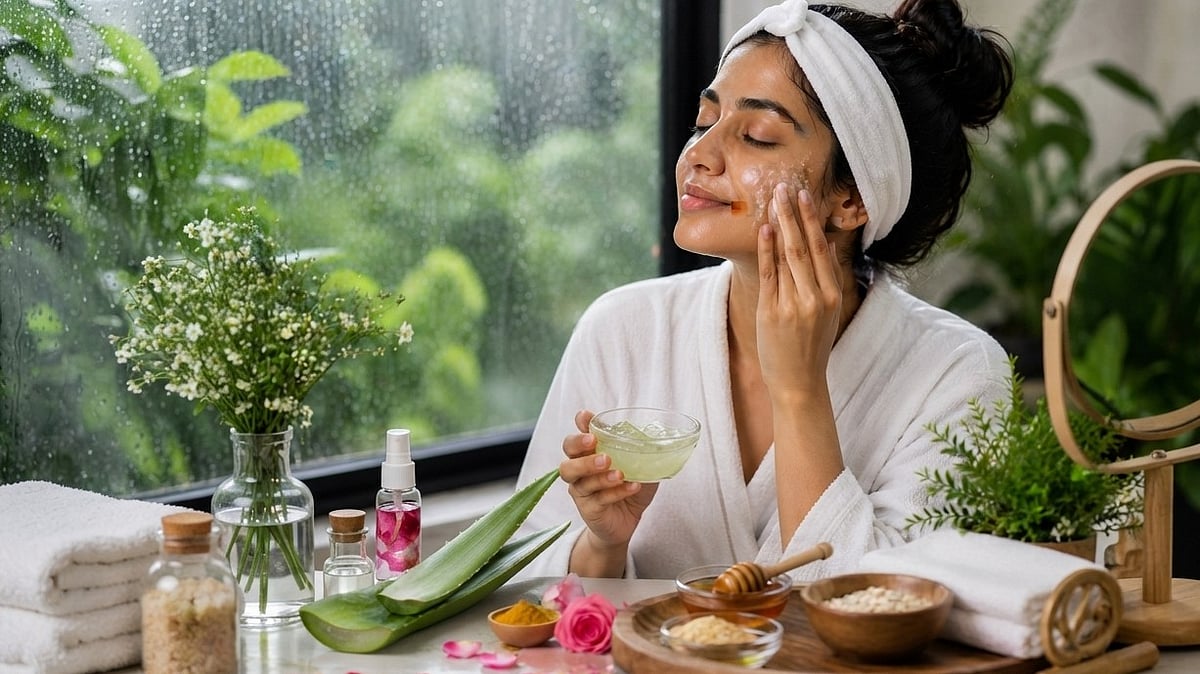
Coriander Seed Skin Water
Ayurveda uses coriander to mitigate internal and external body heat, directly targeting inflammatory acne linked to high humidity and sweat.
How to use:
Soak 1 teaspoon of coriander seeds overnight in a glass of water.
Strain in the morning.
Use it as a refreshing face rinse or drink it on an empty stomach.
Sandalwood and Licorice Cooling Mask
This combination is exceptionally potent against red, irritated acne, heat rash, and stubborn marks.
How to use:
1 teaspoon pure sandalwood powder.
½ teaspoon licorice (mulethi) powder.
Rose water as needed to form a paste.
Apply for 10–15 minutes and rinse gently.
Triphala Facial Compress
Triphala acts as a mild antimicrobial and detoxifying cleanser that purifies without stripping the skin barrier.
How to use:
Boil 1 teaspoon of Triphala powder in 2 cups of water.
Cool completely and strain through a fine cloth.
Soak a clean cotton pad or cloth and place it on congested areas for 5–10 minutes.
Nutmeg (Jaiphal) Micro Spot Therapy
This traditional remedy works effectively on deep, painful, or stubborn lesions rather than as a full-face pack.
How to use:
Rub nutmeg on a clean stone slab with a few drops of water.
Apply a small dab of the paste directly onto individual pimples.
Ayurvedic strategy
Traditional Ayurveda treats skin flare-ups as a reflection of internal metabolic heat (Agni). To prevent humidity-induced breakouts, support your digestion with these daily habits:
Drink warm coriander-fennel-cumin water throughout humid days.
Eat fresh pomegranate regularly to balance Pitta.
Avoid heavy, fermenting foods like curd/yogurt at night.
Keep a 3-hour gap between dinner and bedtime.
Avoid frequent snacking between meals to reduce skin congestion and toxin accumulation (Ama).
Combining a balanced diet with targeted Ayurvedic skincare keeps your skin clear, calm, and oil-free even in high humidity.
(Shahnaz Husain is a pioneer and leader of Ayurvedic beauty care)

