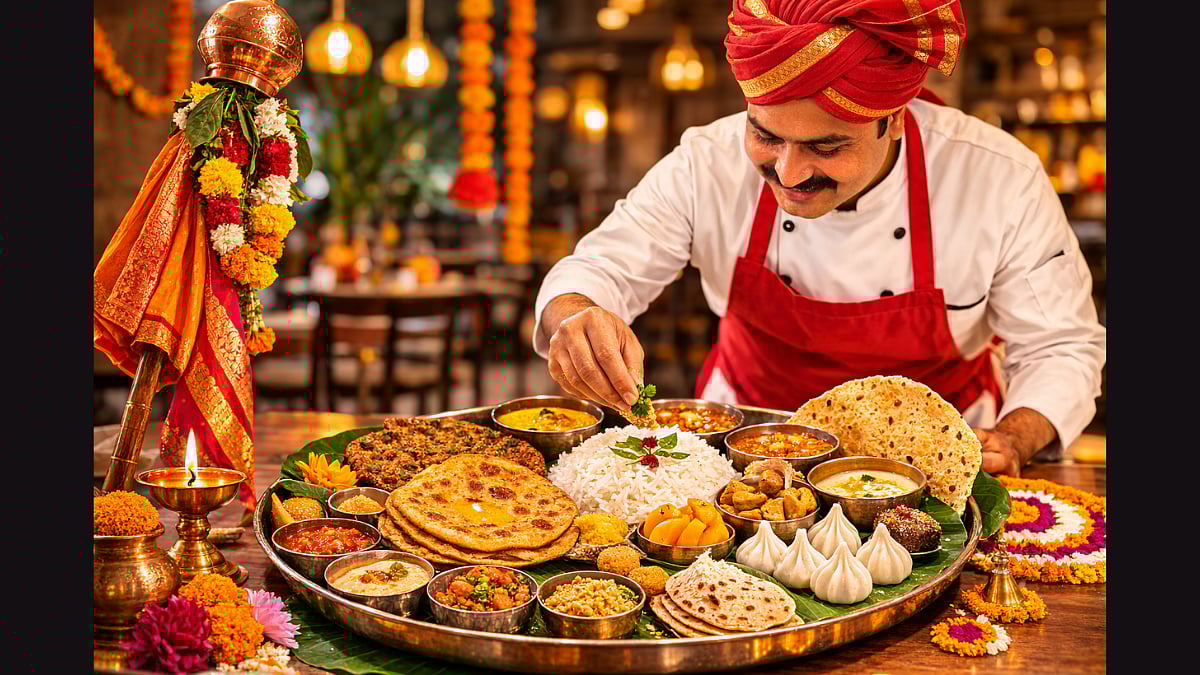
The epicurean calendar in the month of March is eventful for Mumbaikars, what with the fnb sector of the hospitality industry competing to host food promotions and pop-ups one after another to commemorate the month’s festivals. Festivals start with Holi, followed by Eid, Gudi Padwa, Cheti Chand and Parsi New Year. Ugadi and Vishu, the South Indian new years too fall on the same day as Gudi Padwa.
Restaurants go all out to promote the festival of colours with special thandais, kachori, dahi bhalla, chaat, traditional mithais like malpua, gujiya and more. Month-long Ramadan Iftar dinners are organised by high-end restaurants/hotels who fly in master chefs from Hyderabad and Lucknow to curate authentic haleem, keema samosa, galouti kebab, dum biryani for the metropolitan palate, culminating with a grand feast on Eid. For Parsi New Year, foodies are invited by eateries to indulge in Parsi bhonu with dhansak, sali boti, patra nu machchi, lagan nu custard vying to earn their picturesque slot on social media. Even the minority Sindhi festival Cheti Chand is not left behind when it comes to food pop-ups, in some select places.
Hotels and specialty restaurants are excited and ever ready to host food promotions for international new year dates like the Chinese New Year to popularise their culture and food customs, in great details replete with appropriate décor and service. Even social events like International Women’s Day, Valentine, Halloween, Easter, Father’s/Mother’s Day which are essentially foreign to us get prominence with gimmicky promotions.
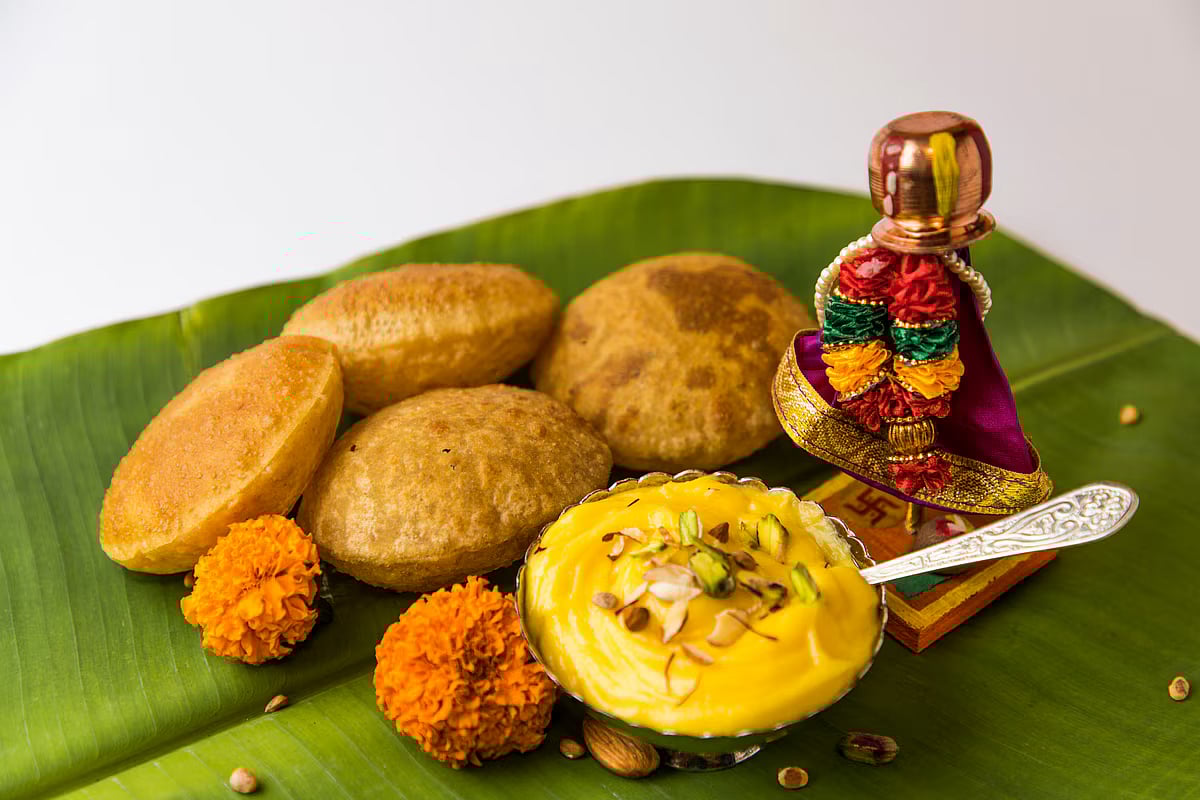
Alas, in all these myriad revelries, one most significant State festival Gudi Padwa - the New Year of Maharashtra – the indigenous harvest festival of Maharashtrians - is side-stepped by the fnb sector. Food outlets turn a blind eye to a festival marked to welcome spring and a harbinger of new beginnings. This is not a small festival. The Maharashtrian New Year represents renewal, harvest cycles, prosperity, and cultural identity.
Chefs’ perspectives
As a chef-restaurateur and cultural storyteller, Chef Varun Inamdar finds it deeply ironic that while restaurants and luxury hotels across India proudly celebrate Eid, Onam, Pongal, Holi and Christmas, Gudi Padwa is almost invisible in Maharashtra itself. He rightly feels, “Yet our own hospitality industry chooses global festivals over its own civilisational moment. What makes this more disappointing is that we celebrate Gudi Padwa more consciously outside India. In Singapore, at my own restaurant 27 Degrees West, we celebrate Maharashtrian festivals and food, curate them with pride. Unfortunately, the exotic-obsessed mindset in the hospitality industry clouds most other regions and cuisines of India. I always redesign my menus, rituals are respected and stories are told through food.”
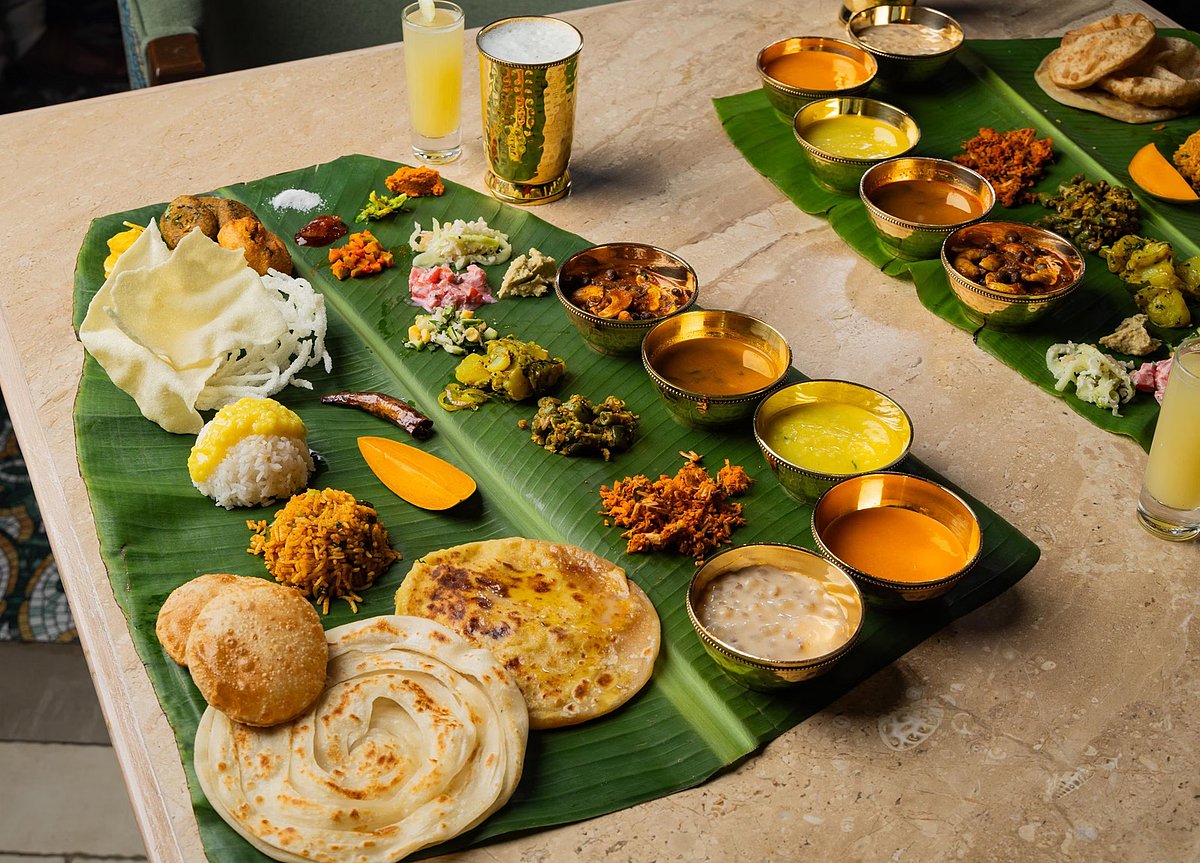
For all its richness and diversity, Maharashtrian cuisine has rarely found representation in the organised restaurant space the way many other regional cuisines in India have. Much of it continues to live within modest neighbourhood eateries, khanavals (Maharashtrian mess with a thali format), and small local establishments rather than in curated dining environments. Chef Harsh Shodhan, Founder – The Gourmet Kitchen Studio believes, “These establishments focus largely on serving everyday comfort food like misal, poha, sabudana khichdi, thalis, and snacks that cater to daily, repeat customers rather than occasion-driven dining. This very structure is perhaps why Maharashtrian food rarely translates into celebratory restaurant festivals. Unlike cuisines that have built a strong presence in the restaurant industry, many Maharashtrian eateries operate on a routine menu designed for speed, familiarity, and affordability. The emphasis is on consistent daily meals rather than seasonal or festive reinvention.”
About star-rated hotels
Momentous cultural festivities like Gudi Padwa or Makar Sankranti, both deeply connected to food traditions, rarely find expression in premium establishments. Ravi Rai, the dynamic General Manager at Orchid Hotel Mumbai, begs to differ, “We at Kamat Hotels (India) Limited, celebrate Gudi Padwa with gudi-raising rituals, offer neem and jaggery – a reminder to accept all that the year brings. Female guests are welcomed with haldi-kumkum, tilak application and flowers; host festive meals with live stations – puran poli, ukadiche modak. Shrikhand, tilgul, missal, aamti and seasonal preparations, primarily through special menus and fitting décor, at all our locations including Orchid Mumbai and Ira by Orchid are organised. Same goes for Marathi Diwas too.”
Still, it is rare for hi-end eateries to host them and it remains a private, community-driven occasion. Asmita Bharati, VFX Producer-Writer-Food Blogger (Hungry Indian Foodies) laments, “Being the Maharashtrian New Year, Gudi Padwa has beautiful food traditions and cultural elements that could translate wonderfully into festive menus, themed brunches, or special culinary showcases. Unfortunately, we sparingly come across such food promotions in hotels and restaurants.” And nobody has the answer!
Skipped culinary gem
Maharashtrian cuisine’s strongest traditions have been upheld and sustained within households rather than commercial spaces. “It also means that it has not always received the same festive visibility or culinary spotlight in the dining world that other regional cuisines enjoy,” observes Asmita.
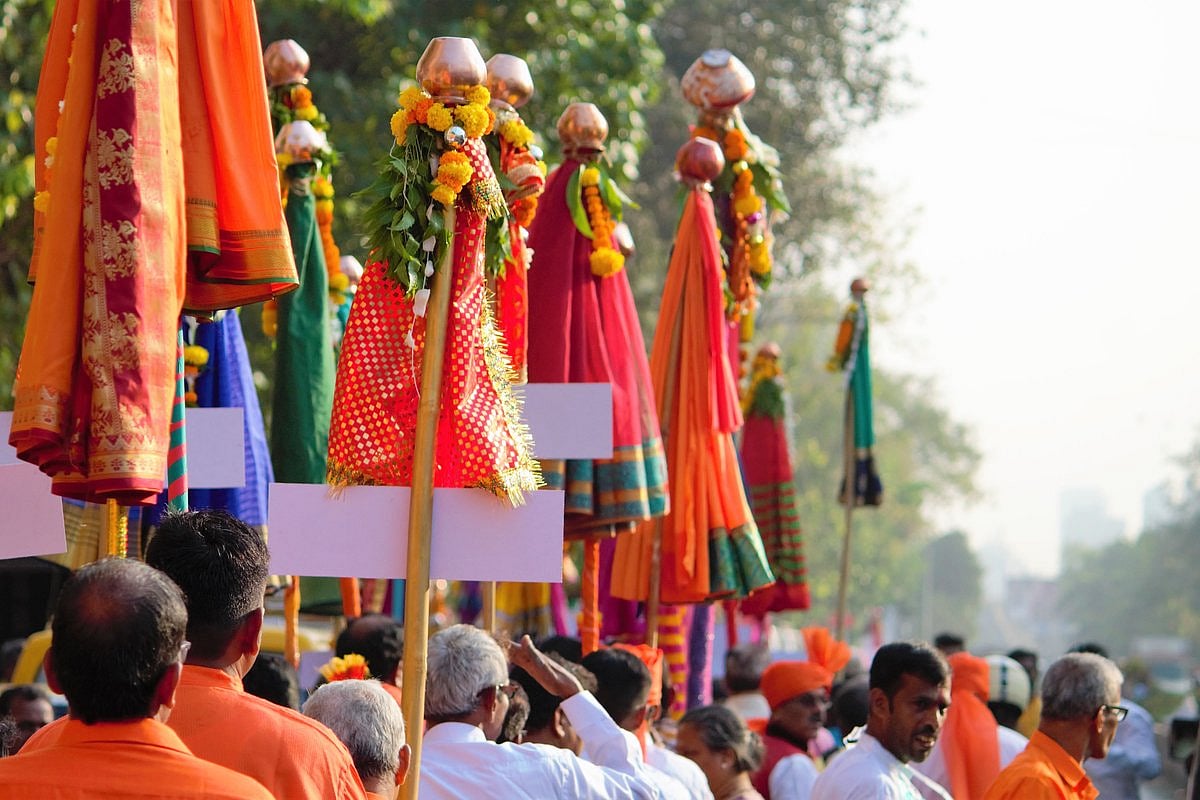
“Gudi Padwa offers everything modern dining looks for today. Seasonal ingredients, symbolic flavours like neem and jaggery, beautiful rituals, visual drama, and a strong narrative of new beginnings. Celebrating it is not about being traditional or conservative. It is about cultural confidence. If restaurants in Maharashtra do not champion their own New Year, we lose the chance to educate, inspire, and build pride. Hospitality should lead culture, not overlook it,” signs off Varun Inamdar.

