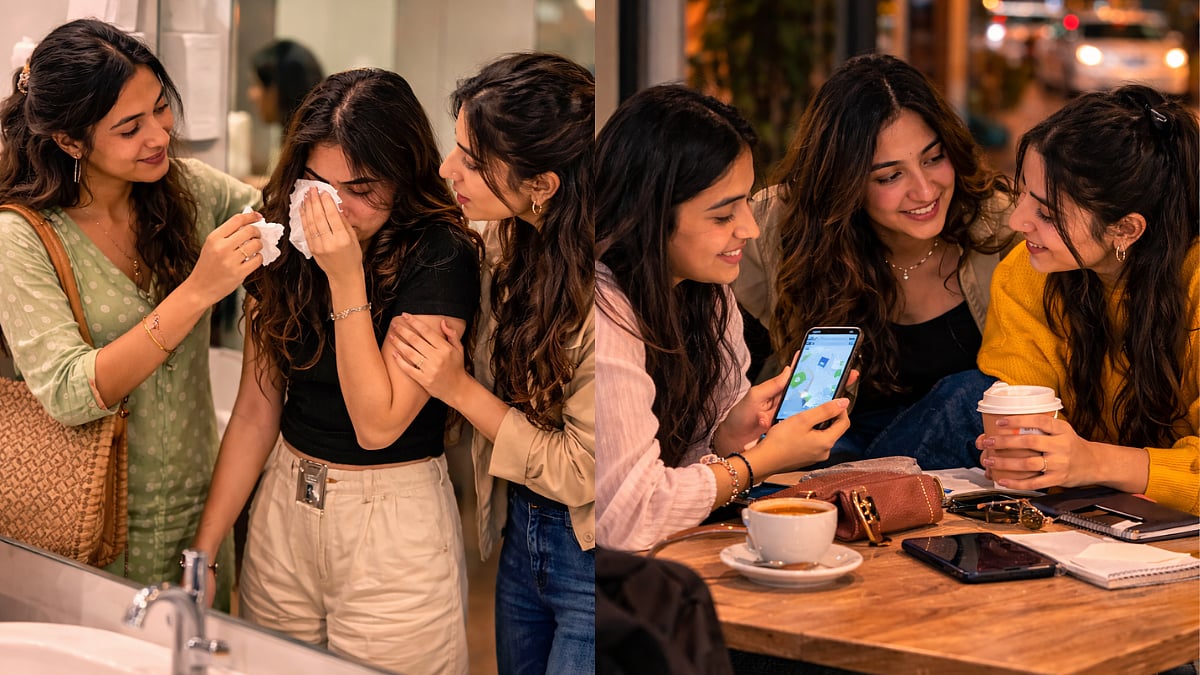
When Ananya Panday’s character in Call Me Bae playfully talks about “Behen code,” it feels fun and light, but beneath the glam and humour lies a deeper truth. Girl code is an unspoken bond. It may not be written in books, but it exists in everyday life. It shows up in public washrooms, at parties, in group chats, and in late-night cab rides. It is the silent system of protection and support that women instinctively activate for one another.
Poornima Thakur, Analytics Lead at Lenovo US, says, “Girl code for me means having the kind of safe space that no one else can give. Throughout my life, I have always felt the need to be loved, understood, and truly heard. Over time, I realised that I already had that support with my girls. With them, I don’t have to over-explain myself or pretend to be someone else. There is a quiet comfort in knowing they will listen, support, and stand by me without judgment. That feeling of emotional safety is what girl code truly means to me.”
In a world that doesn’t always feel safe or equal, women have created their own informal safety network. It is subtle, powerful, and always ready. Here are five unwritten rules that define girl code.
Public washroom rescue moments: Public washrooms are more than just mirror selfies and touch-ups. They’re comfort spaces. If a girl walks in looking stressed or uncomfortable, the vibe shifts. Someone will check in. Someone will stay nearby. Even strangers step into support mode instantly. For a few minutes, that space becomes protective and positive.
Pre-Event “Investigation Squad”: Before going to a party, trip, or meeting, girls often do a quick check together. They look at who is attending, where it is happening, and whether it feels safe. They share screenshots, discuss details, and plan how they will arrive and leave. It is about being careful and prepared. Doing this together builds confidence and reduces risk.
Sharing live locations without explanation: One of the most common girl code habits today is sharing live location. There is usually no long message attached. This small act means someone knows where you are, just in case. It shows that someone is looking out for you. It is a quiet way of saying, “I have your back,” without needing dramatic words.
Noticing when something feels wrong: Many women have a strong sense when something feels wrong. A change in tone, body language, or atmosphere can signal discomfort. Girl code includes paying attention to these signs. If one friend feels uneasy, others quickly adjust. This awareness helps prevent problems before they grow bigger.
Ever-present defence system: There is always a quiet layer of protection in female friendships. Walking together to cars, waiting until a friend enters her home or checking in after plans are over are common habits. They may not be discussed openly, but they are consistently practiced. It is a defence system built on care and shared experience.
Snehal D’Souza, a 20-year-old Gen Z, says, “To me, girl code is that silent frequency where we shift from strangers to bodyguards the second a vibe feels off. It’s the ritual of the washroom rescue, fixing a hem, or being each other’s mirrors and ultimate hype-women. Whether it’s a random compliment on a cute college fit or the mandatory ‘text me when you’re home,’ it’s an unspoken pact that we always move as a unit. Being a girls’ girl means you never have to ask for backup – it’s already there.”
Girl code is simple but powerful. It is about showing up, paying attention, and protecting one another. These small actions may not always be noticed, but they make a big difference in how safe and supported women feel every day.

